Category Archives: HSPs
Malignant narcissists: HSPs gone bad?
The concept of malignant narcissism and HSP traits coexisting in the same person is a matter that has very little research behind it (I could find nothing at all on Google), so this article is based on my own opinions, gleaned through a combination of my readings and personal observations of the narcissists I have known. My opinion may come as a surprise.
In my article A Match Made in Hell: Narcissists and HSPs, I wrote about the tendency for narcissists and HSPs to form trauma-bonds with each other–that’s really just a fancy way of saying these two seemingly opposite types of people are often drawn to each other and become codependent on each other. The narcissist is both attracted to and repelled by the HSP’s vulnerability and high empathy. They both envy and loathe it; part of this loathing is due to the narcissist’s realization that they NEED the high empathy of the HSP because it’s good narcissistic supply and makes them feel validated. It’s also a quality that on some level (perhaps unconscious) they know they jettisoned a long time ago, and that knowledge causes them to envy and hate the HSP at the same time they depend on them. Because they hate their own vulnerability and hide it from the world (and see dependence as vulnerability) that’s another reason why they may abuse the very person who gives them a reason to exist.
The narcissist feeds off the HSP like a vampire feeds on blood. This can be an extremely unhealthy, even deadly, relationship for the HSP, who will eventually either leave the narcissist or be destroyed. But the HSP gets something out of the relationship too–the belief that through their love, they are saving the narcissist from him or herself. They often believe they can “fix” the narcissist through their empathic love and transform them into feeling human beings capable of returning what they have been given. Of course, this belief is almost guaranteed to end in disappointment (if the HSP is lucky), and possibly much worse.
The great irony here is that I think most narcissists are, way deep down, HSPs. No, you didn’t read that wrong.
But how can that be? Narcissists are incapable of empathy, have problems feeling and expressing deep emotions, and are incapable of loving anyone but themselves. Isn’t that the opposite of being an HSP?
Well, yes and no. The explanation is complicated, so I hope you stay with me here.
As I’ve explained before, I think most narcissists began life as highly sensitive people who at an early age suffered psychological trauma due to abuse. This caused them to shut off their too-vulnerable true (authentic) selves from the world and in its place construct an elaborate defense mechanism–the false self–initially meant to protect the vulnerable true self from further harm, which has no defenses at all. Even HSPs who are not narcissists have some protective psychological armor, so they did not need to construct a false self to take the place of the true one. Healthy HSPs are truly authentic people who feel deeply and are emotionally honest with themselves and others. Narcissists were born with no emotional defenses at all; the false self replaces the true one and appears invulnerable. But this is only an illusion, because the mask is only an illusion. When you face a narcissist, you will never know who that person really is because all they will show you is the protective mask they have created. They are so terrified of further hurt that they will attack with vicious ferocity if they think you pose any threat to its flimsy underpinnings. It must be a terrifying way to live.
The high sensitivity of a narcissist is retained in the way they react to personal insults or slights. They are huge babies who overreact when they feel like they are being attacked, ignored, or they perceive their source of narcissistic supply may be in danger. They are paranoid, touchy, and utterly lacking a sense of humor, especially about themselves. They may try to appear as if they don’t care, usually through the “silent treatment” or sneaky attacks such as triangulating against or gaslighting the person they perceive as a threat, but if you know narcissism, it’s usually not too hard to see the emotional fragility behind their acts of false bravado. However, when it comes to other people, they can seem incredibly insensitive. Here’s the rub: for malignant narcissists, this isn’t really the case at all. Stay with me here.
Warm and cold empathy.
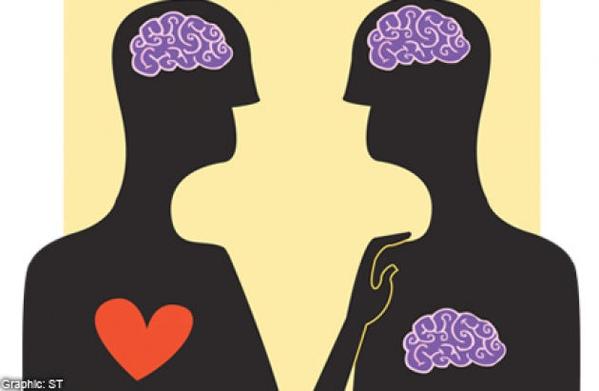
In my research about NPD, there has been a lot of discussion about a concept called “cold” empathy. For those of you who don’t know what this is, I will explain. Most of us associate narcissism with a lack of empathy, but this isn’t exactly the case. Most narcissists–especially malignant ones–do have empathy, but it’s not emotional or affective empathy; it’s cognitive or “cold” empathy. What this means is that a narcissist KNOWS what you are feeling very well, and may use what they know you are feeling against you. Cold empathy is “felt” on the cognitive (thinking) level, but not as an emotion, and that is why the narcissist can feel no compunctions about turning your feelings against you in order to hurt you.
An extreme example of this would be the sadistic, psychopathic rapist. The rapist “smells” your fear and uses that against you to become even more sadistic. It *is* empathy, but it’s “cold”–the rapist understands exactly what you are feeling and your fear makes him feel powerful, so he increases the level of torment. He feeds off your fear like a vulture feeds on carrion. You don’t need to tell him you’re afraid; he KNOWS.
Cold empathy is the twisted narcissistic mirror image of warm empathy, which non-pathological people are capable of feeling on an emotional, not just a cognitive level. HSPs have more warm empathy than anyone. Here’s where things get complicated. If a narcissist is also an HSP, their high sensitivity can morph into a quality that seems almost supernatural and is utterly chilling–a cold, sadistic form of “empathy” where they seem to be able to see into your mind. A non-sensitive person would not be able to detect your emotions without you telling them how you feel, and therefore not have that creepy, unsettling way of “seeing into your soul” that the malignant narcissist does. The higher the sensitivity a narcissist has, the more malignant they will be.

Malignant narcissism is high on the HSP spectrum.
Credit: http://dondepresso.rujic.net/post/116940034025/manic-chart-narcautism-spectrum
This idea was actually illustrated in the humorous-but-true graph I posted the other day (shown above), where initially I wondered why “malignant narcissism” was showing so high in HSP traits. But actually it makes perfect sense. A HSP who adopts narcissism as a way to cope with the world will become malignant or even psychopathic. A non-HSP may still become a narcissist, but they lack enough “cold empathy” to become malignant.
In summary, HSPs can be the most kind and caring people you can ever hope to meet–or the most dangerous. A narcissistic HSP is a malicious, deadly beast who is best avoided.
They are two sides of the same coin. No wonder they are so often drawn to each other. The tragedy is that a malignant narcissist can infect a previously healthy HSP with their evil but it doesn’t work the other way around: a non-narcissistic HSP cannot change a malignant narcissist into a good person.
“How Highly Sensitive People Interact with the World Differently”
I saw this article about HSPs on Huffington Post today and wanted to share it on this blog.
How Highly Sensitive People Interact With The World Differently
The Huffington Post | By Lindsay Holmes
Photo: ballyscanlon via Getty Images
Highly sensitive people have been labeled a lot of ways in the past, like fragile, over-emotional and intense. But there’s more to a highly sensitive person than just excess crying and a whole ton of feelings.
Those with an empathetic personality are actually biologically wired to behave the way that they do. As a result, they also have an entirely different approach to to their physical environment — and that isn’t necessarily a bad thing.
Below are just a few ways highly sensitive people interact differently with the world around them than their “thick-skinned” counterparts.
They’re easily overstimulated by their surroundings.
Loud noises, big decisions and large crowds don’t bode well for HSPs without a little downtime to balance them out. This is because they have a very active emotional response, according to Elaine Aron, author of The Highly Sensitive Person and one of the original scientific researchers of the personality trait.
“The reason this happens is because they’re processing everything around them so thoroughly,” Aron told The Huffington Post. HSPs process their surroundings or life events based on emotions. In other words, the more overwhelming their circumstances get, the more deeply they feel.
They pick up on the subtleties in a room.
Did you rearrange your living room? Did your spouse make you upset at a dinner party? Sensitive folks can sense many subtle shifts, whether they’re tangible items or emotional moods, Aron says. “There’s just this intuition they have about their environment that other people generally aren’t aware of,” she explained.
That intuition also guides them in their own relationships as well. HSPs notice different attitudes that may not be picked up on by other people. So if you’re using different language or texting more abrasively than normal (think periods instead of exclamation points), chances are a HSP is going to take note.
They’re more emotional in their relationships.
HSPs crave deep connections. According to Aron’s research, sensitive people tend to get more bored in marriages than non-HSP couples, mostly due to the lack of meaningful interaction that naturally occurs as time goes on. However, this isn’t necessarily bad news. Aron says that the lack of meaning doesn’t mean an HSP is going to abandon ship — it’s only going to motivate them to have more stimulating conversations.
The key to a successful relationship for an HSP is communicating what they want out of a relationship and finding a partner that understands their emotions are part of their nature. “Sensitive people can’t help but expressing what they’re feeling,” she said. “They show their anger, they show their happiness. Appreciating that is really important.”
Sometimes they prefer to fly solo.
HSPs function best when they’re in quieter environments — particularly in the workplace, according to Aron. “Open office plans aren’t productive for them in most cases,” she says. This preference to operate alone may even go for leisure activities outside of the office. HSPs may also avoid group sports or physical activities because they feel like their every move is scrutinized, Ted Zeff, a researcher and author of several books on highly sensitive personality traits, previously told HuffPost.
They might be more sensitive to caffeine or alcohol.
This certainly isn’t always the case, but Aron says on average HSPs may have more of a sensitivity to stimulants like caffeine or substances like alcohol, based on self-tests she’s conducted for her research. HSPs are also more easily bothered by hunger, she said.
They get anxious around conflict.
Conflict is a tough road to navigate for HSPs, according to Aron. They have two approaches to dealing with it, and those ideas are often at war with each other. “Sensitive people get torn between speaking up for what they feel is right or sitting back because they don’t want a violent type of reaction [from others],” Aron said. “They’re very sensitive to environments where they’re being judged for their sensitivity or for anything else.”
On the other hand, HSPs have a way of managing disagreements in a rational way. Because of their high levels of empathy, sensitive folks can often put themselves in the other person’s position and see their side of the argument, Aron explained.
When it comes down to it, Aron says the key for sensitive people is to embrace their personality trait rather than work against it. “Highly sensitive people make excellent leaders, friends and partners,” she said. In other words? Keep on experiencing those emotions, HSPs — even if they do make you cry.
My son’s father turned from a loving dad into a monster.
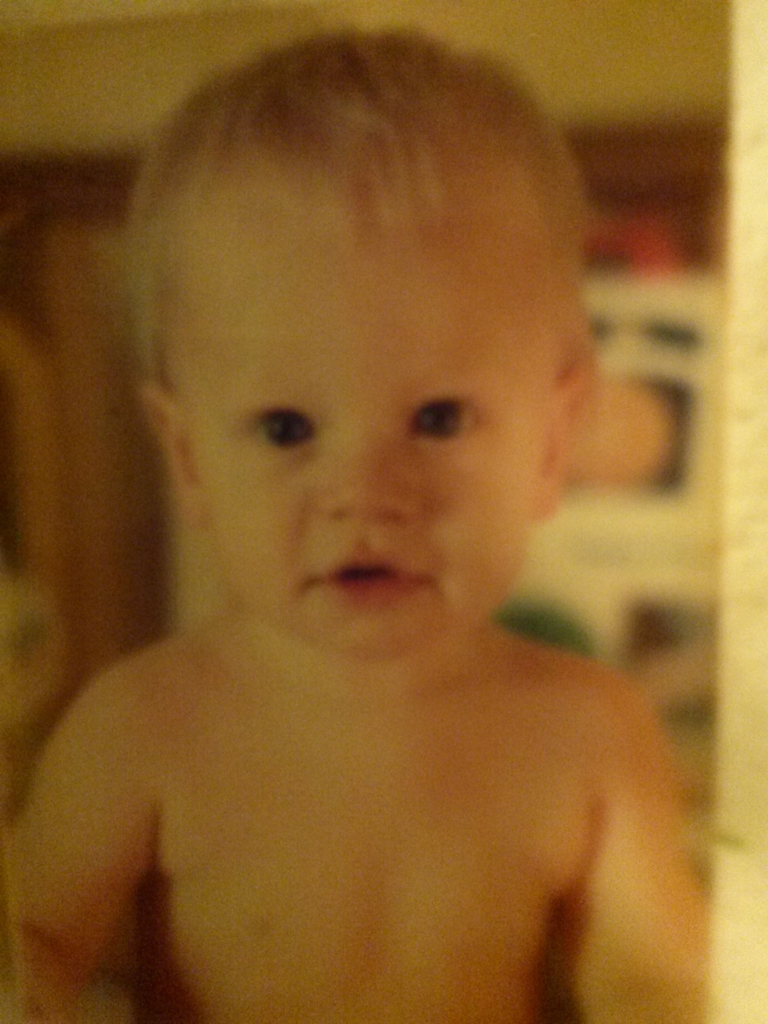
My son at about 9 months. His dad doted on him then.
Turning on a child who was initially loved and doted on is not unusual for malignant narcissist parents. If the child proves to be sensitive, highly intelligent, or can see through the parent’s agenda, they may find themselves suddenly turned into scapegoats. Betrayal of a child means nothing to a narcissistic parent. The child was never a child even before the betrayal, just supply.
My son (who I’ve been calling Ethan on this blog but that is not his real name) was born in October 1991 and initially was very much wanted by his father. During his infancy his father appeared to love him very much and it wasn’t unusual to find my beautiful little boy snuggled up against his dad’s chest. Though Michael (also not his real name) was showing signs of the abuser he would soon become, the abuse was directed at me, and didn’t happen often enough in those days that I was that concerned.
By the time Ethan was 3 or 4 he was showing signs of being a highly sensitive (and very creative) child. He cried frequently and was given to tantrums when he sensed discord, anger or chaos around him. He was always very sensitive to his environment and didn’t react well to everyone and he hated change. He still remembers himself as being an extremely nervous child, but those nerves were due to his high sensitivity. I was much the same way when I was his age. I could always identify with my son.
I remember when he was two, when we were moving from New Jersey to North Carolina. Because we didn’t have a lot of money for a long distance mover, we moved most of our stuff (except large pieces of furniture) in a U-Haul and a car over five separate trips. During the time the house was being slowly emptied, Ethan began to act very strange. He stopped eating, looked pale and his eyes looked too big for his face. He hadn’t really started talking much yet, but did this strange “parroting”–he’d repeat “Hi Mommy! Hi Daddy!” over and over, in a strange high pitched voice. It was creepy. His doctor said not to worry, but he just wasn’t himself. Then it finally dawned on me: a very young child sees things disappearing and doesn’t understand why (he hadn’t come on the moving trips to see where the things were going). His two year old mind deduced that eventually his parents and baby sister would disappear too, leaving him alone, so the nervous parroting of “Hi Mommy, Hi Daddy,” was to make sure we were still there and weren’t going to leave him. To a sensitive child like Ethan who hated change as much as he did, watching the things in his environment disappear must have been traumatic for him. I asked him about this recently and he still remembers it. He told me my suspicions had been correct. He was afraid we would disappear!
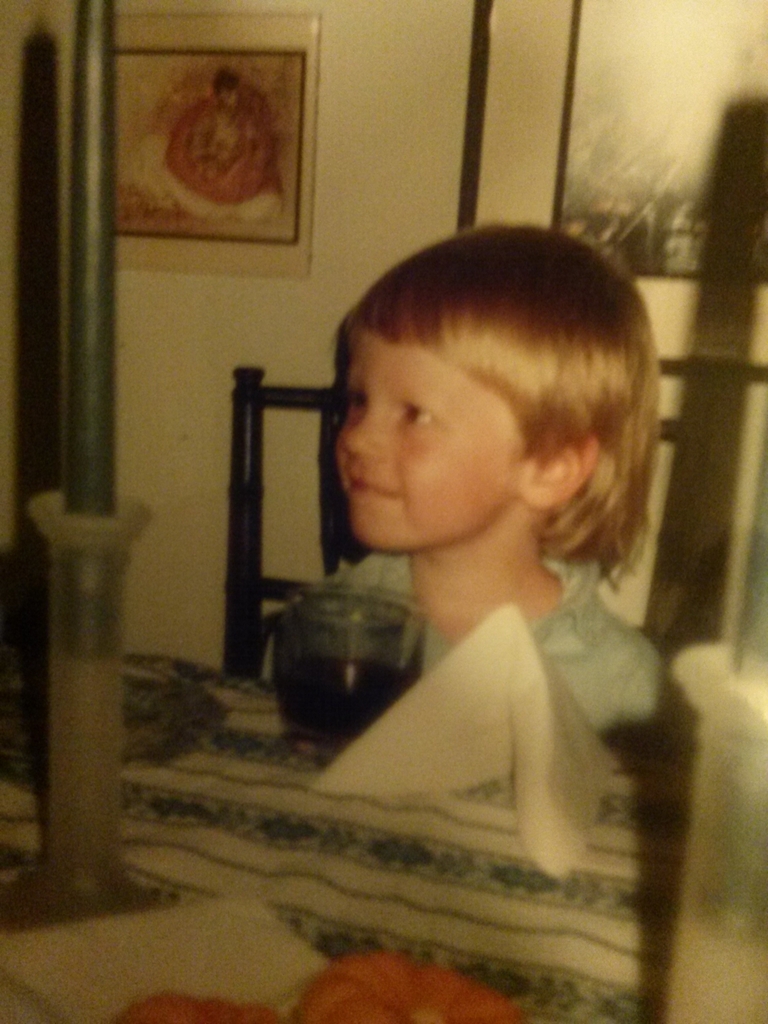
Third birthday. He received a cake with a blue toy car on it.
Michael saw this high sensitivity as soon as it became apparent, and suddenly his affection toward his son came to a screeching halt. He began to pick on and belittle him, calling him names such as stupid, idiot, “faggy,” pussy, baby, and loser. As young as Ethan was, I could see how his self esteem was already taking a beating. Soon he became nervous and awkward around his father but of course this just fed the abuse.
Soon Michael began to physically abuse Ethan, spanking him almost every day just for being who he was. Whenever I criticized or questioned Michael about why he was treating Ethan this way, he just said he was trying to “toughen him up.” (this from a man who called himself a feminist–go figure that one out!) I told him his aggressive behaviors toward Ethan to “man him up” were not working because Ethan wasn’t built that way, and besides they were very unloving. I told him I was afraid Ethan would think his father hated him, but of course my concerns were dismissed and I was called wrong, stupid or crazy. We had many fights about this, but the abuse never stopped. In fact it kept growing worse.
Michael constantly made fun of Ethan, imitating his speech, his walk, his awkwardness. Ethan was bullied at school for a time, just as I was, and my heart broke for him. I loved my son so much, and couldn’t bear to see the way his father treated him.

Ethan at about age 8, around the time his father destroyed his car collection.
The incident that I remember with the most anguish occurred when Ethan was about 8. He had a collection of about 15 or 20 collectible cars his grandfather had given him over several years and Ethan was very proud of them. He displayed them on a 5-tiered shelf in his room. One evening Michael came raging into his room for one reason or another (he was often drunk and some of his rages seemed to be caused by nothing) and knocked over the stand, sending all the beautiful and expensive replicas crashing to the floor. All of them were destroyed beyond repair. Ethan burst into tears and begged him to stop, but Michael was relentless and began pounding on him, calling him a stupid faggot crybaby, and demanding to know why he couldn’t “man up.” I was in the room at the time, desperately trying to push him away from Ethan but to no avail, because Michael was much stronger than me, and by then I was myself afraid of his rages.
This incident haunts me to this day. It’s hard for me to think of it without my heart breaking, because of how painful it was to see my brilliant, creative, sensitive little boy’s car collection destroyed for absolutely no reason at all — and my son’s self esteem taking such a beating from the man who had once seemed to love him so much during his first few years.
Fortunately, Ethan was always much stronger than he seemed, and smart too. He chose to live with me after we divorced instead of his father. Kung Fu lessons paid for by my father (which he stuck with for 3 years and got as far as brown belt) and an Outward Bound expedition for his 8th grade trip began to change him and help him rebuild his self esteem.
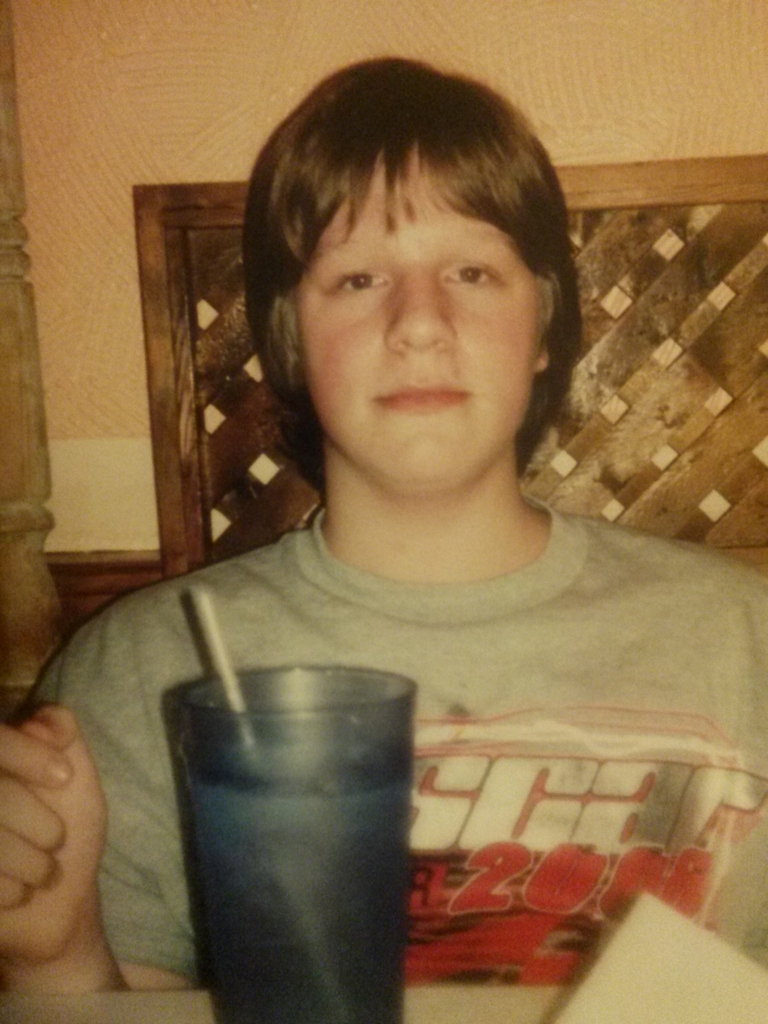
Age 15.
He came out as gay at age 17, and since then has become a happy and well liked young man with many interests and talents who is making good choices in life. (He also chose to live hundreds of miles away from the family but I can’t say I blame him for that). While it’s sad he lives so far away, I’m happy that he’s happy now and that after everything he went through, he may be the most mentally stable member of the immediate family. He is the only one of us who doesn’t appear to have a personality disorder.
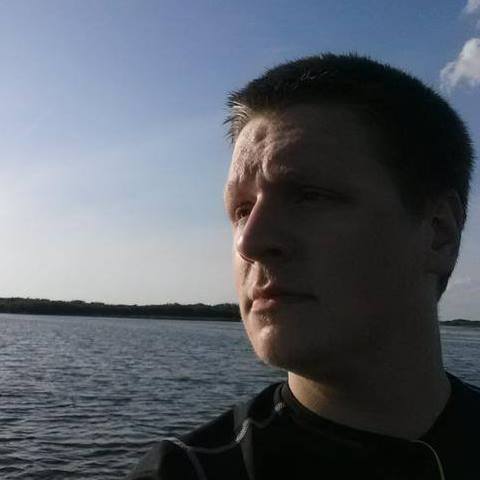
Today at age 23, living on the Gulf Coast of Florida.
Not all children who were turned on and scapegoated by a malignant narcissist parent were so lucky. Many were psychologically destroyed or even killed. Ethan was one of the lucky ones.
See also:
My Son Didn’t Escape Unscathed: https://luckyottershaven.com/2015/05/11/my-son-didnt-escape-unscathed/
My MN Ex’s Weird Attitude to His Son: https://luckyottershaven.com/2015/02/24/my-mn-exs-weird-attitude-to-his-son/
Tears of beauty.
Most people associate crying and tears with sadness or grief. Yes, it’s true that you see tears when people are upset, grieving or sad, but it’s not really due to the sadness itself. Crying has nothing to do with the negativity or positivity of an emotion; instead they indicate the strength of an emotion. Crying occurs whenever a person is overwhelmed by any powerful emotion, be it sadness or elation. In western society, tears are seen as shameful and “weak.” Why is that?
Most pregnant women report they become more emotional during pregnancy and shed tears at the drop of a hat. This hyper-emotionality continues during lactation, when a new mother is bonding with her infant. I believe the marination of a pregnant or lactating woman’s brain in a bath of female hormones accounts for this, and is nature’s way of ensuring a strong mother-child bond. It happened to me when I was pregnant and after giving birth, and I’m not much of a cryer under normal circumstances.
I’ve mentioned my friend Shannon before, who is one of the most mentally healthy people I’ve ever met. She is also one of the most loving and joyful. But she cries all the time, because she has a huge heart and feels everything from empathy to joy so deeply. Shannon is as strong a person as I’ve ever seen, not a weak bone in her body. (She also laughs a lot).
I think tears are regarded as weak because we instinctively know they lead to and indicate strong heart connections between human beings, and emotional connectedness with others and our need for communion with other people is becoming increasingly thought of as a weakness, even for women.
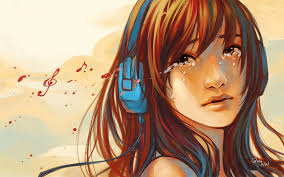
Here are some photos and gifs I found on Google that show how beautiful genuine emotional tears (not the narcissistic, manipulative kind!) can be.



Manly tears.

More manly tears.
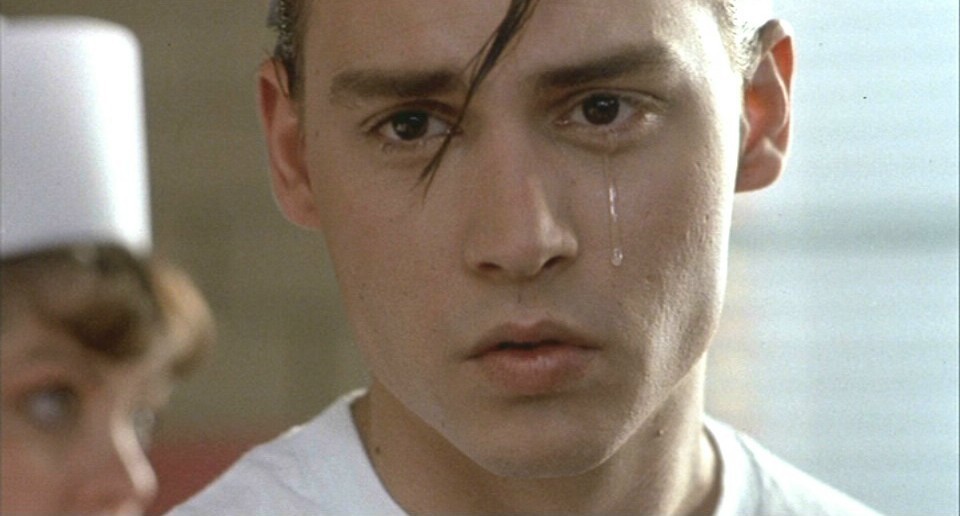
Johnny Depp in “Crybaby”
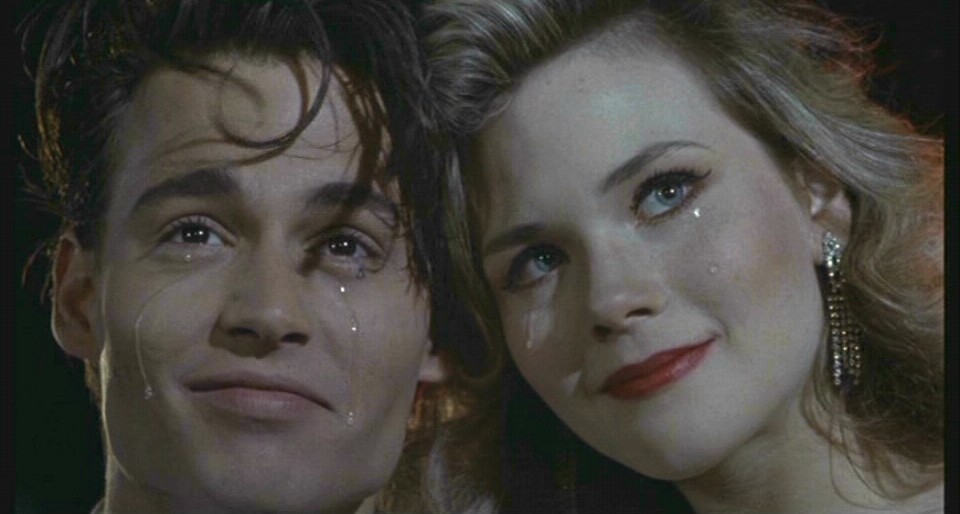
From the movie “Crybaby” starring Johnny Depp.


And of course, there is this famous video:
“The Sensitive Gene: Why Some People Are Born To Feel Emotions Harder”
The Sensitive Gene: Why Some People Are Born to Feel Emotions Harder
By Alexia LaFata for Elite Daily: http://elitedaily.com
Scientists have long debated what exactly makes us who we are. Are our qualities more influenced by our social environment, or are we naturally inclined to be a certain way? Or — to complicate things even further — does our environment affect the way these natural tendencies display themselves?
Well, when it comes to the reasons why we do the things we do, the most complicated answer is usually the correct one.
In recent decades, the government has spent billions of dollars on gene research with the goal of trying to explain how the genes we were born with express themselves in our everyday lives.
Psychologists are optimistic — though cautiously — these advancements in gene research will help us understand ourselves better.
We haven’t even scratched the surface of the full potential of genetic research, but what we have seen so far looks promising.
One human quality that genetics has attempted to help explain is sensitivity. People who are highly sensitive tend to respond more emotionally to their environments.
They are more inclined to cry during sad movies, jump to use social media to share something that moved them and feel heightened levels of sympathy for poor people and their friends who just got dumped.
Most notably, they are also more inclined to have a negative attention bias, which means they focus more on the negative things in their environment than the positive things.
This bias causes sensitive people great anxiety, especially if the environment they’re responding to is new.
Where do these traits come from? Why are some people more likely than others to respond more powerfully to their environment? In other words, why are some people so damn sensitive?
If this sounds like you, fear not: It turns out the answers to those questions do, indeed, have something to do with the way you were born.
Researchers from the University of California, Monmouth University and the Albert Einstein College of Medicine found that being sensitive is an innate trait that’s identifiable by physiological reactions, patterns of brain behavior and genes.
In their study, 18 participants viewed photos of either frowning or smiling faces. The researchers then scanned the participants’ brain activity while they looked at the photos to assess how emotional their responses were.
They found that people, who were considered to have sensory processing sensitivity (SPS) had greater blood flow to areas of the brain involved with emotion, awareness and empathy — indicating physical evidence of the presence of the sensitivity trait. This occurred regardless of whether they were looking at the sad or happy photo.
Another 2012 study examined biological proof of sensitivity even further. In the study, researchers Rachael Grazioplene, Colin DeYoung, Fred Rogosch and Dante Cicchetti studied the cholinergic system, a system in our bodies that determines how we respond to new environments and how sensitive we are to stimuli.
The cholinergic system becomes activated when we experience “expected uncertainty,” which happens when we’re placed in situations where we predict we will learn something new.
For example, when you were a freshman in college, you probably knew you’d be confronted with new experiences.
You experienced those feelings of “expected uncertainty” — of not knowing who your friends would be, what you wanted to major in, what clubs you wanted to join, how you would handle living away from home and so on.
Some of your peers might have perceived those new experiences as anxiety-inducing, meaning they would have proceeded with caution. Others might have seen them as intriguing, causing them to have been more inclined to explore.

The way both of these groups of people responded to those new environments was influenced by genetic variants in their cholinergic systems.
In her study, Grazioplene and her colleagues studied variations in the CHRNA4 gene, a key cholinergic receptor and determinant of whether you see the aforementioned kinds of “expected uncertainty” as threatening or exciting.
It wouldn’t be enough to say this genetic variant was the sole determinant, though, so the study also examined how, in conjunction with the variation in the CHRNA4 gene, an individual’s upbringing and social environment affected how he or she perceived uncertainty.
To study the functions of this variation, the researchers set up a week-long camp for 614 children, ages 8 through 13, all of whom came from the same socioeconomic background, but had different upbringings: Half of the children had an upbringing in which they had been maltreated with neglect or emotional, sexual or physical abuse, and the other half had an upbringing in which they had not been maltreated.
The children with the genetic variation who grew up in an abusive environment were more likely to perceive the new camp environment as threatening, and the children with the same genetic variation who had grown up in a normal environment were more likely to perceive the new environment as intriguing. Even more interestingly, these results were true regardless of age, sex or race.
Now, what does this mean? It means that, yes, there is certainly a genetic variant that makes you more inclined to be anxious or curious in new environments, but your upbringing and social environment play a role in determining which one of those two it will be.
And while this specific genetic variant is rare — only one percent of the population actually have it — it gives valuable insight into the way psychologists and scientists study behavioral patterns in relation to both genetics and environment.
So, if you’ve sobbed during “The Notebook,” impulsively shared a video on Facebook of a kitten rolling around in a patch of grass that made you tear up or found yourself crying with your best friend when her boyfriend dumped her, take comfort in the fact that you were probably born this way — feels and all.
Alexia LaFata is a Writer covering culture and lifestyle for Elite Daily. She’s a proud New Jersey native and soon-to-be Boston College graduate, and her work is featured on Thought Catalog and VentureBeat. Stalk her at alexialafata.com.

Who’s “too sensitive”?
“You’re too sensitive!”
This seems to be a phrase many ACONs have heard their entire lives. And yes, many of us are more sensitive than the average person, which is why we were targeted, scapegoated, and bullied in the first place.
Narcissists know being sensitive means we can see the truth about things, that we can see through bullshit and lies. They don’t like that because it exposes them for what they really are, so they turn a quality that gives us intuition and insight into something that makes us seem weak and defenseless.
If our parents were narcissists, we were trained to be ashamed of this quality and turn it against ourselves, rather than learn to refine it and develop it into the powerful gift it really is. Society doesn’t help much with that either. Sensitivity is generally thought of as a weakness rather than a strength. It’s not something you would want to admit on a job interview when the interviewer asks you what your “worst quality” is. I actually did that once, and was shown the door. They want to hear “I’m too impatient” or “I’m too greedy,” or “I obsess too much about power and control,” not “I’m too sensitive.”

I think narcissists also like to pull out the “you’re too sensitive” card because they’re projecting what they see as a fault in themselves onto us. They’re good at that. Narcissists are incredibly hyper-sensitive–but only about themselves; no one else ever benefits from their hypersensitivity.
It’s my opinion that narcissists, before they adopted narcissism as a defense mechanism, started out life as extremely sensitive children and in some cases even had the potential to be empaths. Abuse and neglect turned them into narcissists. Narcissism is an elaborate defense mechanism that obscures, buries and eventually can nearly destroy the sensitive true self. It almost would take an act of God for a narcissist to ever shed their swagger and their “I’m a big mean unfeeling badass” mask and let their sensitive true self come to light. Most of them couldn’t do it even if they wanted to.
But narcissists can’t hide from themselves–not completely. Most of them have exquisitely tender feelings and are easily hurt. It’s very easy to insult a narcissist. They have no sense of humor about themselves and are unable to take a joke at their own expense. They are big crybabies who will whine, sulk and complain loudly should you hurt their feelings (and it’s almost impossible not to). Most will show their hurt as rage–because raging makes them seem big and tough, something they really aren’t but wish they were. Or they will retaliate by ignoring you, abandoning you, cutting you off, or giving you the silent treatment–because those things make it look as if they don’t care. You’d be wrong though. They care alright, and when you have caused them narcissistic injury they are off licking their wounds in silence where you can’t see. Or loudly complaining to others about how
mean and narcissistic YOU are.

They call us too sensitive because they’re unable to own their own hypersensitivity. They turn it into a bad thing because they know they have lost that part of their sensitivity that would have made them able to feel for others and empathize. They’re crippled people. They can’t ever feel sorry for someone else–but as far as self-pity goes, no one can beat them at that.
The real reason highly sensitive people get bullied.

I had an “Aha” moment today.
The reason highly sensitive people get bullied so often isn’t because of our sensitivity. It’s because of the dismally low self esteem that tends to go along with being that sensitive, especially if we were victimized by malignant narcissists and bullies when young.
Narcissists envy and fear high sensitivity.

Narcissists hate high sensitivity in others for two reasons: 1. They envy it because it’s something they can’t have or may have lost as children and it’s a sign of an authentic person, which is something they aren’t but wish they were; and 2. they fear it, because they know this quality makes it possible for to zero in on the emptiness hiding under the narcissist’s guise.
Their hatred and fear is expressed through love bombing followed by bullying and other forms of abuse meant to weaken the HSP. An HSP’s fragile ego can be destroyed or greatly diminished after years of bullying and abuse.
Sharon: an HSP who carried a can of Narc Repellent.
I was thinking about a woman I used to know named Sharon. She was an empathic young woman who felt everything so deeply–but mostly joy and love. She’s exquisitely sensitive but is also self confident (she was raised by very loving parents). She is comfortable enough with herself to show her vulnerability openly, allowing herself the liberty to feel all her emotions as well as share the emotions of her friends.
You might think Sharon is a magnet for bullies, but she’s not. She makes friends easily because she has such a loving and positive presence and and people feel like she cares about them, and she likes herself too (without being at all narcissistic). They are right.
Narcissists avoid Sharon like the plague. Why? They would probably love to get their hooks into her if they could, but Sharon’s confidence in herself and easygoing comfort around all kinds of people scares them right off. While still being emotionally vulnerable, Sharon is invulnerable to narcissists because they sense her strength. She’s indestructible and they know it. As a result Sharon is never victimized and tends to attract other loving people as her friends, people who just want to be around her because she’s a lot of fun but can also cry with you if that’s what you need.
If you’re a highly sensitive adult whose self esteem has been destroyed by narcissistic abuse or a sensitive kid who has become insecure and fearful because of bullying, your high sensitivity will be expressed very differently than someone like Sharon.
Sensitive children do get tested by school bullies, and it’s harder to not let that damage your self image when you’re so young, especially if your parents are also bullies and have already done a number on your self esteem. But for an adult, most people will admire emotional openness and vulnerability or at least respect it–as long as they also know you respect and love yourself. People can sense when you’re comfortable in your own skin and narcs will stay far away, because they’re only attracted to codependent types who are unsure of themselves or their place in the world.
Being highly sensitive: a curse or a blessing?

A sensitive person who hates herself will tend to act in ways that attract mean people and bullies to them. They are unsure of themselves, fearful, easily depressed or discouraged, easily hurt, easily frustrated, paranoid, hypervigilant, and insecure. They are afraid of everything, and like ravenous wolves, narcissists can smell their fear. They see this–not the underlying sensitivity–as weakness, and they will horn in on such a person for narcissistic supply or bullying because they’re an easy mark who will be too afraid to call them out on their abuse.
Things are very different for a sensitive person with high self esteem. Such a person will be appreciative, insightful, observant, compassionate, forgiving (but not stupidly forgiving), affectionate, creative, a good listener, empathetic, and with a well developed (but never mean or sarcastic) sense of humor. They are not fearful and they know their place in the world. They have a clear sense of their own boundaries (and those of others) and know how to enforce them if they think they’re being violated. They attract people like themselves as friends and lovers and these relationships tend to be self-reinforcing for both parties.
Narcissists know a strong HSP is powerful and dangerous to them.

Malignant narcissists stay away from self-confident HSPs, because they know they’re much stronger than they are. They know they’re dealing with an authentic person who is happy with themselves and with life, while they are anything but. They know a confident HSP (not the same thing as narcissism) has a laser-like ability to see through their mask without fear and won’t hesitate to call them out when it’s necessary. To a malignant narcissist, a self-confident HSP is a very dangerous and powerful person. That’s why they work so hard to destroy our self confidence and make us hate and doubt ourselves. If we’re crippled by abuse, they can still get what they need from us (supply), without running the risk of having any damage done to them.
As my confidence has grown over these past two years, I’m noticing a transformation of my lifelong high sensitivity from something that made me feel weak and helpless for most of my life into something that makes me feel strong and authentic. I know now that this “curse” and “weakness” I was born with is really a blessing and a strength. I just needed to develop enough confidence to be able to use it effectively.
Learning to love your high sensitivity.
Here’ a few things I have learned.
1. If you have a talent or skill in one of the arts, use it to express what you’re really feeling. Painting, singing, dancing, writing, poetry–can all be ways we can release our deepest emotions in a “safe” way that’s socially acceptable. Don’t hold anything back when creating art, performing or writing. Allow yourself to be vulnerable even if it feels weird and awkward at first.
2. If you don’t have an artistic talent, take up a hobby that speaks to you or get involved in a sport such as running or take a martial arts class, which can build confidence. Activities that center you and build both inner and outer strength, such as yoga, can be helpful too.
3. Always be 100% honest about your emotions. If you’re very shy or fearful, write down your thoughts and feelings in a private journal. Don’t worry about the quality of writing–that’s all just gravy. The main point is to get your feelings down on paper. Seeing your thoughts on paper (or a computer screen) will give you clarity. If you choose to blog publicly instead, you will gain confidence from expressing your most private feelings to the whole world and from the feedback from others you will get. It can be very scary to publicly post something you wouldn’t tell your next door neighbor (as I have now twice this week!), but believe me, it’s worth it. You’ll be amazed at how much doing such a thing will increase your confidence and sense of inner strength. At first you’ll feel like you’re running around naked in public, but you’ll be amazed by the sense of freedom and liberation running around naked can give you! 🙂
4. Every day, try to do one nice thing for someone other than yourself. If you’re really ambitious, you can try volunteer work to help the poor, homeless, children, animals, or anyone more vulnerable or less fortunate than yourself. In doing so, you will feel like you have a purpose, and that you can help others. Knowing you have made someone happier will raise your self esteem.
5. Listen to music whenever you can. It’s second only to writing and blogging in my healing journey.
6. Surround yourself with positive people (not the same thing as positive-thinking nazis, who are often narcissists themselves) but authentic, happy people who accept you for who you are and don’t judge you.
7. Get narcissists away from you. No Contact is best, but is not always possible. If you can’t separate from your narcissist, read as much about their disorder as you can, and read about PTSD and complex PTSD and the devastating effects these character disordered people can have on the rest of us. Read books about highly sensitive people. Elaine Aron’s The Highly Sensitive Person is probably the best known (and an excellent book) but there are other books about HSPs too. Write down your feelings in a journal your narcissist cannot access.
8. Try prayer. It does work.
This is the post that scared me so much I almost deleted it.
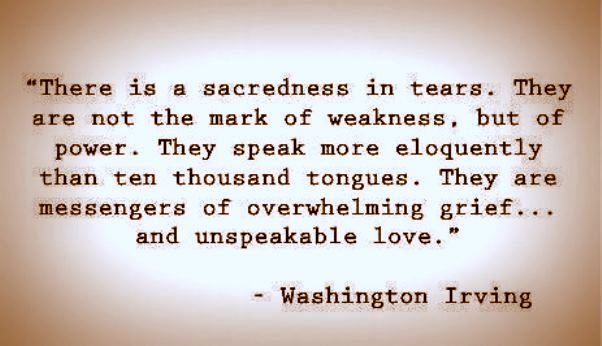
I have never been so scared to publish a post until this one. I had this set to Private for several days and drove myself crazy trying to decide if I ought to post it. It’s about some of my most vulnerable moments and posting about those is incredibly scary for a person who usually has their guard up. But I longed to post it. Something inside was telling me I needed to and I wouldn’t regret it. I also felt this post was my best written one ever because while writing it I allowed my emotions to flow unimpeded. What to do?
I even wrote a short post asking people if I should post something that made me feel so naked and vulnerable. Ultimately, the decision to make this post public was mine, but the consensus seemed to be that I should.
I read this post over again earlier today from the imaginary perspective of a random reader who just happened on the article and had never seen this blog before. I realized that as this “someone else” it would be something I’d want to read.
So here it is, guys. The post that made me feel like I was going to pass out cold when I pressed “Make Post Public.”
Milk and Open Hearts: Embracing the “Feminine” Emotions
I’ve been doing a lot of thinking about vulnerability lately. I’m reaching a point in my healing journey where I can start to allow myself to become more open to my emotions and to sharing the feelings of others. It wasn’t my intention to write another post about crying so soon after my last, but I think my interest is due to something that’s happening inside…
For years I couldn’t cry, but wanted to. I was so numb from all the abuse that I had dissociated myself from my feelings. I felt like I was dead and in hell. Recently I’m finding a lump in my throat or tears starting to well much more frequently–usually because I’ve been touched by something or someone in some way, and it’s usually a pretty simple thing. I realize this is a sign that the long term dissociation within my mind is coming to an end because I’ve gained more courage to embrace my feelings instead of pushing them away or denying their existence.
I remember even during the darkest days of abuse by my psychopaths and narcs, when I walked around like an emotional zombie due to all the abuse I endured, there were rare moments of clarity when truth and beauty shone through the murk of depression and PTSD.
During my pregnancies with both my children (I was pregnant three other times–one abortion which I am writing about next–the child would have been a boy born in 1999–and two miscarriages), my brain’s marination in a continuous bath of pregnancy hormones made me very emotional. Not depressed-emotional–in fact, I was happier than I’d ever been. Things just touched me or made me feel some kind of ineffable euphoria or inexplicable sadness and suddenly there would be tears.
I think the increased emotionality experienced by pregnant and lactating women is the result of nature’s opening our hearts to connect deeply and lovingly with our children from the moment we know we are pregnant. The torrents of female hormones–mostly estrogen and progesterone–help wire our brains to to allow the limbic (emotional) system to run things for awhile. The heightened ability to feel is a gift that helps our species survive because under the right circumstances, emotional openness transforms into unconditional love and empathy.
The hormonal bath continued for some weeks after the births of both my children and I remember getting particularly emotional one dark and cold night as I held my firstborn against milk-swollen breasts, with Barber’s “Adagio for Strings” playing on the stereo. I watched as my son rooted for the nourishment he sought and found it. Latched on tightly, dark pink lips pursed in determination and a primitive and preternatural hunger, my baby son began to nurse. As I felt the milk come down, I was overwhelmed with tenderness and love for this completely helpless creature who so recently had lived inside my body and taken nourishment from my blood, and whose wastes were eliminated with my own, and suddenly my face was awash in tears.
I watched as if through antique swirled-glass windows as my tears soaked my tiny boy’s thistledown-fine hair and ran across a petal-soft pink cheek busily working my milk glands. There was a melancholy underpinning to my overwhelming elation and I allowed myself to feel that sadness too–and realized that melancholy welled up from an awareness of how fragile my tiny son was, how fragile we all are–at any age; and how easily a trusting, childlike soul can be stamped out by hurt, abandonment and abuse. I wanted to protect this child from any harm that might ever come his way. I didn’t realize then my son’s own father would set out to destroy his spirit. Thank God he did not succeed.
At the moment the first drop of salt water touched my baby, opaque dark blue eyes fluttered open and gazed at me, seeming to understand my feelings. Sighing a delicate baby sigh, this tiny human being I had created through my love for a man and sustained and nurtured by my blooming, hormone-soaked body, nestled in closer and suckled harder until swept away in blissful sleep. I marveled at the knowledge this tiny boy would one day be a man, taller and probably physically stronger than me, and that I would play a huge part in his journey to manhood. It scared me to pieces but I felt willing and ready to take on the challenge–because of love, the greatest power we have as humans.

This wondrous connection–this moment of almost painful sweetness–was so honest and magical I almost dared not breathe. The tears poured down. I didn’t wipe the wetness from my face for that would have disrupted the beautiful connection I felt with my child.
It’s during these moments our hearts are open and we allow ourselves to become vulnerable, that we are fully engaged and connected with life and open to the bliss and pain of pure unconditional love. That kind of love is expressed in tears (often combined with laughter or smiles) because there are no words that could ever express the depth of this sublime emotion–an emotion of such beauty, rarity and truth it nearly hurts.
Tears are the mark of our common humanity and connect us with each other. We are pushed into the world crying, and are (hopefully) cried for when we leave it. Crying marks the most important milestones of our lives, whether they are happy or sad. There are always tears at graduations, pregnancy and wedding announcements, falling in and out of love, weddings, births, baptisms, death and funerals. There are tears wherever there is honesty, intimacy and love.
The happiest people in the world are often people who cry a lot. Their hearts are open, so everything and everyone touches them. They’re not afraid to connect and to empathize. Their love sometimes overflows the confines of their physical composure, and so they cry. I used to know a beautiful young woman who said she cried five or more times a day–just because she was so happy all the time. She wasn’t annoying happy. Honest joy never is annoying. She moved through life regally and with dignity and compassion, appreciating everything and loving everything and being touched by everything, and everyone loved her right back because they knew she was an empath. People wanted to be close to her, they wanted to be touched by her, both emotionally and physically. Her large expressive eyes were almost always wet with tears. At first it seemed a little strange, but soon we got so used to seeing her that way it just seemed normal after awhile. And it WAS normal, more normal than anything could ever be.
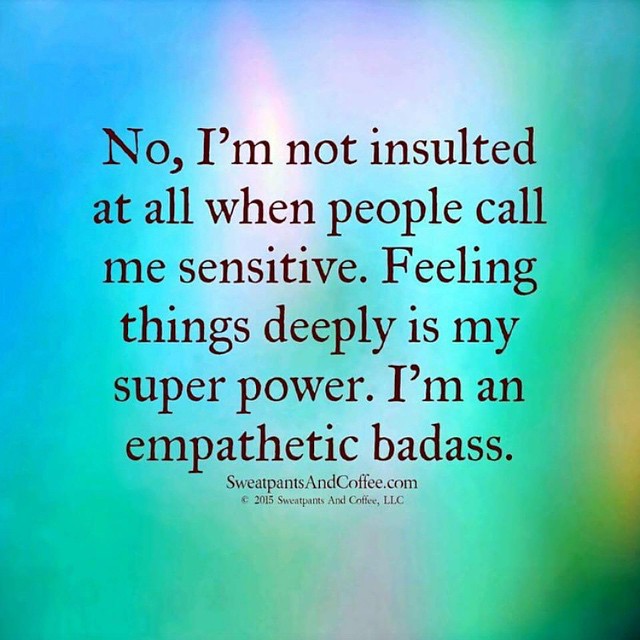
I was so envious of that girl for her emotional openness. But she showed me a great truth about myself. I could be that girl because that was me. I just needed to find a way to knock down my thick concrete walls of fear. It’s getting easier. I still have a lot of emotional blockage, but I no longer feel like one of the walking dead.
In the Stephen King movie “The Green Mile,” John Coffey is an autistic man who nevertheless is an empath. He’s been unjustly sentenced to Death Row for the murder of two little girls because he was the last one seen with them (and probably due to his being black as well). You sense Coffey never killed those girls and in fact you realize how empathic this man really is. He has no defenses against the world due to his inability to hide his emotions (some autistic people have trouble regulating their emotions), and at the same time this very defenselessness gives him unbelievable strength and goodness. Coffey cried almost constantly, feeling the emotions of everyone around him and freely giving unconditional love where none existed.
A couple of years ago, there was a very popular video that went viral. It featured a 10-month old baby girl apparently crying from empathy as she listened to her mother sing. I’m not usually a fan of “cute baby” videos but watching this baby was fascinating because she cried like an adult would have–and the purity of her emotion was an achingly beautiful thing to see.
We are born withour hearts unguarded. When life begins to hurt too much (and it always does), children eventually learn to guard their hearts or in the worst cases (NPD, ASPD and some other mental disorders), dissociate themselves from their true feelings so thoroughly there is no turning back to the emotionally open state we were born with.
It’s a sad state of affairs that all the tender (“feminine”) emotions such as sadness, deep connection or friendship, love in all its forms, joy of the non-shallow type, feeling touched or moved, gratitude, and empathy– have been so devalued in modern society and are often seen as proof of weakness in a person when in fact they show a person who has the strength and courage to leave their hearts unguarded when it matters the most.
It’s interesting that all these softer emotions indicate goodness and purity of heart. They possess enormous potential to eliminate or reduce darkness and evil because they are emotions of healing, love, and our human connection with the Divine.
In a perfect world where all human beings had open, unguarded hearts, an alien from another planet upon first meeting a typical human would see smiles and laughter graced by tears. If the alien were to question what these signals meant, the answer would be “Love.”
The angels in Heaven would tell you the same.
Nobody knew who I was.
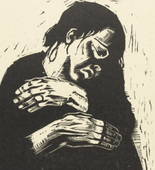
Woodcut by Käthe Kollwitz, 1867-1945
I used to be a nobody.
Or, as my malignant narcissist mother would have put it, “a nothing.”
Before I started this blog, years of psychological abuse had sealed my lips and closed my eyes to what I could be. I rarely spoke to the people around me, and when I did, I revealed nothing because I was too afraid and was convinced I was a boring person who lived an equally boring life. I never ever revealed anything about my emotional life to people outside my immediate family, and even with them, I was reticent.
I’ve always found it difficult to make friends offline, due to my Aspergers and my avoidant personality, as well as my fear of revealing too much. I still almost never talk about my feelings offline. When I was a child I revealed way too much. I was highly sensitive and vulnerable but didn’t know how to handle it. That kind of openness got me bullied and as a result, I learned it was best to say nothing at all. I didn’t realize my high sensitivity was in reality a wonderful gift.
I shut and locked all my psychological doors. After a while, I couldn’t remember how to unlock them. For me, writing was the key, but I assumed the lock was broken and the key would not work.
For most of my adulthood, although I managed to marry and have a family (with a narcissistic bully who was all wrong for me or for anyone) I had practically no social life outside of that and hardly ever engaged in any interesting activities. I gave up easily. I never completed anything I started due to my dismally low self esteem that told me I was sure to fail. I gave up writing and art and all the things I had loved when I was younger. I feared being boring but boring is exactly what I became. I was just too afraid of everything to be anything else.

I believed my purpose in this life was to be an example to others of how not to be. Hell, even my own mother called me a loser and a failure, and if your own mother has no faith in you, how can you believe in yourself? Mother knows best, right?
Wrong.
I thought about writing a blog, but didn’t because I feared I would have nothing to say that would interest anyone. I also thought it would be too hard and I would give up in frustration, like I had given up on so many other things when they became too difficult. My irrational fear of failure crippled me.
Even if I could think of something to write about, I was afraid people would hate my words and ideas. Ideas? I didn’t think I had any anyway. In my own mind I was the most boring person in the world. I felt like a walking zombie, marking time until death.
I was so wrong. So very wrong. I’m free to reveal the self on this blog that was in hiding for decades and many times was hidden even from myself. I’m finding it’s safe to be open and vulnerable, at least online. And I’m finding there is so much joy to be had if you just open your eyes and your heart and let yourself feel life. It really wasn’t that hard to do, once my psychopathic sperm donor was out of the way.
I never thought I could help anyone, least of all myself. I felt impotent and helpless in the world, someone born to be a victim, a source of narcissistic supply to others, because that was how I was trained. I didn’t realize that I wasn’t really stupid, uncreative and boring. I wasn’t a loser and I only failed because I was too afraid to try anything and would give up easily the few times I did try. I didn’t realize it was my PTSD and depression that turned me into a walking zombie. Mental illness is a powerful dark beast and can engulf and eclipse your true spirit.
My creativity is blossoming. I always had ideas, but now they’ve revealed themselves as I’ve let go of my debilitating fear and self hatred. Sometimes I feel like I have too many ideas and can’t write them down fast enough.
Although my external circumstances haven’t changed very much (outside the narc being gone), I have hope now. I feel like a real person again, an interesting person who can even be a friend to others. I’m even starting to like myself, and think I’m a pretty interesting person. I’m even becoming proud of my high sensitivity I used to be so ashamed of. In its highest form, high sensitivity can reveal empathic ability.
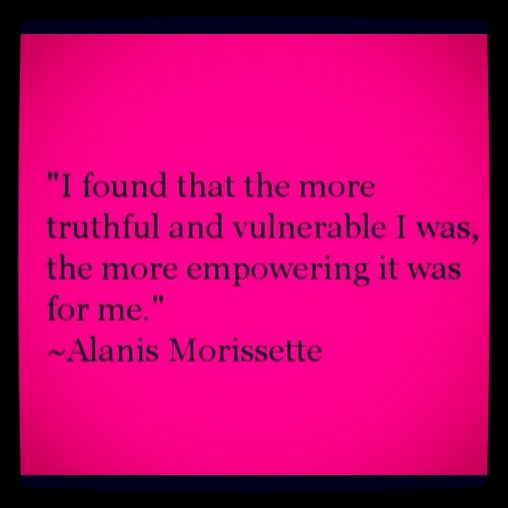
I truly believe that once I got the narc out of my life, that God stepped in and took things over. He has shown me who I really am and what my purpose is in this world, and it’s not to be an example to others of how not to be. A plan for my life is taking shape and every day it amazes me. There’s so much to be amazed by. He is teaching me how to use the gift of writing that I had been wasting for so long on bullshit or not using at all.
Becoming vulnerable again through my writing is a beautiful thing. If you like yourself, you can handle the bullies, but chances are there will be fewer than you think, and most people will admire your willingness to be open and can relate to that. Your voice will be heard by those who are really listening. It can penetrate the darkness in other people’s lives.
Being vulnerable is about being honest. It’s embracing the truth rather than believing the lies.
Becoming vulnerable takes courage. Rather than being a trait of a weak person, it really takes a strong person to be willing to feel life in its kaleidoscope of colors. Before, I only saw in shades of gray.
I used to believe there was nothing left to look forward to. Now I know there is still so much ahead of me.
Nobody knew who I was. I wouldn’t let them in. Now the door is wide open. Come on in.
 Lucky Otters Haven