Explosions of bright orange like mini-fireworks along the side of every road!
Click on the photos for closer detail.
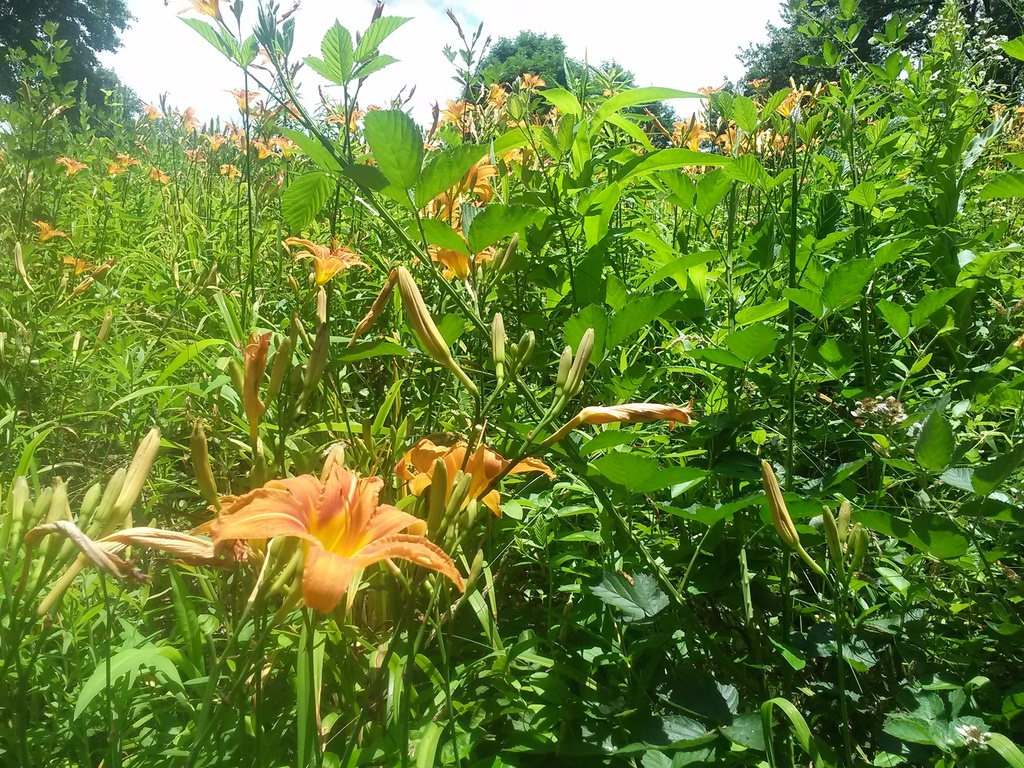
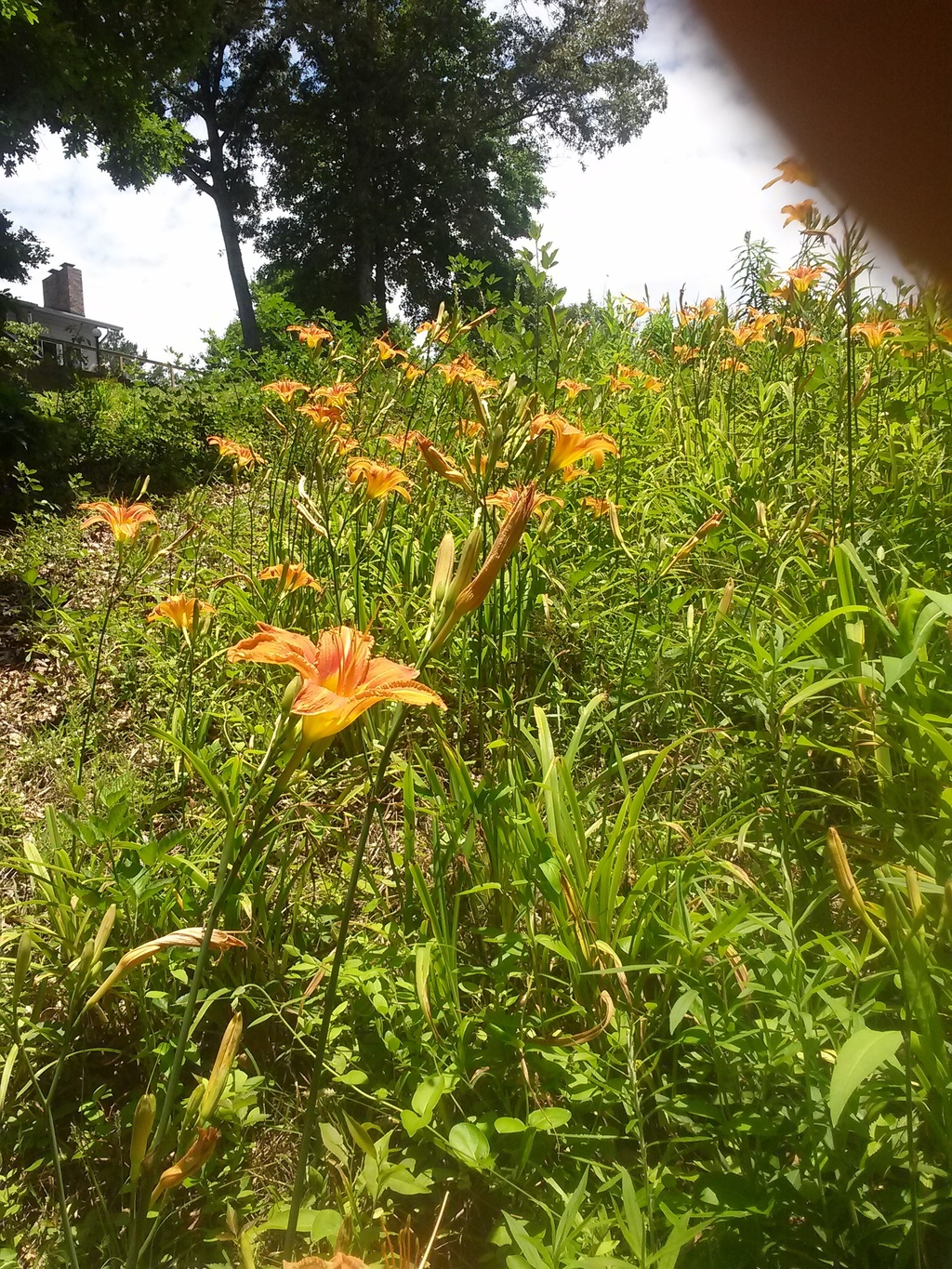


Explosions of bright orange like mini-fireworks along the side of every road!
Click on the photos for closer detail.

The concept of malignant narcissism and HSP traits coexisting in the same person is a matter that has very little research behind it (I could find nothing at all on Google), so this article is based on my own opinions, gleaned through a combination of my readings and personal observations of the narcissists I have known. My opinion may come as a surprise.
In my article A Match Made in Hell: Narcissists and HSPs, I wrote about the tendency for narcissists and HSPs to form trauma-bonds with each other–that’s really just a fancy way of saying these two seemingly opposite types of people are often drawn to each other and become codependent on each other. The narcissist is both attracted to and repelled by the HSP’s vulnerability and high empathy. They both envy and loathe it; part of this loathing is due to the narcissist’s realization that they NEED the high empathy of the HSP because it’s good narcissistic supply and makes them feel validated. It’s also a quality that on some level (perhaps unconscious) they know they jettisoned a long time ago, and that knowledge causes them to envy and hate the HSP at the same time they depend on them. Because they hate their own vulnerability and hide it from the world (and see dependence as vulnerability) that’s another reason why they may abuse the very person who gives them a reason to exist.
The narcissist feeds off the HSP like a vampire feeds on blood. This can be an extremely unhealthy, even deadly, relationship for the HSP, who will eventually either leave the narcissist or be destroyed. But the HSP gets something out of the relationship too–the belief that through their love, they are saving the narcissist from him or herself. They often believe they can “fix” the narcissist through their empathic love and transform them into feeling human beings capable of returning what they have been given. Of course, this belief is almost guaranteed to end in disappointment (if the HSP is lucky), and possibly much worse.
The great irony here is that I think most narcissists are, way deep down, HSPs. No, you didn’t read that wrong.
But how can that be? Narcissists are incapable of empathy, have problems feeling and expressing deep emotions, and are incapable of loving anyone but themselves. Isn’t that the opposite of being an HSP?
Well, yes and no. The explanation is complicated, so I hope you stay with me here.
As I’ve explained before, I think most narcissists began life as highly sensitive people who at an early age suffered psychological trauma due to abuse. This caused them to shut off their too-vulnerable true (authentic) selves from the world and in its place construct an elaborate defense mechanism–the false self–initially meant to protect the vulnerable true self from further harm, which has no defenses at all. Even HSPs who are not narcissists have some protective psychological armor, so they did not need to construct a false self to take the place of the true one. Healthy HSPs are truly authentic people who feel deeply and are emotionally honest with themselves and others. Narcissists were born with no emotional defenses at all; the false self replaces the true one and appears invulnerable. But this is only an illusion, because the mask is only an illusion. When you face a narcissist, you will never know who that person really is because all they will show you is the protective mask they have created. They are so terrified of further hurt that they will attack with vicious ferocity if they think you pose any threat to its flimsy underpinnings. It must be a terrifying way to live.
The high sensitivity of a narcissist is retained in the way they react to personal insults or slights. They are huge babies who overreact when they feel like they are being attacked, ignored, or they perceive their source of narcissistic supply may be in danger. They are paranoid, touchy, and utterly lacking a sense of humor, especially about themselves. They may try to appear as if they don’t care, usually through the “silent treatment” or sneaky attacks such as triangulating against or gaslighting the person they perceive as a threat, but if you know narcissism, it’s usually not too hard to see the emotional fragility behind their acts of false bravado. However, when it comes to other people, they can seem incredibly insensitive. Here’s the rub: for malignant narcissists, this isn’t really the case at all. Stay with me here.
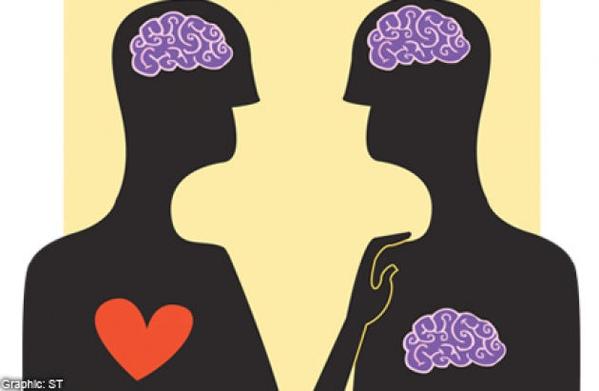
Warm and cold empathy.
In my research about NPD, there has been a lot of discussion about a concept called “cold” empathy. For those of you who don’t know what this is, I will explain. Most of us associate narcissism with a lack of empathy, but this isn’t exactly the case. Most narcissists–especially malignant ones–do have empathy, but it’s not emotional or affective empathy; it’s cognitive or “cold” empathy. What this means is that a narcissist KNOWS what you are feeling very well, and may use what they know you are feeling against you. Cold empathy is “felt” on the cognitive (thinking) level, but not as an emotion, and that is why the narcissist can feel no compunctions about turning your feelings against you in order to hurt you.
An extreme example of this would be the sadistic, psychopathic rapist. The rapist “smells” your fear and uses that against you to become even more sadistic. It *is* empathy, but it’s “cold”–the rapist understands exactly what you are feeling and your fear makes him feel powerful, so he increases the level of torment. He feeds off your fear like a vulture feeds on carrion. You don’t need to tell him you’re afraid; he KNOWS.
Cold empathy is the twisted narcissistic mirror image of warm empathy, which non-pathological people are capable of feeling on an emotional, not just a cognitive level. HSPs have more warm empathy than anyone. Here’s where things get complicated. If a narcissist is also an HSP, their high sensitivity can morph into a quality that seems almost supernatural and is utterly chilling–a cold, sadistic form of “empathy” where they seem to be able to see into your mind. A non-sensitive person would not be able to detect your emotions without you telling them how you feel, and therefore not have that creepy, unsettling way of “seeing into your soul” that the malignant narcissist does. The higher the sensitivity a narcissist has, the more malignant they will be.

Malignant narcissism is high on the HSP spectrum.
Credit: http://dondepresso.rujic.net/post/116940034025/manic-chart-narcautism-spectrum
This idea was actually illustrated in the humorous-but-true graph I posted the other day (shown above), where initially I wondered why “malignant narcissism” was showing so high in HSP traits. But actually it makes perfect sense. A HSP who adopts narcissism as a way to cope with the world will become malignant or even psychopathic. A non-HSP may still become a narcissist, but they lack enough “cold empathy” to become malignant.
In summary, HSPs can be the most kind and caring people you can ever hope to meet–or the most dangerous. A narcissistic HSP is a malicious, deadly beast who is best avoided.
They are two sides of the same coin. No wonder they are so often drawn to each other. The tragedy is that a malignant narcissist can infect a previously healthy HSP with their evil but it doesn’t work the other way around: a non-narcissistic HSP cannot change a malignant narcissist into a good person.
A friend of mine sent me this video, and it’s exactly what I needed to hear today. I found myself tearing up as I listened to Dr. Brown speak, because she speaks the truth.
“At the core of vulnerability is shame, but vulnerability is also the birthplace of joy, peace and creativity.” (paraphrased).
If everyone did what this video says we should do, the whole world would change.
Have you ever been hit by an intense blast of nostalgia that almost knocks the wind out of you?
On the radio today I heard this Europop song for the first time since late 1983/early 1984 and was overcome by that sweet sadness that comes from realizing just how many years have elapsed. I was very young then; now I’m bordering on old. Wiser and more stable but more cautious and world-weary. I had no children; now I have adult children. I worried less, acted out more. I’m happier today than I was then, or at least more content. But I can’t help wishing I could go back sometimes, if only to do everything over the way it should have been done.
This song haunts me. I remembered it immediately but never knew who did it. I typed the lyrics in my browser and was able to find out who the artist was. We have the miracle of the Internet now; in 1983 doing such a thing would have seemed like science fiction.
Anyway, it’s a very cool tune. Enjoy!
I saw this article about HSPs on Huffington Post today and wanted to share it on this blog.
How Highly Sensitive People Interact With The World Differently
The Huffington Post | By Lindsay Holmes
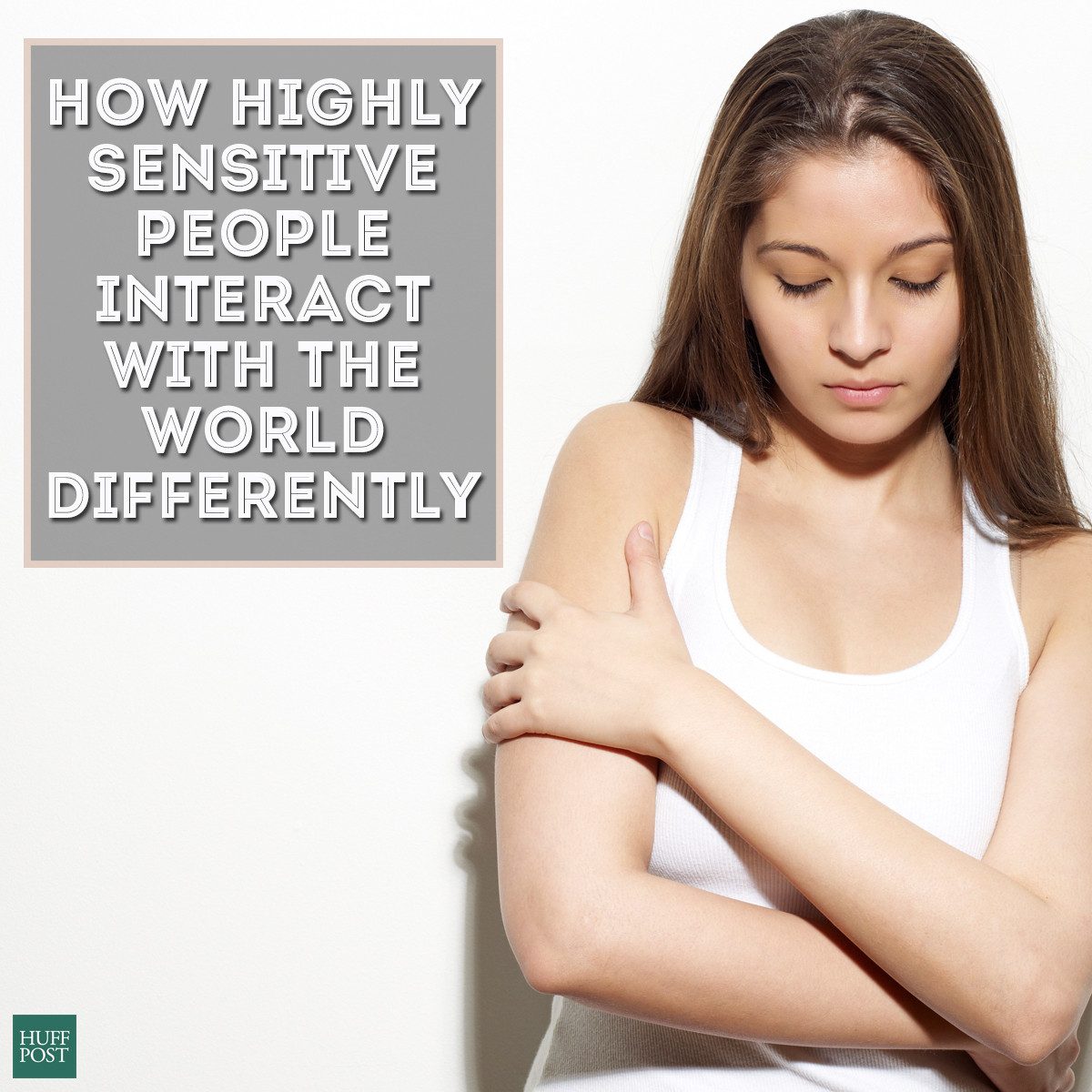
Photo: ballyscanlon via Getty Images
Highly sensitive people have been labeled a lot of ways in the past, like fragile, over-emotional and intense. But there’s more to a highly sensitive person than just excess crying and a whole ton of feelings.
Those with an empathetic personality are actually biologically wired to behave the way that they do. As a result, they also have an entirely different approach to to their physical environment — and that isn’t necessarily a bad thing.
Below are just a few ways highly sensitive people interact differently with the world around them than their “thick-skinned” counterparts.
They’re easily overstimulated by their surroundings.
Loud noises, big decisions and large crowds don’t bode well for HSPs without a little downtime to balance them out. This is because they have a very active emotional response, according to Elaine Aron, author of The Highly Sensitive Person and one of the original scientific researchers of the personality trait.
“The reason this happens is because they’re processing everything around them so thoroughly,” Aron told The Huffington Post. HSPs process their surroundings or life events based on emotions. In other words, the more overwhelming their circumstances get, the more deeply they feel.
They pick up on the subtleties in a room.
Did you rearrange your living room? Did your spouse make you upset at a dinner party? Sensitive folks can sense many subtle shifts, whether they’re tangible items or emotional moods, Aron says. “There’s just this intuition they have about their environment that other people generally aren’t aware of,” she explained.
That intuition also guides them in their own relationships as well. HSPs notice different attitudes that may not be picked up on by other people. So if you’re using different language or texting more abrasively than normal (think periods instead of exclamation points), chances are a HSP is going to take note.
They’re more emotional in their relationships.
HSPs crave deep connections. According to Aron’s research, sensitive people tend to get more bored in marriages than non-HSP couples, mostly due to the lack of meaningful interaction that naturally occurs as time goes on. However, this isn’t necessarily bad news. Aron says that the lack of meaning doesn’t mean an HSP is going to abandon ship — it’s only going to motivate them to have more stimulating conversations.
The key to a successful relationship for an HSP is communicating what they want out of a relationship and finding a partner that understands their emotions are part of their nature. “Sensitive people can’t help but expressing what they’re feeling,” she said. “They show their anger, they show their happiness. Appreciating that is really important.”
Sometimes they prefer to fly solo.
HSPs function best when they’re in quieter environments — particularly in the workplace, according to Aron. “Open office plans aren’t productive for them in most cases,” she says. This preference to operate alone may even go for leisure activities outside of the office. HSPs may also avoid group sports or physical activities because they feel like their every move is scrutinized, Ted Zeff, a researcher and author of several books on highly sensitive personality traits, previously told HuffPost.
They might be more sensitive to caffeine or alcohol.
This certainly isn’t always the case, but Aron says on average HSPs may have more of a sensitivity to stimulants like caffeine or substances like alcohol, based on self-tests she’s conducted for her research. HSPs are also more easily bothered by hunger, she said.
They get anxious around conflict.
Conflict is a tough road to navigate for HSPs, according to Aron. They have two approaches to dealing with it, and those ideas are often at war with each other. “Sensitive people get torn between speaking up for what they feel is right or sitting back because they don’t want a violent type of reaction [from others],” Aron said. “They’re very sensitive to environments where they’re being judged for their sensitivity or for anything else.”
On the other hand, HSPs have a way of managing disagreements in a rational way. Because of their high levels of empathy, sensitive folks can often put themselves in the other person’s position and see their side of the argument, Aron explained.
When it comes down to it, Aron says the key for sensitive people is to embrace their personality trait rather than work against it. “Highly sensitive people make excellent leaders, friends and partners,” she said. In other words? Keep on experiencing those emotions, HSPs — even if they do make you cry.
Just because I was bored and had no other article ideas, I started typing random things in my Google browser. Some of the results are interesting. Click on the images to enlarge.








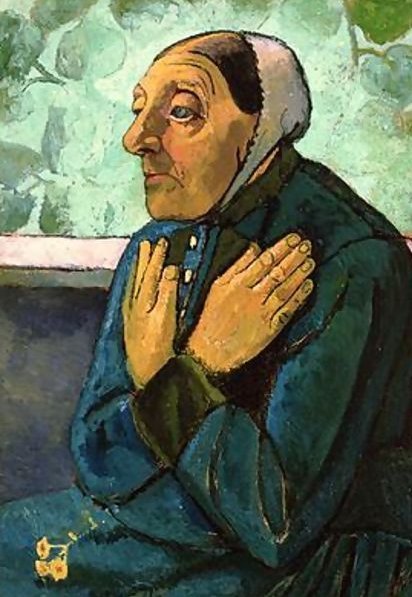
Old Peasant Woman by Paula Modersohn-Becker
Not all narcissists are aggressive. Some are covert, and some use their “goodness” as a weapon. This type of narcissist is usually a woman, often a mother. You know the drill: guilt tripping, “look at everything I’ve done for you,” “look what a wonderful person I am” (implying that you are not), ad nauseam.
I found this letter from a narcissistic mother on an NPD forum. It was an email sent by the forum member’s mother just before she went No Contact. If you read between the lines, this “nice” letter is actually very toxic. The names included in the letter (other family members) have been removed. I think ____ is a Golden Child sister. The recipient is the scapegoat.
Dear ___
I have never said that I expect you & _____ to pay my credit card after I’m gone.
Don’t know where you get all the wrong information. I want to make it clear to you that I say nice things about _____ to my friends as I talk about how good she is to me, never rags on me, we have so much fun together, like the same things, she finds time to spend with me, she has a kind heart and I love her very, very much!!!
You are my daughter and I love you too, but I don’t like how you have treated me all these years, you go out of your way to find fault with, always looking for things to be angry with.
Hope my friends tell all the nice things I say about you. How I appreciate how generous you have been. Paying for a 3 day cruise, buying a camera, cell phone and paying for it for 2 years, AND MOST OF ALL PAYING FOR THE ADOPTION of little _____.
These are some of the nice things you have done and I appreciate it very much.
You can’t say that you haven’t talked badly about me to your friends and family. Be honest now – I know for a fact you have said things about me, shame on you.
Why at the end of my life are you causing stress on your 85 year mother. If I had a 85 year Mother still alive, living alone, you can bet I would be caring and loving to my mother, but that’s me, not you.
Guess you will be happy when I am gone. You will get your wish some day.
The answers to my email about being embarrassed is a piece of CAKE!!!
You think you are always right and you are so wrong!! Oh well that’s (recipient’s name) for you.
Mom (the only Mom you will ever have)

So what do we have here? A nice letter from a sick, dying mother to her beloved daughter? No. We have several other things going on here though. So I’m going to pick this email apart and show you.
1. I have never said that I expect you & _____ to pay my credit card after I’m gone.
Very possibly gaslighting the recipient–denial that she ever asked her and her sister to pay her credit card.
2. Don’t know where you get all the wrong information.
Invalidation and possible gaslighting.
3. I want to make it clear to you that I say nice things about _____ to my friends as I talk about how good she is to me, never rags on me, we have so much fun together, like the same things, she finds time to spend with me, she has a kind heart and I love her very, very much!!!
Implying that the sibling is a better daughter than the recipient. Guilt-tripping.
4. You are my daughter and I love you too, but I don’t like how you have treated me all these years, you go out of your way to find fault with, always looking for things to be angry with.
Generalizing, gaslighting, probable projection of her own traits onto her daughter.
5. Hope my friends tell all the nice things I say about you. How I appreciate how generous you have been. Paying for a 3 day cruise, buying a camera, cell phone and paying for it for 2 years, AND MOST OF ALL PAYING FOR THE ADOPTION of little _____.
These are some of the nice things you have done and I appreciate it very much.
Now we have a little love-bombing or hoovering going on. This is a common ploy in covert narcissists like this woman to retain their source of supply. She is probably lying about telling her friends “nice things” about her daughter though, and she is also lying about “appreciating it.” Narcissists don’t appreciate anything.
6. You can’t say that you haven’t talked badly about me to your friends and family. Be honest now – I know for a fact you have said things about me, shame on you.
Back to the guilt-tripping and the shaming. The adult recipient is also being infantilized, another type of invalidation.
7. Why at the end of my life are you causing stress on your 85 year mother. If I had a 85 year Mother still alive, living alone, you can bet I would be caring and loving to my mother, but that’s me, not you.
Guess you will be happy when I am gone. You will get your wish some day.
She is basically telling her daughter, if I die it is all your fault. Major guilt tripping, which seems to be this mother’s primary M.O. to get what she wants.
8. The answers to my email about being embarrassed is a piece of CAKE!!!
I’m not sure what this means or what it’s referring to.
9. You think you are always right and you are so wrong!! Oh well that’s (recipient’s name) for you.
Projection and put downs.
10. Mom (the only Mom you will ever have)
Blatant guilt tripping. With a mother like this, thank your lucky stars she’s the only one.
This made me laugh so hard I just have to share it.
It sure would be nice if narcissists were all required to wear a button warning you they have NPD.
“Embracing the legacy of familial narcissism. Have you bonded with your narcissist today?”
Be patient. It may take a minute for the picture to load.

Back during the winter, I made the mistake by sharing an article on a social media platform that several members of my family use, including my narcissistic mother.
It came to my attention (through my son) that they did in fact find my blog and it was being read. I was horrified, but I was fortunate because not a word about it was ever said to me. Oh, I’m sure they talk amongst themselves about what a horrible person I am to have a blog where I talk about my family the way I do, but it’s not as if they weren’t already saying mean things about me behind my back anyway. I know they probably still read this blog, but I no longer care. In fact, sometimes I think it may be a good thing for them to see in print was I was always too afraid to say.
Another blogger I know has a far worse family than mine. The psychological abuse this woman suffered, especially at the hands of her MN mother and sister, was so extreme that the stories she tells about them would be hard to believe if I didn’t know they were true. Her family REALLY hates her, and her sociopathic mother has turned every member of the extended family against this woman.
She just wrote a blog post about getting several ugly and hateful anonymous messages, after she too made an error where she might have “leaked” the fact she has a blog about her narcissistic family. Based on what she has said about them, I think these people are extremely dangerous, far more dangerous than my family ever was. So even though this woman and I are no longer friends (that’s another story I won’t get into here), I am worried for her. So I’m asking for your prayers and positive thoughts that nothing untoward happens if it’s true that her family found her blog. These people are incredibly toxic.
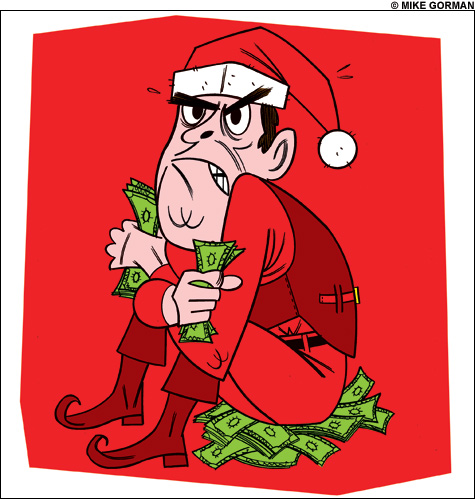
I remember one of my narcissistic lovers. He was a textbook example of a malignant narcissist, and a mean one at that. Although he never became physically violent, I think he would have if I hadn’t ended that relationship.
One of the strangest things about him was the way he gave me gifts. The guy had plenty of money–he had a trust fund, for heaven’s sakes and owned his apartment free and clear, and he was always traveling. He never asked me to go with him though. Instead, he’d bring me back “gifts” from his road trips. I remember he’d make a big show out of presenting me with these gifts as if he was giving me the keys to a new car. They were never wrapped nicely, but always stuffed in a paper or plastic bag.
So what sort of gifts did this narcissistic trust fund jerk give me? Jewelry, chocolates, books, candles, clothing?
No. He’d give me gifts of trash. The stuff he didn’t want. You know, like the free samples they give out in hotels–tiny bars of hotel soap, shampoo, a wrapped glass with the hotel’s name on it, even a “Do Not Disturb” door sign. Once he gave me a gift card with about $2.00 left on it. I couldn’t even use that because it was for a store they don’t have in this area. Thanks, Mr. Generous! The most extravagant thing this loser ever brought me back from these trips was a keychain that was probably free too. One of his gifts was half a Stuckey’s nutty bar, that he’d already opened and eaten part of. How cheap can you get? He was the stingiest POS I ever knew.

A ring or earrings maybe? Think again, chump.
It wasn’t like he didn’t have the money to buy me something nice. He used to show me, with great fanfare, all the nice things he’d bought for himself. A leather jacket, a framed picture, a box of homemade peanut butter and chocolate fudge. I remember asking him if I could have a piece of the fudge and he said no.
For Christmas that year he actually bought me something. It was a “Toonces The Driving Cat” coffee mug. Although still a cheap gift, it was thoughtful because he knew I loved that Saturday Night Live skit.
About a month later, we had a fight. We were arguing more frequently by then. Then he said something that made me wonder if I’d heard him right. He said he wanted the Toonces mug back. He told me to go get it and give it to him. I said no. Shooting me eye-daggers, he said through gritted teeth, “I never gave you that. I only let you borrow it.”
Wow.
Livid, I went and found the mug, pretended to hand it to him, saying “Here!” As he reached for it, I threw it hard against the floor in front of him, shattering it into bits. He stormed off in a rage and slammed the door on his way out. As I swept the pieces of broken ceramic into a dust pan, I heard the squeal of his tires as he backed out of the driveway like a bat out of hell. He always did have a problem with road rage too.

 Lucky Otters Haven