A list of useful blogs and books about NPD, narcissistic abuse, and BPD.

These are all listed under my “Resources and Support” tab in the header, but I wanted to call attention to them. I have added some new ones. My apologies if you don’t see your blog listed here. Unfortunately, I can’t list them all but if you want me to add yours, please comment and I’ll be happy to add it.
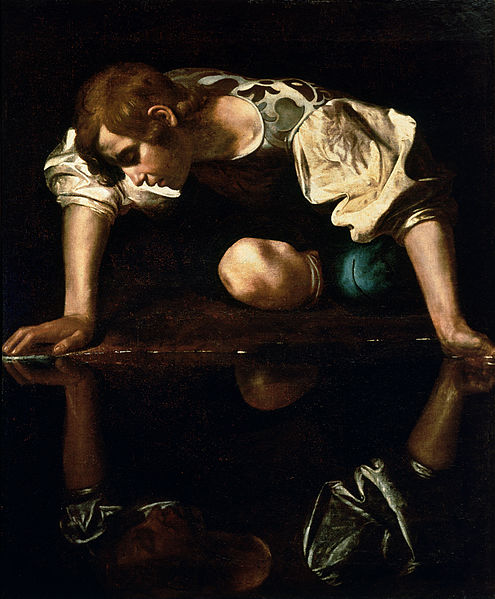
narcissus

Here are some websites, books and blogs focusing primarily on Narcissistic personality disorder (NPD), narcissistic abuse, and Borderline personality disorder (BPD), though some touch on other personality disorders as well. This is only a small sampling of what’s available. The Internet is loaded with websites about NPD and narcissistic abuse; a quick Google search will bring up many that I have neglected to list here. BPD is not so widely covered, but is becoming more so.

Blogs, Websites and Forums

Dealing with Manipulative People — Dr. George K. Simon’s excellent blog about Cluster B personality disorders (Narcissistic, Borderline, Antisocial, and Histrionic Personality Disorders) with a focus on NPD. Dr. Simon is also the author of several books, which are listed below.

Out of the Fog — excellent support forum for people dealing with those with personality disorders and other mental health problems (or who have a disorder themselves). Every personality disorder recognized by the DSM (Diagnostic and Statistical Manual of Mental Disorders) is covered. I never posted here myself, but I’ve lurked there a lot and found the site very interesting and helpful.

Narcissists Suck — Anna Valerious is a survivor of psychopathic parents, and her blog is excellent. It can also be irreverent and hilarious. Her take no prisoners style may take some getting used to, but she has a lot of heart and a LOT to say about narcissists. Valerious is a Christian, and she sometimes quotes from the Bible, but for the most part, you don’t have to be a Christian or any sort of believer to appreciate her blog. She hasn’t posted in it for awhile, but the articles are still relevant, entertaining, and useful.

An Upturned Soul — longer articles than average, but well written, intelligent, and always fascinating to read. There was no way I could leave this one off this list, since I have reblogged several of her articles already.

PsychopathyAwareness Blog — good blog about psychopathy right here at WordPress. The blogger really knows their stuff.

What Makes Narcissists Tick?— This blog was created by Kathy Krajco, an author about narcissistic abuse who was well respected in the community of narcissistic abuse victims, until her untimely death several years ago. Due to that, the blog hasn’t been updated in a long time, and many of the links don’t work, but it still contains both practical and fascinating information about narcissists and why they are the way they are and why they do what they do.

NarcissisticMother.com is a website focusing on self help for the adult children of narcissistic parents (ACONs), particularly mothers, since in our culture, mothers still have the strongest influence on their children.

SociopathWorld is an intriguing website from the point of view of sociopaths (not exactly the same as psychopaths but very similar). It’s interesting to “get inside their heads” to help understand why they act the way they do. It’s creepy and fascinating how dissociated from emotions, themselves and others they often feel and some explain it surprisingly well.
Similar to SociopathWorld is Psychopathic Writings, a blog written by a psychopath whose articles are interesting and well informed. If you like sites like these, please also check out Kiasherosjourney.

Country of Liars: a website by and for the victims of sociopaths and psychopaths. The blog’s owner, like so many other similar blog owners was the scapegoat of a family of such people. Well written blog.

Lady With A Truck’s Blog: Like so many survivors of narcissistic abuse, LWAT struggles with poverty. Our abusers ruin us on every level, even our ability to earn a living. This is a wonderful blog by a lady with an attitude and a heart. Her writing draws you in like a novel, she’s inspirational, and she’s often quite funny too.

Constant Supply: The Narcissist’s Wife. A blog by a woman married to a malignant narcissist.

Faces of Narcissism: a fairly new blog written by Joanna Moore, a narcissistic abuse survivor. She was married to an abusive, sociopathic man who she is No Contact with today. A good mix of practical, no nonsense advice and personal stories.

Grace for My Heart: Although this blog written by a Christian pastor isn’t specifically about narcissism, it’s a popular topic on his blog (he writes about narcissism every Friday in his “Narcissist Friday” posts) because of all mental disorders, NPD (along with Antisocial Personality Disorder) is the most likely to have a spiritual component. Interesting and uplifting blog for Christians and those interested in God’s grace and spirituality. One of my favorite blogs.

Worldly Annoyances — ACON blog with a biblical Christian perspective. Sue can also be extremely funny at times.  I don’t always agree with her literal Biblical views, but I agree with much of what she has to say just the same.   Her posts are short and sometimes make me smile.

Galesmind:  Blogger who writes about narcissism and a lot of other topics too.  Often funny and entertaining.  Gale also writes a lot about Internet abuse (bullies, trolls and other sociopaths roaming the web).

Narcwriters: a listing of personal blogs about narcissism and blogs by psychologists with a focus on NPD. A good resource that lists many blogs that I have overlooked here.

The Narcissistic Continuum: This blog is great. It differs a bit in format from most other narcissism blogs because of the way its articles are ordered according to severity across the narcissistic spectrum, from “healthy narcissism” (narcissism is good in very small doses–just like heavy metals in the blood are necessary but become poison if excessive) all the way to psychopathy/sociopathy. CZBZ’s blog is also very easy on the eyes, in my opinion.

TNC’s owner also has a forum, Web of Narcissism (WoN), which is inactive but there’s still a lot of great information there.

Lenora Thompson — Psychcentral/narcissism: Lenora Thompson is a survivor of narcissistic abuse who writes a blog about narcissism on Psychcentral.  Check her out!

No! It is Not Your Fault!   A blog about narcissism and narcissistic abuse from an unlikely writer who himself has an NPD diagnosis but is unusual because of his self-awareness and desire to heal from his disorder (he is in treatment).   Ruud’s blog is definitely worth a follow.  Reading his story brought me to tears and I don’t cry easily.  He also gives good, practical advice to narcissistic abuse survivors.

Psychforums: Online support for anyone with a mental disorder and those trying to understand and help loved ones who have them. Active section on NPD and other personality disorders, and includes posts from people suffering from NPD as well as their victims.  I posted here for awhile, and the narcs and “nons” (as they are called) seem to co-exist here quite nicely.

Discussing Dissociation: Thoughts from a Trauma Therapist — Although this site focuses on those suffering from DID (dissociative identity disorder), there is much information and help here for anyone suffering from other mental disorders caused by abuse and trauma, such as C-PTSD. The symptoms of C-PTSD can closely mimic those of Borderline Personality Disorder and include dissociative features.

BPD Transformation — Blog written by a former sufferer of BPD who was cured. Ed’s posts are sometimes a bit scholarly but incredibly educational for those who like a bit of meat in their blog posts and dislike things being dumbed down the way they so often are on the web. This blogger probably knows more about the Cluster B disorders and their treatment methods than most mental health experts. But it’s not all graduate-level reading. Some of his articles are quite hilarious too.

Make BPD Stigma Free! — a blog devoted to getting BPD recognized as a form of complex PTSD and taking away the harmful “crazy” and “evil” stigmas a BPD diagnosis carries.

Healing From BPD is a good website for people suffering from BPD with information about DBT and other treatments.

Borderline Bella is a university student from England who has struggled with both having BPD and the stigma it often carries.   She is a new blogger here on WordPress and her writing is always honest and heartfelt.  Her blog is definitely worth a follow!

Ramen Noodle Nation: Humans Need Not Apply: This blog is not specifically for ACONs and survivors of narcissistic abuse, but because so many of us struggle with poverty (either after being taken for everything we own or just because we were trained to be “failures” by our parents and never given the tools to do well in life), I think this website can be helpful and validating to those of us struggling with poverty or even just living on a very tight budget. Definitely on the fiscally liberal side of the political fence, this blog calls out the malignant narcissism inherent in our culture of greed and low empathy for the poor.

There are also many other personal blogs of survivors of psychopathic abuse on WordPress. There’s way too many to list  here!   If you have a blog that focuses on narcissism or BPD that you don’t see listed here, let me know and I will add it to the list. Also, if you know of any other websites you would like to see listed, let me know and I will add them.

Books
Malignant Self-Love — You can purchase or download the free eBook by Sam Vaknin. Vaknin is a narcissist who wrote this extremely detailed book about NPD. You can read part of it free online (PDF format). It is also available for purchase. There’s been a lot of controversy surrounding Vaknin’s credentials but it can’t be denied he definitely knows a lot about this subject and gives advice on how to deal with people like himself. Vaknin is unusual–a narcissist who has enough insight to know his own motives and warn people accordingly. However, given that insight is a characteristic narcissists generally don’t have, is Vaknin really a narcissist at all?  Well…yes, he is.

Vaknin is also the subject of the documentary, I, Psychopath. He may or may not actually be a psychopath, but he does act pretty narcissistic in the film most of the time and bullies the filmmaker. Definitely worth watching even if you don’t bother with his book.

People of the Lie: The Hope for Healing Human Evil, by M. Scott Peck, MD: First published in 1983, this is probably the first book that accurately described the malignant narcissist. I wrote a review of this book in this post. While not perfect, this book holds a special place in my heart because it was the book that allowed me to first identify my mother as an “evil” narcissist. Ironically, my narc-enabler father sent it to me (even though he always defended my mother’s behavior).

Dr. George K. Simon (mentioned above) is the author of several self help books about “character disorders,” especially NPD. I have read his In Sheep’s Clothing: Understanding and Dealing with Manipulative People, and Character Disturbance: The Phenomenon of our Age (longer and goes into much more detail about psychopathy and malignant forms of narcissism than In Sheep’s Clothing but both books are excellent.

Without Conscience: The Disturbing World of Psychopaths Among Us, by William Hare, MD. Extremely readable and informative book about psychopathic behavior, from everyday psychopaths who try to make our lives miserable through the worst serial killers and other criminals who show no remorse for their deeds. Hare describes the different types of psychopaths, and the possible origins of their psychopathy, whether it’s genetic or acquired later through their environment and learning. Many quotes from psychopaths are included, and some of these are chilling. Hare sums up by discussing what may be done to help the psychopath (not much!) and for those who must deal with them, advice for handling them better. I definitely recommend this book.

Skills Training Manual for Treating Borderline Personality Disorder by Marsha M. Linehan. This is a workbook of practical exercises to help people suffering from Borderline Personality Disorder better cope with their unstable emotions and learn how to regulate them better. It was a great help to me while I was hospitalized in 1996 for Major Depression and was at that time also diagnosed with BPD. I still have my copy and recently dusted it off and started using it again.

Martha Stout’s “The Sociopath Next Door,”  is more about antisocial personality disorder (ASPD) than narcissism, but as ASPD is also marked by an inability to feel empathy or have a conscience (and may be on the same spectrum as NPD), so it fits here.

I also recommend Dr. James F. Masterson’s “The Emerging Self,” a scholarly manual on treating narcissistic disorders of the self, complete with case histories from therapy sessions.  He has successfully treated people with both the Borderline and Narcissistic personality disorders. If you like something a little less scholarly, his excellent book Search for the Real Self: Unmasking the Personality Disorders of Our Age, about BPD and NPD, also contains case histories from his practice and tools for understanding these disorders and what causes them.
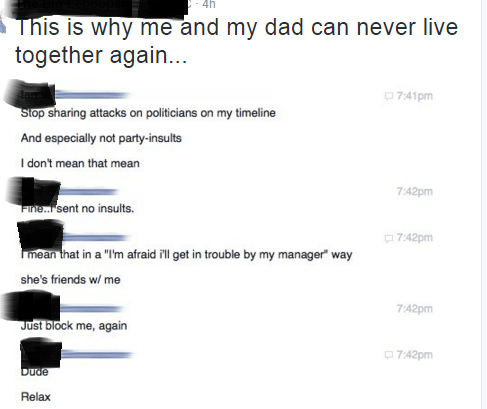
Like Chinese water torture.

This is also the reason why I could never live with my ex again (well, one of many!) In this short conversation, my son was asking his father to please stop spamming his Facebook timeline with negative opinions about certain political candidates, because people my son works with, including his boss read his Facebook page. He’s also friends with his boss in spite of their opposite political leanings. He has asked his father to stop doing this in the past, and has had to block him before because he wouldn’t stop. Watch the way his father takes NO responsibility for his inappropriate behavior and then tries to turn my son into “the bad guy” by making him block him AGAIN. I know EXACTLY what he’s talking about because I also went through this same sort of crap with him over and over again (and he finally blocked ME–good riddance, I say!)  He’s the king of subtle gaslighting, blame shifting and denial.

It seems like a small thing,  maybe if this was an isolated incident it wouldn’t be a big deal–but imagine this type of irritation happening over and over and over, many times a day.  It was crazymaking in the extreme!  I like the way my son handled it:  “Dude. Relax.”


convo_22216


My bucket list (we all need one).

I’m reblogging this old post, mostly because Danny over at Dream Big wanted to see my bucket list (he just posted his) and wants to comment, but comments are disabled for posts that old. I did have to change #10, since the original #10 is no longer something I want to do. Getting over my fear of death seems like a good replacement, LOL!

Go visit Danny’s bucket list here: http://dreambigdreamoften.co/2016/02/20/14-adventures-i-want-to-complete-before-i-die/

luckyotter's avatarLucky Otters Haven

mybucketlist

These are the things I want to do before I die. Of course, these are subject to change and new ones will come along!

1. Write and publish a book about everything I’ve learned from growing up in a narcissistic family and being married to a narcissistic husband.

2. Write a bestselling novel or self help book based on my own experiences.

2. Be able to quit my day job and make an income from this (or another) blog.

3. Go to an exotic or remote country, preferably tropical.

4. Sing in a karaoke contest. (People say I have a decent voice but it’s one of those things I never developed)

5. Learn a musical instrument.

6. Get married again someday to a supportive, fun-loving, non-narcissistic man, who likes to travel and is good at home projects too.

7. Buy a Bengal cat.

8. Buy a small but quaint home…

View original post 158 more words

Borderlines: incurable demons or trauma victims?

complex_ptsd
The symptoms of Complex PTSD are almost identical to those of BPD.

Something has come to my attention during the time I’ve been blogging, which I think is important enough to merit another post about it.

Borderline Personality Disorder (BPD, DSM code 301.83) is classified by the Diagnostic and Statistical Manual of Mental Disorders as a Cluster B (emotional/dramatic/erratic) personality disorder having many similarities to character disorders like Narcissistic Personality Disorder (NPD) and Antisocial Personality Disorder (ASPD). Both NPD and ASPD are characterized by a lack of empathy, entitled behavior, and disregard for the rights or feelings of others. It’s also true that some Borderlines act out in ways harmful to themselves and others. Hence, “Cluster B” has become a pejorative category and some ACONs (adult children of narcissists) and others have demonized people with BPD as being amoral, immoral, and almost inhuman, nearly or as bad as as people with NPD or ASPD. Some even go so far as to lump all borderlines in with the “narcs” and barely make a distinction between them. In their minds, if you’re a Borderline, you’re no better than a “narc” and that’s all there is to it. You’re a bad person and to be avoided.

To make matters even worse, many mental health professionals refuse to treat people with BPD, believing them to be troublemakers, incurable, or both. I remember one therapist I saw years ago for an intake session and seemed to connect well with, called me a few days later after he received my psychiatric records, and told me he couldn’t take me on as a patient. “I don’t work with borderlines,” he said.

It’s true that there are some similarities between the Cluster B disorders, and both BPD and NPD/ASPD have roots in childhood abuse or neglect. But the similarities don’t run very deep. What I mean by that is while both a borderline and a narcissist cn be manipulative or abusive to others, the reasons are very different. There’s also the matter of intention. Borderlines, if they act out against others, aren’t usually aware they’re being abusive and/or manipulative. If their bad behavior is brought to their attention, they normally become very upset and feel terrible about it (unless they have a comorbid NPD or ASPD diagnosis). They act out because of overpowering emotions that they haven’t learned how to control. In contrast, a narcissist or person with ASPD acts out because they can. If their behavior is brought to their attention, they’re likely to become angry and rage against the accusation, make excuses, blame-shift it onto someone else, or deny it.  Unlike most borderlines, they don’t feel remorse, guilt or shame for hurting others.

In addition, many borderlines are much more harmful to themselves than to other people. If they do act out against others, most are as frightened by their own outbursts as others are and sometimes more so. In a nutshell, people with BPD know they have a problem and wish they could be different. Untreated BPD makes a Borderline’s life miserable, while people with NPD or ASPD are usually not bothered by their disorder. That’s why, even though Borderlines can act “crazier” than narcissists, they can get better and are much more responsive to therapy or behavioral treatments such as DBT or CBT.

But we’re still caught in a gray zone, neither here or there.   The stigma against borderlines (in my observation) has grown worse, and most narcissistic abuse sites pretty much regard people with BPD  as the “female or over-emotional version of NPD.”  (actually, Covert/Fragile NPD or Histrionic Personality Disorder would come closer).   If we’re narcissistic abuse victims suffering from complex PTSD, it takes a great deal of courage to admit you also have a BPD diagnosis.  It took me a few months to come out about it on this blog. Fortunately,  I haven’t received too much (or really, any) flack about it.

complex-ptsd-and-bordeline-personality-disorder-36-728
Click to enlarge graph.

The good news is, a number of BPD bloggers are helping to reduce the negative stigma that we’re “bad seeds” with an untreatable disorder just because we’re OMG “Cluster B.” Think about this: have you ever noticed that there aren’t too many people with NPD (or ASPD) blogging about their challenges and insecurities, or fighting to reduce the stigma against their disorder? If they blog about their narcissism or psychopathy, it’s usually to brag about how NPD/psychopathy makes them superior or allows them to have control over others and be successful in the world. That’s because they don’t think they have a problem (They just cause others to have problems). Most Borderlines know they have a problem and struggle with it constantly, since it makes them feel so crazy and lowers their quality of life. I can only think of ONE blogger with NPD who was unhappy with his disorder and successfully treated for it (or so he says). That man probably had low-spectrum and probably covert NPD; a person with malignant or high spectrum grandiose-type NPD will never have enough insight or willingness to admit that THEY are the ones with a problem. In contrast, I can think of about 20 bloggers with BPD who are in treatment or therapy or have even been healed! I’m sure there’s many more that I don’t even know about.

BPD also seems to co-occur a lot with complex PTSD or PTSD. Most BPD bloggers I can think of also have complex PTSD or are in treatment for it. The symptoms of BPD and Complex PTSD are almost the same. The DSM does not recognize Complex PTSD as a diagnosis; it only recognizes PTSD, which is not caused by chronic trauma over a long period of time (such as having been abused as a child), but by one traumatic incident (such as fighting in a war or being raped). Therapeutic treatments for complex PTSD and BPD are also almost the same (for that matter, NPD and other personality disorders are treated almost the same way). Both BPD and Complex PTSD have a higher cure rate than NPD. Since Complex PTSD isn’t recognized as a valid diagnosis, I think a lot of people (especially women) who might have been diagnosed with complex PTSD if it was recognized get slapped with the “Borderline” label instead. Although I accept my BPD diagnosis (and have even become a little attached to it), I wonder if I might never have been diagnosed with it at all had Complex PTSD been recognized by the psychiatric profession. I think in some cases, BPD may not really be accurate, or could even be the same thing as C-PTSD due to their many similarities. At least one blogger (BPD Transformation, who used to comment here but stopped for some reason), doesn’t even think BPD is a valid diagnosis and shouldn’t exist at all.

Further reading:

Are BPD and Complex PTSD the Same Disorder?

Is BPD a Real Disorder or Should it Be Eliminated as a Diagnosis?

Guest post #3: Facing Complex Post-Traumatic Stress Disorder

I’m happy to introduce my third guest blogger, Alisha, who has a blog about living with Complex PTSD (C-PTSD) and chronic pain. She was kind enough to write this powerfully written guest post for this blog. I loved reading it because it ends with a message of hope, no matter how bad things might seem. Please visit Alisha’s blog, The Invisible F.  She has another blog featuring her fantasy writing, including her novel, The Return of the Key.

From her About page:

alisha

Hi, my name is Alisha. I’m a proud alumnus of the University of Westminster where I did my MA in International Journalism. I love parrots, singing, drawing, sharing stories, fantasy movies, games and books, and people who like fantasy movies, games and books.

I live with a number of chronic health conditions including fibromyalgia, clinical depression, anxiety, & Complex Post-Traumatic Stress Disorder, and for much of my life have suffered from debilitating symptoms. I want to raise awareness to help people understand but moreso to share and engage with all those whose lives are touched by fibromyalgia and mental health problems in one way or another, so they know they’re not alone.

Facing Complex-Post-Traumatic-Stress-Disorder
By Alisha, The Invisible F.

pain

I was sitting in a small room at hospital when the psychiatrist’s voice called me away from the brilliant white walls that were pulling me in.

“You’ve had a very difficult life Alisha” she said, looking at my notes. After asking me to recount some of my ordeals, she said “From your symptoms, I would say you have Complex-Post-Traumatic-Stress-Disorder (C-PTSD).”

I had to ask her how C-PTSD differed from PTSD, which many of us associate with soldiers who have served in warzones or conflicts. She explained that C-PTSD tends to occur in people who have suffered repeated traumas for a prolonged period, with no chance of recovering from each incidence.

The more she told me about it, the more I felt like she was telling me about myself.

I had a long history of abuse starting in childhood, when I honestly believed I wouldn’t live to see the age of 18. I survived, thankfully, but I continued to endure traumas past my teenage years and into my twenties. I can’t say which incident was worse, because I felt the enormity of each one added to the already heavy weights that I carried. At 16 I was diagnosed with depression and anxiety, suffering terribly painful anxiety attacks that made my chest hurt so much I thought I would die.

I tried to ignore the feelings my past stirred up, because I lived in a society that stigmatises mental health conditions. I thought I was fine. It was only years after my stepfather and friend were brutally murdered, that I started getting glimpses of the brokenness I had masterfully hidden from the world and myself. I packed my bags and left everything and everyone I loved behind, moving to the other side of the world. Surely pain wouldn’t follow me there. But we can’t unknow things, and there was a lot of pain etched on my heart and mind. These parts of me would not let me forget.

C-PTSD manifesting

The C-PTSD diagnosis made sense but I was still surprised. Mostly because I wasn’t expecting another label. I already lived with fibromyalgia, depression and anxiety and several months before had been slapped with borderline personality disorder, which I was still struggling to come to terms with. I could say very clearly what some of my symptoms were, but I couldn’t always say which diagnosis was responsible for what I suffered on any given day.

As time passed and I connected the dots, I understood more about how deeply C-PTSD had been affecting my everyday life, unknown to me.

Days before I met the psychiatrist at hospital, I was sitting in Accident & Emergency having a meltdown, unable to cope with the avalanche of emotions tumbling through me. I wanted to give up again and almost did. I didn’t understand why the smallest upsets felt like utter catastrophes, or why I seemed to attract bullies or why getting close to people terrified me so. The doctor was most empathetic about it.

“Well you’ve had a lot of bad experiences with people so that is going to shape your outlook. It doesn’t mean your outlook is wrong. It only means your experiences have shaped your perspective” she said.

If only other people were that understanding. Not too long before I had encountered very unsympathetic people in a shared flat where I resided. Just when I thought I was recovering from the dark feelings that led to two close calls on my life, I discovered that approaching the close of my twenties, I was having night terrors. I had never even known there was such a thing until it was googled by a flatmate who constantly complained about my screaming at night. I couldn’t believe that I was screaming while asleep with no recollection of it the next morning. I didn’t believe it until my own screams woke me in the dead of the night. Frightened and panicked, I searched around my room until reason returned, and I questioned what it was that I was looking for, and so terrified of.

Nightmares

I have a long history of nightmares, which started in childhood. The kind that leave you so terrified you’d do anything to keep yourself from drifting off, anxious of what’s waiting for you in the realm of dreams. Consequently, I developed insomnia from a young age. Generally, my anxiety tends to get worse at night. It’s not uncommon to find me wide awake in the wee hours of the morning when most people are getting their best sleep. I’ve always slept better in the day, when the sun is out and it somehow feels safer. When I (reluctantly) have to go to sleep at night, I clear my room to make sure there’s no clutter that might form awkward shadows, that may frighten me when I wake in between my cat naps.

My flatmates couldn’t understand the nature of night terrors, and I was accused in person, by email and text like a perpetrator. I felt bad about it, truly. The accusations though, only distressed me more, and increased the frequency and severity of the night terrors.

Recently, I started sleeping walking, and I often wake up running towards my bedroom door terrified, with no recollection of my dreams.

Living with C-PTSD has been like sitting in a prison inert, long after the doors have been opened. I have wanted so badly to walk through, tending to avoid things and places that remind me of past traumas. I think of all the positive things I’ve managed to achieve through my beleaguered time here. I spend my waking hours keeping extremely busy so I rarely have time for stray thoughts, and it works; but everytime I go to rest, my subconscience reminds me of the many demons I’ve buried and hidden away.

In my dreams I am always running, looking for an ally, and an escape that is rarely found. I often run in different directions, only to end up right back in the place where my captors are waiting by the prison doors. When I am not shut away, I am violently murdered, again and again, like a broken cassette sticking in the same sickening place.

The things I said I’d never do

I suppose I never realised how my past traumas were affecting me until my late twenties. People would say, ‘it’s the past, just leave it behind and move on.’ Or worse ‘everyone has problems.’ If only it were that simple. I’d give these people a chance to walk in my shoes if I could, and silence any doubts. I want to forget, and I do everything possible to move forward, but the mind is such a powerful thing. All my efforts have been no match for my mind which digs up torments when I am asleep.

Owing to C-PTSD, I’ve done a lot of those things I said I would never do. You know when we watch others suffer and silently judge, telling ourselves, ‘that will never be me’? At 17 I remember watching my 30-something year old friend elaborately explain how she avoided the doctor’s questions when he asked how she accidentally cut her arm again, needing stitches. When I asked her directly, she brushed it off, and I sat there thinking I will never understand this.

I didn’t think of my friend when I first hurt myself. All I remember thinking was how good the external pain felt, taking the focus away from my internal turmoil. Months later I diverted from my healthy diet and found myself facing bulimia. The first time I felt confused, wondering why I kept eating though I was satisfied. But I craved the food badly, I ate and I ate, until I felt so physically upset I had to empty my stomach. I cried & cried every time because I wanted to badly to stop but I had no control, and that was the part that got me. I didn’t even have control over me.

It’s sad that after everything I’ve suffered I’ve also had to deal with bullies who have targeted me because they know they could. I try to build myself up, to be stronger and braver in the face of this. I do psychotherapy and I’m not sure it helps. Maybe? Doctors say I will likely need therapy for the rest of my life. I’m not sure how I feel about that.

Every day is a challenge. But I wake up and set out to do my very best. I try to practise mindfulness and celebrate my successes. Whether they are publishing a new book, managing to stay out of hospital or simply getting out of bed when I feel like shit, I celebrate them all equally, because I know what it is like to be crippled by depression and C-PTSD. I know very well what it’s like to lie in bed unable to will myself up; to want to shower or make a cup of tea and not be able to do so. I know what it’s like to feel that it’s safer to stay alone than get close to people…to stay indoors for days, unable to set a foot outside the front door. So every day I achieve something, no matter how small, I pat myself and say ‘well done, you’ve done it today so when you think you can’t do it tomorrow, just remember you did it today.’

The one dream

I’ve told you what many of my nightmares consist of. But it would be remiss of me not to mention the one dream that overshadows every nightmare that comes.

In this dream, I carry a heavy babe in my arms as I climb a tall, rickety winding staircase leading to a wall. With every step I take, the child becomes heavier. When I’m almost to the top, the staircase crumbles like dust in the wind. This part of the dream ends abruptly, like a director’s cut in a poorly edited movie, and when I open my eyes I am on the sea front, surrounded by people who cannot see me. The rippling turquoise waters beckon me and I do not resist. I walk into them and as I float farther in, the waters envelope me, washing away every heavy burden my soul bears. I embrace the waters filling me up as I begin knowing a kind of peace. It almost feels…like home, where my soul will find rest, so I let it consume me. But as my consciousness ebbs, a hand reaches through the veil of the waters, and pulls me out. And again, the scene ends abruptly. I awake as a child, amongst the laughter and play of my fair cousins.

My aunt, an interpreter of dreams says the heavy child I carry represents the burdens I bear; the seaside scene is the deception of suicide and my subconscience believing that it is there I will find rest from the pain that plagues me. She says the hand pulling me out of the waters, is the truth that I am not lost, that redemption can, and will be found…that even when I am drowning, no matter how close I come to death’s doors a power higher than any torment and death will lift me up.

I press on, finding strength in my faith and true friends who embrace me, imperfections and all. I am encouraged by sharing with others in the same boat, by bringing a good word to those who need it. Maybe doctors are right…maybe I will need therapy for the rest of my life. Maybe. All I know is I’ve managed to make it this far, when I didn’t think I could. You could have told me a thousand times that I’d make it, but I wouldn’t have known if I didn’t walk this road myself.

A million hugs & prayers for your courage & peace of mind.

Love Alisha

Being firm with spammers.

spammer

Yesterday I had a new commenter who I must have hit a nerve with one of my posts. Some of you probably know what I’m talking about. He or she comments IN ALL CAPS, says their keyboard is stuck but I don’t believe it. This person proceeded to comment all day, saying pretty much the same thing over and over. The comments were poorly written and made little sense. He or she implied that I was stupid because I didn’t understand what they were saying. I doubt anyone else did, though.

Now I’m a pretty tolerant person, and usually allow comments that don’t agree with my posts, even to the point where the comments become trollish. I find it hard to say “NO” and not approve or delete comments that constitute as troll posts or spam. Setting good boundaries has always been a problem for me. But at this point, I feel like this site is being violated, and these continuous unreadable comments are flooding my inbox and this blog.

For awhile I stopped replying or “Liking” these nonstop comments but continued to approve them (“don’t feed the trolls”), but that didn’t stop them from coming. Whoever this is seems to be on some sort of crusade–for what, I’m not sure. It doesn’t matter. I had about eight more of these comments waiting for me this morning. Finally I replied saying that if they continued I was going to have to delete them, because they are distracting to the main content of this board and could run off my regular readers.

I apologize to the rest of my visitors who may have been put off by this spammer or afraid to comment themselves. I need to work on setting firmer boundaries, and I’m starting right here, right now. NO MORE OF THESE ALL CAPS SPAM COMMENTS will be approved. To you, SPAMMER, go spew your badly written vitriol somewhere else.

“What would You Do?” is both addictive and gives me hope for humanity.

I never heard of the ABC TV show “What Would You Do” until last night, when I stumbled upon it on Youtube (I do a lot of random Youtube browsing–there’s gold there). I don’t know if it’s still being aired or not (I don’t have TV), but I started watching one episode and that led to the next, and the next, and the next. I’ve probably watched 30 of them now.

It features actors playing out unusual situations in public places (almost all are filmed at locations in the greater New York metro area), often involving some form of abuse, discrimination, or bullying. The camera follows what happens when bystanders get involved, and they do get involved more often than you’d think, often standing up to the bully or abuser, and defending the underdog or victim. At that point, the host comes out and congratulates them on their charitable or kind actions.  It’s like “Candid Camera” with a conscience.

Here is one episode involving a thin, glamorous (but obviously narcissistic) mother, berating her young daughter for being too fat and not allowing her to eat normal foods, and the kind strangers who come to the girl’s defense.

Here’s another one with a much more abusive mother, who makes the one in the first video look like Mother of the Year. I will warn you that this video could be very triggering. Many of the people walking by are outraged by the verbal abuse.

Book review: Confessions of a Sociopath (M. E. Thomas)

sociopath_confessions

A couple of weeks ago I went to a yard sale and a book caught my eye, because of its subject matter–a copy of M. E. Thomas’ autobiography, Confessions of a Sociopath: a Life Spent Hiding in Plain Sight.

Ever-fascinated with all things Cluster B, including first-person accounts by narcissists, psychopaths and other antisocial types, I got busy reading that same evening. It took me two weeks to finish the book, when normally I’d devour a book of this length and subject matter in just a few days.

I’m sorry to say, this book was a disappointment. It was a long, painful, boring read. First of all, Ms. Thomas isn’t a very good writer. Full of run-on sentences and endless, dull descriptions of how great she thinks she is because she lacks empathy and a conscience (she seems to think of these as traits only weak or stupid people have, reminding me of Ayn Rand without an iota of the latter’s intelligence), Thomas comes off more as an obnoxious, self-centered, common narcissist than a true sociopath.

Thomas (who owns the website Sociopath World) is not a criminal. She may well be sociopathic in that she seems to take pleasure in cheating, manipulating, hurting, and discarding others, once gleefully watched a possum drown, and admits she enjoys ruining the reputations of people she has worked with. She clearly has no empathy and seems to have no emotions. She crows on endlessly about how her lack of a conscience or any empathy has freed her from having to worry about what others think and therefore indicates what she thinks of as her superior intellect. But like the narcissist she really is, she overvalues her achievements and intelligence. She works as an attorney but doesn’t seem to be able to stay employed for long, and really doesn’t have any other impressive achievements under her belt. Her “theories” about sociopathy are nothing more than rehashes of what other people have already described in psychology texts, and less readable than theirs. Overall, Thomas comes off as self-congratulating, obnoxious, unlikeable, and very shallow. She also comes off as rather dumb.

M. E. Thomas is clearly a malignant narcissist, but by calling herself a “sociopath” you feel like you’ve been the victim of a bait-and-switch (which is in itself sociopathic, I suppose). The cover of the book is a picture of a sinister female mask on a white background, and you open the book expecting something more than you actually get, at least some sort of depth or insight into her own behavior. But Thomas has no real insight and the book reads more like a resume of her fake “achievements” than a dark psychological memoir. She talks about her family, who she describes as neglectful, but she doesn’t seem to think they were particularly abusive. She takes arrogant pride in her “sociopathy,” repeating the word again and again throughout the text, as if to drive home the fact that she really is one, when it seems that she “protesteth too much” and underneath all that bluster, suspects she may not be. That kind of insecurity over the possibility of not really being what one says they are is a lot more typical of NPD than psychopathy or sociopathy, who don’t care what others think of them. Thomas also talks about wanting to have a family and her religion (Mormonism) a lot. Maybe her religion keeps her from acting out against others in more heinous ways and gives her a sort of “cold” conscience that keeps her out of prison, but I sure hope God doesn’t let her have children. She doesn’t seem capable of maintaining a relationship, so that doesn’t exactly work in her favor.

Although narcissists are thought of as having no emotions, it isn’t really true that they don’t, and there are narcissists and sociopaths who have been able to write about themselves in an emotionally engaging, albeit dark and depressing, way. There is rage and hurt and despair seething behind the surface of their words. But Thomas writes in a cold, emotionless way, probably because she’s such a bad writer. As a result, you feel about as excited reading her “memoir” as you’d feel reading the most boring high school textbook–and learn a whole lot less.

The only reason I didn’t feel completely ripped off was because the yard sale copy of this book set me back only $1; if I’d purchased it at full price, I’d be pretty annoyed right now. It was all I could do to even finish this book. It was that boring. Don’t waste your time. If you want to read a good book about sociopathy, read Marsha Stout’s The Sociopath Next Door instead. If you really need to read something that comes “out of the horse’s mouth,” you’d do better with Sam Vaknin.

Woman buying a car alone.

woman-car-shopper-buying-auto-inside-shopping-vector-300x251

When buying a car, women are advised never to purchase one without a man accompanying her, unless they know cars and have mechanic knowledge. It’s a field that’s still very much off-limits to women and men who sell cars can and do take advantage of women’s automotive ignorance, trying to sell them a lemon just because they can.

I’ve gathered enough cash to finally buy a new used car. I received my tax return and now I’m selling my old car. I just put an ad on Craigslist and have already been contacted by five interested people. Now my problem is not having a male to go car shopping with. I actually asked my ex if he wanted to go car shopping with me (that’s one of the only areas where I feel like I can trust him), but he said no (I’m no longer useful to him as narcissistic supply, I guess). My daughter’s boyfriend (they are no longer engaged) is about as knowledgeable about cars as I am, which is not at all. I don’t know any other men I could ask.

I did find a man at my church though, whose son buys cars at auction and refurbishes them for sale. He has proven himself trustworthy in the past, so last night I called him and told him my problem. He’s going to talk to his son and have him call me. He will probably be able to get a lead on a good used car at a very cheap price. So we’ll see what happens. I’m sick of having to drive the company car.

Feeling Overwhelmed: it’s a PTSD thing

I think this is something a lot of us can relate to, especially those of us with PTSD and complex PTSD. I know I sure can, and there have been times where writing a new post seems like moving a mountain and I just can’t do it. Welcome back, Linda Lee!

Linda Lee @LadyQuixote's avatarA Blog About Surviving Trauma

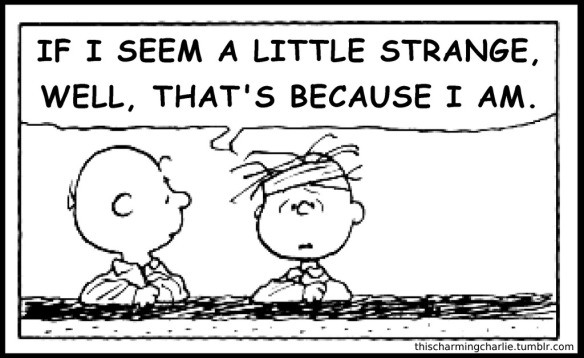
3i1_this_charming_charlie_tumblr_584Image from This Charming Charlie on Tumblr.

TWO WEEKS AGO, when I started this brand new blog, I had big ideas for my first post. I was thrilled that the name I wanted — A Blog About Healing From PTSD — was available. I picked out the theme, loaded a header picture, wrote my description page, and got all the settings the way I like them.

But when I started to write my first post, I froze.

No, my problem isn’t writer’s block. I’m not depressed, not anxious, not sick, and I’m certainly not too busy to find the time to write. My reason for waiting two weeks before writing my first post is something that happens to me a lot, in all kinds of situations. It’s maddening, it’s debilitating, and most people don’t seem to understand it at all.

My problem: I AM OVERWHELMED.

When I’m overwhelmed, the simplest…

View original post 534 more words