Catching FLEAS from narcissists and abusers. (reblogged from Nyssa’s Hobbit Hole)

flea_cartoon

When I was Googling “fleas and narcissists” for the previous article, I learned something new. It’s also something I very much have been needing to know, due to my worries lately about my own narcissistic behaviors.

The article, reposted from Nyssa’s Hobbit Hole, decribes the way a long-term relationship with a narcissist can lead to a condition in their victims called FLEAS. I have never heard this term used before, but apparently it’s part of the narcissistic abuse lexicon, and refers to the bad or narcissistic behaviors ACONs and other abuse survivors have picked up from the narcissists who influenced or raised them. These behaviors, unlike those of a true narcissist, can be unlearned. Here is the article in its entirety.

Catching FLEAS from Narcissists and Abusers
By Nyssa (“Clarissa Harlowe,” pseudonym)

fleas_cartoon

I have caught my own FLEAS while dealing with Tracy.

Sometimes, we who have been targeted by the abuses of a narcissist, wonder if we, too, are now narcissists. It can be catching, especially if we are raised by narcs.

But the recovery community uses the term “fleas” to describe our own harmful behaviors, picked up from the narcs, but which do not mean we ourselves are narcs. The trick is to figure out whether you are a narc yourself, or just have “fleas” which you can kill off with a good flea bath.

As posted in FLEAS – Bad Behavior Patterns and Habits Picked Up from Living or Dealing with a Narcissist by Daughters of Narcissistic Mothers:

Now, you may not have NPD (Narcissistic Personality Disorder). Some children of Narcissists do, and some don’t. Let’s say you don’t, but you were raised by someone who did/does. Therefore you have some issues that can take the shape of NPD – like a shadow or a snow angel, or even an echo.

You’ll have some issues in the same sorts of areas that Narcissism occupies, because you picked up these fleas FROM a Narcissist.

…..But you don’t have NPD.

What you have is the shadow – “maladaptive behaviors”, as psychologists call them, the unhelpful patterns you have been taught, and which you have had to resort all your life.

And they are glued in, most often, by the shame you have been made to carry.

What you have is nicknamed “FLEAS.” They’re the bad behavior patterns and habits we picked up from living with a nutcase who had total and unhealthy control over us. They are the pain and guilt and crazy patterns we had to take on as children in order to just survive. And they’re completely un-learnable. (Meaning, you can un-learn them!)

One of the most common issues that newbies demonstrate is a tremendous fear that they themselves have NPD.

It’s a perfectly understandable fear. All human beings do Narcissistic things, and when DoNM’s who don’t have NPD recognize and acknowledge their own self-centered behaviors, they sometimes worry that they have NPD.

They feel guilty about possibly having hurt someone’s feelings, been self-centered, etc., and they panic. It can really be upsetting, even terrifying. And they beat themselves up mercilessly for it – because that’s what they’ve been taught to do.

You’ll notice that I said, “Daughters of Narcissistic Mothers who don’t have NPD”…

In order for someone to recognize, acknowledge and feel guilty about their own Narcissistic behaviors, they first have to have a level of empathy and sense of emotional responsibility that Narcissists, by definition, do not possess.


On the DoNM forum, the usual response to such a person is, ‘If you’re that worried about the impact of your behavior on others, and you’re willing to publicly share your fear of being NPD, trust us — you don’t have NPD… you just have FLEAS.’ “

fleas_book

Violet writes in Am I a Narcissist, Too? All About Fleas:

We can pick up fleas anywhere. I have seen things on FaceBook, people saying really hurtful, mean things about LGBT people, about people of colour, about the poor and disadvantaged, about women, and they are absolutely shameless about it.

Some of these people are narcissists, but others have picked up fleas from narcissistic politicians, pastors, or other authority figures they either revere or fear. Taken out of that environment and shown how their words and attitudes actually hurt other living, breathing human beings, some of these people will feel shame for what they said and the hurt they caused.

Others will not, and they will rationalize and justify what they said, even blame their victims for their hurt (I have actually seen someone say that feeling hurt by the words of a bully is a choice, that you can choose not to be hurt and therefore what the bullies say and do is OK!) : these people are most likely narcissists.
I’ve seen versions of this as well. For example, statements that we choose to be offended by others; that we can simply stop being offended. Or, “I’m not responsible for your emotions.”

There are different ways people mean this, however. The first was said in the context of, Yes, what they said is offensive, but you can choose your own reactions–thereby not giving the offender power over you.

The second, I’ve seen used as an excuse to do whatever you want, because it’s the other person’s fault if they’re offended. It was said by Richard to me, after I told him he was doing some things that hurt me. I forget what they were, just that it was close to the time we broke off the friendship, and that he basically took the responsibility for my being hurt off his shoulders, putting it on mine. ???!!!


I’ve seen it in other places as well, the excuse that if we hurt somebody, it’s their fault for being hurt. That’s very narcissistic, and goes against everything my husband and I were taught growing up. It’s yet another sign that I’ve pegged Richard correctly as a narcissist.

If you’ve hurt and offended someone, the very least you can do is apologize for hurting them, even if you don’t feel your action was wrong in and of itself. You can listen to how you can avoid hurting that person again.

Sure there are times when that person was offended by an innocent action which should not be offensive (ie, offended by a gay man kissing his partner in public, or offended by an introvert who means well but is quiet, or offended by a woman breastfeeding her baby at the mall).

But oftentimes, the offensive act could simply be avoided next time.

Tracy, too, as I saw time and again, would justify whatever she did, even though it hurt others. She hurt Todd, so she justified it as his fault. She hurt me, so to this day she justifies her actions as “nothing wrong” and talks like my being hurt is somehow “childish.”

Even Richard told me back in February 2008, Good luck getting an apology out of her, because she rarely apologizes to anyone, thinking whatever she does is justified. I don’t have the e-mail in front of me and don’t recall if I kept it, but I still remember it.

(I remember thinking when I got it, “I don’t want to deal with that woman anymore!” This was the first time I seriously thought about breaking off the friendship.)

She used Richard’s past abuses of the children to justify her own abuses of the children (I have an e-mail proving this). Which means she’s like this to everybody: me, Todd, even Richard. And this is one of the signs of a narcissist, according to the above.

There is more good stuff in that blog post, explaining how we can tell if we’re narcissists or have just picked up some “fleas”–and how to eradicate those fleas.

devil

From the website Out of the Fog (Fear, Obligation, Guilt):

Fleas – When a non-personality-disordered individual (Non-PD) begins imitating or emulating some of the disordered behavior of a loved one or family member with a personality disorder this is sometimes referred to as “getting fleas”….

Sometimes, when a person has been exposed to an abusive situation for a sustained period, they will look for ways to escape – and sometimes they will experiment or resort to behaviors which are not characteristic but serve as a mechanism to demonstrate their anger.

These behaviors are often destructive and counter-productive and rarely get the abuse victim what they want. These behaviors usually result in regret, shame and apologies from the abuse victim towards their perpetrator. Some perpetrators may seize on such incidents as justification for their own abusive behavior or as a diversion from it….

However, most Non-PD’s are more accustomed to “keeping the peace” than being aggressors and most of us are not comfortable or accomplished in winning arguments or fights.

We will often back down or feel remorse after lashing out. We may begin to compare our behavior to that of the person with the personality disorder and wonder if we are the ones who have “the” problem.

It is common for Non-PD’s to begin to question if they are the one who suffers from a personality disorder. It is also common for Non-PD’s to greatly fear retribution after an angry outburst and engage in a manipulative campaign, similar to hoovering to try to deflect consequences or payback.
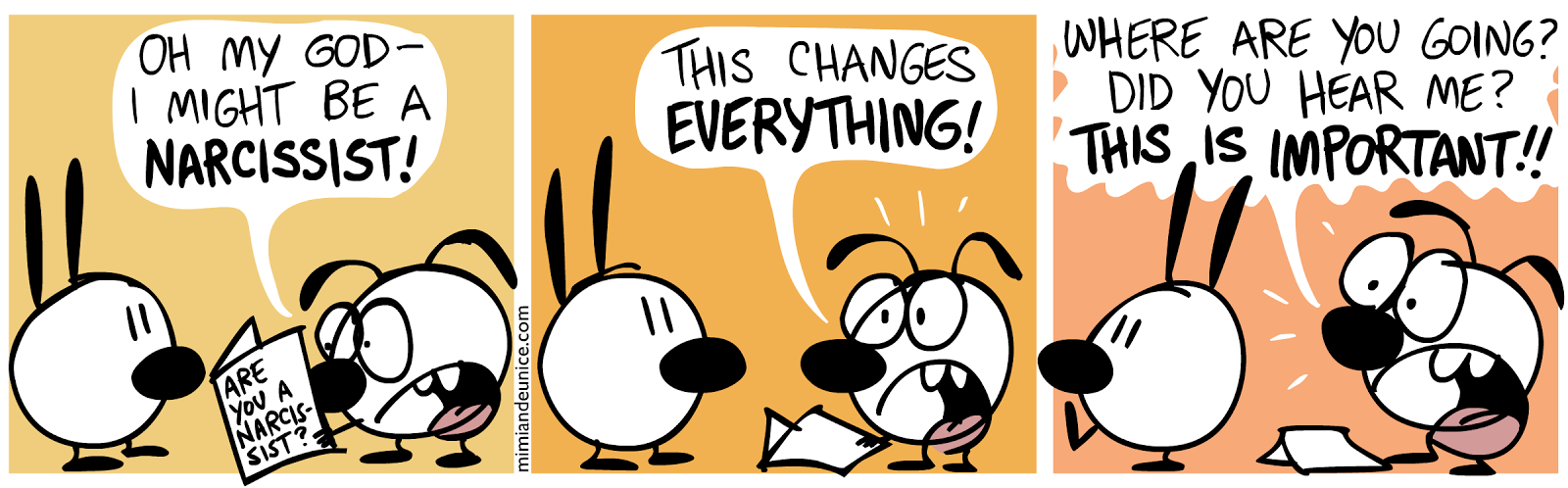
Narcissist

To read the rest of this post, please see the rest of Nyssa’s article here.

For more about how Narcissists can give you FLEAS, read this article, “The Shocking Truth: Staying with a Narcissist can Give You Fleas” from Let Me Reach with Kim Saeed.

That’s enough about fleas and FLEAS for one night. I’m getting itchy.

Why are we all so old?

old_women

It seems that most of us who have finally left their narcissistic abusers, blog about it, or have finally gone No Contact with their narcissistic FOO’s (family of origin) are not spring chickens. Most of us seem to range from our 40s to 60s.

We are just now finding out, late in life perhaps (but never too late), what WE are really all about and the way we wasted so many years staying with our abusers or allowing them to continue to control us, even from a long distance. Many of us remain terrified of our parents or siblings until a very late age. We unconsciously revert back to our childhood roles when forced to deal with them.

It hurts to realize that our younger years were wasted on being narcissistic supply to someone else, instead of becoming the productive, happy people God meant for us to be. There’s a lot of guilt when we realize how we cheated ourselves out of happiness. We neglected our abilities, abandoned our interests, never developed our minds and talents, and became vulnerable to mental illness, generally dismal self esteem, poverty and even chronic illness due to the abuse we endured. This is the way our narcs wanted us, because a weakened person is not a threat. A weakened person is obedient and won’t leave the narcissist. Most of us were trained from an early age to be supply for other narcissists.

While it’s natural to feel regret for all that we missed out on when we were younger, we need to forgive ourselves. What happened to us wasn’t our fault. It happened because we are nurturers by nature and attract narcissists who see us as easy marks. They are also pathologically envious of the qualities (such as empathy and love) we have that they will never possess. They want what we have but will slowly (or not so slowly) kill us to get it. But those qualities they envy and want so badly will always elude them, because they must come from inside themselves, not from others they have recruited to be their victims. Inside, they are emotional vacuums that are essentially empty but devour the life force from others.

It’s never too late for us to change, but I wonder why it is that you rarely sees narcissistic abuse bloggers who are much younger than their 40’s. Does it really take that long for us to wake up from our delusions that by only pleasing our narc that we will live happily ever after? And WHY does it take that long?

It’s amazing how much I have learned about myself in one short year. I never believed people when they used to tell me I would be so much happier and more confident without my needy malignant narcissist ex-husband feeding off of my patience, my finances, my emotional stability, and even my sanity. I thought this shit was normal. I was accustomed to it. Now I know it was anything but normal. Seriously, you’d have to take a gun and shoot me in the head before I’d go back to living the way I did until just over a year ago.

On abused men.

abused_man

I also sometimes wonder how many men have been victimized by narcissistic/psychopathic women (or other men). I know they exist but there seem to be very few men blogging or writing about their abuse. That’s probably because men have a harder time talking about their feelings, especially on a public blog or forum. To admit having been abused by a woman probably is seen by men as an admission of weakness, even though it’s really anything but.

I think men’s fear of being seen as weak or vulnerable puts them at a huge disadvantage and makes it less likely that they will ever be able to repair the damage done to their minds and emotions. Men are also less likely to enter therapy than women. They may finally leave their abuser, but they continue to suffer alone instead of sharing their pain and journey to wellness with others who have similar stories. I think that’s so sad.

Why you should never jump into a new relationship after narcissistic abuse

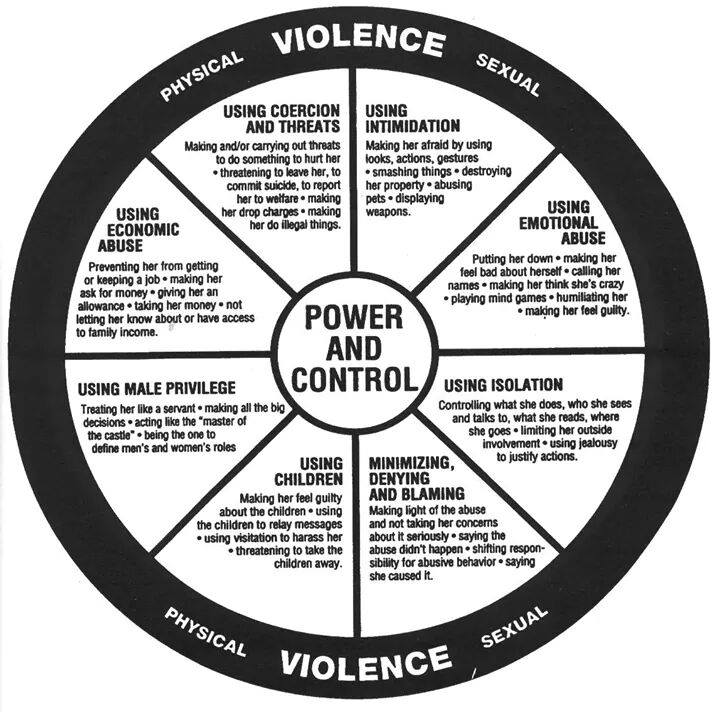
The Wheel of Abuse

cycle_of_violence
Not all abusive relationships involve physical abuse. Emotional and mental abuse can be every bit as damaging, and sometimes more so. (Click image to make larger).

A new friend of mine (a survivor of several abusive relationships with narcs) and I were talking on Facebook. Rather than try to paraphrase, I’ll quote her directly–and then give my own opinions.

Friend:

“I realized he [her malignant narcissist ex-boyfriend who she’s still in minimal contact with but who is still trying to gaslight her and get her attention by stalking her on Facebook] did everything on that wheel except for the Economic abuse. He started to subtle test the boundaries…and realized I wasn’t game. Although I believe he probably still believes I’ll contact him again. It’s amazing, [Lauren.]

The more time your away, they stronger you feel. Your self-esteem comes back slowly. I get those frightened moments when I think my new boyfriend will just Abandoned me out of nowhere. I understand why the Psychopathic free support group did not recommend a relationship right away. They know you suffer from PTSD from the aftermath of this abuse. It’s difficult. I find myself having dark flashbacks. I also believe you have to be careful and choosy about your women friends and surround yourself with only kind people. We are fragile and vulnerable after this abuse.

My reply (My original reply was short–I embellished it when I wrote this post. I hope my friend sees it).

These are all great points. It makes sense to stay out of relationships if you’ve just escaped from an abusive one because of the PTSD you probably have or even worse problems such as major depression–you need time to find yourself and work on yourself. You need time to be selfish and not have to answer to anyone because you’ve been giving, giving and giving some more with nothing to show for it in return.

We’re mentally and emotionally exhausted and need time to recover, just as if we’re recovering from any illness. We need to not have to be responsible for someone else’s welfare or self esteem or happiness for a while before taking the plunge into a new relationship. We need to take care of ourselves and find out who we are–whether that means going to therapy, writing a journal, turning that journal into a public spectacle like a blog or video diary, taking up martial arts, yoga, or finding God. We need time to heal.

Jumping into any new relationship–even with a non-narc–when you’re this vulnerable is almost guaranteed to fail and retard you in your self growth, and if you’ve been attracted to another narcissistic abuser (which is common in codependent, PTSD and Borderline women), you may wind up much worse when all is said and done.

We’re like addicts. Narcs need their narcissistic supply; we codependents need our narcs. Let’s face it: Narcissistic suitors (male or female)–at first–make us feel alive, vital and fulfill our wildest romantic and sexual fantasies (when they are trying to trap you as their prey). In a weakened state like PTSD or depression, your judgment is not going to be great and you re going to be VERY suggestible. Most likely, you’ll also become unconsciously attracted to a romantic partner who reminds you of the narc you just left (or who left you). He made sure you can’t forget him easily, even if he was terribly cruel at the end.

anime
Anime drawing (artist unknown).

Also, we tend to be attracted to the same type of person anyway. So if you’re usually or always attracted to narcissists, then most likely your taste is not going to change.

Getting involved too early after the end of a relationship with a narcissist is dangerous. Even with a non-narcissist, old patterns will still come up and you will be hypervigilant and suspicious of your new partner, causing them confusion and eventual discord. If you’re falling for a non-narc, that’s a good sign, but if you just left an abusive relationship, please wait. Envision a giant red STOP sign. Be friends instead. Now’s not the time to get involved beyond that level. If you met someone who truly cares for you, they won’t mind waiting a while and being friends with you.

If you’re already falling hard for someone, I know it’s going to be really hard to resist the pull of a new romance. It’s a powerful force, built into normally-wired people’s genes.

But remember, even though it feels like the most exciting, heady, intoxicating rush you ever felt, that feeling won’t last: what you feel is infatuation, a crush–actually caused by changes in the brain that act like a euphoric drug. That’s really what it boils down to.

infatuation-vs-love1

Infatuation so soon after an abusive relationship is really just a form of transference onto a phantom “therapist” [the person you are infatuated with] when you are at your most vulnerable. You’re looking for someone to rescue you. There is no Prince Charming. A love relationship cannot rescue you from yourself, your memories, or your PTSD. By its nature, it can’t. You are the only one who can make you well, with the help of therapists, counselors or another other trusted person who is not involved sexually or romantically with you.

So be patient, wait until you heal yourself and feel more confident. Then if you fall in love, dive in and enjoy it–and with any luck it might turn into the real thing.

Thank you to Mary Pranzatelli for this idea.

My daughter’s sociopathic ex isn’t done with her yet.

audacity
Credit: Universal Republic Records.

Remember Paul, the psychopath who gave such a great impression but was actually a crackhead who was abusing my daughter while she was living with him? The one who gaslighted her and told me horrible lies about her smoking meth and shooting heroin (when she wasn’t doing any such thing) during their short relationship over November and December? The one who actually turned me into his flying monkey until I realized what this character was really up to?

Well, guess what. My daughter got a summons to appear in court about the “door she broke” (when he slammed her into it when she tried to leave) and the “money she stole” (the settlement money my DAUGHTER got for her car accident that I was foolish and trusting enough to let HIM hold onto for her because I didn’t trust HER).

I would laugh if it wasn’t so crazymaking for both of us. What a loser.

Are You An Empath/HSP Who Was Almost Destroyed By a Narcissist? Watch This Video

I found this fascinating video on Kim Saeed’s blog. Even though Jenna Forrest doesn’t use the term “narcissist” (she uses the term “adversary” instead), we who have been victims of malignant narcissists know exactly what sort of dark forces she’s talking about. Very interesting analysis of the dynamics of codependent relationships and why HSPs/empaths and Narcissists are drawn to each other. The video is kind of long and uses a lot of new age terminology but is still worth watching. Listen and learn.

Kim Saeed's avatarLet Me Reach with Kim Saeed

http://youtu.be/kvTFPP9yDz4

I recently subscribed to Jenna Forrest’s YouTube channel and as an Empath myself, I would highly recommend watching this video.  Although Jenna doesn’t mention the term “Narcissist”, she talks about how the Adversary (any dark force) tries to destroy us by:

  • exhausting us by manipulating us to use our emotions against ourselves
  • making us afraid, thus having control over us
  • making us sick (which often leads to cancer or suicide)

The video is almost 13 minutes long, so you’ll need to account for that.  I hope it enlightens you as much as it did me.  She answers questions that come up on my Stats page often, such as, “Can the Narcissist change”.  This video will help you understand why they can’t, as well as help you understand why you need to detach from the relationship if you haven’t already…

View original post

I was so much older then…

This photo was taken of me in 2012, while I was still living with and being gaslighted to death by my narc. At the time he used my daughter as one of his flying monkeys. They had me convinced I was the self centered narcissist and Michael would always set things up so he looked like the victim. A combination of triangulation, projection and gaslighting turned me into this sad, blah looking person you see here. As you can tell, I wasn’t taking care of myself–I was about 30 pounds heavier and wore just any old rag I could find around the house. I never wore makeup. My expression here looks depressed. I hid in my room with the door locked most of the time against my personal wicked demon and his flying monkeys trying to distort my reality and doubt my own perceptions.

miserable_me
Me during the time I was being mentally and emotionally tormented and suffering from severe PTSD, depression, and debilitating anxiety and paranoid ideation (some of which was based in reality) Although my health hadn’t started to go yet, it would have soon. If I’d stayed in this hellish mindfucking environment, I think I would have eventually become very ill, and maybe even died. I thought about suicide a lot.

me2
Here is me after separating from my narc (April 2014). I look a lot happier!

These next two photos were taken by me about a month ago. Even in the nonsmiling, pensive one, I look a lot better and a lot younger. I think I look much more relaxed too in both the photos.

I’m in good shape now and managed to lose about 30 lbs. so I am a healthy weight now. My hair also looks better and I have no idea why since I haven’t really done anything different with it. It just seems fuller and, well, happier?

me_chatting
happer_me2

A year ago, I didn’t want anyone to take my picture (because I thought I looked so fat and ugly); now I’m actually taking selfies!

Improvement in appearance and a more youthful look overall is a wonderful fringe benefit of separating from your abuser. When you start feeling more attractive you actually look more attractive, and will take much better care of your appearance and your health. I’m just naturally eating healthier foods and indulging in things like alcohol less. I’m also drawn to nicer looking clothes and even accessories, something I didn’t bother with for years.

I still haven’t managed to quit smoking yet. Maybe for Lent.

Righteous anger.

Aggressive Boxing Girl

Anger is a tool for survival.
Anger has a bad reputation. But it isn’t always a bad thing. Anger can help us survive, and although it doesn’t feel good to be angry, it feels a heck of a lot better than feeling helpless, defeated or scared.

Anger is necessary for survival. It’s natural to feel angry when we believe we are being abused or attacked unfairly or our boundaries are being violated. It’s also natural to feel angry when we see a loved one being unfairly treated or abused.

This type of anger is healthy, righteous anger. People who are afraid to show anger at appropriate times, such as when they are being attacked or abused, are people who will always feel helpless and victimized. I felt that way for years, because anger frightened me.

Coming from a family (and a marriage) where anger was the normal dynamic (and was usually directed against me), I learned to fear anger in others–as well as my own anger. Even when I felt rightfully angry and was clearly being unfairly treated, I learned to keep my anger in check and swallow my true emotions. I felt like I had no right to feel my emotions, especially anger.

Anger turned inward becomes depression.
The danger in this is that when we swallow our anger, it doesn’t go away: it turns inward and this manifests as depression and despair. Anger is poison when turned against the self.

Sure, there are lots of people who are too quick to anger, and anger management can help people with a too-short fuse. But for the timid and victimized, allowing yourself a satisfying display of anger when wronged is a healthy thing.

Anger is proactive.
When we are trying to disconnect from an abusive narcissist, anger is absolutely necessary to successfully escape. Anger overrides fear. Ever notice when you’re angry, you’re not afraid anymore? Well, it’s true. If you are trying to disconnect from your narcissist, allow yourself to feel angry. Show that anger. That doesn’t mean you must be abusive yourself or resort to name-calling, but it does give us the impetus to take action. Anger, unlike despair, depression and some types of fear, is a proactive emotion–an emotion that forces us to take a stand, fight back, and get away.

If you are attempting to go No Contact with your narc, feel your anger. Wallow in it. It could save your sanity and maybe your life,as well as those of your children if you have any. It will motivate you to do what you need to do.

Put your empathy on the back burner.
Over time, I’ve developed a level of empathy for narcissists because I realize they have an illness and they do suffer. But when you’re trying to disconnect, it’s better if you can hate them and think of them as monsters or demons. Save any empathy for later on, when you’re stronger and safely away from your abusers. You cannot afford to have empathy for a narcissist when you’re trying to get out of a relationship.

Embrace your righteous anger. It’s healthy and good for you.
But also know when to let it go when it’s no longer needed. It’s a tool, but shouldn’t become a way of life.

Are you being “gaslighted”?

I found an interesting article on A Healthy Place about the emotional abuse practice of gaslighting. I never knew the various types of gaslighting actually had names!

Here’s everything you need to know about this sinister manipulation tactic used by narcissistic abusers, and how to tell if you’re a victim.

Gaslight-2

Gaslighting Definition, Techniques and Being Gaslighted
Written by Natasha Tracy

Gaslighting is a form of emotional abuse where the abuser manipulates situations repeatedly to trick the victim into distrusting his or her own memory and perceptions. Gaslighting is an insidious form of abuse. It makes victims question the very instincts that they have counted on their whole lives, making them unsure of anything. Gaslighting makes it very likely that victims will believe whatever their abusers tell them regardless as to their own experience of the situation. Gaslighting often precedes other types of emotional and physical abuse because the victim of gaslighting is more likely to remain in other abusive situations as well.

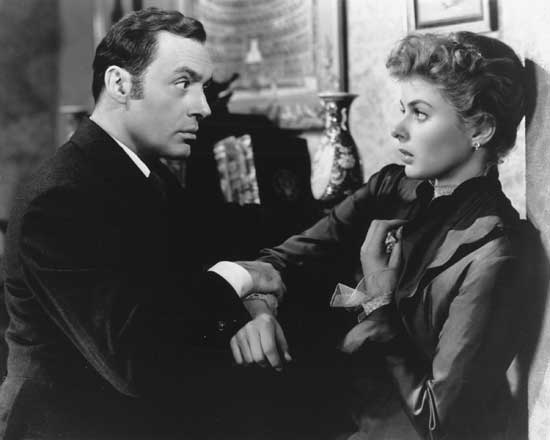
The term “gaslighting” comes from the 1938 British play “Gas Light” wherein a husband attempts to drive his wife crazy using a variety of tricks causing her to question her own perceptions and sanity. Gas Light was made into a movie both in 1940 and 1944.

gaslighting2

Gaslighting Techniques and Examples
Gaslighting is emotional abuse that aims to make victims doubt their own perceptions and memories. Find out if you are being gaslighted in your relationship.There are numerous gaslighting techniques which can make gaslighting more difficult to identify. Gaslighting techniques are used to hide truths that the abuser doesn’t want the victim to realize. Gaslighting abuse can be perpetrated by either women or men.

“Withholding” is one gaslighting technique where the abuser feigns a lack of understanding, refuses to listen and declines sharing his emotions. Gaslighting examples of this would be:

“I’m not listening to that crap again tonight.”
“You’re just trying to confuse me.”

Another gaslighting technique is “countering,” where an abuser will vehemently call into question a victim’s memory in spite of the victim having remembered things correctly.

“Think about when you didn’t remember things correctly last time.”
“You thought that last time and you were wrong.”
These techniques throw the victim off the intended subject matter and make them question their own motivations and perceptions rather than the issue at hand.

It is then that the abuser will start to question the experiences, thoughts and opinions more globally through statements said in anger like:

“You see everything in the most negative way.”
“Well you obviously never believed in me then.”
“You have an overactive imagination.”

“Blocking” and “diverting” are gaslighting techniques whereby the abuser again changes the conversation from the subject matter to questioning the victim’s thoughts and controlling the conversation. Gaslighting examples of this include:

“I’m not going through that again.”
“Where did you get a crazy idea like that?”
“Quit bitching.”
“You’re hurting me on purpose.”

“Trivializing” is another way of gaslighting. It involves making the victim believe his or her thoughts or needs aren’t important, such as:

“You’re going to let something like that come between us?”

Abusive “forgetting” and “denial” can also be forms of gaslighting. In this technique, the abuser pretends to forget things that have really occurred; the abuser may also deny things like promises that have been made that are important to the victim. An abuser might say,

“What are you talking about?”
“I don’t have to take this.”
“You’re making that up.”

Some gaslighters will then mock the victim for their “wrongdoings” and “misperceptions.”

Gaslighting Psychology
The gaslighting techniques are used in conjunction to try to make the victim doubt their own thoughts, memories and actions. Soon the victim is scared to bring up any topic at all for fear they are “wrong” about it or don’t remember the situation correctly.

The worst gaslighters will even create situations that allow for the usage of gaslighting techniques. An example of this is taking the victim’s keys from the place where they are always left, making the victim think she has misplaced them. Then “helping” the victim with her “bad memory” find the keys.

gaslighting

Are You a Victim of Gaslighting Emotional Abuse?
According to author and psychoanalyst Robin Stern, Ph.D., the signs of being a victim of gaslighting emotional abuse include:

You are constantly second-guessing yourself.
You ask yourself, “Am I too sensitive?” a dozen times a day.
You often feel confused and even crazy at work.
You’re always apologizing to your mother, father, boyfriend,, boss.
You can’t understand why, with so many apparently good things in your life, you aren’t happier.
You frequently make excuses for your partner’s behavior to friends and family.
You find yourself withholding information from friends and family so you don’t have to explain or make excuses.
You know something is terribly wrong, but you can never quite express what it is, even to yourself.
You start lying to avoid the put downs and reality twists.
You have trouble making simple decisions.
You have the sense that you used to be a very different person – more confident, more fun-loving, more relaxed.
You feel hopeless and joyless.
You feel as though you can’t do anything right.
You wonder if you are a “good enough” girlfriend/ wife/employee/ friend; daughter.

Because several of you asked…

wolf_sheepsclothing

A few of you asked me to go into more detail about Molly’s ex Paul and exactly what made me realize he was a malignant psychopathic narcissist. So I am doing that now.

Paul was smoking crack, which is easy to hide because it doesn’t smell that much and a person can still act sort of normal when high on crack. He seemed to have a hair-trigger temper though, which is common in both crackheads (I’ve known a few and they’re all quick to rage) and narcs.

So here we have a crackhead narc, a ticking time bomb. My daughter knew about the crack, but because he continued to give such a nice, mature, intelligent impression (the guy was very intelligent) no one believed her (because she’s had a history of drug use) ; the weird behavior she displayed at his house on Christmas wasn’t her on drugs (which he said it was). Her behavior was because she was scared and depressed and having panic attacks (another thing she suffers from) because of all the mental and borderline physical abuse (he would threaten but didn’t actually hit her) she was undergoing while she lived with him.

I felt so horrible when I realized I’d been turned into a flying monkey against my own kid, who was definitely the victim.
Maybe it was some kind of weird karma, because when she was younger those roles were reversed: she’d been used by my ex as a junior flying monkey against me.
The talk we had cleared everything up.

When I look back at things now, I realize there was something a little “off” about Paul that I couldn’t put my finger on. He seemed perfect: older (38 and mature), good job as a med tech, nice home in a nice neighborhood, good looking, and very nice and friendly. What’s a mom not to love? He told me he loved my daughter — this was 3 weeks after they met. He was moving so fast. She wasn’t comfortable with moving that fast but played along partly because she didn’t want to disappoint me (Hell, I wanted to date him myself!)

But there were so many red flags we both chose to ignore. And I say chose because I did see them.

I did think it was odd that he was 16 years older than her (she’ll be 22 in April) but rationalized that at least it wasn’t some 22 or 23 year old jobless basement dweller playing video games and smoking pot all day (like a couple of her exes were like). I thought he was too old, but thought that might be a good thing.

It would have been fine had he not been a predator. He was actually telling her he wanted her to have his baby! A month after they met. He has two kids right now, ages 9 and 2, he never sees and isn’t allowed to see. He also came to North Carolina suddenly, with no plan. He said some people in Florida (where he moved from) were stalking him. Another red flag. And all he talks about is his son all the time but his baby daughter–it’s as if she doesn’t exist to him. (They had two different mothers). He is apparently not on good terms with either of them.

Also, when he took my daughter down to Florida in November, they stayed two days and made the rounds visiting all HIS friends and family (and making “secret” trips where my daughter would be told to stay in the car and wait–VERY suspicious!) , but when my daughter asked to go see her brother (who was about 5 miles away from where they were staying), the psychopath told my daughter he didn’t have enough gas. He knew full well how much they had been looking forward to seeing each other. She hasn’t seen her brother since last March.

I think Molly’s whole experience of living with a psychopathic narc was meant to teach her something and wake her up from her own descent into narcissism. Before she met him she was very narcissistic and abusing drugs. She was making terrible choices.

Since this experience(which we talked about in the conversation I posted about), she put two and two together. She knows all about narcissism and psychopathy because I talk to her about it a lot, and she herself identified him as a narcissist without my having to tell her. She says she realized she was becoming a narcissist herself because now she’ s been the victim of one and sees how immoral her behavior had been.

I hate to say this, but Molly’s 30 days in jail probably helped too. She had time to read a lot (something she usually won’t choose to do on her own) and think things over. She realized how “bad” she was, and wants to change.

So I think she may be borderline, but may also be at that point I was back in 1985 when my friend’s calling me out and telling me she couldn’t be my friend anymore because of my narcissistic behavior, woke me up and made me stop myself before I slid down the rabbit hole into true narcissism. That ex-friend was actually being the best friend I could have had at that moment, even though I was devastated over her rejection of me. I believe she saved me from developing NPD.

Some things happen because they’re a wake up call from God. Perhaps his purpose was to educate her about herself in a unusual and painful way. It probably took something that dire to save her from herself.

Here are all the red flags we chose to ignore:

1. They met in a mental health facility-a 5 day drug rehab program. Probably not the ideal way to meet a potential suitor. (Both were also diagnosed with PTSD, depression and anxiety–that doesn’t mean he’s not a narc–they often have comorbid mental disorders and addictions).

2. He came to this state without a plan. He said he was escaping people who stalked him in Florida and just kept driving until he found this area and decided this was where he wanted to live. He has no family or friends here. He paid for his house in cash within days of arriving.

3. Taking her to Florida and not allowing her to see her brother

4. Making her wait in the car while he visited people he was “doing business” with.

5. He seemed very easily upset or angered by things, but it took a while for this to show.

6. He seemed a little too perfect.

7. Moving too fast in their relationship, even talking about marriage and children.

8. He wanted my daughter to move in with him, then complained about all the money she was costing him.

9. Told me horrible things about my daughter and got me to believe them.

10. He was insanely jealous and questioned her whenever she spoke to a male friend on Facebook.

11. He has two children by two different women–neither is on good terms with him and he is not allowed to see his son or daughter.

12. Kept talking about the money Molly was going to get from her car accident settlement–and then got me to let him “hold onto” it (I trusted him more than her); the next day the money was gone.

13. Making me jump through hoops to get my cat back. Instead of just dropping her off at my house or letting me come pick her up, he released her into the woods; shelter personnel found her and I had to pay $85 to get her back.

14. He was a pathological liar.

Forever alone.

?????????????????????????????????????????????????????????????????????????????????????????????????????

I have always been attracted to narcissistic men. And them to me. I spent 28 years (7 of those AFTER we divorced) living with a malignant narcissist substance abuser and raising children with him. Before Michael, I had three serious boyfriends, and only one was not a narcissist (but was severely bipolar).

When I was in my twenties, all I wanted to do was marry and have babies–this wasn’t considered cool or forward thinking at the time (the 1980s). I wasn’t really focused on having a career like most young women my age.

I think my oddly timed longing for normal family life was because more than anything in the world, I longed to be part of a family that would not be like the one I came from, a close, functional family whose members truly loved and cared for one another. I had grand fantasies of Perfect Family Life–3-4 perfect, normal kids; a perfect, normal husband with no serious mental disorders or drug or alcohol issues; and a beautiful home with plenty of old school charm in a safe neighborhood. My Perfect Mate would be an honest, loyal husband and father who loved animals and long walks and would care deeply about all of us. Of course there would be pets too, probably a large friendly dog like a Golden Retriever. I wanted the damned Brady Bunch.

I know, you’re probably ready to vomit all over your keyboard. Chill. I’m stopping right here. I cringe when I think about how naive and clueless I was.

Does anyone remember this commercial from about 2007-09? If you’re a nausea-prone ACON you may want to take some Pepto first.

Well, this was the family I wanted to make, back in the 1980s.

30 odd years later: I hate that damned commercial with its perky, perfect, cute-but-not-beautiful soccer mom–a woman who undoubtedly had loving parents who raised her with consistency and lots of hugs and support, a woman who has extended family members like cousins or aunts or an uncle she is close to, and also has lots of friends. She also has an advanced degree in something like sociology or art history. She was popular at school, not Mean Girl/cheerleader-popular, but the next tier down from that–she was one of the honor roll kids where the girls all played volleyball or were in the Drama Club, and the guys all looked like Ferris Bueller and were Theater Nerds. But these second-tier, almost-popular kids were actually nice to everyone (unlike the top tier of popular kids who really weren’t so much popular as they were feared and respected–because they consisted largely of narcs and their sycophants) and you wanted to hate them but you couldn’t because they were always so darned nice.

Instead of pursuing her career in art history or writing a book about The Sociology of Art History, this perky redhaired 30-something has chosen to stay home with her growing brood of ginger kids, each one more red haired than the last. Her infuriating announcements of big moves (to MEMPHIS!), promotions at work, home enlargements, weeks-long family vacations, learning how to speak French, and especially…ESPECIALLY!..the group shot at the end showing the whole family focusing on Perky Soccer Mom bouncing the the new baby on her hip at the end–not just any baby, but a gorgeous fat healthy good natured baby girl with an adorable grin who probably sports fire engine red hair under that white cap–made me want to throw a brick at my TV screen.

I know this is just a commercial and those people are actors, but…I ACTUALLY KNOW FAMILIES LIKE THIS. Of course I don’t know what goes on behind closed doors (and everyone has their dark secrets), but because the members of these families always seem happy and relaxed and everyone seems to love everyone else, with not a molecule of narcissism anywhere to be seen, the skeletons in their closets don’t come out to haunt them all that much. They are probably covered with dust from disuse.

I’m assuming here that the reason this thoroughly obnoxious commercial was so popular (it ran for almost 3 years), is not because it depicts the idealized family everyone strives to create, but rather, because many people can actually relate to this smugly contented woman and her tall, dark and handsome husband, their perfect dog, their big colonial house, and their large brood of gingers.

I longed for this family because having this family would vindicate my dysfunctional and narcissistic family of origin. It was the family that would bring me Justice.

I never got that family, because I fell in love with a malignant narcissist, who in every imaginable way at the beginning, convinced me he was the Perfect Boyfriend, and later the Perfect Fiance. We made two highly intelligent but troubled kids (well, one is a lot less so but lives almost 700 miles away).
And now I am Forever Alone.

foreveralone

But I’m alright with that. More than alright.

In my past relationships, I never saw any of the red flags. I knew nothing of red flags back then other than the physical kind that signal physical danger. The most useful psychological advice about men and relationships I got in the early-mid 1980s was from articles and fluff quizzes (such as “What Does his Lovemaking Say About his Character?”) in magazines like Cosmopolitan and Glamour.

I was never attracted to “bad boys.” I chose men who had good jobs, prospects and didn’t stink or break the law. But sometimes these “perfect” guys can be anything but perfect, and because they put on such a convincing and impressive mask of normality, you don’t suspect their true motives until it’s too late. I always seemed to gravitate to the devils dressed in white.

I’m not going to recount the downward spiral that led to the dissolution of our marriage, drug addiction, troubled kids, and all the rest because I’ve done that already ad nauseam (if you must know my story of being married to a malignant narc, click on the links under “My Story”).

So I’ve done a 180 from the naive, romantic starry eyed girl I was in the 1980s–the girl who was uncool enough at the time to want a family and babies and a normal life with people who were not psychopathic or addicted to drugs or alcohol (today that would make me Taylor Swift–how times have changed). I no longer want a relationship. I relish my solitude.

I still get crushes, and plenty of them (I have one now), and just as in my teens and twenties, they still tend to be intense. My crushes are pleasurable to me but they are mine alone to enjoy, not something to be shared with the object of my infatuation. I know, I’m weird. I have an excuse to be weird and avoidant though, because I’m Aspie with Avoidant Personality Disorder. I enjoy my dreams and fantasies far more than my reality, and why ruin a good fantasy by trying to make it real?

crush

That’s why I think my mind makes sure my crushes are never on people I know personally or have to see all the time, and instead chooses men who are inaccessible for one reason or another. Famous people are the safest of all, because I do not ever not have to meet them and either (a) face rejection; or (b) worse: not be rejected but gradually find out they are really just another sick malignantly narcissistic tool who will fly me to the moon and feed me fresh blackberries dipped in cognac, and then ever so insidiously proceed to turn my life into one resembling incarceration in a Turkish prison before I know what even hit me.

I’ve been there, done that. I am no longer of childbearing age, and though I look far younger and fitter than my 55 years, I realize I’m not going to look this good too much longer. At my age, there’s a feeling that you just don’t have what it takes to attract a man anymore, even when it’s not true. Because I look better now than I have since my mid-late 30s. Sure, maybe a woman of a certain age can’t attract the 20-somethings anymore, but what middle aged woman in her right mind really wants a 20-something for anything but a quick fling, anyway? In my case my wariness and self consciousness is due to the low self esteem that’s lived with me my entire life like some parasitic twin I’ve grown so used to I sometimes forget it’s there. Hating yourself is a tough habit to break.

But the real problem isn’t my fear of losing my sexual desirability (which is already well on its way over the other side of the mountain), it’s the simple fact that I don’t trust men (or anyone) enough to become intimate with one. As an Aspie, I have trouble reading social cues, which means I often miss the important red flags and warning signs of a narcissist who is love bombing me and wooing me into his black den of misery. And more than that–I want to believe them. I want to give them the benefit of the doubt. I never learned from my past mistakes.

So no longer is “love” my passion in life or my goal. I figure I will die single and alone, but very possibly, happy. Hopefully by the time I die, I will have written a book or two that helped others, gave others joy, and brings me a nice income so I can buy my own small, quaint, quirky home near my son in Florida, somewhere near the beach.

oldwoman

Twenty or thirty years from now: I see myself–an old spinster (I love the strength that word conveys–we need to bring it back!) wearing a long brightly patterned madras-cotton dress or jeans and a slouchy, comfy sweater in cooler weather, walking barefoot along the Gulf Coast at sunset, feeling wet sand squeeze between my pale toes, waves lapping at my feet, the salt air breeze making me smile and my eyes water. I’m tossing small pebbles into the golden waves, a large dog with a cool name like Hector skipping along by my side, occasionally running ahead of me when he sees a seagull land on the darkening sand. I’ll be thinking about my grown son and daughter, and their families and satisfying lives, and my only worry would be the two-month deadline my publisher has given to finish writing a groundbreaking new book about something that matters. I’ll be Forever Alone. And like it.

All this being said, if an attractive, genuinely nice man comes along when I’m not looking, and maybe I’m feeling more strong and confident, I might venture into the ocean again, or at least get my feet wet. So sure, it could happen, but right now I’m just trying to get to know myself.