The day you realize it never was you.

“First you start to feel like maybe there never was anything wrong with you.  That perhaps the people you called family were just horrible human beings that foisted their nefarious motives on you.  They lied about you, about your worthlessness and your unlovableness and your hopeless loser life.  Lies!”

Katie, Dreams of a Better World Blog

*****

I read somewhere (sorry, I can’t remember the source) that the “truth teller” who usually becomes the scapegoat of a narcissistic family, is actually the most mentally healthy family member, even if the family has everyone convinced that person is the craziest one.


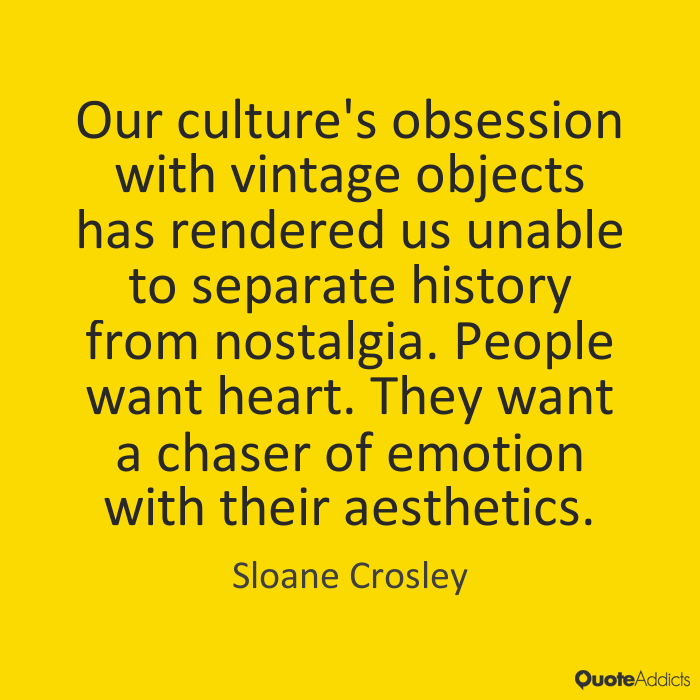
My nostalgia obsession: standing in for my lost past.

memory_lane

I’m a nostalgia junkie.  I’m nostalgic about the ’60s, ’70s, ’80s, and ’90s.  I can’t decide what my favorite decade of those four is.  They were all pretty awesome in their own ways.   Hell, I think I’m even beginning to drum up a little nostalgia for the ’00s (what do we call that decade anyway?) even though it pretty much sucked (will it suck as much in 20 years when it seems a lot less recent?)   I’ve even been known to get nostalgic over decades I didn’t even live through–the ’20s, ’40s and ’50s come to mind.

I don’t know if some people are more prone to be drawn to nostalgia than others. Maybe it’s something that happens to you when you get older, but I know plenty of twentysomethings who are REALLY into the ’90s, which if they remember any of it at all, they only remember it from the viewpoint of a very young child.   Most twentysomethings were BORN in the ’90s, for heaven’s sake.   But compared to today?  The ’90s seem innocent, even quaint.   Maybe they’re pining for that last breath of societal innocence before all hell broke loose after 9/11 which coincided with the massive shipping of good jobs overseas while those here became increasingly uncaring about their workers.  Making things worse was the complete loss of any sense of privacy due to new technologies that made it possible for anyone who wished to spy on you or find out things about you you’d rather no one know.

Some cynics who look askance at those of us drawn to nostalgia think it means we’re depressed or unhappy and must always escape to the past to cope with present life.     I don’t think that’s true, and let’s be honest, the past WAS better than the present.   At least for those of us in our second half of life, in the past not only was everything better, WE were better, at least physically.  We were still young and attractive and healthy and the future seemed filled with endless possibilities.   The older you get, the more your options seem to narrow.  The more you find that age discrimination is a very real problem.

nostalgia_obsession

Time seems to speed up the older you get.   The gap between say, 1974 and 1994 seems like an eternity, while the same gap between 1996 and 2016 seems like a blip.   The strange thing is, even Millennials are saying time is speeding up for them too.   Like us oldsters, they also think of hardly any time passing since Y2K when it’s actually been 16 years.

One possibility is that things really haven’t changed that much since 2000–or 1996 for that matter–and that’s what makes it seem like time isn’t moving.   Or at least not the popular culture and the way people dress.  The outer trappings may have changed very little, but if you look deeper, there have been massive changes in technology and the overall way we live.   In 1996, the Internet was brand new, so new most people weren’t online yet.   Being online was nothing like being online today.   It was an entirely different experience, and a lot more exciting for being so new, even if what was available online was limited and not all that interesting.   In 1996, hardly anyone had a cell phone, no one sent texts, there were no GPS devices; Facebook, Twitter and all other social media we take for granted did not yet exist.  People still used Usenet and Telnet (DOS based) chat and gaming rooms.  You had to get off the Internet to use the house phone.

Connecting with my younger self.

old_swing

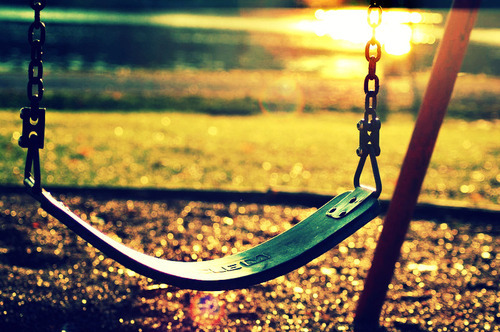
I think for me, my attraction to nostalgia is a way of attempting to connect to my past, so I can connect with my younger child-self.   Raised in a fractured, dysfunctional family that constantly moved, where nothing was permanent, where people shun and disown each other and don’t speak to each other for years, where family pictures–even entire photo albums and lovingly drawn child-portraits–are thrown away as if they’re nothing more than out of date newspaper circulars; where old toys, magazines, books, and records were callously given to The Salvation Army because it was just “clutter,” where the past had no meaning or sacredness, where reminiscing is haughtily dismissed as “wallowing.”

Unlike in normal families, where an adult child can often count on returning to their childhood room while visiting the home they were raised in, where their old toys and photos are lovingly kept stored away but can easily be retrieved for reminiscing, my past was as temporary as the homes we lived in, something to be forgotten and tossed out with the trash.    I might as well have been a foster child.

I have exactly 15 photos of myself as a child and teenager that I managed to salvage.  Right, just 15.  (I have a few more of me in my 20s).   At one time there were probably hundreds of pictures, since I remember my dad took pictures any opportunity he had, but neither of my parents have any idea what happened to them.   None of my toys, books, schoolwork, awards, or records were saved; what I didn’t take with me got given or thrown away.  A very large pastel portrait drawn of me at age 6 has somehow been “lost.”  Really?  I wonder about that.  How does a family “lose” such a large object that once meant so much that it hung over the mantel in the living room?

So, you see, my connections to my past are extremely sparse.  Besides those 15 photos and a few odds and ends (a newspaper article about me and a few other kids in a “silly hat contest” when I was about 6, a few letters from summer camp ’71 addressed to my parents, a mimeographed day camp newsletter in which I remember being so excited to be a “published author” because they published a single sentence I wrote about an arts and crafts project I had done; a single framed lithograph of my zodiac sign I’ve had since I was 12; and bizarrely, a sterling silver and mother of pearl baby rattle given to my mother by someone when I was born), I have nothing from my distant past, no tangible reminders of my early years.   I’ve noticed since I’ve been in therapy having more desire to have these long-lost things, I think because having these visual reminders would help me remember key events and bring them into the present for me so they can be worked on.  Maybe that’s another way my family sabotaged me–by making my journey to wellness more difficult by eradicating anything I could connect to my past.

I often look at nostalgia sites, reading about music, fashion, news events, old ads, and popular culture from when I was young or younger.   Lately, I’ve been doing it more frequently than I ever have.    I don’t think it’s really because things today are so much worse or because I’m getting old; I think my fascination is my attempt to find an alternative route to connect with myself at an earlier age. In leiu of being able to do this through personal mementos and old family photos, I have to resort to public nostalgia sites and old TV and music videos.   It’s still lots of fun though, even if the presence of useful triggers that could be used in my therapy are missing.

Empty words.

love_quote

“I love you.”

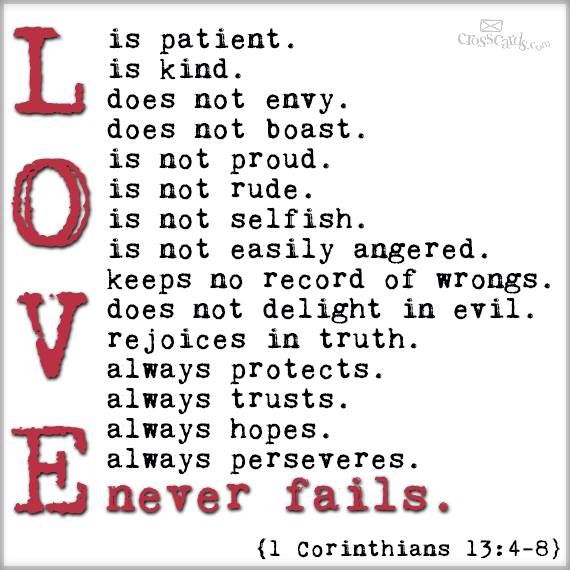
Adult children of narcissists hear those words a lot.  But they ring hollow and false to my ears, because words are just words–it’s the actions behind them that give them meaning.  And I haven’t been shown much (if any) love or support by my family or the other narcissists in my life who have have uttered those three words to me so many times.

Anyone can send a Hallmark card or say “I love you” but that’s as close to love as narcissists can get, because they never learned what love really is.

There’s a blogger I read who is a narcissist.   I like his posts because he writes about narcissistic abuse from a narcissist’s point of view (nope, not Sam Vaknin).  Oftentimes you learn more about something when it comes out of the proverbial horse’s mouth.    You get a whole new perspective on things that way.    Usually he writes about the tactics a narcissist uses to prey on others, but sometimes he’s more transparent and and shows some vulnerability–even writing about the abuse that was done to him and turned him into a narcissist.  From one especially gutwrenching post where the blogger, HG Tudor, describes what sort of “love” he was taught as a child:

Love is being told to never trust anybody.

Love is being made to re-write the entire essay because of one spelling mistake.

Love is being sent to stand outside on a cold winter’s day until all three verses of Ode to Autumn are recited correctly.

Love is knowing nothing is ever good enough.

Love is understanding that someone else knows better than you what is best for you.

Love is turning away from the reality.

Love is standing straight against a wall for several hours for speaking out of turn.

Love is for the weak.

Love is being told that when I am gone nobody else will look out for you.

Love is succeeding.

Love is building a wall as high as possible.

Love is trying until it hurts and gaining that final curt nod of approval.

Love is being seen and not heard.

Love is fulfilling your potential and securing that legacy.

Love is hurting you even though it hurts me, but someone in this household has to do it and it won’t be him will it?

Love is reading to yourself than being read to.

Love is living in the shadows and hoping not to be noticed.

Love is being the best.

Love is the preserve of the powerful.

Love is being denied a birthday party because the other children are too stupid.

Love is being undermined in order to prevent conceit.

Love is a begrudged recognition and the injunction to try harder, go further, climb higher, run faster, study longer.

Love is burning your hand but not crying.

Love is a righteous beating.

Love is being distant and pretending things never happened.

Love is being sent away.

Love is not being told.

Love is splendid isolation. 


He has it right.   He knows this is not what love is, even if he has no idea what real love is.    There’s a lot of anger in his post.  What he may not realize is this list could apply to ALL children of narcissistic families, not just people like him who have NPD.

There’s one difference though.   For those of us who didn’t become narcissists, we somehow learned what love is.   Real love is unconditional love: love that is unearned, love that is given just because you’re who you are, regardless of your flaws and shortcomings. You are not shamed for being who you are, at any point, ever.  You are cherished for your soul, not your appearance, income, intelligence, or achievements.   You are not judged for being in a bad mood or for not being happy all the time.  Someone who truly loves you will still love you even when you’re sad, mad or afraid.  They will offer support in some way, not turn their back on you or blame you or kick you while you’re on the ground.

Those of us with C-PTSD and other trauma based disorders didn’t get unconditional love from our immediate families.   But if we didn’t become narcissists we might have had a taste of enough of it to make a model of it for ourselves.  Maybe a loving relative outside of our immediate family–a  grandfather or aunt perhaps–showed us this kind of unconditional unearned love.  Maybe we were “adopted” by the loving parents of a friend (not literally adopted, just treated like a member of that family).   Perhaps we were fortunate enough not to marry an abuser (unfortunately, that’s not the case for most of us, since we were programmed to attract and be attracted to abusers) who showed us what real love is all about.   Maybe we had a compassionate teacher when we were young.  It’s even possible that one or both of our narcissist parents (if they weren’t malignant or sociopathic) had occasional moments of lucidity when their false self was temporarily down for whatever reason, and during those rare moments were able to see and love us for who we really were, not for what they wanted us to be or what we could give them.

My point here is that love was somehow modeled for us by somebody before the critical period for being able to accept–and give–love came to a close.   Probably not enough to heal our wounds; the damage done to us was severe and complete healing may not be possible.   The scars will always remain, no matter how much work we do on ourselves.   We may be compromised in our ability to give and receive love, but we can still learn.    Even if we’ve been shown very little love throughout our lives, by the grace of God, our souls, though damaged, somehow remained intact.    For a narcissist, there’s no inkling of what actual love might feel like, even if, as with the blogger quoted above, they want to know.

love_corinthians

I’m so starved for unconditional love that when it is given to me, I want to cry in gratitude and some emotion that feels very close to relief.   Occasionally I have.    I can tell you what that kind of love feels like:  a sincere hug when you’re depressed; concerned ears that listen without judgment even if they disagree with you;  someone who isn’t a fair weather friend and is still your friend even when you’re going through a rough time or aren’t at your best; a real family that always welcomes and supports you no matter how old you are or how many problems you’ve faced and doesn’t disown you, judge you, shun you, talk badly about you behind your back, or tell you everything’s your own fault.   Love is like a respite from pain after an excruciating illness; it’s reassurance that the thing you dreaded the most did not come to pass, that in fact, the outcome was wonderful instead.    That’s what love feels like, and it’s everyone’s birthright.  That some of us received so little of it–or none at all–is appalling to me.     The injustice of it makes feel rage.

I received just enough of this kind of love, and at an early enough age, that it was modeled for me.  I received just enough that my soul escaped relatively intact, even if my mind did not.    I can feel unconditional love for others, but I’m still afraid to reach out to them, because I learned that people can’t be trusted.  So many people in my life have shown me their “love” has no real meaning and is just three pretty words with nothing inside but betrayal and hurt.    The terrible irony of having received enough of a “taste” to know what real love is  like is that you constantly crave more of it, like a drowning person gasping for air.  You haven’t received enough to feel confident that it will last or that anyone in the world really cares about you, so you either clutch onto it for dear life or avoid relationships altogether.

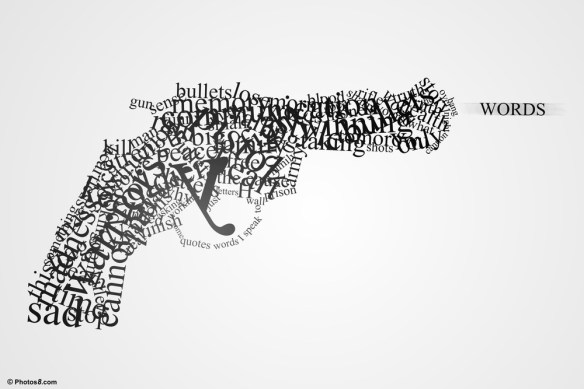
Words as weapons.

by Photos8.com

by Photos8.com

If you were raised by narcissistic parents, you are probably familiar with these.  These are the words I heard from my parents (yours may differ somewhat but the devastating effect is the same).  I’ve broken them down into childhood, adolescence, and adulthood, since the emotional abuse doesn’t stop when you become an adult.  Sometimes it gets worse. No matter what stage of life you’re in, these words are intended to destroy your soul. They are extremely effective weapons.

Childhood:

child-abuse1

You are too sensitive (the #1 criticism)

You have no sense of humor.

You cry too much.

Shut up or I’ll give you something to cry about.

Your hair looks like a rat’s nest.

You always look so dirty and sloppy. (after being outside playing)

What did you do to your hair? (I did nothing; my hair was naturally thin and fine and tangled easily–and also grew in a strange way with cowlicks and weird curls)

You read too much.  (what?)

You’re too obsessed with your books, drawing, and solitary games. (These were my escapes)

You act so immature; no wonder you have no friends.

You know you hate competition (when I wanted to join the swim team)

You know you’re not good at team sports. (I wasn’t, but this made me doubt myself even more when playing team sports)

I don’t think you really want that. (subtle gaslighting intended to make me doubt my own reality)

Here, let me do that for you.  (a favorite of my mother’s when she didn’t have the patience to teach me or supervise me in a new or unfamiliar activity)

You’ll only make a mess of things. (another way to discourage my competence).

They’re just jealous of you because you’re prettier/smarter than they are (this seems nice but wasn’t based on reality and even I could see through that BS; I was bullied because of my high sensitivity, not my “superior” looks and intelligence)

You come from a better family than they do. (better in what way?)

We don’t associate with people like that. (see above–my parents were VERY into social status)

Don’t tell anyone what goes on in this family.

Keep your mouth shut about what happened here tonight.

Adolescence

teenager_sad

You’re gaining too much weight.  (my mother’s #1 favorite criticism, usually done in front of others)

You’re too fat (when I weighed 120 lbs at 5’4″!)

Your hair looks too stringy/greasy/what have you done to it, etc.  (a variation on the childhood hair criticism)

You eat too much chocolate, you will get pimples and no one will think you’re pretty anymore.

You’re boy-crazy!

You don’t study hard enough; you will fail all your subjects and not graduate (always catastrophizing)

You’re too pretty to wear that/do that/say that, etc.

You know you don’t want that. (making me doubt my reality)

You know I don’t like it when you act “tough” (but my sensitivity was hated too–I could never win).

You always get too hurt by everything (no empathy after a breakup or lost friendship, etc.)

You always get too obsessed with a boy.

This dress will make you look slimmer (this was a dress given to me in front of my friends at a birthday party)

Your butt is too big (I do have a big butt–I couldn’t help it!  It’s the way my spine curves. What was I supposed to do? Slice it off?)

Your breasts are so big they will hang down to your waist when you’re 50.  (I’m over 50 now and they don’t, they weren’t THAT big, and I think there might have been some envy in this anyway because she wore an A cup and I wore a C)

You’re acting like a crazy person.

What a stupid thing to say.

You have a terrible personality. I wouldn’t like you either.

You should change your personality.

You need to learn to control yourself.

You’re not goal-oriented.

Adulthood:

depressed_woman_bw

You’re living  a loser’s life.

You have nothing to show for your life.

You make terrible choices.

You’ve always made terrible choices.

You probably did something to deserve it. (always said when someone else treated me unfairly; no empathy shown)

Well, the way you are, I’m not surprised they are so angry with you/don’t like you, etc.

You’re a disgrace.

You never learn from your mistakes.

You overreact to everything.

You have no sense of humor/too sensitive, etc.

You don’t know how office politics works.  (I don’t, and I hate it, but this was meant to insult me)

You never did have a knack for making it in the business world.

You’ll always be poor because you make such terrible choices.

Don’t expect any help from us.

You made your bed, now lie in it.

Why don’t you join a convent? The nuns will take care of you.  (said when I was threatened with homelessness during my divorce).

Go live in a homeless shelter (see above).

You don’t take good care of your kids.

You’re a terrible parent.

Those kids are going to grow up with so many problems.

You weren’t raised to be this way.

It’s not my responsibility that what I said upset you.

You chose to be upset by that.  (again, taking no responsibility and blame-shifting).

You choose your own emotions. (see above).

You made a choice to be depressed/miserable, etc.

****

I could go on, but I think this is enough for now.   Do any of these sound familiar to you?

Further Reading:
Lies My Narcissists Told Me
The Ten Commandments of the Narc Cult family.

angry_god

Narc families are like cults.   They swarm with Cluster Bees (sorry, couldn’t resist!) particularly Narcissists, and there is usually one Leader who is a Malignant Narcissist that rules over the Lesser narcissists and their supporters. There is always one member who serves as a sacrificial lamb who all imperfections can be dumped on. The Narc-family Cult has a set of unwritten Commandments. If you break these Commandments, you will be turned viciously against.  Oh, no one tells you about the Commandments; there is no Holy Book or Bible; it is just assumed that you know them and you had better learn them well and not break any if you want to keep your place in the Cult.

  1.  Thou shalt not “enable” anyone down on their luck.   Everyone should be able to take care of themselves and not expect help.   To help someone means you’re a “codependent” or “enabler” and indicates your own unfitness to remain a Cult member.
  2. Thou shalt not be weak.  Weakness means financial, emotional, physical, or mental vulnerability of any kind.   Weakness also means showing empathy or true (as opposed to fake) kindness and charity. (see above).  You are to pull your self up by your own bootstraps no matter what challenges confront you, not cry or whine, and be a self-made man or woman. Do not expect financial, emotional or any other kind of support because such support is only for weak people.
  3. Thou shalt not ask for help.  Ever.  You are to pick yourself up even if you’re bleeding to death and not expect help from others because only weak people do that.  If you die of your wounds, oh well, you were too weak to deserve to live anyway.  If you do commit the sin of asking for help, expect to be judged, scolded and criticized for daring to be so “entitled” to expect help from others.   Each man out for himself.
  4.  Thou shalt value monetary and material success above everything else.   Be a self made man or woman and have lots of material goodies to show what a strong and successful person you are.   Qualities like empathy, compassion, and kindness are only for the weak.
  5. Thou shalt never become poor.  Becoming impoverished is proof of your weakness and unfitness to live in this world.   Poverty is a heinous sin, brought on by your own unfitness, stupidity, and incompetence and is evidence of your worthlessness.   Go die somewhere, loser.  You brought this on yourself.
  6. Thou shalt keep a perfect “Temple.”   Becoming fat, even a little overweight, or having any physical flaws you do nothing about (even if you are not able to do anything about them) or not dressing fashionably  is a mortal sin punishable by rejection and shunning.   You are not worthy of a place in the Cult if your Temple shows any cracks or imperfections.
  7. Thou shalt not expect support after age 18.   When a Cult member turns 18,  he or she is expected to fully support themselves, expect no help from any Cult member, and not ask questions.  Our responsibility to you ends on your 18th birthday.    Exceptions may be made for the Golden Child.
  8. A proper Cult family must keep a Sacrificial Lamb for ritual abuse.  A Sacrificial Lamb, or Scapegoat is a necessary accessory in any proper Cult family to carry any shame the more worthy family members want to be rid of or deny.   All unsavory or shameful traits can be unloaded and projected onto the Scapegoat, since a worthy Family member must be perfect at all times.  This Scapegoat should be banished when their purpose has been fulfilled or when they are no longer of any use.   There are no restrictions on how badly a Scapegoat can be treated.  They are fair game for any kind of abuse anyone wishes to  inflict on them.  Should the Scapegoat protest this treatment or attempt to blow the whistle, they are to be banished forever.  If they die, even better.  Their souls must be destroyed.
  9.  A proper Cult family must have its Golden Child.  The golden child is a Cult Leader in Training.  Every Cult family must contribute to the causes of the Cult by presenting its best and brightest (and most obedient) member and holding that child to lofty standards and a bright future.  The Golden Child should be trained to project any undesirable traits of their own onto the Scapegoat because they too must be perfect at all times and show no imperfections.
  10. Thou shalt learn the Rituals of the Cult.   Worthy Cult members must learn the ancient and sacred techniques of Gaslighting, Blame-Shifting, Triangulation, Recruitment of Flying Monkeys, Manipulation, Faking Emotion (for personal gain), Silence (for both punishment and control), Devaluation (and Discard), Denial, Smearing, and Character Assassination (to be used against the Scapegoat).  Any Cult member who fails to learn these techniques or refuses to use them is committing a heinous sin and risks demotion to Scapegoat status.

Forever an orphan.

orphan_begging

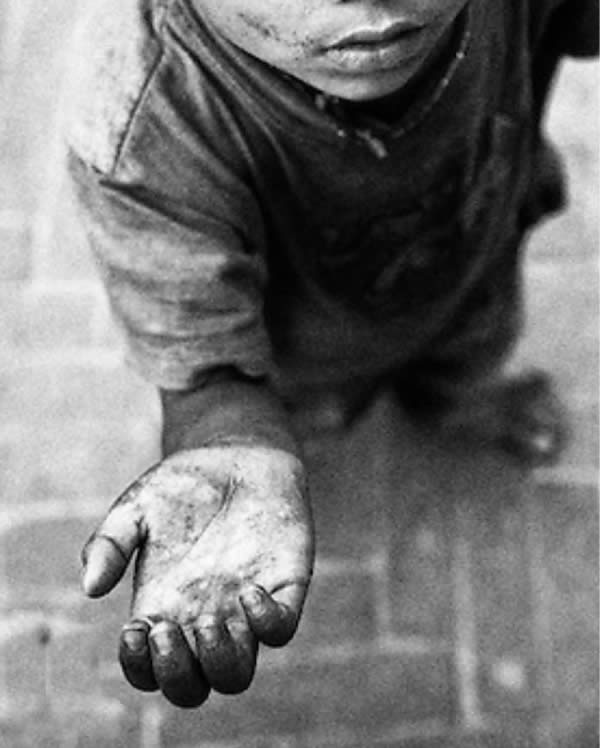
Those of us who were scapegoated and rejected by our own families often feel like orphans in life, forever being buffeted to and fro by the winds of a seemingly heartless world and hanging on to what seems like a brittle tree branch for our lives. We were trained and groomed by our families of origin to continue to be victimized throughout our lives, always treated as though we were less than everyone else, deficient in some way. We were not given the tools other children in our families, or the children of normal, loving families were given to do well in life. We were tossed out “with the wolves” so to speak, and told to “sink or swim.” Unfortunately, too many of us sink–into abject poverty, drug or alcohol addiction, eating disorders, abusive marriages, and mental and physical illness of all types. Everything that others seem to obtain with ease–a wide circle of friends, financial success, material goods like houses, cars or vacations; respect and closeness within their families, a relatively easy climb up the corporate ladder–seems to elude those of us who grew up programmed to believe we were defective.

We may not have literally been orphaned by our parents, but functionally we are no different than orphaned children. Children who lost their parents young to death or abandonment also grow up without any sense of belongingness and no loving, close attachments to anyone. How can you when you are treated like a number at some orphanage (more so in the past or in foreign countries like Romania) or are constantly being sent from one foster home to another, where the foster parents may mean well (but sometimes not) but have too many other charges to take care of to fulfill your need to belong and be loved. Orphans learn not to get too attached to anyone because any attachments they may form are impermanent. Getting close to others hurts too much, so they learn not to get close to anyone, not to trust anyone.

When orphans become adults, they are sent out into the world ill-prepared for adulthood with no emotional or financial help to guide them in their journey. With no one to truly care for them, and no families to turn to in times of need or crisis, they must either sink or swim. Those that swim do so at a cost. They may become successful in life, obtaining the trappings like money or status, but they never really know what love or real self esteem is. They don’t even know who they are. They just know they must survive–at any cost. It’s my belief that orphaned kids who take the swim route become narcissistic–how could they not? Adopting a false self and a fighting mentality is the only way they know to survive in a harsh, uncaring world where they seem to have no place.

tiredandalone

Although narcissistic abuse survivors may have been raised in actual families, we were emotionally and spiritually orphaned due to rejection and emotional abuse. We were compared unfavorably with siblings, other family members, or just about anyone else. We were raised to believe we had no rights. We were punished for having opinions. Our boundaries were constantly being violated; we weren’t even allowed to have boundaries. We were called names, belittled, gaslighted, threatened, and stunted and stifled in every imaginable way. Our efforts to be approved of and small victories were belittled or sabotaged. We were refused financial or emotional help where other children or young adults from normal families (or even our own families) would have received it (my family refused to pay for my college education although they could have afforded it). We were trained to believe we were undeserving of success or love. We developed a strong Inner Critic who continued to live on inside us long after we left our families of origin, continuing the abusive message that we are less.

We become adults who are afraid to take any risks, afraid to speak our minds, afraid to stand up for ourselves, afraid to just be. We feel guilty if we do succeed in something and sabotage ourselves just like our own families sabotaged us. If we were bullied by our families of origin, we develop dismally low self-esteem and internalize the message that we deserve nothing and are nothing. We develop a victim mentality that makes sure the bullying and rejection continues throughout our lives. We develop C-PTSD and are handicapped on almost every level for finding our rightful place in the world. We were programmed by our narcissistic families to be targets for other abusers and narcissists, who smell our vulnerability and our lack of emotional defenses. I can’t tell you how many childhood victims of narcissistic abuse were also bullied in school or even as adults in the workplace, were always passed over for promotions or raises, or married narcissistic spouses who continued the abuse, sometimes taking it to new levels of cruelty. I know because I was one of them.

Even if we somehow managed to find some small place in the world, we still feel like we don’t belong. We still feel isolated from the rest of the world, different in a bad way. We feel like we don’t deserve to have anything good. In their desperation, some narc-abuse victims sell their souls and turn to narcissism as a way to cope. They escape the enemy by becoming the enemy. Their attitude is fake it ’til you make it (or just pretend you made it). Their self esteem isn’t real; inside their prison of narcissism they are screaming in agony, but God forbid anyone ever know. They’d destroy you first to avoid being exposed as vulnerable and defenseless as they really feel. They sacrifice their very souls to survive.

Pain_ends

For those of us fortunate enough to have escaped narcissism, there is more hope. Although we may appear to have much less than someone who turned to a narcissistic defense, spiritually we have so much more. We haven’t jettisoned our souls to survive. We may have lost everything else–we may have poor physical or mental health, live in poverty, feel isolated from everyone, have difficulty getting close to others, always seem to have less than others–but spiritually we remained intact. Our quest to reclaim our humanity is a hard journey, filled with pain, but the moments of self-discovery and emotional and spiritual growth are so worth it. In the process of healing from narcissistic abuse, I finally found the family I know will always accept me unconditionally: God’s family. There is always a place at His table, where you will never be judged and always accepted for the person you are, instead of the one you can never be. In God’s family you are never an orphan.

Sometimes something as simple as music helps you get there. Here is a song that helped me (and at least one other narcissistic abuse survivor I can think of) in the early days of starting this blog:

Further reading:
Why Family Scapegoats Become Lifelong Victims
We Were The Lucky Ones
(I wrote this over a year ago, and I’ve changed a lot since then, but I think it still fits)
Adult Poverty and Scapegoathood: A Connection? 
The Reason We Became Adult Victims: What Can Be Done?
It’s All About Image: The Skewed Values of Narcissistic Families

When labels diminish a survivor

This is a powerful, emotional post about the way mental illness labels can be used by a narc family to stigmatize and gaslight against (and discard) a scapegoated child, when all that scapegoated child was doing was reacting the way any normal person would in such an intolerable situation.
Katie, you are a strong and brave woman and a beautiful child of God.
Comments have been disabled; please comment on the original post.

My fractured memory.

FracturedMemory2
“Fractured Memory,” by Hanna Trussler, 2012

I’ve been doing a lot of thinking about my early years–childhood and adolescence. As many of you know, my parents were active alcoholics, narcissists (my dad more likely covert NPD or maybe Borderline), and that I spent almost all of that time miserable and lonely due to emotional (and sometimes physical) abuse both at home and at school (because I was already trained to be a good little victim and had no self esteem or the ability to defend myself, I was bullied a lot).

The problem is, most of these early memories are fractured, hazy, or both. I remember snippets of traumatic events, but in most cases I can’t remember the entire event, or it’s spotty. Some of my memories seem more like dreams than reality and therefore I can’t remember the specifics of what happened. The same is true of my abusive marriage. I can only remember fractured pieces of that time. The two and a half decades I spent with him don’t seem like a cohesive whole, but more like a photo album with many of the photos missing. But this post isn’t about my early adult years.

I think something happened when I was 12 that was significant and a kind of turning point for me–it was when I stopped trusting anyone, I think. It was the moment when I realized how truly alone I really was and that no one cared and anyone who said they cared was probably lying. I’m not 100% sure, but I think this is when I stopped reaching out to others and began my avoidant pattern of behavior. Of course, this coincided with puberty, so maybe that had something to do with it too.

Here’s what I do remember. My parents and I had taken a two week trip to the beach. Another couple and their two children came along with us and rented the cottage next door. That couple was friends with my parents. I didn’t know my father was sleeping with the wife at the time, and my mother probably didn’t either, but I remember how jealous she was of that other woman because she was younger and blonder than she was and my father paid a lot of attention to her. Their daughter was a year older than me and was adopted. She was from India and was a close friend of mine at the time.  I envied her beautiful long, glossy black hair, permanent tan, and huge soft brown eyes.  Her little brother (her parent’s natural child) was an adorable little blond-headed boy of about 5 or 6. To me, they seemed like the perfect family. It may have been an illusion (for all I know, they were putting on appearances too), but to my 12 year mind, they seemed like they were in love with each other and their kids were both well loved and well-adjusted. My friend always seemed happier, more focused on a future (she eventually became a doctor) and much more emotionally stable than I was. I loved her and envied her.

My parents at the time were drinking heavily and fighting almost daily. Some of their arguments became physical, and I remember lying silently in my bed at night listening to these arguments as they escalated. I was both fascinated and terrified. What if they divorced? What if they abandoned me?  What if they killed each other?  What if I became an orphan?  I seemed to be the cause of an awful lot of their problems (and they did fight over me a lot).

This beach vacation didn’t put a stop to their constant fighting, and one night, my father left. I don’t know where he went, but my mother and I were left alone. My mother didn’t speak to me about this and her demeanor toward me was cold, as if I was an annoyance to her. I was terrified my father was never coming back, and I remember crying myself to sleep the next night. I don’t think my mother ever came in to comfort me. She was probably getting drunk, but I don’t remember.

Desperate for someone to talk to, I pulled the father of my friend aside, and asked him if I could talk to him in private. He always seemed like a warm and sympathetic person to me, someone who loved kids. We sat down outside on a bench near the parking lot, with the sound of the waves crashing behind us on the beach,  and I spilled out all my worries, all my pain, and all my fears.  I talked for about an hour.  He just held my hand and listened. I started to cry and he held me.  He told me everything would be alright. He didn’t say he was going to talk to my parents.

sad_child_beach

He must have talked to them, because that night I was told by my mother that my father was returning to talk to me. She said he was not happy and was in fact enraged.
He came back as promised, and that’s where my memory gets all hazy and fractured. I remember snippets, like quick-flashing frames from a movie: getting beaten severely (but I was always beaten in a way that bruises didn’t show), being told I was a troublemaker and was the reason the family was falling apart. That I was nothing but a problem to them and never knew when to keep my mouth shut. I don’t remember the rest but I know there’s even more. I just can’t access it.

I also don’t know if my friend’s father had told my parents what I’d said to him because he was concerned about me and thought they might listen to him, or if he was just another participant in the abuse against me.

I realized even then my parents were drunk and probably not fully in control of what they said and did, but I think behind their alcoholism was narcissism. I think a lot of narcissists become alcoholics or addicted to drugs, and even after they become sober or clean, refuse to look any deeper into the core issues that caused them to drink or use in the first place. But that’s a subject for a later post. One thing that did occur to me, was that the only time my parents seemed to come together as a team and weren’t attacking each other, was when they joined forces to attack me. Only then were they the unified couple I dreamed of, unified in their abuse of their only child.

I don’t remember much of what happened after that beating and berating. I’m pretty sure our vacation ended at that point. I might have been sent to stay with relatives for a week or two, or left with a babysitter, so they didn’t have to deal with me. I feel like something important got blacked out, but I can’t remember what it was. But it was around this time that I stopped being able to confide in anyone at all. I remember one of the nuns who taught me in 8th grade, a woman who seemed to favor me for some reason, once called me aside and asked me if I was abused at home. I thought to myself, how can she tell? Of course I told her I wasn’t, that everything was fine. But nothing was fine in my life anymore.  I think my emotional growth stopped that summer.  At age 12.  But it might have stopped even earlier than that.  How in the name of God was I ever supposed to grow into a happy successful adult, able to form healthy attachments to others, when I never grew beyond the age of 12?

The next summer I was sent to sleep-away camp for the entire summer, and while I did enjoy it for the most part, I couldn’t help but feel that it was a rejection, a way for my parents to get rid of ‘the problem child’ so they didn’t have to deal with my “issues.”

Wow. Suddenly I feel like crying. The pain is getting real.

I’m asking the little girl who still lives somewhere inside me to tell me everything she knows.

You.

Pointing_Finger (1)

You know who you are. I know you read this blog. But no one held a gun to your head telling you you had to read it. You actively sought it out. Your anger is unfounded because:

1. Every word I said about you is true. But by all means, keep telling yourself that lie that I am the problem.
2. I never used any real names, not even my own.
3. It didn’t have to be that way.
4. People who do the kinds of things you did to a child deserve to be called out on it.
5. I’m becoming a better person in spite of what happened to me, and maybe even because of it.
6. Adversity breeds wisdom.
7. This is my blog and I can’t be censored by you or your kind anymore.
8. I am going to die a happy and fulfilled person in spite of being so crippled emotionally.
9. No one held a gun to your head telling you to read this blog. Sometimes if you stick your nose where it doesn’t belong, it might get bit off.

Since you stopped by, let me make your visit worth it by sharing a song that reminds me of you.


Are HSPs really targets for bullies?

authenticity

(Edited from the original 3/25/15 post)

People who are highly sensitive are often targets for bullies, but it’s not high sensitivity itself that leads to the bullying. It’s because of the dismally low self esteem that tends to go along with being an HSP, especially if we were raised by narcissists. Sadly, for such victimized children, they often find more of the same at school and this only exacerbates their already low self esteem, leaving them open to further abuse.

Narcissists envy and fear high sensitivity.

narcissist_face

Narcissists hate high sensitivity in others for two reasons: 1. They envy it because it’s something they can’t have or may have lost as children and it’s a sign of an authentic person, which is something they aren’t but wish they were; and 2. they fear it, because they know this quality makes it possible for to zero in on the emptiness hiding under the narcissist’s guise.

Their hatred and fear is expressed through love bombing followed by bullying and other forms of abuse meant to weaken the HSP. An HSP’s fragile ego can be destroyed or greatly diminished after years of bullying and abuse.

Sharon: an HSP who carried a can of Narc Repellent.

narc_repellent

I was thinking about a woman I used to know named Sharon.  She was an empathetic young woman who felt everything so deeply–but mostly joy and love.  She’s exquisitely sensitive but is also self confident (she was raised by very loving parents). She is comfortable enough with herself to show her vulnerability openly, allowing herself the liberty to feel all her emotions as well as share the emotions of her friends.

You might think Sharon is a magnet for bullies, but she’s not.  She makes friends easily because she has such a loving and positive presence and and people feel like she cares about them, and she likes herself too (without being at all narcissistic). They are right.

Narcissists avoid Sharon like the plague. Why? They would probably love to get their hooks into her if they could, but Sharon’s confidence in herself and easygoing comfort around all kinds of people scares them right off. While still being emotionally vulnerable, Sharon is invulnerable to narcissists because they sense her strength. She’s indestructible and they know it. As a result Sharon is never victimized and tends to attract other loving people as her friends, people who just want to be around her because she’s a lot of fun but can also cry with you if that’s what you need.

If you’re a highly sensitive adult whose self esteem has been destroyed by narcissistic abuse or a sensitive kid who has become insecure and fearful because of bullying, your high sensitivity will be expressed very differently than someone like Sharon.

Sensitive children do get tested by school bullies, and it’s harder to not let that damage your self image when you’re so young, especially if your parents are also bullies and have already done a number on your self esteem. But for an adult, most people will admire emotional openness and vulnerability or at least respect it–as long as they also know you respect and love yourself. People can sense when you’re comfortable in your own skin and narcs will stay far away, because they’re only attracted to codependent types who are unsure of themselves or their place in the world.

Being highly sensitive: a curse or a blessing?

blessing

A sensitive person who hates herself will tend to act in ways that attract mean people and bullies to them. They are unsure of themselves, fearful, easily depressed or discouraged, easily hurt, easily frustrated, paranoid, hypervigilant, and insecure. They are afraid of everything, and like ravenous wolves, narcissists can smell their fear. They see this–not the underlying sensitivity–as weakness, and they will horn in on such a person for narcissistic supply or bullying because they’re an easy mark who will be too afraid to call them out on their abuse.

Things are very different for a sensitive person with high self esteem. Such a person will be appreciative, insightful, observant, compassionate, forgiving (but not stupidly forgiving), affectionate, creative, a good listener, empathetic, and with a well developed (but never mean or sarcastic) sense of humor. They are not fearful and they know their place in the world. They have a clear sense of their own boundaries (and those of others) and know how to enforce them if they think they’re being violated. They attract people like themselves as friends and lovers and these relationships tend to be self-reinforcing for both parties.

Narcissists know a strong HSP is powerful and dangerous to them.

scare_narcs

Malignant narcissists stay away from self-confident HSPs, because they know they’re much stronger than they are. They know they’re dealing with an authentic person who is happy with themselves and with life, while they are anything but. They know a confident HSP (not the same thing as narcissism) has a laser-like ability to see through their mask without fear and won’t hesitate to call them out when it’s necessary. To a malignant narcissist, a self-confident HSP is a very dangerous and powerful person. That’s why they work so hard to destroy our self confidence and make us hate and doubt ourselves. If we’re crippled by abuse, they can still get what they need from us (supply), without running the risk of having any damage done to them.

As my confidence has grown over these past two years, I’m noticing a transformation of my lifelong high sensitivity from something that made me feel weak and helpless for most of my life into something that makes me feel strong and authentic. I know now that this “curse” and “weakness” I was born with is really a blessing and a strength. I just needed to develop enough confidence to be able to use it effectively.

Learning to love your high sensitivity.

dancing

Here’ a few things I have learned.

1. If you have a talent or skill in one of the arts, use it to express what you’re really feeling. Painting, singing, dancing, writing, poetry–can all be ways we can release our deepest emotions in a “safe” way that’s socially acceptable. Don’t hold anything back when creating art, performing or writing. Allow yourself to be vulnerable even if it feels weird and awkward at first.

2. If you don’t have an artistic talent, take up a hobby that speaks to you or get involved in a sport such as running or take a martial arts class, which can build confidence. Activities that center you and build both inner and outer strength, such as yoga, can be helpful too.

3. Always be 100% honest about your emotions. If you’re very shy or fearful, write down your thoughts and feelings in a private journal. Don’t worry about the quality of writing–that’s all just gravy. The main point is to get your feelings down on paper. Seeing your thoughts on paper (or a computer screen) will give you clarity. If you choose to blog publicly instead, you will gain confidence from expressing your most private feelings to the whole world and from the feedback from others you will get. It can be very scary to publicly post something you wouldn’t tell your next door neighbor (as I have now twice this week!), but believe me, it’s worth it. You’ll be amazed at how much doing such a thing will increase your confidence and sense of inner strength. At first you’ll feel like you’re running around naked in public, but you’ll be amazed by the sense of freedom and liberation running around naked can give you! 🙂

4. Every day, try to do one nice thing for someone other than yourself. If you’re really ambitious, you can try volunteer work to help the poor, homeless, children, animals, or anyone more vulnerable or less fortunate than yourself. In doing so, you will feel like you have a purpose, and that you can help others. Knowing you have made someone happier will raise your self esteem.

5. Listen to music whenever you can.  It’s second only to writing and blogging in my healing journey.

6. Surround yourself with positive people (not the same thing as positive-thinking nazis, who are often narcissists themselves) but authentic, happy people who accept you for who you are and don’t judge you.

7. Get narcissists away from you. No Contact is best, but is not always possible. If you can’t separate from your narcissist, read as much about their disorder as you can, and read about PTSD and complex PTSD and the devastating effects these character disordered people can have on the rest of us. Read books about highly sensitive people. Elaine Aron’s The Highly Sensitive Person is probably the best known (and an excellent book) but there are other books about HSPs too. Write down your feelings in a journal your narcissist cannot access.

8. Try prayer. It does work.