My son’s father turned from a loving dad into a monster.

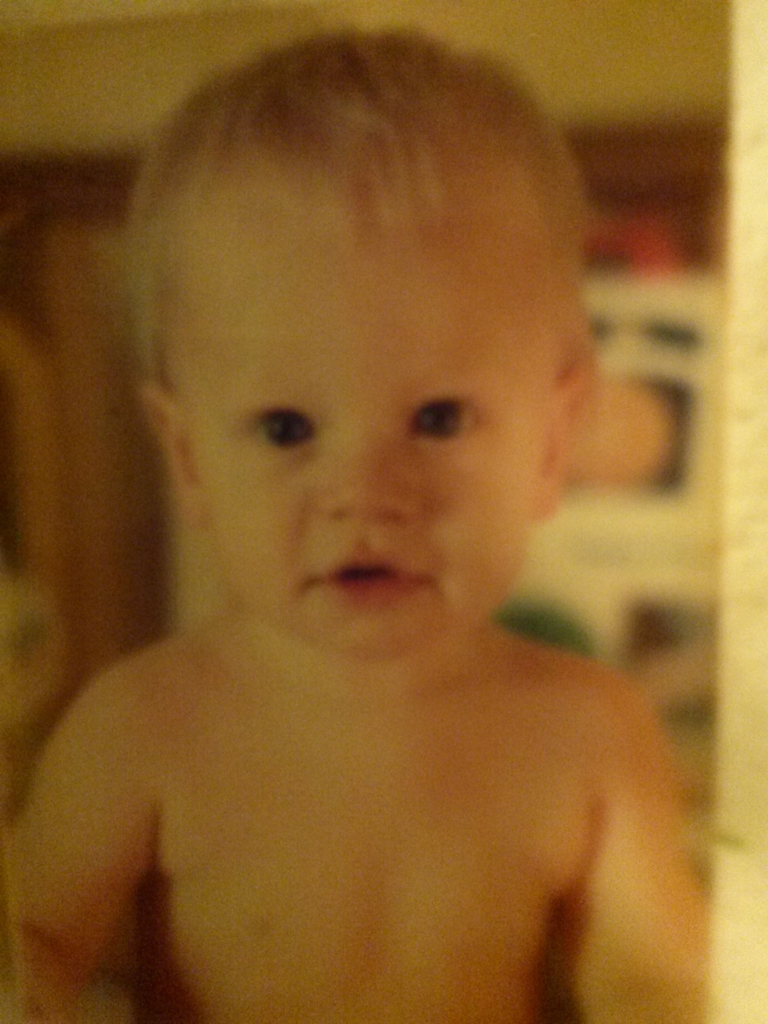
ian_9months
My son at about 9 months. His dad doted on him then.

Turning on a child who was initially loved and doted on is not unusual for malignant narcissist parents. If the child proves to be sensitive, highly intelligent, or can see through the parent’s agenda, they may find themselves suddenly turned into scapegoats. Betrayal of a child means nothing to a narcissistic parent. The child was never a child even before the betrayal, just supply.

My son (who I’ve been calling Ethan on this blog but that is not his real name) was born in October 1991 and initially was very much wanted by his father. During his infancy his father appeared to love him very much and it wasn’t unusual to find my beautiful little boy snuggled up against his dad’s chest. Though Michael (also not his real name) was showing signs of the abuser he would soon become, the abuse was directed at me, and didn’t happen often enough in those days that I was that concerned.

By the time Ethan was 3 or 4 he was showing signs of being a highly sensitive (and very creative) child. He cried frequently and was given to tantrums when he sensed discord, anger or chaos around him. He was always very sensitive to his environment and didn’t react well to everyone and he hated change. He still remembers himself as being an extremely nervous child, but those nerves were due to his high sensitivity. I was much the same way when I was his age. I could always identify with my son.

I remember when he was two, when we were moving from New Jersey to North Carolina. Because we didn’t have a lot of money for a long distance mover, we moved most of our stuff (except large pieces of furniture) in a U-Haul and a car over five separate trips. During the time the house was being slowly emptied, Ethan began to act very strange. He stopped eating, looked pale and his eyes looked too big for his face. He hadn’t really started talking much yet, but did this strange “parroting”–he’d repeat “Hi Mommy! Hi Daddy!” over and over, in a strange high pitched voice. It was creepy. His doctor said not to worry, but he just wasn’t himself. Then it finally dawned on me: a very young child sees things disappearing and doesn’t understand why (he hadn’t come on the moving trips to see where the things were going). His two year old mind deduced that eventually his parents and baby sister would disappear too, leaving him alone, so the nervous parroting of “Hi Mommy, Hi Daddy,” was to make sure we were still there and weren’t going to leave him. To a sensitive child like Ethan who hated change as much as he did, watching the things in his environment disappear must have been traumatic for him. I asked him about this recently and he still remembers it. He told me my suspicions had been correct. He was afraid we would disappear!
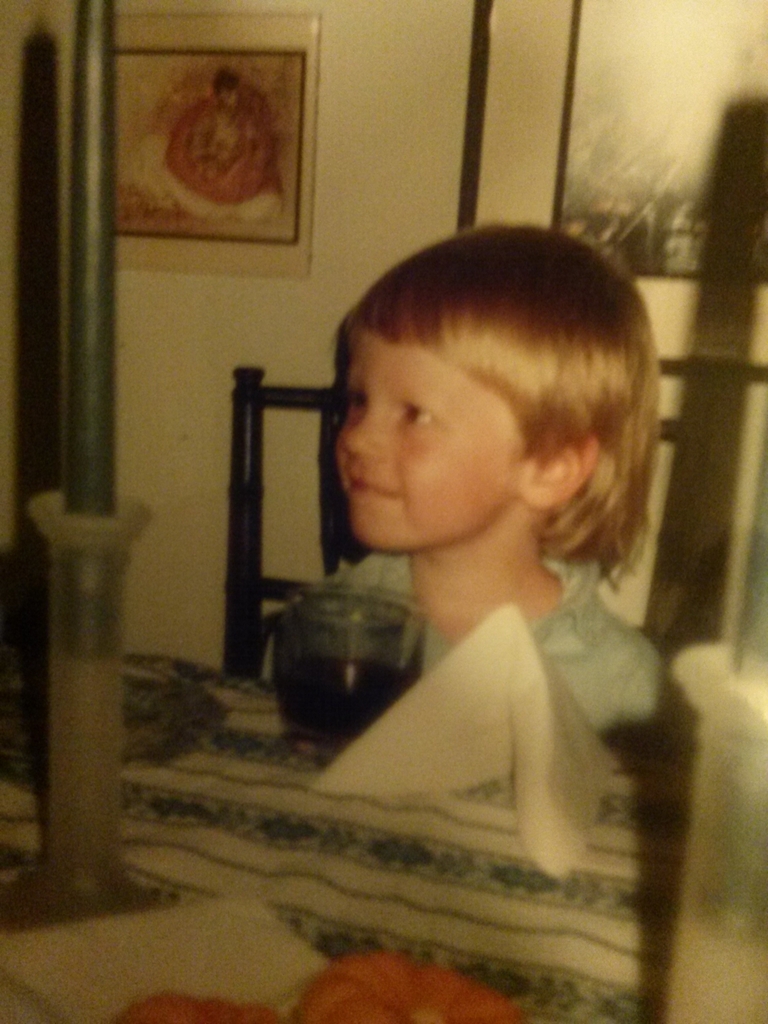
ian_age3
Third birthday. He received a cake with a blue toy car on it.

Michael saw this high sensitivity as soon as it became apparent, and suddenly his affection toward his son came to a screeching halt. He began to pick on and belittle him, calling him names such as stupid, idiot, “faggy,” pussy, baby, and loser. As young as Ethan was, I could see how his self esteem was already taking a beating. Soon he became nervous and awkward around his father but of course this just fed the abuse.

Soon Michael began to physically abuse Ethan, spanking him almost every day just for being who he was. Whenever I criticized or questioned Michael about why he was treating Ethan this way, he just said he was trying to “toughen him up.” (this from a man who called himself a feminist–go figure that one out!) I told him his aggressive behaviors toward Ethan to “man him up” were not working because Ethan wasn’t built that way, and besides they were very unloving. I told him I was afraid Ethan would think his father hated him, but of course my concerns were dismissed and I was called wrong, stupid or crazy. We had many fights about this, but the abuse never stopped. In fact it kept growing worse.

Michael constantly made fun of Ethan, imitating his speech, his walk, his awkwardness. Ethan was bullied at school for a time, just as I was, and my heart broke for him. I loved my son so much, and couldn’t bear to see the way his father treated him.

ian_age8
Ethan at about age 8, around the time his father destroyed his car collection.

The incident that I remember with the most anguish occurred when Ethan was about 8. He had a collection of about 15 or 20 collectible cars his grandfather had given him over several years and Ethan was very proud of them. He displayed them on a 5-tiered shelf in his room. One evening Michael came raging into his room for one reason or another (he was often drunk and some of his rages seemed to be caused by nothing) and knocked over the stand, sending all the beautiful and expensive replicas crashing to the floor. All of them were destroyed beyond repair. Ethan burst into tears and begged him to stop, but Michael was relentless and began pounding on him, calling him a stupid faggot crybaby, and demanding to know why he couldn’t “man up.” I was in the room at the time, desperately trying to push him away from Ethan but to no avail, because Michael was much stronger than me, and by then I was myself afraid of his rages.

This incident haunts me to this day. It’s hard for me to think of it without my heart breaking, because of how painful it was to see my brilliant, creative, sensitive little boy’s car collection destroyed for absolutely no reason at all — and my son’s self esteem taking such a beating from the man who had once seemed to love him so much during his first few years.

Fortunately, Ethan was always much stronger than he seemed, and smart too. He chose to live with me after we divorced instead of his father. Kung Fu lessons paid for by my father (which he stuck with for 3 years and got as far as brown belt) and an Outward Bound expedition for his 8th grade trip began to change him and help him rebuild his self esteem.
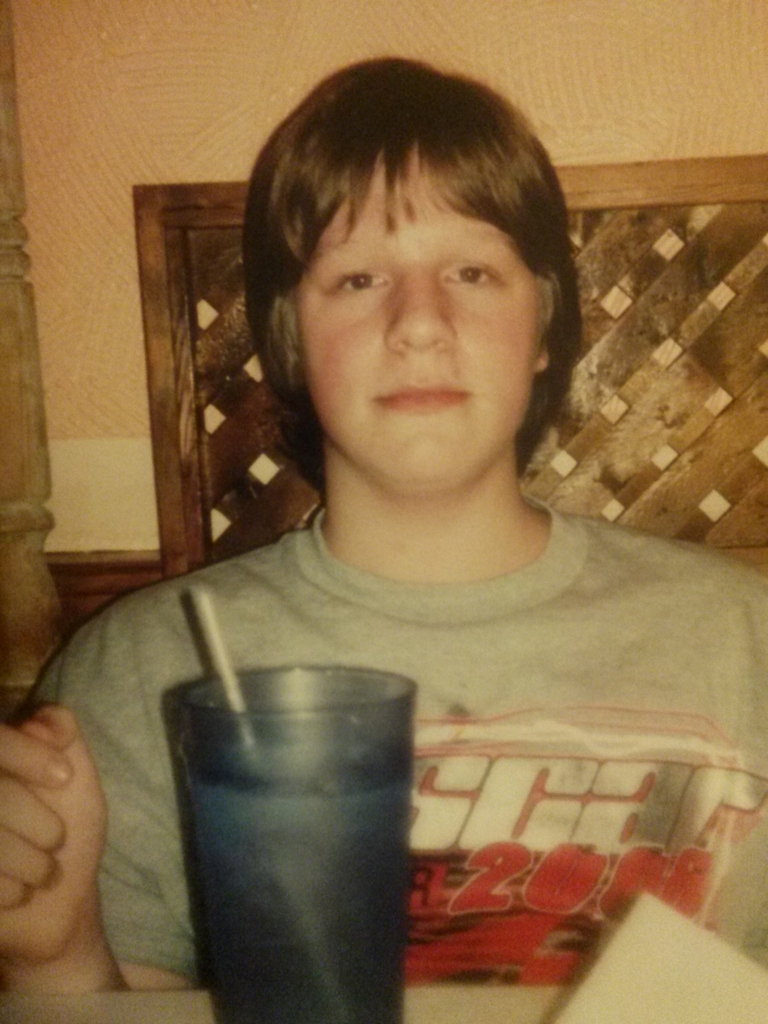
ian_age15
Age 15.

He came out as gay at age 17, and since then has become a happy and well liked young man with many interests and talents who is making good choices in life. (He also chose to live hundreds of miles away from the family but I can’t say I blame him for that). While it’s sad he lives so far away, I’m happy that he’s happy now and that after everything he went through, he may be the most mentally stable member of the immediate family. He is the only one of us who doesn’t appear to have a personality disorder.

ian_age23
Today at age 23, living on the Gulf Coast of Florida.

Not all children who were turned on and scapegoated by a malignant narcissist parent were so lucky. Many were psychologically destroyed or even killed. Ethan was one of the lucky ones.

See also:
My Son Didn’t Escape Unscathed: https://luckyottershaven.com/2015/05/11/my-son-didnt-escape-unscathed/
My MN Ex’s Weird Attitude to His Son: https://luckyottershaven.com/2015/02/24/my-mn-exs-weird-attitude-to-his-son/

Snark is not funny.

snark_definition
Credit: The Urban Dictionary.

Snark. It sounds nasty. It even has the word “narc” in it. Maybe the spelling should be changed to “snarc.” It also closely resembles the term “shark.” What do sharks do? They are predators out for blood, and they can kill.

I think snark should be added as a 23rd way you can identify destructive narcissists online (see CZBZ’s awesome article about the 22 indicators of destructive narcissism).

I’m not talking here about humor. Humor lubricates social interactions and makes you laugh. It may poke fun, but when it does, it’s lighthearted ribbing. It doesn’t tear down or destroy. Having a good sense of humor is a great thing. It’s good to be able to take a joke at your expense too, as long as it’s lighthearted and you know the person means no harm. Friends rib each other all the time, and it shouldn’t be taken personally.

I’m talking here about mean-spirited snark. You know, the “I’m so cool/mighty/smart/right and you’re a worthless loser/idiot/lunatic/minion of Satan” kind of condescending “wittiness” that makes you feel like the most lowly piece of pond scum in the lake. You find yourself wondering whether the jokesters are really joking (and you’re just being too sensitive) or are just plain mean. Well, they’re actually both. They are trying to confuse you, control you, make you doubt yourself, and tear you down–all in the name of “fun.” Snark is not fun. It’s nasty and mean. It’s not a social lubricant-it’s a weapon.

snark_warning

Snark is a form of bullying. It’s usually is participated in by several people at one time against one person. It’s a favorite tool of narcissists, trolls and bullies, who want to appear as if they’re not attacking you, when really, they are. They are showing their “superiority” over you. A narcissist will not apologize or take responsibility for their cruelty. If you object, you will be told you’re “too sensitive,” have no sense of humor, or misunderstood what they said. You may be told YOU are responsible for your NORMAL reaction to their attack.

I would like to give an example of what snark is. One of the bloggers who targeted me after I wrote that controversial article they objected to wrote a post that copied mine word for word but replaced some of the words. The intended effect of the post was to compare me to Hitler. The post was removed by the author after I suggested I might have a case for plagiarism. I took screenshots of it, but I’ll spare you. I also don’t want to identify the blogger and thereby stir up the pot again. Of course, the blogger’s excuse was that it was a joke and I overreacted. The sycophants chimed in.

Comparing me to Hitler by using my own words against me and twisting them around and replacing some of them is not funny. It’s mean-spirited and nasty. It’s something a narcissist would do.

A person with a true and honest sense of humor would not laugh at something like that. They would be horrified.

snarky_woman

The Internet is full of snark. Sometimes snark is okay. If the snark is directed at a public figure, an institution, or someone most people perceive as an enemy (such as Osama bin Laden, Charles Manson, or Jodi Arias) then I say fine. It can be funny to laugh about the things that frighten us, even if the humor is dark or mean spirited. I have a whole page dedicated to jokes about narcissists. The intention isn’t to demonize narcissists per se, but to make them appear less frightening and thereby remove some of their power over us. It doesn’t target individuals–it targets a destructive way of being in the world. If you take offense to it, then you’re probably a narcissist yourself. But no one is calling you one personally.

Snark should stop there. It’s never okay to target an individual (who isn’t a public figure) just because you disagree with an opinion of theirs or don’t like them personally. If you dislike someone, it’s best to ignore them (or simply tell them you disagree with them) without attempting to tear them down through belittling “humor”, which is a form of gaslighting. Making someone question their reality or feel bad about themselves, or attributing evil motives to them when you don’t know their story doesn’t make you look cool. Intelligent people with a shred of empathy won’t be laughing. Using snark against someone you dislike or don’t agree with says a lot more about the perpetrator than it does about the target.

Objecting to snark directed against you isn’t overreacting. It’s normal. A non-narcissist will never target a person they dislike or disagree with using snark. They will disconnect from that person or explain in a civil manner why what you said offended them and leave it at that. They won’t start a hate campaign using “humor” against you. They won’t use others as flying monkeys to gang up on you.

ETA: a word about the flying monkeys.
Flying monkeys of the snark perpetrator may not be narcissists themselves. They could be friends or supporters of the narcissist who started the smear/snark campaign. They could fear the wrath of the narcissist should they not cooperate. They might perceive the narcissist as the real victim (because they were already friends with them in the first place or the narc is very glib and convincing). Or they just could dislike the target for their own reasons–maybe they don’t like the fact the victim’s blog uses a Times Roman font instead of Helvetica. Maybe they hate the fact you run ads or sometimes write about furries.

All this doesn’t mean what the sycophants and flying monkeys are doing is right. If they’re not narcissists, they probably feel some guilt about joining a hate campaign to victimize someone, but they also could be so brainwashed they’ve come to believe the target deserves the attacks on them.

22 Signs of Online Destructive Narcissists in Forums and Blogging Communities.

honore_daumier
Honore Daumier

If we’re blogging about pathology, at some point we’ll face a critic, an accuser. This can be a bewildering mess if we assume s/he will listen to reason. If we defend ourselves, the ante will be upped. If we over-explain ourselves, s/he declares victory, becoming increasingly strident with the reward of attention and sympathy. — CZBZ of The Narcissistic Continuum.

I just read a fabulous article about how narcissism works in online forums and blogs. I think it just may be the best article about this particular cyber-dynamic I’ve ever read. I liked it so much, I got permission from its author, CZBZ (owner and author of The Narcissistic Continuum), to reblog it here.

There are 22 “red flags” that the forum or blog you are on is run by a narcissist (or narcissists). I can attest from personal experience that every single one of these red flags is spot on. That goes for forums and blogs about ANY topic, all over the web universe–and blogs and forums about narcissistic abuse are not exceptions to this rule. You can’t get away from it.

Obviously some topics will attract more narcs than others–for example, a psychology or self-help blog or forum is probably going to attract (and be run by) fewer narcs than say, a cosmetic surgery (somatic narcissism) or political (cerebral narcissism) blog. A blog about improving relationships is going to have fewer narcs lurking about than, say, a celebrity-bashing one (like The Justin Bieber Hate Blog, as just one example) or even a blog that hates on the fans of a celebrity–yes, they do exist. But you never know where one will turn up. They could even be lurking on a charitable blog about helping the homeless.
Don’t forget that the serial killer and sexual sadist Ted Bundy spent time working in a rape crisis center!

Every forum manager or blogger necessarily has some narcissistic traits–otherwise they wouldn’t be running a forum or a blog! While not every blogger is a narcissist, there’s a narcissist in every blogger–if that makes sense. There is definitely a “me, me, look at me!” aspect to running a kind of online kingdom, even if it’s not the admin’s or manager’s primary motivation for writing the blog (or running the forum).

I’ll be the first to admit there’s some of that for me too. But I think for most of us, it’s healthy narcissism. Yes, there is a such thing. Without it, we’d all be walking around dragging our foreheads along the ground, leaving a trail of blood in the dirt, while wearing a sign that says, “KICK ME.” A little narcissism helps us survive. Without just a smidgen, we’d probably be dead. Almost anything, when there’s too much of it, turns bad. Narcissism stops being a vitamin and becomes a poison at very low doses. Think of those heavy metals in your blood–like iron or magnesium. In tiny doses they’re necessary for physical survival; but raise the levels of those metals infinitesimally, and you’re dead meat.

But I digress. I think CZBZ makes some very astute observations here about what to look for in blogs and forums to tell if you might be being taken for a ride by a narc in shining armor–or if the admin or forum manager’s intentions are honest.

I’ll also add one of my own here (although I think CZ mentions it too): Snark. The mean-spirited kind of snark. You know, the “I’m so cool/mighty/right and you’re a worthless idiot/lunatic/minion of Satan” condescending wittiness that makes you feel like the most lowly piece of pond scum in the lake–as you find yourself wondering whether the jokesters are really joking (and you’re just being too sensitive) or are just plain mean. Well, they’re actually both.

22 Signs of Online Destructive Narcissists in Forums & Blogging Communities

HonoreDaumier_MeetingOf35HeadsOfExpression_zps0853d8ba
Honore Daumier — “Meeting of 35 Heads of Expression”

I’ve thoroughly enjoyed finding new bloggers through the Slayer Award and reading their stories and personal insights. Ursula, the author of An Upturned Soul, posted an excellent article asking her readers an intriguing question: Online Narcissists–Does the blog you follow belong to a narcissist?

She asks:

“What if you are following the blog of a Narcissist? Does it matter? Does it affect you? Do you even notice? After all, bloggers are supposed to write about themselves, about their lives, and share their thoughts and feelings, and do so in a way which is creative and perhaps even exaggerated for effect and entertainment purposes…I think if you’ve never been in a relationship with someone who has Narcissistic Personality Disorder, then Following the blog of a Narcissist, won’t make any difference to you. It’ll inspire and entertain and that’s that. But what if you’re recovering from a relationship with a Narcissist and you follow a blog which is powered by Narcissistic Personality Disorder?” ~An Upturned Soul

There’s a distinction between trait narcissism as measured in social network studies and the “destructive narcissism” we discuss on blogs about pathology (clinical disorders). How normal narcissists affect readers and society is fascinating, too; but for today, my focus is on the impact destructive-to-pathological narcissists have on others and how we might inform ourselves before we’re harmed. So my answer to Ursula’s question is that yes, it can be dangerous if vulnerable people are “following” someone with a Narcissistic Personality Disorder.

My short answer is this: narcissist’s unstable self-esteem and grandiosity is hyper-sensitive to ego threats. Narcissists are more willing to use aggression than non-narcissists. (Bushman) Narcissists are particularly likely to displace their aggression on innocent bystanders. (Buffardi) Good people serve as scapegoats because they limit the degree of harm they’re willing to inflict on others. Their private emails may be posted publicly, private pictures may be circulated on the net, hate blogs may be written—all in the narcissist’s attempt to regulate self-esteem by destroying others. If you have befriended an online narcissist, you will eventually say something perceived to be an insult and you may be treated more cruelly than you were by the narcissist propelling you to the Internet.

And my long answer is the following. Pack a lunch. This is complicated.

Read the rest of the article here: http://n-continuum.blogspot.com/2014/01/21-signs-of-online-destructive.html

Also Read Part 2 of Online Narcissists: A Case Study Called Puppygate.
http://n-continuum.blogspot.com/2014/02/online-narcissists-case-study-called.html

Apology for comparing narcissists to schizophrenics.

Over a week ago I wrote a post that was very controversial and angered some ACONs. While I’m not taking the article down or apologizing for its overall message (which I still think was misconstrued and misunderstood by some), I did make a bad call comparing narcissists to schizophrenics. It was in bad taste and not a very good analogy anyway. These disorders really can’t be compared since narcissism is a mental and moral disorder that was chosen by the individual (even if at a very young age) and schizophrenia is not. My sincere apologies for that tasteless and irresponsible analogy.

The 4 types of narcissistic abuse victims.

abuse_boy

It’s become clear to me that not all ACONs and abuse survivors are on the same page when it comes to their attitudes toward narcissists.
Because we all are abuse survivors you would think there’d be more solidarity among us, but this is not necessarily the case.

It seems there are four distinct types. In spite of things I may have alluded to in the past, I don’t think any one group is worse or better than any other. They are different, and each has their reasons for having the attitudes they do. I’ll explain why I think the attitudes are different among the four groups. There is definitely a pattern I’ve noticed.

1. The Narc-Hating Group.

female_warrior

These ACONs usually underwent the worst abuse as children, or had two narcissistic parents instead of just one. Having abusive parents seems to instill the greatest anger in victims–more so than having been with an abusive spouse–and this anger isn’t easily let go of. This group has a warrior mentality: to them, ALL narcissists are evil, bad seeds, or demonic, and have no hope whatsoever of recovery or healing. They may acknowledge a continuum or spectrum among narcissists, but it’s not important to them. A narc is a narc is a narc, and they are all considered impervious to change and anything they do is suspect. Some ACONs of this type are ultra-religious and believe all narcissists are seared souls destined for hell.

2. All Cluster Bs are the Same Group.

cluster_b

This group goes a step beyond the first one, in that they believe anyone with a Cluster B disorder–Borderline, Histrionic, Narcissistic, or Antisocial–is character disordered and manipulative, and therefore all pretty much the same and to be avoided like the plague. They do not make exceptions even for Borderlines–the least “malignant” of the four disorders. People who subscribe to this view were as damaged by their malignant narcissistic parents as the first group. One of their parents may have been Borderline or Histrionic, rather than narcissistic– but people with those disorders don’t always make very good parents either. It’s unfortunately all too common for narcissists to collude with Borderlines in the abuse of the child, with the Borderline in the more codependent, subservient role.

3. Not all Narcs are Hopeless Group.

smashingmirror

This group may be in the minority among ACONs (at least among bloggers), but it’s the group I’m evidently in–which has raised the ire of some of the Narc-Hating ACONs. People in this group aren’t going around singing the praises of narcissists and in fact the vast majority strongly encourage No Contact (just as the other two groups do). They do not tolerate or enable narcissistic manipulations and abuse, but they hold that because narcissism may be a spectrum disorder, that those at the lower end of the spectrum (non-malignants) may be redeemable under the proper circumstances and with the proper treatment. They may show more sympathy or empathy for people with narcissism than the first two groups, but they aren’t enablers either. Most do not believe malignant narcissists and psychopaths/sociopaths are redeemable, however.

Many people in this group were part of the Narc-Hating group when they were trying to disengage or go No Contact with their abusers. They used their anger to give them the courage and motivation to disconnect and stay disconnected. But because their hatred and anger toward narcissists isn’t as deeply ingrained as in the first two groups (I’ll explain why in the next paragraph), people in this group eventually can no longer hold onto their anger and prefer to try to understand the motives of those who abused them, while at the same time remaining disconnected from their abusers and not enabling narcissistic behavior. Their desire to let go of anger is very difficult for ACONs of the first two groups to understand, and people of the third group may be seen as betraying the ACON cause, even though this isn’t really the case at all. They’re just handling things differently.

Another reason a person may hold that some narcissists are redeemable is they may have a narcissistic child, and it’s an extremely difficult thing for a parent to accept that their own child may be beyond hope.

It’s been my observation that people in this group may have suffered less severe abuse as children, or had only one narcissistic parent instead of two. One of the parents (usually a codependent spouse) may have actually loved their child, and this love tempered the abuse inflicted on them by the narcissistic parent even if they were forced to collude with the abuse at times. Some people in this group may have even had normal childhoods with non-narcissistic parents, but got involved in relationships or marriages to narcissists (which technically means they are not ACONs at all). It’s been my observation that people who suffered most of their abuse at the hands of a narcissistic spouse or lover rather than a parent never developed the deep hatred toward all narcissists that the first two groups tend to do.

4. Codependents.

Fashion model stylized as marionette doll sitting on violet studio background

Codependents are often (but not always) personality disordered in some way, and many of them are Borderlines or covert narcissists. They are usually victimized by their narcissists, but also identify with and collude with their abusers. Most codependents were abused by narcissistic parents, and are drawn to narcissistic relationships where they are compelled to re-enact their abusive childhoods. This is the group that may never acknowledge they are being abused or reach out for help. They continue to defend and enable their abusers and may believe they are the ones at fault for anything that goes wrong. If a Codependent leaves their narcissist and realizes they were actually being abused, then they are no longer Codependent and join one of the first three categories.

#23 – The Borderline-Narcissistic Continuum: A Different Way of Understanding “Diagnosis”

This is more the sort of thing I want to blog more about. Here’s a somewhat scholarly but interesting and thought provoking article about BPD (borderline personality disorder) being on a continuum that ranges from psychosis (being totally out of touch from reality) to normal (neurotic) behavior (the idea being that everyone is neurotic to some degree, which is what makes us human).

Borderline Personality Disorder was originally given that name because mental health experts studying this disorder in the early years believed that borderlines straddled the line between psychotic and neurotic in their thinking and behaving patterns. For a borderline undergoing healing, NPD (actually functional narcissism, which includes developing self esteem) is the first step toward mental health.

According to the experts mentioned in this article and many mental health professionals, BPD is a less functional and more ego-dystonic form of NPD.

bpdtransformation's avatarBPD Transformation

For the purpose of understanding psychiatric problems in a more nuanced and optimistic way, here is a diagram from Donald Rinsley’s book Treatment of the Severely Disturbed Adolescent:

CAM00157Update

Please click on the picture to see it larger. Each row corresponds vertically to the rows above and below in describing degrees of emotional development, and each row describes emotional growth over time from left to right. The majority of the text in brown is Rinsley’s own diagram; the bottom additions in white are mine.

Donald Rinsley was among the most respected authorities on borderline and narcissistic conditions in the second half of the 20th century. He was a psychodynamic therapist who ran a psychiatric hospital for severely troubled adolescents in Topeka, Kansas in the 1960s, 70s, and 80s. He later worked extensively with personality-disordered and psychotic adults in an outpatient psychotherapy practice.

I believe that much can be learned from studying Rinsley’s…

View original post 1,954 more words

Why are there no appropriate Mothers Day cards if your mother is a narcissist?

mothers_day
Uh…no it wouldn’t.

“Honor thy mother and father.”

For people who have loving parents this may good advice, but I don’t think this Commandment applies if you were raised by malignant narcissists.

I know many adult children of narcissists who have gone No Contact with them will not celebrate Mothers (or Fathers) Day. Some won’t even send a card.

I’m not one of those who won’t send a card for Mothers Day (I don’t hate my mom, it just saddens me that we never can have a normal, loving mother-daughter relationship) but sending cards on Christmas, Mothers Day and her birthday is just about the only contact I will have with her.

The frustrating thing is looking in the stores for an appropriate Mother’s Day card. Almost all the cards in the stores are sappy and sentimental that express sentiments like, “You are my hero and my inspiration,” “You were always there for me when I was down,” or “your heart is larger than Chris Christie’s underpants.” It’s very difficult to find an impersonal card that simply says, “Happy Mothers Day.” Sometimes the only cards I can find that don’t express a sappy fake sentiment I don’t feel for my mother are the funny ones. But my mother has no sense of humor, so those aren’t really appropriate either.

Usually I can eventually find a card that applies and doesn’t have a phoney message. But it’s not easy. I always have to spend a while looking.

What have your own experiences been, if your mother (or other relative) is a narcissist? Are you so No Contact you don’t even bother with cards, or do you have the same sort of difficulty finding an appropriate card that isn’t all flowery and expresses feelings you just don’t feel?

Mothers Day is sad for me, because sometimes I do so wish I could feel those flowery sentiments for my mother, but I just can’t. I don’t hate her though. When I think of my mother, I really don’t feel anything much at all. I feel as indifferent to her as I would to a stranger.

Wolves in sheep’s clothing.

wolvesinsheeps

I wrote an article about this issue a while back, but I decided it was time to write about it again because I have seen this sort of thing happen so many times online, including within the ACON community. It’s a real problem for those of us recovering from narcissistic abuse. We are fragile and it’s so hard for us to trust anyone anymore, but we want so much to trust people who have been through similar experiences and connect with them.

The sad news is that you just can’t trust everybody you meet online.

If you’re a member of the narcissistic abuse community and participate in social media groups, blogs or forums intended to help or inform victims of narcissistic abuse, remember you are engaging with a lot of hurting and damaged people. There are people in this community who may themselves have been so damaged by their abusers they developed narcissistic ways of relating to others.

Narcissism is contagious, just like a disease. If a person was raised by narcissists or were in a close relationship with one for any length of time, they can pick up what’s known in the ACON community as “fleas”–narcissistic behaviors that stick to them the way fleas stick to a dog. If the fleas stay around long enough or become severe enough, it’s possible to actually become a narcissist!

Most narcissists aren’t aware they are narcissists. In the narcissistic abuse/ACON communities, there are narcissists who you would think are anything but. Don’t be duped into thinking just because someone’s a victim of abuse and hates their narcs (and narcs in general) with the white hot heat of a thousand suns, that automatically means they aren’t one. They probably don’t even know they are.

Some people who seem holier than thou may have developed full blown narcissism. They appear to be sheep, even though they are actually wolves. Unfortunately it’s hard to tell until you cross them or disagree with them.

Narcissists project onto others traits they hate in themselves. Just because a person was abused and professes to hate narcissists does not mean they are free of their own narcissism, which they deny in themselves but project onto those they disagree with.

In particular, be very careful around anyone who uses religion to intimidate or abuse you or attacks your beliefs. There are many religious people in the ACON community who have turned to Christ after their abuse, and of course there’s nothing wrong with that. But if someone is intolerant of your religious beliefs (or lack thereof) or calls yours a “false religion,” that’s a huge red flag, in my opinion.

god_ego

There are unfortunately people even in this community who either pretend to be victims to exploit people they see as “weak” (I think there aren’t too many of those though, and the ones that are are usually on social media such as Facebook) or actually are victims, but have become narcissistic due to the abuse they endured. (because I am not qualified to diagnose anyone, I cannot say they actually have NPD).

But there are red flags you can be on the lookout for:

— They act “holier than thou” and use religion as an excuse to treat others badly or judge those they disagree with.
— They never seem to get any better.
— They think there is something wrong with you because you are growing and no longer wish to hang onto your rage.
— If they see someone is changing or letting go of anger, they accuse them of betrayal or worse (if they’re religious) say they are being influenced by Satan. Pathological envy? I don’t know. Maybe.
— They use personal information they were given privately against the person they are targeting. They may even state this private information in public against your wishes. Be careful what you tell people unless you know them very well.
— They attack and smear those they disagree with.
— They overreact to slights or criticism.
— They overreact to opinions they don’t agree with. You are not allowed to have a differing opinion.
— They are self righteous and never apologize.
— They talk a lot about empathy but don’t seem to really have any.
— They show no remorse for their hurtful actions.
— They ban or attack people who defend those they disagree with.
— They misquote you, twist your words, and accuse you of saying things you never said. That is gaslighting.
— They are quick to call people they disagree with narcissists or at least make obvious hints to that effect.
— They will introduce a hurtful criticism or a projection of their own narcissism onto you with a phrase such as, “I don’t mean to hurt you, but…” Bullshit they don’t mean to hurt you.
— If you object to this online abuse, they might tell you in a condescending or smarmy way that they are “only trying to help” or are “praying for you.”

level-headed

A non-narcissistic person will not do these things. Yes, they may disagree with you. Disagreement is normal and is to be expected. I certainly don’t expect everyone to agree with everything I write. I’m well aware some of my opinions are controversial and even unpopular. That knowledge won’t stop me from posting them though. But I welcome dissenting opinions, because that can make a discussion more interesting than if everyone agrees with me all the time. There is nothing wrong with a good, healthy debate. I could even learn something from you, and I’ve admitted when I’ve been wrong. Hey, I’m not perfect and never will be.

If there are disagreements, as there will be, a non-narcissist will just say they disagree with you, state their case, and possibly give their reasons why they disagree with you. If they feel especially strongly about an issue, they could stop following you or decide your blog is not one they wish to read or participate in anymore. All of that is fine. It happens. You shouldn’t take it personally if someone is so offended by something you wrote they stop following you or stop commenting. But it should stop there. A normal person will simply move on and not bother with you anymore. A non-narcissist is not going to start a smear campaign against you, talk down to you as if you’re beneath them, call your religion a “false religion,” tell you you’re influenced by the devil, call YOU a narcissist, twist what you said into something you did not say, misrepresent you, or publicly bring up a personal issue you talked to them about in private just to embarrass you.

All of us can behave narcissistically when triggered. I understand that. I do it myself. If you tell someone who has attacked you in a narcissistic way because they were angry, hurt or triggered that their actions upset you, a non-narcissist will be chastened and will apologize or try to make amends in some way. If the person fails to do that, even after they are told how much their actions have hurt you, suspect a narcissist. They don’t have empathy for how you feel. You are not a person to them. They don’t care. You are wrong, they are right, and that’s that.

judgement

The insidious thing about narcissism is it’s those you would least suspect of being narcissists who in fact may be. Sometimes the Internet can feel like a minefield, and you have to be so careful where you step to avoid detonation.

Something happened to me several months ago that was a real wake up call and made me realize how careful we have to be when engaging with people online. There as a woman on Facebook who talked about her relationship with her husband, a man she said was a malignant narcissist. She said she had found a way to make her relationship with him work. Intrigued but skeptical, I sent her a private message asking what she had found out. I also sent her a friend request.

She did not accept my friend request (saying she did not know me well enough) but sent me back a strange private message that said, “I have been wanting to talk to you.” Instead of being alarmed, I was intrigued.

We talked about her “malignant narcissist” husband and the way she “handled” him. The woman’s Facebook posts were always so heartwarming, effusively proclaiming the deep love she had for her husband. She constantly posted pictures of herself with him, along with comments about how much she loved him. I looked at the photos of this guy on her timeline, looking for anything in his face or eyes that would indicate malignant narcissism (they usually have a hard or cold look, or dead, flat eyes). I didn’t see it. If anything, I thought the guy looked weak and even a little scared. In fact, his face and body language screamed codependent. The woman always wore a huge smile, but something in those photos suggested a predator “possessing” their prey. Yes, she was larger than he, but there seemed to be a look on her face that said, “he’s mine. I can do what I want with him.”

victim_abuser

I should have smelled a rat. Instead, I thought, “what a wonderful woman, who loves her husband that much in spite of his disorder.” We had several more conversations. Eventually I told her too much about myself. I told her about my psychopathic ex-husband, and how much I envied her for being able to “make things work” with her husband, but that what she did would have never worked for me because my ex was a psychopath and didn’t have enough self awareness to be able to “work with me” on controlling his narcissistic and abusive behaviors.

Shortly after divulging my own situation, I received a puzzling and upsetting private message from her. I won’t quote it here, because it was too long and I no longer have it anyway. It was a very nasty message. In a condescending, insulting way, she had the gall to let me know that my ex couldn’t have been a psychopath (really? did she know him personally?) She said, “I don’t mean to hurt you or anything, but frankly, there is something about you that is a little “off.” That hurt a lot, but was also a huge red flag. She continued, saying that she suspected I was actually the narcissist in our relationship. Oh, really? Was she a fly on the wall during our marriage? Did she have some God-like omnicience to be able to “know” all this about a person she barely knew? Then she ended her long diatribe saying that “prayer is not going to help you” and “I am trying to help you see the truth about yourself.” It was one of the nastiest messages I’ve ever received, and it was sent under the guise of “being helpful.” I could have received more “help” from a serpent.

monsters-nietzsche

The next day I got two private messages from two of my Facebook friends informing me this woman had PM’d them and told them that I was crazy and to stay away from me. The bitch was gaslighting me and triangulating against me, attempting to turn my friends into flying monkeys! I promptly blocked this woman and later found out she had done this to several other women who she envied for one reason or another. It dawned on me that she had been projecting her own malignant narcissism onto her husband, who I am sure was the real victim in their relationship. It explained the possessive, predatory way she had posed with him in their photos. It explained everything.

I want way too much to trust people in this community because so many people have experienced the same type of abuse that I have, some less so and some more. It’s natural to feel like you’ve found a haven of like-minded people who are your friends by default because of their similar stories. You simply don’t want to believe there may be wolves in sheep’s clothing lurking within the community who may have suffered devastating abuse but have actually turned to narcissism as a way to cope with what happened to them. When you realize this, it can come as a shock and you feel so horribly betrayed. You begin to wonder if anyone can be trusted.

Yes, there are people you can trust but online, as in any other community, you have to be careful. Don’t assume someone isn’t a narcissist just because they are anti-narcissist, have a blog for survivors of abuse, or have a sad abuse story of their own. That doesn’t really mean anything. Use the person’s actions and behavior–and your own intuition–as your guide. If someone makes you feel like you always have to be careful what you say around them, if they intimidate you or make you feel like you’re walking on eggshells, proceed with extreme caution. Even if they’ve shown no narcissistic behaviors (yet), be watchful and vigilant. Don’t ever give personal information to anyone you don’t know extremely well.

The Internet is a wonderful resource for abuse survivors, but remember there are wolves in sheep’s clothing online too. Please be careful.

How Do You Know if Someone is a Narcissist or Not?

It was serendipitous I happened on this article this morning because it was exactly what I needed to read to deal with an issue I’m struggling with. I thought I’d pay it forward. 🙂

anupturnedsoul's avatarAn Upturned Soul

Someone recently asked me to assist them with a problem.

They were concerned that a person they knew might be a narcissist, however they were also concerned that perhaps they were the one being narcissistic, and that their narcissism was seeing this person as a narcissist.

They had one of those moments of wondering if perhaps they were the narcissist.

How could they know if they were the narcissist or if this other person was the narcissist?

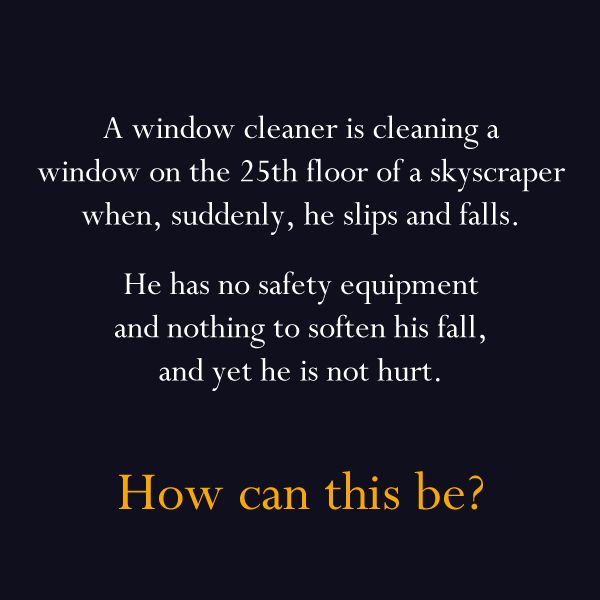
This is a brain teaser along the lines of this:

.

The Window Cleaner problemproblem (and the answer) via PFC

.

Am I the narcissist or are you the narcissist? – can you look something like this up and get the answer to it?

Yes, you can, especially online with so many people weighing in on it – but is it the right answer?

Maybe.

In this kind of scenario right and wrong depend more on…

View original post 2,274 more words

The “red flag” you should never ignore.

red_flag

When it comes to narcissism, there’s a lot of talk about red flags: behaviors that are associated with narcissistic abuse, such as lying, gaslighting, lack of empathy, grandiosity, and refusal to admit wrongdoing.

But there’s one red flag that’s underrated because it’s so subjective: your own intuition.

When you first meet a narcissist, they may seem like the nicest person you ever met. You might not see any of the usual “red flags” immediately. Before you know it, you’re involved with a person who only has ill will and will make you feel like you’re going insane. When you finally realize what you are dealing with, they may have already wreaked havoc in your life–stolen your time, your patience, your trust, your money, your self-esteem, your job, your spouse, your sanity, your identity, even your soul.

Pay attention to the way you feel around someone you just met. If you feel inexplicably on guard, intimidated, wary, or feel like you’re walking on eggshells, if the person comes off as insincere or smarmy, or you just get the heebie jeebies around the person, don’t dismiss these feelings as only your imagination. Your unconscious mind is picking up signals you may not be consciously aware of and is warning you. Listen to your feelings and if possible, get away from this person. Or at least watch them carefully.

It’s easy to dismiss intuition as irrational and a product of an overactive imagination. You’re a nice person and want to give your new acquaintance the benefit of the doubt. If you’ve been a victim of narcissistic abuse in the past, you may have learned not to trust your own feelings. But these early feelings can serve as warning signals before you see any actual red flags. Don’t question them. They are trying to tell you something.