Narcissist Achilles Heel

This is a kind of a followup of yesterday’s rant about how I was played for a fool by someone I wanted to give the benefit of the doubt to due to my “malignant optimism.” A good post by a fellow blogger from the narc abuse community, as well as a great friend and supporter. I wanted to share her words. I hope my friend doesn’t mind.

Let this be a lesson to anyone who thinks a narcissist can ever be your friend. They cannot.

Gale A. Molinari's avatargalesmind

nobody hurt without permission

I just read a very eloquent article by a really brilliant woman. You may know her.

My “friendship” with a famous narcissist is over.

This is her article I did reblog but I wanted to go further than that. What made this wonderful, caring brilliant woman care about an avowed narcissist who openly has great distain for women and people in general? She really cared about him and thought she could help him. This exact nature of hers to care about others is what entrapped her in his web. Back an forth he supported then he withdrew. He found out about her interest in narcissism from Googling his own name for heaven sake!! I made an innocuous comment and of course like the humorless narcissist he is he took offense. Instead of telling me off he went after her and blamed her for my words. If you are so proud of…

View original post 503 more words

My “friendship” with a famous narcissist is over.

wtf_narc

Some of you may have noticed I’m posting less these days. Not long ago I was averaging 3-5 new posts a day; now it’s about 1-2. To most of you, that’s probably still considered a lot of posts, but for a blogging demon like me, it’s pathetic and makes me ashamed of my lack of motivation. I hold myself to higher standards than one post a day. Lack of motivation was a problem for me during my years living with a narc; that’s not supposed to be in the picture anymore.

There are two reasons for my lack of motivation, but really just one. The first one is not the real reason but the one I’ve been using as an excuse to not post as much: too much work stress.

That’s a lie because I’ve always had too much work stress. Nothing has really changed on that front. In fact, I’m coping with work stress better than I used to, so that’s not the real reason at all.

The real reason is stupid and embarrassing, and that’s why I haven’t talked about it. Because I’m afraid I’ll be judged harshly because of it.

But I did commit to complete honesty on this blog, and I think it’s become pretty clear that nothing I confess to on this blog will be used against me or will make people judge me harshly (which is one of my biggest fears).

I also think by admitting what my problem is, that in itself might be the remedy and get my blogging mojo back up again.

So here’s the real truth.
I lost what I foolishly thought was a friendship with a man who writes books and is quite famous within the narcissistic abuse community. That man himself is a self-professed narcissist and that in itself should have been a huge red flag. I will not say his name (because I don’t want to have to add it as a tag here), but I think almost all of you in the narcissistic abuse community will know exactly who I am talking about.

I am not going to go into great detail about what happened because there is no reason to. There was never anything other than what I thought was a nice, professional online friendship. However, in my fascination with this man’s unusual mind, I became obsessed to an unhealthy level and found myself being drawn further in, even though I was simultaneously repelled by his personality.

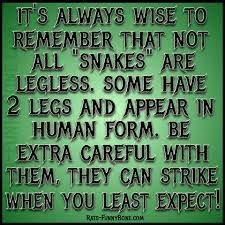
I was not immune to his abuse. No one is. Get too close, and he will abuse you. Just because he writes books and runs forums and makes videos for victims of narcissistic abuse doesn’t mean he isn’t a snake who will bite you if you get too close.

snakes

The man’s initial love bombing of this blog was followed by using it and me for narcissistic supply followed by devaluation and unfair (and untrue) accusations against me. I will not go into the ugly details; it’s not necessary. In a nutshell, I offended him in some way, and now I am “the enemy.” Ultimately he blocked me on most social media. He used me and threw me away when I was no longer of use to him. That’s what narcs do. Just because they’re famous writers who navel-gaze at their own narcissism doesn’t make them some sort of exceptions. A narc is a narc, end of story. They’re all the same.

He no longer comes to this blog, which is probably a good thing, but I won’t lie–it hurts me that he doesn’t. I miss his presence. As a matter of fact, his disappearance and blocking me sent me into a kind of depression. But that’s just part of the abuse cycle a narc uses. I feel so stupid for thinking he was going to continue to be nice to me. That he was some kind of exception just because he’s intellectually brilliant and writes material for people like us.

Ding, ding, ding! WRONG.

But there’s a nice benefit to me from his rejection too. I used to live in mortal terror of offending this overly sensitive man because I didn’t want to lose his “friendship.” I felt like I had to tippytoe around him and never say anything critical about him in order to avoid offending him. I wasn’t even allowed to make a joke at his expense, and once when I said “LOL” to a valued member of this community who made a rather innocuous joke about him, he overreacted and flew into a narcissistic rage directed at me. He blocked me for one day and then unblocked me and apologized, but at the same time lso demanded that I never allow my commenters to make jokes at his expense ever again. Whoa. After that I was very careful not to insult him and never “like” any comment that even implied a criticism.

Now I can call him on his bullshit, and that’s good because calling out the narcs on their crap is part of what this blog is for. Narcissists deserve to be called out.

Offending him was inevitable because he’s a narc, and guess what. I don’t care. In fact I’m glad I offended him and he stopped coming here. Because now I can write whatever I want about him and not be afraid of offending him because I’m already on his shit list apparently, and he doesn’t come here anymore anyway so he probably won’t even see it.

Even though he’s a raging, batshit crazy horse’s ass, to be fair, he helped me a lot in the beginning getting this blog the jump start it needed and maximum visibility. There were heady days in November and December where my blog stats shot through the roof due to something I wrote about him that got shared by him everywhere. That was good for my self esteem. He also taught me a lot of things about narcissism as well as how to promote my blog on my own. He gave me validation, maybe even a little narcissistic supply of my own (which satisfied my own inner narcissist–we all have one).

I don’t need his help anymore. I can do this on my own. But I can’t help wishing he was still around. It was kind of a huge rush that someone I admired so much and was so well known seemed to like or at least take so much interest in my little blog. His attention made me feel kind of special, if truth be told.

In addition, I wanted nothing more than to see this self professed narcissist get healed, because it seemed to me, a narcissist with that much insight and intelligence actually had hope. But I was wrong. He has no hope because he hangs onto his narcissism as a kind of trophy, but more than that, he hangs onto it as a way to keep punishing himself because he hates himself more than anyone I have ever known. He suffers but he loves his suffering. He believes he deserves it. He believes he deserves to be hated. He devalues those who reach out to him in friendship. He cannot get well because he has chosen to remain a narcissist because he thinks it’s all he deserves and it gives him some sort of twisted satisfaction (as well as being his claim to fame and source of income).

a_girl_once_told_me

So those heady days of fake “friendship” with a renowned narcissistic writer are gone. Whatever kind of friendship we had, if you can call an Internet relationship with a narcissist a friendship, is over.

He knows I no longer need his help. This blog is doing fine without him now. And he certainly wasn’t the only person who helped this blog get started anyway. But I can’t help feeling as if I did something wrong to make him cut me off. I don’t know what that thing was, because he’s not forthcoming and will probably never tell me what that thing was, if it was anything at all. He’s just another narcissist playing his narcissist games. Narcs don’t know the first thing about true friendship or even how to maintain a working professional relationship, which I stupidly thought we had.

I feel like I’ve been duped and taken for a fool, and that threw me off the roller coaster-like high I’d been riding on due to all his attention.

Okay, fine. Not only was my obsession becoming unhealthy, one day back in December, I was horrified to realize my intellectual Aspie obsession with a disordered man’s mind had developed into a massive infatuation. I was realistic about it though; I knew it was just a ridiculous crush. Not for one minute did I ever have any desire for it to materialize into anything but a pleasant mind diversion for myself alone.

For awhile that’s exactly what it remained. But some of my friends told me I had been taken in under his dangerous spell and to be very careful. They thought my obsession combined with the fact we were in direct communication was unhealthy and dangerous. I’m also afraid I might have driven off a few good friends due to my obsession. He’s not very well liked by some of my friends, and for good reason.

I understand I am not the first or the last person this man will have this kind of effect on. He’s charismatic and has a strange charm and many of us find his brilliant but disordered mind enthralling and exciting. These are exactly the same qualities cult leaders have over their followers and we all know how dangerous they can be.

narcissist_friends

The man’s works do have value though. He is a good writer and has a brilliant mind and if you keep your distance from him, his writings and videos can be valuable to us as ACONs and survivors of relationships with narcissists. Many people say his writings have changed their lives. I’m sure they are telling the truth. He gives good advice to abuse victims.

But that’s as far as it goes. I don’t agree with all his opinions and can understand the dislike some people have for his writings too. He’s pessimistic and dark and offers little to no hope for people suffering from NPD. His self hatred is so evident in his writings. He paints all narcissists as monsters because of his self hatred and that view has permeated the entire narcissistic abuse community, whether they like him or not.

While it’s good to think of narcissists as inhuman monsters when you’re trying to leave or disconnect from one, it’s actually a very toxic philosophy because this sort of negativity and pessimism demonizes a group of very sick people and gives them no hope, even those with insight who want to change, and they do exist. I’ve seen boards and blogs for narcissists who actually want to get well. Maybe they’re in the minority, but they’re out there–and they hate being stereotyped so negatively and offered nothing but hopelessness by a man who has turned his own malignant narcissism into a kind of performance art.

navel_gazing

I was foolish and got way too close due to my morbid curiosity about what made this tragically disordered man’s mind tick. Like others have been (and who had warned me in advance), I was drawn too far inside this man’s darkness. A wise person will not go up to a poisonous snake and start trying to pet it, because the snake will bite you. Stupidly, I allowed myself to get too close to the snake and got bit. Duh.

Just because he writes material for victims of narcissistic abuse and some of it can be of value to us, doesn’t mean he’s a nice person. He is not a nice person. He is a narcissist. That should be enough warning right there.

I’m trying to move on from this experience. I appreciate what he’s done for this blog. His help in the beginning was invaluable and I’ll always be grateful to him for that, as well as teaching me so much about the way the narcissistic mind operates. He was a great teacher to me, for as long as that was possible. I will still continue to read his written material, but only as one among many others.

There is a Buddhist proverb: “when the student is ready, the teacher will appear.” I believe he had a purpose to me, and his purpose has been fulfilled. But there will be other teachers. There already are other teachers–all of you who share your experiences with me on this blog. I value each one of you.

teachers

I have learned you will never be able to really understand the narcissistic mind. I tried, using his mind. The Poster Child of NPD. I tried to get as far inside his mind as it’s possible to go for someone who’s never actually met the person. I read voraciously, did my research, read interviews, heard stories from insiders who do know him, devoured his journals and poetry. I was so drawn to his disordered and undeniably fascinating mind, almost against my will. He had drawn me, as he has many others, under his powerful spell. But once I gained a kind of entry to his mind, it was like entering a hall of smoke and mirrors. I just kept getting more confused and disoriented and found that instead of my questions being answered, even more questions arose. Questions that led to more questions but never any real answers. That’s what happens if you are foolish enough to attempt to figure out what makes a narcissist tick. You will never figure it out but feel like you are losing your own mind in trying to do so.

I’ve been licking my wounds and feeling a little down because of what happened, and there you have it, folks. That’s the reason I haven’t been posting like a maniac. Please don’t judge me for that.

I love this blog and love my community of supporters and readers, and my TRUE FRIENDS. Soon I’ll have forgotten all about what happened. It won’t matter to me anymore. And I’ll be posting like a maniac again.

Narcissists as co-parents

Image

narc_coparent

Why you should never jump into a new relationship after narcissistic abuse

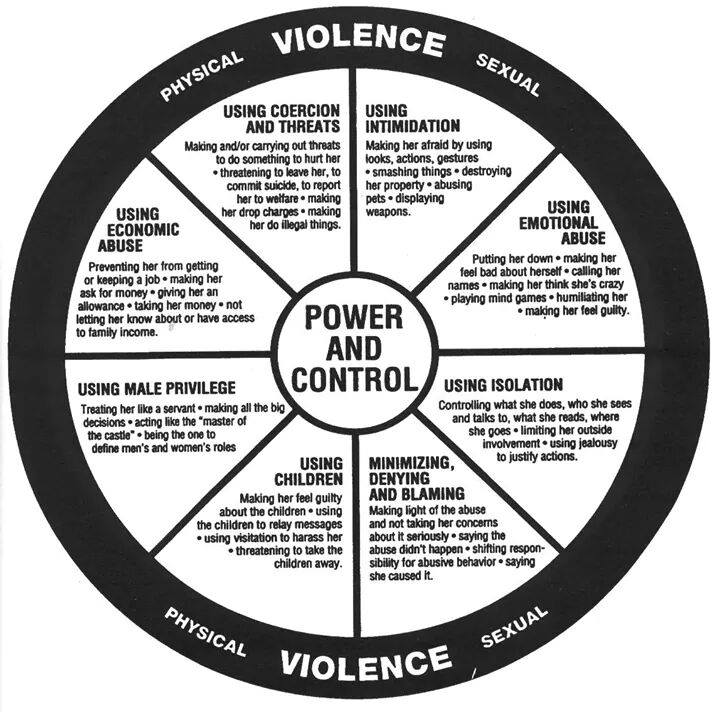
The Wheel of Abuse

cycle_of_violence
Not all abusive relationships involve physical abuse. Emotional and mental abuse can be every bit as damaging, and sometimes more so. (Click image to make larger).

A new friend of mine (a survivor of several abusive relationships with narcs) and I were talking on Facebook. Rather than try to paraphrase, I’ll quote her directly–and then give my own opinions.

Friend:

“I realized he [her malignant narcissist ex-boyfriend who she’s still in minimal contact with but who is still trying to gaslight her and get her attention by stalking her on Facebook] did everything on that wheel except for the Economic abuse. He started to subtle test the boundaries…and realized I wasn’t game. Although I believe he probably still believes I’ll contact him again. It’s amazing, [Lauren.]

The more time your away, they stronger you feel. Your self-esteem comes back slowly. I get those frightened moments when I think my new boyfriend will just Abandoned me out of nowhere. I understand why the Psychopathic free support group did not recommend a relationship right away. They know you suffer from PTSD from the aftermath of this abuse. It’s difficult. I find myself having dark flashbacks. I also believe you have to be careful and choosy about your women friends and surround yourself with only kind people. We are fragile and vulnerable after this abuse.

My reply (My original reply was short–I embellished it when I wrote this post. I hope my friend sees it).

These are all great points. It makes sense to stay out of relationships if you’ve just escaped from an abusive one because of the PTSD you probably have or even worse problems such as major depression–you need time to find yourself and work on yourself. You need time to be selfish and not have to answer to anyone because you’ve been giving, giving and giving some more with nothing to show for it in return.

We’re mentally and emotionally exhausted and need time to recover, just as if we’re recovering from any illness. We need to not have to be responsible for someone else’s welfare or self esteem or happiness for a while before taking the plunge into a new relationship. We need to take care of ourselves and find out who we are–whether that means going to therapy, writing a journal, turning that journal into a public spectacle like a blog or video diary, taking up martial arts, yoga, or finding God. We need time to heal.

Jumping into any new relationship–even with a non-narc–when you’re this vulnerable is almost guaranteed to fail and retard you in your self growth, and if you’ve been attracted to another narcissistic abuser (which is common in codependent, PTSD and Borderline women), you may wind up much worse when all is said and done.

We’re like addicts. Narcs need their narcissistic supply; we codependents need our narcs. Let’s face it: Narcissistic suitors (male or female)–at first–make us feel alive, vital and fulfill our wildest romantic and sexual fantasies (when they are trying to trap you as their prey). In a weakened state like PTSD or depression, your judgment is not going to be great and you re going to be VERY suggestible. Most likely, you’ll also become unconsciously attracted to a romantic partner who reminds you of the narc you just left (or who left you). He made sure you can’t forget him easily, even if he was terribly cruel at the end.

anime
Anime drawing (artist unknown).

Also, we tend to be attracted to the same type of person anyway. So if you’re usually or always attracted to narcissists, then most likely your taste is not going to change.

Getting involved too early after the end of a relationship with a narcissist is dangerous. Even with a non-narcissist, old patterns will still come up and you will be hypervigilant and suspicious of your new partner, causing them confusion and eventual discord. If you’re falling for a non-narc, that’s a good sign, but if you just left an abusive relationship, please wait. Envision a giant red STOP sign. Be friends instead. Now’s not the time to get involved beyond that level. If you met someone who truly cares for you, they won’t mind waiting a while and being friends with you.

If you’re already falling hard for someone, I know it’s going to be really hard to resist the pull of a new romance. It’s a powerful force, built into normally-wired people’s genes.

But remember, even though it feels like the most exciting, heady, intoxicating rush you ever felt, that feeling won’t last: what you feel is infatuation, a crush–actually caused by changes in the brain that act like a euphoric drug. That’s really what it boils down to.

infatuation-vs-love1

Infatuation so soon after an abusive relationship is really just a form of transference onto a phantom “therapist” [the person you are infatuated with] when you are at your most vulnerable. You’re looking for someone to rescue you. There is no Prince Charming. A love relationship cannot rescue you from yourself, your memories, or your PTSD. By its nature, it can’t. You are the only one who can make you well, with the help of therapists, counselors or another other trusted person who is not involved sexually or romantically with you.

So be patient, wait until you heal yourself and feel more confident. Then if you fall in love, dive in and enjoy it–and with any luck it might turn into the real thing.

Thank you to Mary Pranzatelli for this idea.

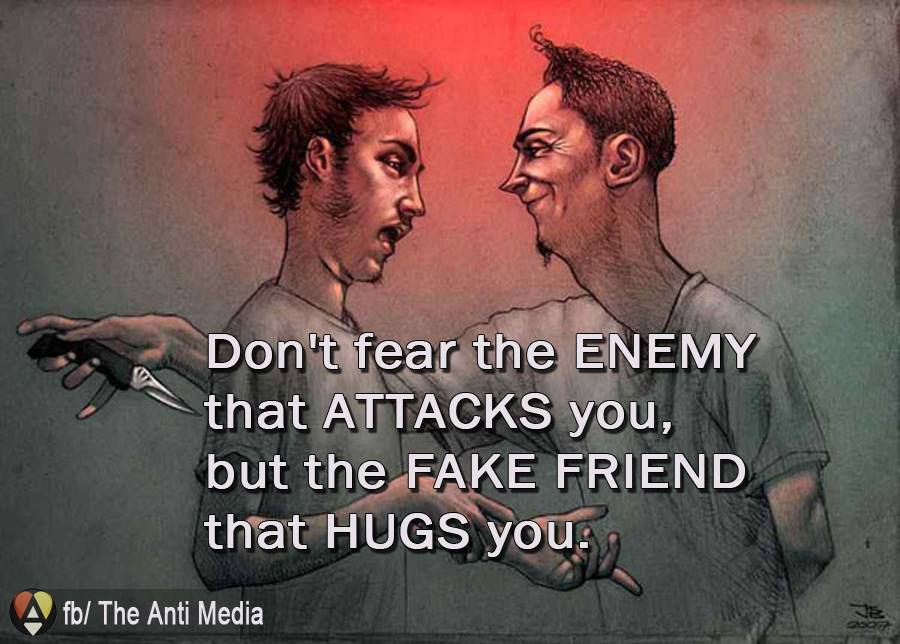
Fake friends.

Image

fake_friend

On narcissists who want to be cured.

narcissists_cant_change
We shouldn’t just dismiss them as hopeless until we know more.

The above quote is a common sentiment among survivors of narcissistic abuse, and healthy when we are trying to go No Contact with a narcissist who has tried to ruin us, or cope with a narcissist we can’t practically disconnect from. To give a narc any benefit of the doubt during these times is what has kept us trapped in a sick and destructive relationship. Many of us are also empaths and that’s the very quality that has kept us trapped in the hellish merry-go-round of the cycle of abuse. When we’re leaving our narc (or trying to cope with one), it’s healthiest for us to give them no benefit of the doubt at all. It serves us best to think of them as inhuman machines, devils, or monsters with no ability at all to love or to feel real emotions.

But is it fair or realistic to think of them this way? I don’t think it is, because narcissists aren’t machines, demons or monsters. They are human beings with a terrible mental disorder that causes them to attack and manipulate others for their own gain. I’ve come to a point in my healing where my narcs are safely out of my life, and I can finally afford to think of them as fellow humans and even have a degree of empathy for them. It’s nice to not hate, but am I deluded?

Do narcissists really suffer?

Obviously, I read a lot of blogs and forums about NPD and narcissistic abuse. There seem to be very few websites for people suffering from NPD, which you would expect, since narcissists are more likely to cause suffering in others than suffer themselves.

NPD

It has been argued that narcissists do suffer, but they suffer alone. They don’t want you to know. They aren’t likely to seek help for their disorder unless they’ve lost a major source of narcissistic supply, and the defensive structure they have built for themselves is seen by the narcissist as the flimsy house of cards it really is. I believe this is all true, but some narcissists are so out of touch with reality and their true self that they project their misery and emptiness onto others and keep lying even to themselves.

But occasionally, even on victims’ boards and blogs (the following is from a Christian-oriented blog with a strong focus on victims of narcissistic abuse whose pastor owner is unusually compassionate toward people with NPD), I see a post like this:

Wow! Reading this is very sobering. I an not a victim of this, but the oppressor! I admit that I have been this way. I am saved but I am discovering that my while life I have really been a selfish narcissist. My question is this- is hope for an unempathetic narcissist like me? I am honestly sick and tired of my selfish ways and the way I’ve hurt others and have lacked any empathy or emotional feelings for others. I trust that Christ can help me out of this, but does anyone have some advice or testimony for a narcissist who WANTS to change? I always see alot of literature for the victims of narcissistic abuse and I give my utmost respect to the victims, but what about us perpetrators who want to give this up? Any feedback put advice will help.

The narcissist, who calls himself “Michael,” followed up his post with this:

It bothers me a lot that i lack love and empathy for others. I can’t feel life the way I want to. I think my narcissism problems are largely fear-based, over rejections that happened to me at a young age. Also, I admit I’m just addicted to pleasing my self and I don’t know how to truly love someone else. It is no fun being a narcissist, it is miserable. It really bites when it seems everyone else around you knows how to love and feel deep empathy and passion, while you’re feeling “stuck in an emotional bubble”.

Posts like these ones by Michael give me hope that somewhere inside their blighted souls, narcissists still possess a seed of goodness and with enough water and sunlight, that seed can grow into something beautiful, healthy and good.

I remember several months ago a self-proclaimed narcissist came to this blog and wrote a seemingly heartfelt post that he or she wanted to change. It floored (and moved) me enough to write an entire article about it.

Malignant optimism.
I still can’t get over my childlike excitement whenever it appears a narcissist wants to get well. I’m just like a 4 year old with an ice cream cone. Sam Vaknin calls this malignant optimism. Is he being overly pessimistic about the possibility of a cure, or is he right?

I don’t know the answer to that.

malignant_optimism
Malignant optimism.

As a Christian (and a codependent), I tend to want to give people the benefit of the doubt. After all, we’re all God’s children. He made us in His own image. I always try to look for the good even when all I can see is the bad. I do believe in evil, however, and that there are truly evil people in this world. I like to think they’re not that common though. So when a narcissist says they want to change, how can I sit there and pass judgment and assume they’re just lying? To do that would make a narcissist of me. Maybe there are moments of clarity or windows that occasionally open in their dirty souls to let in the light. How can I say they’re not telling the truth? Maybe they are. They are still human beings with souls, after all.

Maybe they aren’t really narcissists.

Then there’s the possibility that a narcissist who goes on a blog or forum and writes a post about wanting to be cured, isn’t actually a narcissist at all. Very few narcissists have the insight or desire to change. Maybe “narcissists” who write posts like this really suffer from some other disorder that causes them to hurt others and lack empathy, like Borderline Personality Disorder or even certain anxiety disorders like OCD (whose sufferers may also seem to lack empathy) or psychotic disorders like schizophrenia (although the pleas for help I have seen by narcissists certainly don’t sound like they’re written by schizophrenics).

“Michael” (the above quoted poster who claims to be a narcissist), wrote about how the Holy Spirit was trying to change him but he kept fighting against it. He doesn’t sound much like a narcissist at all in this followup, but there’s no way to tell for certain without an official diagnosis. Maybe he has another disorder besides narcissism. It’s an interesting post though, because he speaks about the bullying and abuse he endured that may have caused him to develop NPD. If he does have NPD, he seems to have both insight and the desire, and that’s a good omen.

Wow thank you for that insight. I will also add i have a great deal of apathy in my life. It’s like i don’t care about others, God, life, or even my own well-being at times. But having Christ in my heart, it’s like the Holy Spirit wants it but my flesh does not.

I never handled shame or rejection well as a kid. At a young age, I was bullied in school until the end of my middle school years. I wanted acceptance from my peers- from women I wanted attention, from men I wanted respect. I didn’t receive either, so I put on a facade of myself to fit in so I would be “accepted”. My whole life I’ve been emotionally numb, and I hate it how it’s like I don’t even cry when i should, like when a loved one passes away, or when someone shows a deep display of love, just as Jesus did. Even in my Christian life, I feel like the Gospel hasn’t really penetrated me on that deep heart level yet because I cannot really love or feel love. I guess only God is the answer to this, because i sure can’t do this in my own strength.

abused

The cost-benefit analysis of healing.

If it’s possible for a narcissist to be cured of their disorder (not merely treated), it’s not going to be an easy or a short process for them or their therapists. (I’ll explore this more in a later post, but I’ve already written about it in other posts about NPD healing regimes such as Attitudinal Healing and Reparenting). It’s a topic that’s fascinating to me, and I also have a vested interest in it because it gives me hope for the narcissists in my own life that I have cared about and even loved. This could include my beloved daughter, who may have a mild form of NPD (but is more likely Borderline–the jury’s still out on that).

smashingmirror

Obviously, some narcissists would be more curable (or at least more treatable) than others. They must have both the insight into their disorder and the desire to change. They must be willing to undergo enormous psychic pain and terror as they confront their true self and shed their false self. Desire without insight isn’t possible, but insight without desire is. If narcissism has been beneficial to its sufferer, they may not want to be rid of their disorder, even though they still may be in immense psychic pain. Whether they are willing to be cured requires a cost-benefit analysis of whether undergoing intense and painful emotional catharsis is worth giving up whatever benefits narcissism has afforded them. For the vast majority, it probably isn’t. Even if they willingly enter therapy, once the painful process of healing is underway, they are likely to run away in terror and put their masks back on.

I have to be realistic too, and not dismiss the tragic possibility that a narcissist can want to change, but have no hope at all of it actually happening. All I can do is pray that God will step in and help them find their way to the light. I pray for them every day, as well as the more numerous people they have victimized.

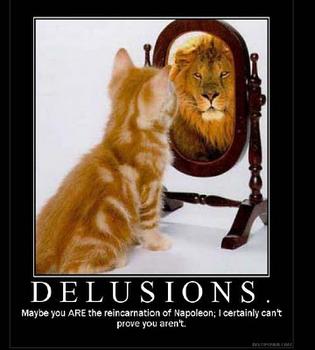
The grandiose, deluded narcissist.

deluded

The website Sociopath World, a blog by and for sociopaths (and psychopaths), is full of intriguing articles and blog posts about sociopathy and related disorders, such as Narcissism.

Naturally, I clicked on the section on Narcissism and among many entries about remorseless criminals, sadistic murderers, and narcissistic psychopaths, I found this hilarious but sad little gem about Mary Roach, a long forgotten American Idol auditionee, a young woman who shows every trait of narcissism you can imagine and is pitifully deluded about her singing ability. If there was ever a poster child for NPD, Mary was it.

The 9 Psychiatrically Recognized Traits of NPD:

–Has a grandiose sense of self-importance (e.g., exaggerates achievements and talents, expects to be recognized as superior without commensurate achievements)
–Is preoccupied with fantasies of unlimited success, power, brilliance, beauty, or ideal love
–Believes that he or she is “special” and unique and can only be understood by, or should associate with, other special or high-status people (or institutions)
–Requires excessive admiration
–Has a very strong sense of entitlement, e.g., unreasonable expectations of especially favorable treatment or automatic compliance with his or her expectations
–Is exploitative of others, e.g., takes advantage of others to achieve his or her own ends
–Lacks empathy, e.g., is unwilling to recognize or identify with the feelings and needs of others
–Is often envious of others or believes that others are envious of him or her
–Regularly shows arrogant, haughty behaviors or attitudes

It’s only necessary to have five of these traits to be diagnosed with Narcissistic Personality Disorder; Mary appears to have more than five, if not all of them.

I decided to post about poor forgotten Mary Roach rather than another depressing article about a murderer, cult leader, or abusive parent, in part because the subject matter is lighter and even funny in its sad way, but to show just how deluded and out of touch with reality “normal” everyday non-criminal narcissists can be.

Given that reality shows are swarming with narcissists, Mary wasn’t that unusual on a show like this, but even in an environment where narcissistic traits are probably beneficial if not actually necessary, Mary’s particular brand of narcissism stands out for its complete disconnect from any semblance of reality.

I’m also posting the original write up from Sociopath World because it’s so spot on. (Some of the dialogue in the video is most likely scripted, but I have no doubt Mary is very high on the narcissist spectrum).

Famous narcissist? Mary Roach
A friend sent me this. Obviously it’s hilarious, but it’s also a really good example of what if feels like watching a narcissist at work (to all of your narcissist readers that this blog apparently attracts?). There’s something so blatantly ridiculous about the way they act and how disconnected they are from reality.

Mary is absolutely immune to criticism and when confronted with the truth about her singing, she immediately assumes that her critic has a personal issue with her that is driving the criticism as opposed to merely stating the obvious truth. One of the more obvious narcissist qualities is that when the judges start playing with her, she doesn’t fight it or immediately defend herself but plays along. She wants it to seem like she is in on any joke that they might be having and even if the joke is at her expense she would rather have the attention (even negative) than cede the spotlight. When they give her the goodbye, she keeps the conversation going, although it means rehashing their worst criticism of her. She also feels compelled to turn the tables and judge them for their appearances, as being smaller, thinner, prettier, and “hot.” She doesn’t need to criticize them necessarily — it is enough that they seem interested in her assessment of them. Of course they did not ask her for her opinions on them, but she manages to misunderstand a direct question and act as if she has some unique vision that warrants sharing.

It’s so funny to watch this because I know someone who acts exactly this way, even down to the little awkward mannerisms, especially the shrug at 4:50. The world is just not ready enough to appreciate their talents, but ain’t no thing. These people can’t be kept down for long by haters.

Why is narcissism so “hot” these days?

narcissist_nation

I haven’t seen any official studies or statistics, but it seems like narcissism is possibly the most popular psychological topic on the Internet in recent years. Blogs about narcissism are spreading like wildfire (though it’s possible they may be on the decline now). The subject of narcissism seems to be brought up regularly even in articles and sites about other topics, especially entertainment, big business, and politics, where narcissism is rampant. Narcissism is a buzz word, and it’s because we children of the Baby Boomers and Silent Generation–parents who bought into narcissistic values way back in the 1960s and 1970s–are finally having our say.

In a society-wide twist of values, Narcissism has become a virtue. Old fashioned virtues like altruism and empathy are seen as liabilities that hold people back from achieving success, rather than prosocial traits that keep us civilized and human. Ayn Rand, who idealized narcissism in her philsophy of “objectivism” (and was most likely a narcissist herself) has become a cult hero; her mediocre torch romances “Atlas Shrugged” and “The Fountainhead,” both featuring selfish, narcissistic “heroes” as their protagonists, have been enjoying enormous popularity.

ayn_rand
Ayn Rand.

I believe all this started in the 1960s and 1970s, during the Consciousness Revolution. Certainly the 1950s were mind numbingly conformist and rife with racism and sexism, but things went way too far in the other direction, as Baby Boomers and younger members of the Silent generation began to rebel against all the conformity. They popularized the idea of “doing your own thing,” whatever that thing was. Having and raising children became something to be avoided and any woman with a brain avoided pregnancy as if it were a disease. Abortion and The Pill became legal–and cool. Of course there’s nothing wrong with women having control over when and whether to have children, but I think the general attitude toward children in the 1960s and 1970s was negative. Young Gen X children were not wanted or valued. They were demonized in movies like “The Omen,” “Rosemary’s Baby” and “The Exorcist.” I remember an Esquire article from March 1974, “Do Americans Suddenly Hate Kids?” Well, it did seem that way.

Their parents, the Boomers and Silents, were encouraged to put their own self-growth and advancement of their careers ahead of child-rearing. At the time, this was even thought of as “good” for children, providing them with a positive example of a parent with a high self image and lists of achievements a mile long. Unfortunately, for many children growing up during this time, the attitude that adults were more valuable than children backfired and we felt like we just weren’t that important in our parents’ universe. We grew up with collective low self esteem.

hippie_parents
Hippie parents.

The 1970s were dubbed “The Me Decade” and adults were encouraged to do and be whatever they wanted, even if this meant neglecting their own children and turning them into latchkey kids with far too much freedom for their own good. Promiscuous sexual behavior and drug abuse among adults was rampant. Women everywhere (including my own) joined consciousness-raising groups that encouraged them to put themselves over their families. The fallout rained down on the lives of their Generation X and Gen-Jones (late Boomers born at the end of the 1950s and early 1960s) children, and we suddenly found we had to fend for ourselves, without much parental support, even when our parents were not narcissists.

While attitudes toward children improved during the 1980s as Millennial children began to be born, the Boomers and younger Silents who had spearheaded the Consciousness Revolution and Me Generation, were suddenly in positions of authority in politics, business and entertainment. We had Ronald Reagan, with his “trickle down economics” and support of the “supply side” and big business over the people. Tax cuts for social programs commenced with his election and increased over the next 30 years (and show no sign of letting up). Reagan was popular and charismatic, and so were his draconian economic policies that hurt the poor and later, the middle class. New college graduates during the 1980s and 1990s realized they could make unlimited amounts of money in the stock market and suddenly the “helping professions” were unpopular and considered far less lucrative than making a killing on the stock market or in investment banking. These became the infamous “having it ALL” Yuppies.

Yuppies were better parents than their hippie predecessors, but they micromanaged everything their children did, to the point the kids became stressed because they weren’t free to just be kids. These overcontrolled children were sent to the best private schools, given lessons in everything from piano to karate, and had no free time to just play and learn on their own. Millennials grew up stressed out and expecting to achieve in life, only to find when they first entered the job market during the 2000’s, they could not find decent jobs.

yuppie_mom
Yuppie mom.

Narcissism continues to be a “virtue” and our policies increasingly glorify the self and unlimited financial achievement over humble, old fashioned values of community and compassion. Children who were born or who were children or teens during the 1960s and 1970s are now adults, the oldest of us now in our 50s. I’ve noticed most blogs by ACONs seem to be written by women in their 40s and 50s: these are the Generation X and late Boom/Generation Jones children who suffered the most at the hands of parents who bought into the selfish ’70s and greedy ’80s. Even back in those days, the shift of narcissism from a vice to a virtue was not unnoticed. In 1979, cultural historian Christopher Lasch wrote his treatise “The Culture of Narcissism: American Life in an Age of Diminishing Expectations,” about the danger of narcissistic values for American society. His book remains popular today.

We may be a bunch of middle aged fuddy duddies, but we’re no longer scared and we are not shutting up. We call out everything we see wrong with the culture we were raised in, a culture that has become just as unhealthy for our own Millennial children. We were the scapegoats of a society that didn’t value us, and now we are the truth-tellers who are boldly talking about everything that was done to us, everything that went wrong and why. It was us who spearheaded the ACON movement (and yes, it is a movement) and are bringing narcissism out into the light where it can be seen for the disgusting and ugly scourge on humanity it really is. We are doing our best to nurture our own children according to more humble, old fashioned values, although that’s hard in a society that still only values personal gain and material wealth, and still tries to keep us down.

Are you being “gaslighted”?

I found an interesting article on A Healthy Place about the emotional abuse practice of gaslighting. I never knew the various types of gaslighting actually had names!

Here’s everything you need to know about this sinister manipulation tactic used by narcissistic abusers, and how to tell if you’re a victim.

Gaslight-2

Gaslighting Definition, Techniques and Being Gaslighted
Written by Natasha Tracy

Gaslighting is a form of emotional abuse where the abuser manipulates situations repeatedly to trick the victim into distrusting his or her own memory and perceptions. Gaslighting is an insidious form of abuse. It makes victims question the very instincts that they have counted on their whole lives, making them unsure of anything. Gaslighting makes it very likely that victims will believe whatever their abusers tell them regardless as to their own experience of the situation. Gaslighting often precedes other types of emotional and physical abuse because the victim of gaslighting is more likely to remain in other abusive situations as well.

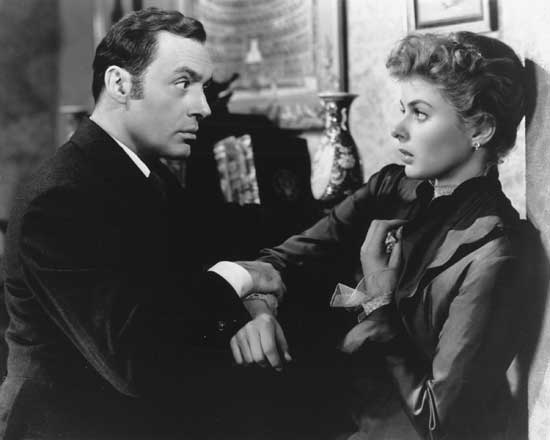
The term “gaslighting” comes from the 1938 British play “Gas Light” wherein a husband attempts to drive his wife crazy using a variety of tricks causing her to question her own perceptions and sanity. Gas Light was made into a movie both in 1940 and 1944.

gaslighting2

Gaslighting Techniques and Examples
Gaslighting is emotional abuse that aims to make victims doubt their own perceptions and memories. Find out if you are being gaslighted in your relationship.There are numerous gaslighting techniques which can make gaslighting more difficult to identify. Gaslighting techniques are used to hide truths that the abuser doesn’t want the victim to realize. Gaslighting abuse can be perpetrated by either women or men.

“Withholding” is one gaslighting technique where the abuser feigns a lack of understanding, refuses to listen and declines sharing his emotions. Gaslighting examples of this would be:

“I’m not listening to that crap again tonight.”
“You’re just trying to confuse me.”

Another gaslighting technique is “countering,” where an abuser will vehemently call into question a victim’s memory in spite of the victim having remembered things correctly.

“Think about when you didn’t remember things correctly last time.”
“You thought that last time and you were wrong.”
These techniques throw the victim off the intended subject matter and make them question their own motivations and perceptions rather than the issue at hand.

It is then that the abuser will start to question the experiences, thoughts and opinions more globally through statements said in anger like:

“You see everything in the most negative way.”
“Well you obviously never believed in me then.”
“You have an overactive imagination.”

“Blocking” and “diverting” are gaslighting techniques whereby the abuser again changes the conversation from the subject matter to questioning the victim’s thoughts and controlling the conversation. Gaslighting examples of this include:

“I’m not going through that again.”
“Where did you get a crazy idea like that?”
“Quit bitching.”
“You’re hurting me on purpose.”

“Trivializing” is another way of gaslighting. It involves making the victim believe his or her thoughts or needs aren’t important, such as:

“You’re going to let something like that come between us?”

Abusive “forgetting” and “denial” can also be forms of gaslighting. In this technique, the abuser pretends to forget things that have really occurred; the abuser may also deny things like promises that have been made that are important to the victim. An abuser might say,

“What are you talking about?”
“I don’t have to take this.”
“You’re making that up.”

Some gaslighters will then mock the victim for their “wrongdoings” and “misperceptions.”

Gaslighting Psychology
The gaslighting techniques are used in conjunction to try to make the victim doubt their own thoughts, memories and actions. Soon the victim is scared to bring up any topic at all for fear they are “wrong” about it or don’t remember the situation correctly.

The worst gaslighters will even create situations that allow for the usage of gaslighting techniques. An example of this is taking the victim’s keys from the place where they are always left, making the victim think she has misplaced them. Then “helping” the victim with her “bad memory” find the keys.

gaslighting

Are You a Victim of Gaslighting Emotional Abuse?
According to author and psychoanalyst Robin Stern, Ph.D., the signs of being a victim of gaslighting emotional abuse include:

You are constantly second-guessing yourself.
You ask yourself, “Am I too sensitive?” a dozen times a day.
You often feel confused and even crazy at work.
You’re always apologizing to your mother, father, boyfriend,, boss.
You can’t understand why, with so many apparently good things in your life, you aren’t happier.
You frequently make excuses for your partner’s behavior to friends and family.
You find yourself withholding information from friends and family so you don’t have to explain or make excuses.
You know something is terribly wrong, but you can never quite express what it is, even to yourself.
You start lying to avoid the put downs and reality twists.
You have trouble making simple decisions.
You have the sense that you used to be a very different person – more confident, more fun-loving, more relaxed.
You feel hopeless and joyless.
You feel as though you can’t do anything right.
You wonder if you are a “good enough” girlfriend/ wife/employee/ friend; daughter.

Malignant narcissism in fairy tales.

Children are educated about malignant narcissism and psychopathy at an early age through seemingly innocent fairy tales. A large percentage of them are really tales of jealousy, envy, pride, vanity and greed. The evil intentioned villains are usually in a parental or caregiving role, and the young heroes who draw the abuse and wrath of the villain must find a way to survive–which means either escape or destruction/disempowerment of the villain.

The plot descriptions for the first four are all from Wikipedia.

Cinderella

cinderella

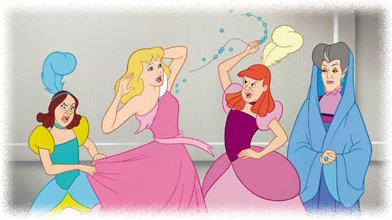
There are many different versions of this famous story; this is one of the most famous. In this tale, the malignant narcissist is Cinderella’s envious stepmother and her two stepsisters. Cinderella is clearly the Scapegoat Child, and her stepsisters the Golden Children.

A wealthy gentleman’s wife lay on her deathbed, and called her only daughter to her bedside. She asked her to remain good and kind, and told her that God would protect her. She then died and was buried. A year went by and the widower married another woman, who had two daughters of her own. They had beautiful faces and fair skin, but their hearts were cruel and wicked. The stepsisters stole the girl’s fine clothes and jewels and forced her to wear rags. They banished her into the kitchen to do the worst chores, and gave her the nickname “Aschenputtel” (“Ashfool”.) Despite all of this the girl remained good and kind, and would always go to her mother’s grave to cry and pray to God that she would see her circumstances improve.

One day, the gentleman visited a fair, promising his stepdaughters gifts of luxury. The eldest asked for beautiful dresses, while the younger for pearls and diamonds. His own daughter merely asked for the first twig to knock his hat off on the way. The gentleman went on his way, and acquires presents for his stepdaughters. While passing a forest he got a hazel twig, and gave it to his daughter. She planted the twig over her mother’s grave, watered it with her tears and over the years, it grew into a glowing hazel tree. The girl would pray under it three times a day, and a white bird would always come to comfort her.

The king decided to give a festival that would last for three whole days and nights, and invited all the beautiful maidens in the land to attend so that the prince could select one of them as his bride. The two sisters were also invited, but when Aschenputtel begged them to allow her to go with them into the celebration, the stepmother refused because she had no dress nor shoes to wear. When the girl insisted, the woman threw a dish of lentils into the ashes for her to pick up, guaranteeing her permission to attend the festival, and when the girl accomplished the task in less than an hour with the help of two white doves sent by her mother from Heaven, the stepmother only redoubled the task and threw down even a greater quantity of lentils. When Aschenputtel was able to accomplish it in a greater speed, not wanting to spoil her daughters’ chances, the stepmother hastened away with them to the ball and left the crying stepdaughter behind.

The girl retreated to the graveyard to ask for help. The white bird dropped a white gown and silk shoes. She went to the ball, with the warning that she must leave before midnight. The prince danced with her, but she eluded him before midnight struck. The next evening, the girl appeared in a much grander gown of silver and glass shoes. The prince fell in love with her and danced with her for the whole evening, but when midnight came, she left again. The third evening, she appeared dressed in spun gold with slippers of gold. Now the prince was determined to keep her, and had the entire stairway smeared with pitch. Aschenputtel lost track of time, and when she ran away one of her golden slippers got stuck on that pitch. The prince proclaimed that he would marry the maiden whose foot would fit the golden slipper.

The next morning, the prince went to Aschenputtel’s house and tried the slipper on the eldest stepsister. The sister was advised by her mother to cut off her toes in order to fit the slipper. While riding with the stepsister, the two doves from Heaven told the Prince that blood dripped from her foot. Appalled by her treachery, he went back again and tried the slipper on the other stepsister. She cut off part of her heel in order to get her foot in the slipper, and again the prince was fooled. While riding with her to the king’s castle, the doves alerted him again about the blood on her foot. He came back to inquire about another girl. The gentleman told him that they kept a kitchen-maid in the house – omitting to mention that she was his own daughter – and the prince asked him to let her try on the slipper. The girl appeared after washing herself, and when she put on the slipper, the prince recognized her as the stranger with whom he had danced at the ball.

In the end, during Aschenputtel’s wedding, as she was walking down the aisle with her stepsisters as her bridesmaids, (they had hoped to worm their way into her favour), the doves from Heaven flew down and struck the two stepsisters’ eyes, one in the left and the other in the right. When the wedding came to an end, and Aschenputtel and her prince marched out of the church, the doves flew again, striking the remaining eyes of the two evil sisters blind, a punishment they had to endure for the rest of their lives.

Snow White

snow_white

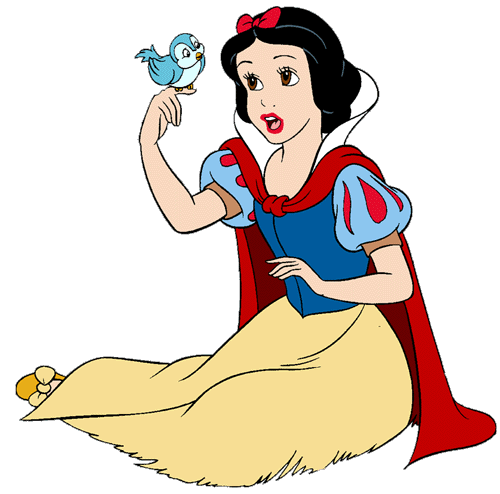
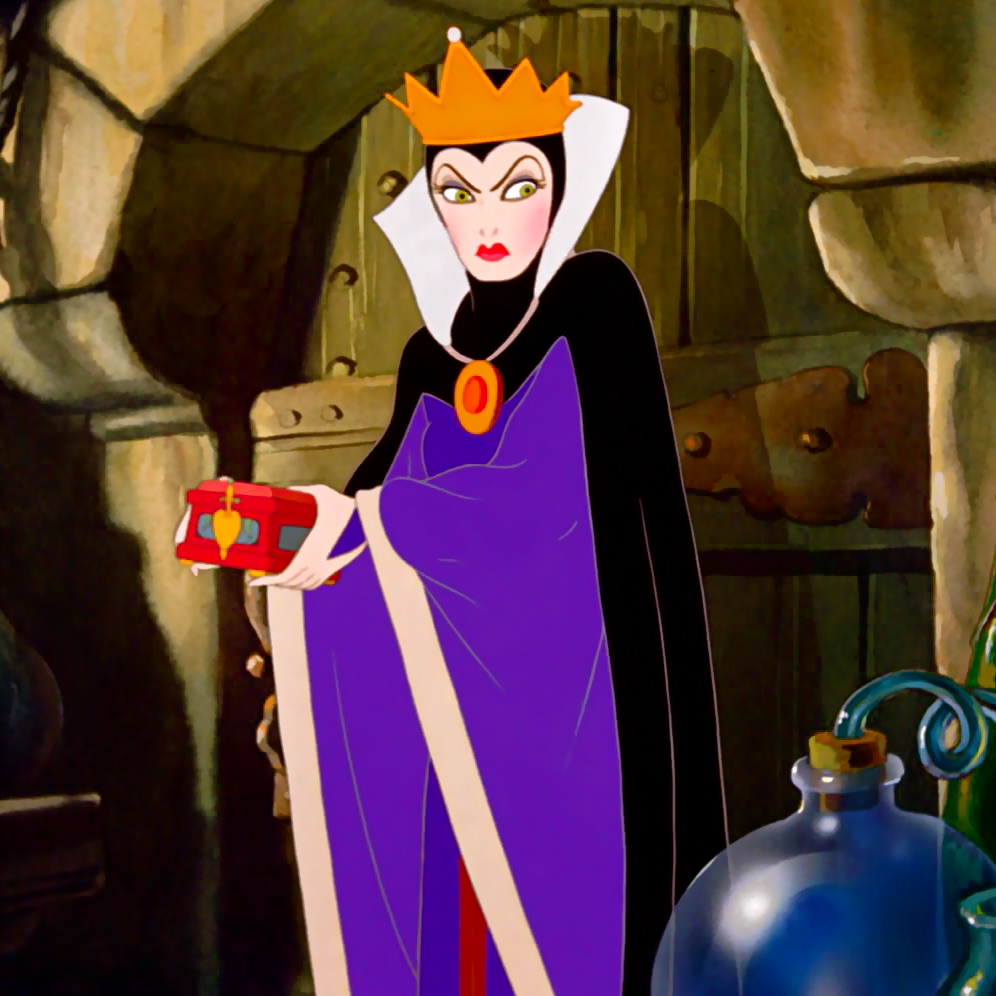
In this tale, the malignant narcissist is Snow White’s pathologically envious and vain stepmother.

At the beginning of the story, a queen sits sewing at an open window during a winter snowfall when she pricks her finger with her needle, causing three drops of red blood to drip onto the freshly fallen white snow on the black windowsill. Admiring the beauty of the resulting color combination, she says to herself, “Oh how I wish that I had a daughter that had skin as white as snow, lips as red as blood, and hair as black as ebony”. Soon after that, the Queen gives birth to a baby girl who is as white as snow, has lips red as blood and has hair as black as ebony. They name her ‘Snow White’, but sadly, the Queen dies after giving birth to her.

After a year has passed, the King takes a new wife, who is beautiful but also unutterably wicked and vain. The new queen possesses a magic mirror, which she asks every morning, “Magic mirror in my hand, who is the fairest in the land?” The mirror always replies, “My queen, you are the fairest in the land.” The Queen is always pleased with that because the magic mirror never lies. But when Snow White reaches the age of seven, she becomes more beautiful each day and even more beautiful than the Queen, and when the Queen asks her mirror, it responds, “My queen, you are the fairest here so true. But Snow White is a thousand times more beautiful than you”.

This gives the queen a great shock. She becomes yellow and green with envy and from that hour on, her heart turns against Snow White, and she hates her more and more each day. Envy and pride, like ill weeds, grow in her heart taller every day, until she has no peace day or night. Eventually, the Queen orders a huntsman to take Snow White into the deepest woods to be killed. As proof that Snow White is dead, the Queen demands that he return with her lungs and liver. The huntsman takes Snow White into the forest. After raising his knife, he finds himself unable to kill her as she sobs heavily and begs him; “Oh, dear huntsman, don’t kill me! Leave me with my life; I will run into the forest and never come back!” The huntsman leaves her behind alive, convinced that the girl would be eaten by some wild animal. He instead brings the Queen the lungs and liver of a young boar, which is prepared by the cook and eaten by the Queen.

After wandering through the forest for days, Snow White discovers a tiny cottage belonging to a group of seven dwarfs. Since no one is at home, she eats some of the tiny meals, drinks some of their wine and then tests all the beds. Finally the last bed is comfortable enough for her and she falls asleep. When the seven dwarfs return home, they immediately become aware that someone sneaked in secretly, because everything in their home is in disorder. During their loud discussion about who sneaked in, they discover the sleeping Snow White. The girl wakes up and explains to them what happened and the dwarfs take pity on her, saying; “If you will keep house for us, and cook, make beds, wash, sew, and knit, and keep everything clean and orderly, then you can stay with us, and you shall have everything that you want.” They warn her to be careful when alone at home and to let no one in when they are away delving in the mountains.

evil_queen

Meanwhile, the Queen asks her mirror once again; “Magic mirror in my hand, who is the fairest in the land?” The mirror replies; “My queen, you are the fairest here so true. But Snow White beyond the mountains at the seven dwarfs is a thousand times more beautiful than you”.[1] The Queen is horrified to learn that the huntsman has betrayed her and that Snow White is still alive. She keeps thinking about how to get rid of Snow White, then she disguises herself as an old peddler. The Queen then walks to the cottage of the dwarfs and offers her colorful, silky laced bodices and convinces the girl to take the most beautiful bodice as a present. Then the Queen laces it so tightly that Snow White faints, causing the Queen to leave her for dead. But the dwarfs return just in time, and Snow White revives when the dwarfs loosen the laces.

The next morning the Queen consults her mirror anew and the mirror reveals Snow White’s survival. Now infuriated, the Queen dresses as a comb seller and convinces Snow White to take a beautiful comb as a present. She brushes Snow White’s hair with a poisoned comb, and the girl faints again, but she is again revived by the dwarfs. And the next morning the mirror tells the Queen that Snow White is still “a thousand times more beautiful”. Now the Queen nearly has a heart attack in shock and rage. As a third and last attempt to rid herself of Snow White, she secretly consults the darkest magic and makes a poisoned apple, and in the disguise of a farmer’s wife, she offers it to Snow White. The girl is at first hesitant to accept it, so the Queen cuts the apple in half, eating the white (harmless) half and giving the red (poisoned) half to Snow White. The girl eagerly takes a bite and falls into a state of suspended animation, causing the Queen to triumph. This time the dwarfs are unable to revive the girl because they cannot find the source of Snow White’s poor health, and assuming that she is dead, they place her in a glass coffin.

Time passes and a prince traveling through the land sees Snow White. He strides to her coffin and, enchanted by her beauty, instantly falls in love with her. The dwarfs succumb to his entreaties to let him have the coffin, and as his servants carry the coffin away, they stumble on some roots. The tremor caused by the stumbling causes the piece of poisoned apple to dislodge from Snow White’s throat, awakening her. The Prince then declares his love for her, and soon a wedding is planned. The couple invite every queen and king to come to the wedding party, including Snow White’s step-mother. Meanwhile the Queen, still believing that Snow White is dead, again asks her magical mirror who is the fairest in the land. The mirror says; “You, my queen, are fair so true. But the young Queen is a thousand times fairer than you”.

Appalled, in disbelief, and with her heart full of fear and doubts, the Queen is at first hesitant to accept the invitation, but she eventually decides to go. Not knowing that this new queen was indeed her stepdaughter, she arrives at the wedding, and her heart fills with the deepest of dread when she realizes the truth. As a punishment for her attempted murders, a pair of glowing-hot iron shoes are brought forth with tongs and placed before the Queen. She is forced to step into the burning shoes and to dance until she drops dead.

The Sleeping Beauty(Perrault’s version)
sleeping_beauty

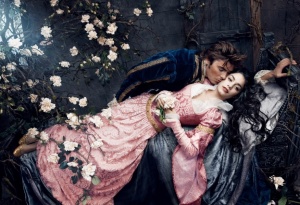
The malignant narcissist in this tale is an angry and envious fairy.

At the christening of a king and queen’s long-wished-for child, seven fairies are invited to be godmothers to the infant princess. The fairies attend the banquet at the palace and are seated. Laid before them is a golden casket containing gold jeweled utensils. Soon after, another fairy enters the palace and is seated without a golden casket. This eighth fairy is overlooked because she has been within a tower for many years and everyone thinks she’s been either dead or enchanted. Six of the other seven fairies then offer their gifts of beauty, wit, grace, dance, song, and music to the infant princess. The eighth fairy is very angry that she has been overlooked and, as her gift to the princess, enchants the infant princess so that she will prick her hand on a spindle and die. One fairy, who hasn’t yet given her gift, attempts to reverse the evil fairy’s curse. However, she can only do so partially—instead of dying, the Princess will fall into a deep sleep for 100 years and be awakened by a kiss from a prince.

The king forbids any sort of spinning all throughout the kingdom. Fifteen or sixteen years pass and one day, when the king and queen are away, the Princess wanders through the palace rooms and comes upon an old woman, spinning with her spindle. The princess, curious to try the unfamiliar task, asks the old woman if she can try the spinning wheel. The princess pricks her finger on the spindle and inevitable curse is fulfilled. The old woman cries for help and attempts are made to revive the princess. The king attributes this to fate and has the Princess carried to the finest room in the palace and placed upon a bed of gold and silver embroidered fabric. The king and queen kiss their daughter goodbye and depart, proclaiming the entrance to be forbidden. The good fairy who altered the evil prophecy is summoned. Having great powers of foresight, the fairy sees that the Princess will be awoken to distress when she finds herself alone, so the fairy puts everyone in the castle to sleep. The fairy also summons a forest of trees, brambles and thorns that spring up around the castle, shielding it from the outside world and preventing anyone from disturbing the Princess.

A hundred years pass and a prince from another family spies the hidden castle during a hunting expedition. His attendants tell him differing stories regarding the castle until an old man recounts his father’s words: within the castle lies a beautiful princess who is doomed to sleep for a hundred years until a king’s son comes and awakens her. The prince then braves the tall trees, brambles and thorns which part at his approach, and enters the castle. He passes the sleeping castle folk and comes across the chamber where the Princess lies asleep on the bed. Struck by the radiant beauty before him, he falls on his knees before her. The enchantment comes to an end by a kiss and the princess awakens and converses with the prince for a long time. Meanwhile, the rest of the castle awakens and go about their business. The prince and princess walk to the hall of mirrors to dine and are later married by the chaplain in the castle chapel.

After having been secretly wed by the reawakened Royal almoner, the Prince continues to visit the Princess. She bears him two children, L’Aurore (Dawn) and Le Jour (Day), which he keeps secret from his mother, who is of an ogre lineage. Once it was time for the Prince to ascend the throne, he brings his wife, children, and the talabutte (“Count of the Mount”).

The Ogress Queen Mother sends the young Queen and the children to a house secluded in the woods and directs her cook to prepare the boy with sauce Robert for dinner. The humane cook substitutes a lamb for the boy which satisfies the Queen Mother. She then demands the girl but the humane cook, once again, substitutes a young goat which also satisfies the Queen Mother. When the Ogress demands that he serve up the young Queen, the young Queen offers to slit her throat so that she may join the children that she imagines are dead. While the Queen Mother is satisfied with a hind prepared with sauce Robert in substitution for the young Queen, there is a tearful secret reunion of the Queen and her children. However, the Queen Mother soon discovers the cook’s trick and she prepares a tub in the courtyard filled with vipers and other noxious creatures. The King returns in the nick of time and the Ogress, being discovered, throws herself into the tub and is fully consumed. The King, young Queen, and children then lived happily ever after.

Little Red Riding Hood

little_red
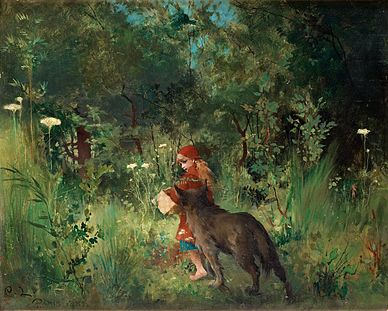
In this tale, the wolf is a psychopathic predator who pretends to be Riding Hood’s grandmother.

The story revolves around a girl called Little Red Riding Hood, after the red hooded cape/cloak (in Perrault’s fairytale) or simple cap (in the Grimms’ version called Little Red-Cap) she wears. The girl walks through the woods to deliver food to her sickly grandmother (wine and cake depending on the translation). In the Grimms’ version at least, she had the order from her mother to stay strictly on the path.

A mean wolf wants to eat the girl and the food in the basket. He secretly stalks her behind trees, bushes, shrubs, and patches of little and tall grass. He approaches Little Red Riding Hood and she naïvely tells him where she is going. He suggests that the girl pick some flowers; which she does. In the meantime; he goes to the grandmother’s house and gains entry by pretending to be the girl. He swallows the grandmother whole (in some stories, he locks her in the closet) and waits for the girl, disguised as the grandma.

When the girl arrives, she notices that her grandmother looks very strange. Little Red then says, “What a deep voice you have!” (“The better to greet you with”), “Goodness, what big eyes you have!” (“The better to see you with”), “And what big hands you have!” (“The better to hug/grab you with”), and lastly, “What a big mouth you have” (“The better to eat you with!”), at which point the wolf jumps out of bed, and swallows her up too. Then he falls asleep. In Charles Perrault’s version of the story (the first version to be published), the tale ends here. However, in later versions the story continues generally as follows:

A lumberjack (in the French version but in the Brothers Grimm and traditional German versions, a hunter), comes to the rescue and with his axe cuts open the sleeping wolf. Little Red Riding Hood and her grandmother emerge unharmed. They then fill the wolf’s body with heavy stones. The wolf awakens and tries to flee, but the stones cause him to collapse and die. (Sanitized versions of the story have the grandmother shut in the closet instead of eaten, and some have Little Red Riding Hood saved by the lumberjack as the wolf advances on her, rather than after she is eaten.)

The Wizard of Oz

wizard_of_oz

Although of more recent vintage than fairy tales and therefore not considered to be one, I feel this story belongs here anyway.

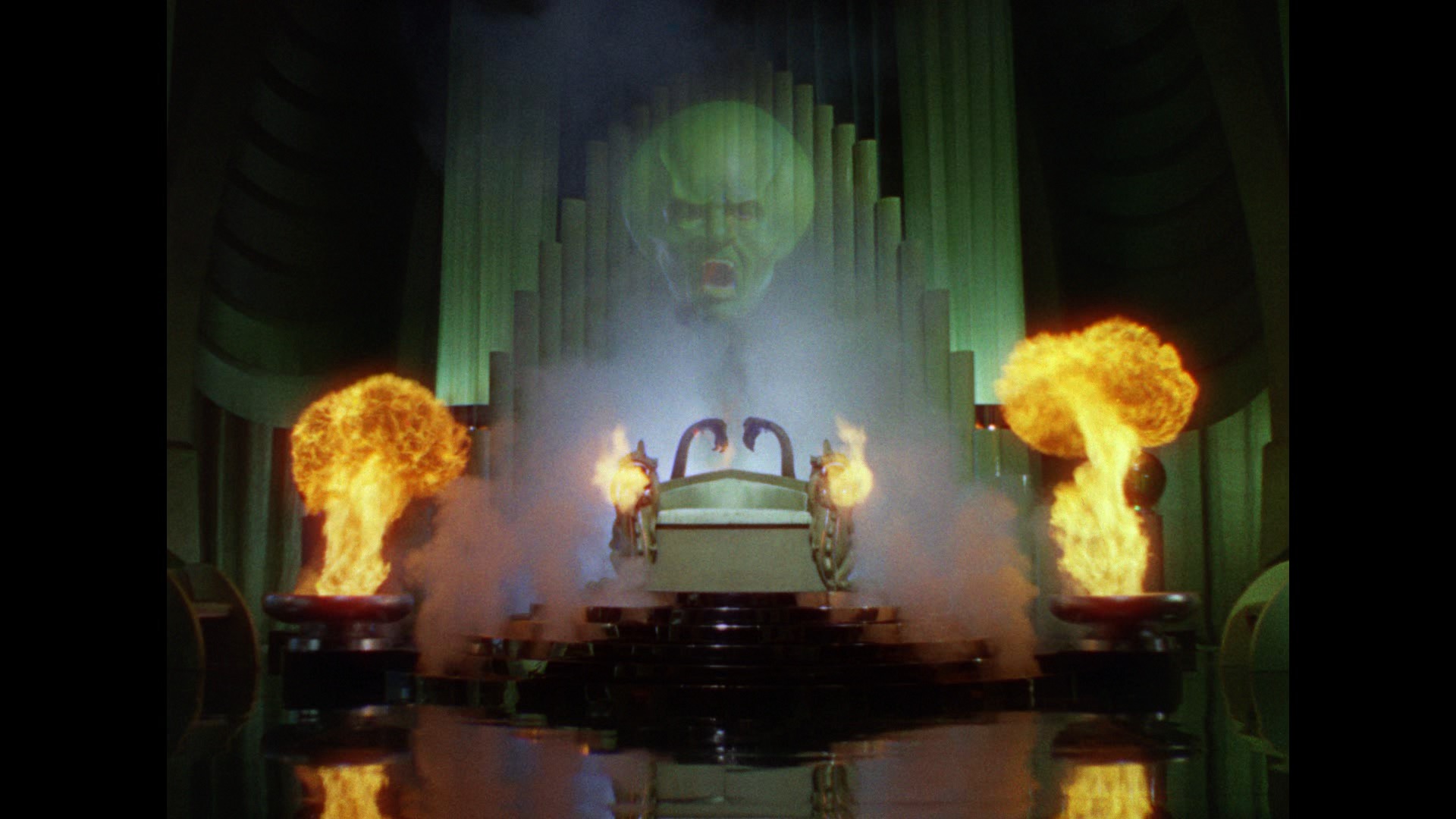
The Wicked Witch of the West/Miss Gulch is the psychopathic malignant narcissist. The Wizard, although not a villain, is also a narcissist whose mask of intimidating power and might is stripped away to reveal the True Self–a “humbug” with grandiose delusions and low self esteem. The fact that, in the film, the Wizard shows shame and remorse when he is called out by Dorothy for being a “very bad man,” indicates he’s either not a true narcissist (he may be a Borderline instead) or is very low on the spectrum.

The narcissistic abuse community’s term “flying monkey” came from this story. The flying monkeys were The Wicked Witch’s slaves that carried out her bidding, but they were really just victims themselves.

This IMDB.com plot description is for the 1939 movie.

Dorothy Gale is an orphaned teenager who lives with her Auntie Em and Uncle Henry on a Kansas farm in the early 1900s. She daydreams about going “over the rainbow” after Miss Gulch, a nasty neighbor, hits Dorothy’s dog Toto on the back with a rake, causing Toto to bite her. Miss Gulch shows up with an order to take Toto to the sheriff to be euthanized, but Toto jumps out of the basket on the back of Miss Gulch’s bicycle and runs back to Dorothy. Fearing that Miss Gulch, who does not know that Toto has escaped, will return, Dorothy takes the dog and runs away from home. She meets an itinerant phony fortune teller, Professor Marvel, who immediately guesses that Dorothy has run away. Pretending to tell her fortune and wishing to reunite Dorothy with her aunt, he tells her that Auntie Em has fallen ill from worry over her.

Dorothy immediately returns home with Toto, only to find a tornado approaching. Unable to reach her family in their storm cellar, Dorothy enters the house, is knocked unconscious by a loose window, and apparently begins to dream. Along with her house and Toto, she’s swept from her sepia-toned world to the magical, beautiful, dangerous and technicolor land of Oz. The tornado drops Dorothy’s house on the Wicked Witch of the East, killing her. The witch ruled the Land of the Munchkins, little people who think at first that Dorothy herself must be a witch. The Wicked Witch of the West, who is the sister of the dead witch, threatens Dorothy. But Glinda, the Good Witch of the North, gives Dorothy the dead witch’s enchanted Ruby Slippers, and the slippers protect her. Glinda advises that if Dorothy wants to go home to Kansas, she should seek the aid of the Wizard of Oz, who lives in the Emerald City. To get there, Dorothy sets off down the Yellow Brick Road.

Before she’s followed the road very far, Dorothy meets a talking scarecrow whose dearest wish is to have a brain. Hoping that the wizard can help him, the Scarecrow joins Dorothy on her journey. They come upon the Tin Woodman, who was caught in the rain and is so rusty he can’t move. When they oil his joints so he can walk and talk again, he confesses that he longs for a heart; he too joins Dorothy. As they walk through a dense forest, they encounter the Cowardly Lion, who wishes for courage and joins the quest in the hope that the wizard will give him some. Dorothy’s three friends resemble the three farmhands who work for Dorothy’s aunt and uncle back in Kansas.

On the way to the Emerald City, Dorothy and her friends are hindered and menaced by the Wicked Witch of the West. She incites trees to throw apples at them, then tries to set the scarecrow on fire. Within sight of the city, the witch conjures up a field of poppies that cause Dorothy, Toto, and the lion to fall asleep. Glinda saves them by making it snow, which counteracts the effects of the poppies.

The four travelers marvel at the wonders they find in the Emerald City and take time to freshen up: Dorothy, Toto and the Lion have their hair done, the Tin Woodman gets polished, and the scarecrow receives an infusion of fresh straw stuffing. As they emerge looking clean and spiffy, the Wicked Witch appears on her broomstick and skywrites “Surrender Dorothy” above the city. The friends are frustrated at their reception by the “great and powerful” Wizard of Oz — at first he won’t receive them at all. When they finally see him (the doorkeeper lets them in because he had an Aunt Em himself), the Wizard declines to help them until they bring him the broomstick of the Wicked Witch of the West. Daunted but determined, they set off again.

wicked_witch

The witch sends winged monkeys to attack Dorothy’s party before they reach her castle; the monkeys snatch Dorothy and Toto and scatter the others. When the witch finds that the Ruby Slippers can’t be taken against Dorothy’s will as long as the girl is alive, she turns her hourglass and threatens that Dorothy will die when it runs out. Meanwhile, Toto has escaped and run for help. Dressed as guardsmen, the Lion, the Tin Man, and the Scarecrow sneak into the castle and free Dorothy. They’re discovered before they can escape, however, and the witch and her guards corner them and set the Scarecrow on fire. Dorothy douses him with a pail of water, splashing the witch by accident. The water causes the witch to disintegrate (“I’m melting!”). The guards are happy to let Dorothy have the witch’s broomstick, and Dorothy and her friends return to the Emerald City.

The wizard isn’t pleased to see them again. He blusters until Toto pulls aside a curtain in the corner of the audience chamber to reveal an old man who resembles Professor Marvel pulling levers and speaking into a microphone — the so-called wizard, as the Scarecrow says, is a humbug. He’s abashed and apologetic, but quickly finds ways to help Dorothy’s friends: a diploma for the Scarecrow, a medal of valor for the Lion, and a testimonial heart-shaped watch for the Tin Man. Then he reveals that he’s from Kansas himself and came to Oz in a hot-air balloon, in which he proposes to take Dorothy home.

wizard_of_oz2
This isn’t who the Wizard really is, but the mask he’s projecting.

The wizard appoints the Scarecrow, Tin Man, and Lion rulers of Oz in his absence. Just as the balloon is about to take off Toto runs after a cat and Dorothy follows him. Unable to stop, the wizard leaves without Dorothy. But Glinda appears and explains that Dorothy has always had the power to get home; Glinda didn’t tell her before because Dorothy wouldn’t have believed it. Bidding her friends a tearful good-bye, Dorothy taps her heels together three times, repeats “There’s no place like home,” and the Ruby Slippers take her and Toto back to Kansas.

Dorothy wakes up in her own bed with Auntie Em and Uncle Henry fussing over her. Professor Marvel and the farmhands Hunk, Hickory, and Zeke stop by to see how she’s doing. She raises indulgent laughter when she tells them about Oz, but she’s so happy to be home she doesn’t mind that they don’t believe her. Miss Gulch is never mentioned again.