“Let me be your voice” project – Sleeping with the enemy…

I don’t write a whole lot about sexual abuse — and the story told here may not qualify as what most people would define sexual abuse to be — but still, the woman who wrote this post had something that was precious to her stolen from her, and her boundaries were ruthlessly violated. This post is more explicit than what I usually post, but I think it’s important, because something so precious should be freely given, and boundaries need to be respected. I’m glad this writer ended the relationship because it sounds like her lover thought nothing of taking what wasn’t his, in essence, raping her.  At the very least, he was incredibly obtuse.  It sounds like the writer had a PTSD-like reaction to what happened.  Rape usually does have that effect.

Comments here are disabled. Please comment on the original post.

Also, please follow Cyranny’s Cove.  She has an awesome blog!

Cyranny's avatarCyranny's Cove

As part of my “Let me be your voice” project, once again, I am honored to host the story of a lovely reader who sent me a painful recalling of her past. I wish there were no such stories to share, but since there are… I hope letting it out at last will help and bring relief.

I’d also like to remind you that if you have a story you would like to get off your chest, but just don’t feel comfortable publishing on your own blog, I’ll be more than glad to help by posting it in the Cove, leaving all the credit to you!  Just write to me here.

So here is her story. And I’d like to thank the author for her trust. *Hugs, my dear!*


black_and_white_photos_ntkonlinebusiness_18_large

I decided to talk today, because I kept this story for myself for too long. And I cannot believe I…

View original post 851 more words

Mr. Stingy.

An oldie but goodie about a complete tool and malignant narcissist I dated for a short time.

luckyotter's avatarLucky Otters Haven

stingy
I remember one of my narcissistic lovers. He was a textbook example of a malignant narcissist, and a mean one at that. Although he never became physically violent, I think he would have if I hadn’t ended that relationship.

One of the strangest things about him was the way he gave me gifts. The guy had plenty of money–he had a trust fund, for heaven’s sakes and owned his apartment free and clear, and he was always traveling. He never asked me to go with him though. Instead, he’d bring me back “gifts” from his road trips. I remember he’d make a big show out of presenting me with these gifts as if he was giving me the keys to a new car. They were never wrapped nicely, but always stuffed in a paper or plastic bag.

So what sort of gifts did this narcissistic trust fund jerk give me?…

View original post 401 more words

The Narcissist’s Fan Club

Grey-rocking: if you can’t go No Contact.

grey_rock

Lately I’ve been hearing a new term in the narcissistic abuse community: grey rocking.  I don’t know if it’s a new term or not, but I haven’t heard it before.

How to Grey Rock a Narcissist.

It’s always best to go No Contact (or Very Low Contact) with the narcissists in your life, if it’s at all possible.   But sometimes it isn’t.    For example, you may have underage children with your narcissist and shared custody of them.  Or your boss or a coworker may be a narcissist and you’re not willing to leave your job.  Or you may be in a marriage or relationship with one, have no options for leaving right now and are biding your time until you can save enough money to leave.    Or perhaps you’re still living at home with narcissistic parents and don’t have a place to go yet.

In these types of situations, you probably are not able to go completely No Contact (or even VLC in some cases) but you still need a way to keep the narcissist and their manipulations at bay.    Fortunately there is a solution.   It’s called grey-rocking.

Grey rocking means acting like a grey rock: being completely boring and uninteresting.   It means going emotionally No Contact even if you can’t physically do so.   It isn’t the silent treatment though.  Giving a narcissist the silent treatment will send them over the deep end and they may up the ante.  You have to be more sneaky (you have to think almost like the narcissist!)

So when the narcissist is trying to get information from you or is love bombing or trying to hoover you, what you do is talk about something boring, like the weather, or how much your car needs an oil change, or how expensive milk is these days.  Change whatever sensitive or personal subject they bring up to something unrelated, impersonal, and dull.   If you can, try to make a getaway.  You can tell them you have an appointment and can’t stay around to chat.  If the narcissist has been eyeing you as potential prey, grey rocking them will make them lose interest and they will move on to greener pastures.   After a quick and boring exchange, POLITELY make your exit.

If you’re already prey (for example, if you’re living with a narcissist), grey rocking will be trickier and may take longer to work.  Don’t lose patience or give up.  Keep at it and eventually your emotional unavailability will frustrate them to the point they may throw a temper tantrum initially, but you’re not actually being mean or ignoring them so they can’t rage too much without seeming childish and unreasonable (yeah, I know, they already are).  Don’t allow them to push any of your buttons.  Show no emotional reaction to anything they say, no matter how hard this is to do.   If you keep at this, eventually they’ll grow bored, give up and discard YOU as they begin to look for a new source of supply (you have to be prepared for that).

Here are two examples of grey rocking in two different types of exchanges.

In a work/casual situation:

Narcissist Coworker (looking for a juicy tidbit to start a nasty rumor about you using triangulation):   So, how did you and Tim like working together?  Personally I can’t stand him.  I think he’s an idiot in over his head.    I hear he likes you though.  (winks on the word “likes”)

You:   Oh, do you know if it’s supposed to rain tomorrow?  I completely forgot to check the weather forecast this morning.

Narcissist Coworker:  (shrugs) I dunno…So, anyway, Martha was saying…

You:  Hey, listen, it was great talking to you.  (looking at your watch) But I have to run because I’m already late for my appointment.

Narcissist Coworker (perking up): Appointment? What kind of appointment?

You:  (pulling out phone and pretending to look for a number):  It was great chatting but I gotta make sure they hold my appointment.  (Wave cheerfully, turn around and walk away and start talking into the phone as if someone’s on the other end).

****

In a more intimate relationship:

Narcissist Husband:  You know, you really act crazy sometimes.   Even our neighbors noticed the way you acted at that dinner party last night and asked me if you had a “problem.”  I didn’t know what to say.

You:  Oh, really?   Well, listen, I’m on my way out to a meeting so I can’t stay and chat with you about this.

Narcissist Husband: Wait just one minute!  I’m not finished.  Why are you avoiding the issue.  This is very important!

You:   I feel just fine.  Don’t worry about me.   I really have to go to that meeting.  Let’s talk about this later.

Narcissistic Husband (projecting):  There you go, denying you have a problem.   Always thinking it’s me with the problem saying I’m worrying too much.  I don’t worry too much.  I love you.  I’m only trying to help you. You act like you’re afraid of me.

You: I know you love me.  But seriously, I’m required to be there in 15 minutes.  You know how much my boss hates it when anyone is late.  I don’t want to get chewed out.  (you turn to go out the door).

Narcissist Husband: Wait! (running after you).  I’m not finished!

You (getting in the car and waving): See you later!

Narcissist Husband turns around and storms back into the house, slamming the door.

Obviously, the second situation is a lot more tricky and you will have to face him later.  The “meeting” you’re attending is bogus, but it will give you a chance to get out and think about how to deal with him later. (You can also use these escapes to plan your permanent escape!)

When you get home, keep changing the subject or “getting distracted” by other things so he never has a chance to make any headway and eventually the subject will be dropped (saying you’re tired and going to bed is a good distraction–be sure to yawn a lot!).  Talk about things you know bore him, like your book club or the cute shoes your friend wore at lunch.  Always keep them impersonal–for example, don’t mention how much YOU want those cute shoes.

Naturally he will try to upset you or press your buttons. Count to a thousand if you must, but show no emotional reaction (remember, your reactions are his fuel).   Try to remain as calm and cheerful as you can (even if you want to throttle him, which is probably the case)–you don’t want him to suspect anything!   Remind yourself this is only temporary until you find a better solution (a way to leave).     Of course, this scenario will play itself out many times before he gives up on you.  But he isn’t going to stick around too long if you’re not giving him any opportunity to feed off your emotions.  But by the time that happens, you may already be gone.

****

Further Reading:

Going Grey Rock With a Narcissist

Narcissistic abuse: who is the real victim?

adult-workplace-bullying

Narcissistic abusers are great at charming people they want to impress, or those people they want to get on their side. When they have targeted an individual for abuse, they will stop at nothing to turn their friends, colleagues, even their families against them–and it’s not at all uncommon for them to claim that THEY are the ones being abused.   The process of using malicious gossip and lies to turn people against the victim is called triangulation and is well known in the narcissistic abuse community. Most of us who have been targeted by narcissistic abusers know all too well about triangulation and its close cousin, gaslighting. Both will be used in conjunction with each other to turn the victim’s potential allies against them, effectively isolating them and ripping away any support systems they could use later.

Those who have been turned against the victim by the narcissist are called flying monkeys. They may or may not be narcissists themselves, but they are duped and misled by the narcissist’s convincing lies and charm into believing the narcissist is the real victim and that the victim is the abuser. You can’t really blame them for siding with the abuser, since the abuser can be so convincing and often has a glibness that the real victim lacks. Complicating the situation further is the likelihood that the real victim indeed acts “crazier” or more irrationally than the abuser, usually because they have been driven half-mad by the abuse, which can be so easily hidden, even from those who are witnesses to it.

The good news is, there is a way the real victim can be discerned in an abuse situation, even if the narcissist complains loudly about how THEY are being abused. This isn’t something I thought of myself; it’s been described already by other writers and bloggers. Still, I think it’s something that isn’t given a lot of attention, so I want to describe in detail how this works because it may be the only way you can extract the truth in the evil mental clusterf*ck set up by a narcissistic abuser.

Isolating the victim.

In any abuse situation, there is almost always more than just two people involved. At the core are the victim and the abuser, of course, but chances are good the abuser has convinced other people–including friends and family members of the victim–that the victim is the real abuser, and recruited others as flying monkeys that collectively condemn and mob the victim. The abuser may have even convinced a mental health professional or pastor (or anyone else who works closely with a family) that the real victim is the real abuser, effectively turning everyone against the victim, so only the narcissist appears to have allies and the victim has no one.

This happened to me, when I was still married to my sociopathic MN ex. My ex was always more socially adept than me. He was always better at making friends and giving a good first impression than I was. He was very glib and could spread the lies on as thick and convincingly as a trial lawyer. In fact, I used to joke that he should have been a lawyer (no offense to any lawyers who may be reading this!)

verbal_abuse

It wasn’t a joke anymore when he decided I was an easy target for abuse. We had several friends–mostly other couples–who suddenly seemed to want nothing to do with me, but still talked to him and seemed to like him. When I questioned my ex about why all our friends had cooled toward me, he said things like, “So-and-so doesn’t like you; I really don’t know why!” or “The Joneses told me they think you act kind of crazy and they don’t feel comfortable around you.”  I was even told our friends were “afraid of me.”  Even our children–who were middle schoolers at the time–had turned chilly toward me, as had several other family members. (It turned out later he was telling the kids I didn’t love them and wished they’d go away–of course, this was an utter lie). Meanwhile he had convinced our friends I was insane. If I questioned him about his treatment or if I seemed to be getting at the truth, suddenly I was called paranoid or too sensitive or even crazy. Or I’d get a non-answer like, “No wonder no one likes you. You’re so selfish. Everything is always about YOU.” He was projecting his own narcissism onto me, but I didn’t know it back then. I began to think there must be something very wrong with me that everyone else could see but I couldn’t.

The real abuser may act more sane.

It didn’t help any that my behavior around this time did in fact appear more insane than his did. I always seemed to be the one to act out or lose my cool, while he always appeared completely rational, cool and collected. Of course our kids were more likely to take his side–they looked at their dad and saw a calm, rational person who wasn’t raising his voice and who was telling them their mom was both insane and didn’t love them. They looked at me and saw a frazzled, half-mad, emotionally unstable woman who was always yelling, crying or locking herself in her room–and on two occasions had to be hospitalized. Why wouldn’t they believe him? What they–and everyone else–didn’t know was that his crazymaking behavior was driving me insane and I was already suffering PTSD due to the mental and emotional abuse. He always treated me well whenever anyone else was present, so no one would suspect what he was actually doing. If I tried to call him out on his abuse, I was gaslighted: “stop making things up,” or “that just proves how insane and self centered you are.” Everyone we knew believed him and I found myself all alone, with no one I could trust or confide in. He was able to use confirmation bias to his advantage–thereafter, anything I did became “proof” of my “craziness” or “unfitness” or “selfishness” and the more abused I was, the “crazier” I got.

At one point we began to see a marriage counselor at my insistence. My behavior in counseling was more volatile than his, and my ex also began to see the counselor in private. He was able to convince this therapist that I was the problem in the marriage and the less fit parent. Here was one more person who could have been a potential ally, but due to her ignorance of narcissistic abuse (and his attorney-like glibness and charm), became another flying monkey he could use in his smear campaign against me.

isolation
Click chart to enlarge.

I have read and heard about many similar situations described by numerous narc-abuse survivors, whether the narcissist was a parent who turned all their siblings and other relatives against them, or a spouse who turned all their mutual friends against them. It happens in the work world too, and online, and in schools, and anywhere where bullying can take place. In any bullying or abuse situation, there is one ringleader (or main narcissist) who has successfully used triangulation, gaslighting and projection to turn others against the abused person. The real abuse victim, who may lack the charm and glibness and manipulativeness of the abuser, has usually been isolated by the narcissist from anyone who could have been of support.

Identifying the real victim.

It doesn’t matter if the real victim seems “crazier” or more emotionally unstable or even more “abusive” than the abuser; they have become that way due to the abuse.   They may have a history of previous victimization which rendered them vulnerable to becoming an abuser’s prey and they may have pre-existing PTSD.   The real clue here is which person seems to have no one on their side? Which one has no friends or allies?  Who seems to be fighting a losing battle?  Who seems to have more “mental problems?” That person is almost always going to be the actual victim, no matter how much “evidence” the alleged “victim” claims to have.

If you are currently being victimized by an abuser, this knowledge may be the only way to be able to tell that you are actually the abuse victim and not the perpetrator, since chances are, your abuser has convinced everyone (including you!) that you are the one at fault. Hold onto this knowledge and remind yourself of it as you begin to disengage. Hopefully, knowing that you are NOT at fault and the narcissist is just a convincing liar will give you the motivation you need to get away. Or, if you are a bystander witnessing abuse, you may be able to help the real victim by keeping in mind that the one who seems to have no one on their side is the one you should be helping. Don’t let the narcissist’s convincing lies sway you over to their side.

“No one will ever love you like I do”: NPD men in love.

narc_heart

With Valentines Day coming up in a few days, I think it’s time to talk about narcissistic men in love.   I think I have enough experience with such men to be able to write about them and talk about some of the red flags to look for in a new relationship.

Narcissistic men can make the most ardent lovers and define the cliche, “he swept me off my feet.”  Relationships with narcissistic men, in the beginning, can be truly fairy-tale like, and a narc man who’s chosen you as his prey will stop at nothing to make sure you know he’s the most romantic, giving, attentive, unselfish, committed man you’ve ever met.   He’ll profess his eternal love for you, wine and dine you, present you with expensive chocolates and roses,  never forget your birthday or Valentines Day,  take you on weekend getaways to romantic locations,  and talk about marriage and even “making babies with you” early in the relationship.   Narcissistic men can be intense and women who are drawn to emotionally intense relationships (often Borderlines)  are like putty in their hands.  Narcissistic men are often drawn to BPD women too, because a BPD woman is most likely to give them exactly what they need, at least in the beginning.   Occasionally, a narcissist man who has proposed to you might actually stay true to his word and marry you.  But that doesn’t mean you’ll live happily ever after–anything but, in fact.

An NPD man’s intensity, which can be incredibly alluring to certain types of women, is exactly what makes them so dangerous.  Their “love” for you is feigned.  They are not capable of love.   They are predators.  All you are to them is supply.  Every last one of my lovers, including my ex-husband, was a narcissist, and almost all of them seemed incredibly romantic.   A couple of them eventually D&D’d me (devalue and discard), with no explanation or reason, shattering my heart into a million bits, while others became increasingly possessive to the point where I felt like I was suffocating and couldn’t wait to get away.

One of two of these narc men were covert, but most of the ones I knew were more the overt, grandiose type. Pretty much all my relationships with men followed this same sorry pattern, which I am going to outline for you.

The storybook romance.

inlove

The narcissist is very insistent about getting to know you, and wastes no time making his first date with you.  You will notice how intensely he gazes at you and that can make you want to swoon, but make no mistake–it’s really the look of a predator stalking his next meal.

He takes you out to an intimate, expensive restaurant and buys you anything you want on the menu, no matter how expensive.  Typically, he’ll offer you bites of food from his own plate, sometimes feeding you.    (He’s luring you in, setting you up for the kill later on).

He calls you daily, always seems to have time for you, seems like the most romantic, understanding, sympathetic man you’ve ever known.  He always listens to your problems, and seems to empathize.  (He is anything but these things, but he is a very good actor).

He is always buying you gifts, sometimes very expensive ones.  He can seem like the most generous man on the planet.  (Keep an eye on your finances here–mine bought all those gifts for me using MY credit card).

He tells you he loves you early in the relationship, maybe even in the first few weeks.  He may even get tears in his eyes while he tells you this (blech).  He might tell you you’re the only woman he’s ever loved, and how lonely he was before he met you.  (WATCH OUT.)

Sex with him is emotional and intense.   (Oh, honey, he’s got you trapped in his lair now).

He begins to complain and berate his former girlfriends, and talks about how deeply they’ve all hurt him (right, because nothing is ever his fault).   If he never seems to take any responsibility for the demise of his former relationships (or if he’s the type that gloats about how HE dumped THEM), that’s a huge red flag.  Don’t ignore it.  He’s telling you something.

He may propose to you at this point, or talk about what beautiful babies you’d have together (any man who doesn’t really seem to like children, but still wants to “have babies with you” because the combination of your genes would be “so beautiful” is almost certainly a narcissist).  Blargh.

The narc begins to show his true colors. 

hoovering

At this point, he may suddenly start seeming colder or pulling away.  He stops calling you as often, or seems annoyed when you call him, giving you some vague reason why he’s “too busy” to see you or scolding you for bothering him when he’s in the middle of an important meeting.   This is the beginning of the discard, which means that you’ve sated his supply and he’s grown bored.   He needs the challenge of the hunt again, and will probably dump you soon.  There is nothing more he needs from you.

Other narcissists tighten their hold on you.  If he senses you beginning to pull away, he’ll up the ante and take you on vacation or bring you roses every night.  This is called “hoovering.”  He’s sucking you back into his den of doom like a Hoover vacuum cleaner.   Most likely you will fall for it, and once you’ve reassured him you still adore him and think he’s the smartest, handsomest, sexiest man you’ve ever known,  the abusive behavior begins.

The dream becomes a nightmare.
brokenhearted

If the narcissistic man you’re in love with doesn’t D&D you, then it’s common for them to begin to abuse you once he’s certain you will stay.  Often, this begins on your wedding night, when it’s too late for you to escape without enormous expense and inconvenience.   I don’t have to go into the various forms of abuse he could use–they could be mental, financial, emotional, and sometimes physical.   The man who seemed like the most understanding, romantic, empathetic, attentive man you’d ever known has transformed into a coldblooded, unfeeling, abusive monster.

Early red flags.

red_flag

There are many red flags I haven’t listed here, but the following tend to be the first ones you’ll notice before any real abuse begins.

  • He complains about his exes and seems to blame them for everything that went wrong in their relationship, without ever admitting anything was his fault.
  • He moves in too fast, declares his love or proposes marriage too quickly for your comfort
  • His intense look unsettles you a little.
  • He has mysterious “meetings,” friends and “family matters” that he doesn’t discuss with you or seems annoyed when you ask about them.
  • After seeming to want to be with you all the time, he suddenly seems to lose interest in you, and never explains why.  If you try to pin him down, he becomes angry or irritated.
  • He’s always talking about what a perfect couple you are or how beautiful the two of you look together, sometimes even wanting to look at both of you together in the mirror.
  • The intensity of his ardor or attention overwhelms, scares or disgusts you.
  • He brags about how many women have fallen in love with him (overt N).
  • He moans about how no other woman has ever loved him (covert N).
  • He begins to question your whereabouts or why you don’t spend more time with him.
  • He accuses you of looking at or flirting with other men.
  • He uses tears to get sympathy or get his way.
  • He likes to play cruel jokes on you, just for fun of course.
  • He acts jealous or seems upset when you want to spend time doing anything that doesn’t include him.

Further reading:

The Narcissistic Lover’s Playbook

All My Narcissistic Lovers

Narcissist Man in Love



HSPs and codependency.

einstein_quote

There’s a lot of discussion on the web about codependency as well as empathy, especially in the narcissistic abuse community. While it’s true people who are codependent to a narcissist also tend to be high in empathy and very sensitive, there seems to be a lot of confusion–people who aren’t too familiar with either term tend to believe empathic people are also always codependent. While codependent people are almost always highly sensitive (which is the quality that attracts their abuser to them and keeps them trapped in a toxic relationship because they believe they can “fix” their narcissist), the reverse is not always the case.

A healthy HSP (highly sensitive person) is simply an emotionally healthy person. They are confident and secure enough with themselves that they can resist the “charms” of an abuser. If a healthy person with high empathy does find themselves being drawn into an abusive relationship with a narcissist, they have the courage and presence of mind to pull themselves out of it and even go No Contact before they fall under the thrall of the abuser and before any damage is done. In fact, having high empathy makes it more likely a person will be able to “see” the red flags before anyone else, giving them a chance to escape and/or avoid the person.

A healthy HSP does not waste time trying to “fix” a narcissist. They know the chance of that happening is about the same as the likelihood they will sprout wings and fly to the moon. If a narcissist is going to change (I’m not one of those people who believes it’s not possible), it must be the desire of the narcissist and they have to work very hard at it, but no one else can “save” them except themselves, and it’s going to be a long, hard road if they decide that’s what they want. A healthy HSP will not allow themselves to fall into a love-bombing trap or be “hoovered” by a narc. Once they realize what they are dealing with, they will cut off any further communication. They know they can’t be nice about it, but must be firm. They may care, but they know they are not going to be the ones doing the fixing, and will be able to move on to a healthier relationship with someone they can actually grow with and who will be able to return their love.

codependency_love

Our society today is also quick to judge those who have high levels of empathy and want to give back to others as being “enablers.” This happens even in the public realm, with the massive cuts in spending to programs that help the most vulnerable people of society and the blanket dismissal by the Powers That Be of those who want to help as “suckers” who are “enabling” the most vulnerable people. I don’t wish to get on a political soapbox but there’s something very wrong with any society that only values how “powerful” you are or how much money you earn. There’s something sick about a society that dismisses its most vulnerable members as “lazy and stupid” or “deserving” of their sad lot. Empathy is a virtue that has become increasingly dismissed as a weakness, but is actually the one thing–maybe the only thing–that could rescue modern society from completely self-destructing. Empathy isn’t a weakness at all–it’s a strength. If you’re a HSP you have this quality and should be proud of it and use it, not hide it away like a shameful thing. The narcissists who run things in the world would like us all to think it’s a shameful thing, but that’s just another lie they tell. It’s needed now more than ever. So, you are not an “enabler” if you want to help others; just be careful who you are helping!

Unfortunately, HSPs have often been abused themselves or have other disorders such as complex PTSD, and they often find themselves targeted by narcissists for abuse. Narcissists are usually attracted to people with high empathy because they know they can get the “understanding” and love they crave and will proceed to feed on the HSP’s emotions much like a vampire feeds on blood. They know it’s hard for such a person to say “no” because they can’t stand to hurt anyone’s feelings, so an HSP person is more likely to stick around and tolerate abuse than someone who is less sensitive.

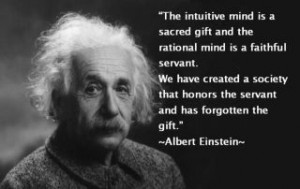
If you are such a person; if you are very sensitive, cut your losses now! Staying around a narcissist who is actively abusing you is just not worth it, and there’s also a very real danger of being drawn so far into the narcissist’s web of deception and abuse that you could develop Stockholm Syndrome and begin to identify with your abuser. Once this happens, you could even find yourself taking on traits of narcissism yourself and colluding with your abuser. It’s an insidious process but it can and does happen; and it happened to me. Be careful. Your soul is a precious thing and you should not give it freely to anyone until you know that person can be trusted with it. That doesn’t mean you have to become hypervigilant and start seeing demons around every corner, but if your intuition is throwing up a lot of red flags about a particular individual, don’t dismiss them. They could save your life.

Why narcissists and borderlines are drawn to each other.

narc_borderline

I’t’s uncanny how often people with NPD and BPD seem to find each other. Every one of my boyfriends (except for one, who was severely bipolar) and my ex-husband were narcissists. I know a lot of other borderlines who say they have the same problem–they simply are not attracted to a man or woman who is not a narcissist. There are reasons why this happens.

Both BPD and NPD are included in the category of Cluster B personality disorders in the DSM-V (along with Histrionic and Antisocial personality disorders). Cluster B disorders are all characterized at their root by problems establishing an identity early in childhood and integrity of the Self which causes people with these disorders to act out toward themselves or others in destructive ways and to have problems either accessing or developing prosocial emotions like empathy. All are prone to lie excessively and manipulate others.

All Cluster B’s are easily offended and quick to anger, which can be expressed either covertly or overtly. Here’s a quick description of these personality disorders.

Antisocial personality disorder (ASPD or psychopathy) is the most likely to break the law and violate the rights of others (many are in prison), act impulsively, and have no empathy at all. People with ASPD who aren’t lawbreakers will be ruthless in business or their chosen profession, and feel no compunctions about hurting others to succeed and may even take pleasure from it.

Narcissistic Personality Disorder (NPD) is less likely to break the law (but this is not a given–some narcissists will break the law if they think they can get away with it) due to wanting to present a good image to others, but have little, if any, empathy, and act out toward others and manipulate them to protect the False Self they use in place of their true one which cannot be accessed. They act arrogant, entitled, paranoid and touchy. Think of the most spoiled or brattiest child you know. If you saw that same behavior in an adult, that’s what NPD looks like to others.

Histrionic personality disorder (usually found in women) is a somatic form of narcissism where there is obsession with physical appearance and emotions are expressed dramatically but the emotions themselves are shallow. Histrionics of both sexes are often sexually promiscuous.

Borderline Personality disorder is the most baffling of the four, because it’s a disorder of contradictions. BPD is characterized by black and white thinking, overpowering emotions, impulsivity, self-destructive behavior, and idealization/devaluation of others. People with this disorder oscillate rapidly between opposites–feeling love and hate for others, pushing others away and smothering them, and accepting or rejecting them. They do this because of their fear of abandonment. Unfortunately, borderlines in their desperate attempts to not be abandoned, cause others to abandon them, or are self sabotaging–they may reject others in order to avoid being rejected first. Borderlines, unlike the other Cluster B disorders, are able to feel empathy, but because they can get so overwhelmed by their fear of rejection and their overpowering emotions and drama, they can “forget” others exist. They can feel remorse and guilt when they realize they’ve behaved badly but it sometimes must be pointed out to them.

Borderlines are chameleons who don’t have a False Self per se, but instead adopt whatever “identity” will suit the moment and whatever person they are interacting with–to make the other person accept them. In some borderlines, this rapid switching from one persona to another can appear to others similar to DID (Dissociative Identity Disorder). Not only their behavior, but also their emotions (which they have trouble regulating or controlling), opinions, or even their appearance can change from one moment to the next. This differs from bipolar disorder, where dramatic mood changes oscillate much more slowly.

narc_borderline2

Of all the Cluster B disorders, people with BPD have a Self that is the most fragmented and least likely to have integrated into something called an identity (even a narc has a False Self so that’s a kind of identity). As a result BPD’s are the most prone to experience dissociative or even psychotic episodes, where the person loses touch with reality. Ironically, although Borderlines are “sicker” than narcissists, they are more likely to seek therapy (because their disorder is ego-dystonic and most are not happy with the way they behave and feel) and they are also more likely to be cured.

Because borderlines are chameleons,* they make perfect supply for a narcissist. They lack an identity of their own, so they “become” whatever others expect them to be. It’s not really a mask in the same sense as a narcissist, but they can wear a sort of temporary mask that can change from one moment to the next or disappear completely, leaving the borderline in a depressed or near-psychotic emotional state. A borderline can be whatever the narcissist wants them to be, and as a result are easily manipulated and can become very codependent.

Borderlines can be very manipulative themselves, but because their personality is less integrated and and the narcissist appears to have an integrated self (even though it’s a false one), they are no match for a narcissist. Unless the narcissist is very low on the spectrum (or is a covert and vulnerable one), they cannot be overpowered by a borderline and will always get their way over the borderline’s needs.

Borderlines (like narcissists) never felt loved or valued, but the borderline hasn’t shut out their need to be loved and craves it more than anything else. A narcissist (in the beginning of a relationship) can appear to be highly passionate and attentive, promising the borderline all the love he or she needs–and be convincing enough they capture the heart of a borderline, who thinks they’ve met the perfect mate.

Relationships between narcissists and borderlines may be stormy and “unhealthy,” but when they work, they work well, with the narcissist giving the borderline a kind of identity as a codependent to the narcissist, and the borderline giving the narcissist the supply they need.

I think there’s often a familial aspect too. Cluster B disorders tend to occur in families, in varying configurations. If one or more parents is a narcissist (or a borderline), they are far more likely to raise narcissistic or borderline children, because both disorders are due to abuse and Cluster B parents tend to put their own needs ahead of their children’s, even if (in the borderline) their selfishness isn’t intentional. Therefore, borderlines and narcissists who were raised in abusive families tend to be attracted to people who unconsciously remind them of other members of their families, especially the parents. This type of connection is called a trauma bond because the connection is due to shared trauma and a conscious or unconscious willingness to to be abused or to abuse a partner. A relationship between a borderline and a narcissist is not what anyone would call functional, and yet in a way it can work for both of them, if they don’t wind up killing each other first. Some of these trauma bonds are examples of Stockholm Syndrome, where the abused identifies with their abuser.

Going No Contact with a narcissist is the best gift an abused borderline can give herself (or himself), but separating may be especially hard for them and they are likely to be drawn to another narcissist, so they need to stay on guard and be especially vigilant of red flags.

* I think their ability to be emotional chameleons is the reason why the entertainment, film and television industries seem to have a plethora of actors who have BPD.

The narcissistic lover’s playbook.

liar-heart

It looks like today is “Narcissistic Lovers and Spouses Day,” because this is the third article about that subject I’m posting today. But it occurred to me that narcissistic men (and probably women too, even though I have no personal experience with my own gender) follow the same rulebook when pursuing narcissistic supply and use all these ploys in pretty much the order I’m posting here.

I thought it might help those of you still in abusive relationships to be able to identify the telltale pattern of narcissistic abuse–which they ALL seem to follow. It’s a pattern of progressing abuse, and if you pass one “test”, they up the ante for the next “test.” In other words, if you tolerate a low level of abuse (such as verbal insults), the narcissist is empowered to move on to the next level of abuse, which could be triangulating against you or eventually, physical abuse.

They may not even be aware they are following this pattern because it’s such a core part of their personality they truly can’t stop themselves. You can stop them by ending the relationship at the first sign of abuse, but never try to fix a narcissist yourself. You won’t help them and will only hurt yourself.

First, a word about commitment-phobes.
It’s important to remember that this pattern does NOT apply to the commitment phobe type of narcissist, which some narcissists are. (They get their supply from other sources–relationships are too scary to them). A commitment-phobe will never love-bomb you or tell you they love you. Instead, they’ll run like hell if you try to get one to further commit or if you tell them you love them. But this article does not apply to that type of narcissist.

Stages of a relationship with a narcissist.

idealize_devalue

1. Lovebombing/idealization.
During this heady phase that follows meeting your narcissist lover (who chose you because they see you as an easy “mark” to get narcissistic supply), you feel swept off your feet by their ardor and the speed at which they seem to want to get to know you and then take things to “the next level.” This phase includes idealization of you, intense, almost constant sex and the most romantic things you could imagine hearing anyone say. You feel beautiful, sexy and your self esteem soars. Life seems perfect. This is how they get you to fall under their spell so they can continue to “work” on you as a primary source of narcissistic supply. It will not last.

2. Declarations of permanency.
Your narcissistic lover will declare their undying love for you or even propose marriage or talk about having a family with you within weeks or a few months of meeting you. (This is a test to find out how committed you are and helps them guage how much abuse you will tolerate/supply you can provide).

If they actually follow through on their commitment (some will), it’s because they have decided you are perfect source of supply (you make them look good) they can keep tapping into on a permanent basis like a backyard well. Only unlike the well, you won’t keep refilling with water, but will eventually be sucked dry emotionally, mentally or even spiritually. A narcissist’s desire to marry or commit permanently to you has nothing to do with “love.”

3. Boredom and irritation.
Suddenly, for no explainable reason, your narcissist starts acting bored, distracted or vaguely annoyed. If you try to ask them about it, they will deny it, insist nothing is wrong, or act annoyed that you asked.

4. Badmouthing others.
At around the same time you start to notice their boredom and irritation, you will notice your narcissist seems easily annoyed in general, and starts badmouthing other people–his (or her) boss or employees, family members, other drivers on the road, but they save the worst badmouthing for their ex lovers or spouses, who were ALWAYS at fault for whatever went wrong.

5. Decrease or changes in sexual desire.
If your lover is a cerebral narc, they suddenly stop wanting to have sex with you and may resort to pornography or masturbation instead. If a somatic, the sex may become less personal and romantic and more “kinky”–for example they may say they want to try new things in bed to “spice things up” but being more romantic or tender isn’t one of them. They will no longer look at you when you make love.

6. Stinginess.
This formerly generous person who showered you with gifts of candy, roses and clothing suddenly stops buying you gifts or telling you they cost too much, or starts to complain about how much you are costing them in general.

7. Emotional/verbal abuse.
The verbal and emotional abuse starts. We all know the many forms that can take, since this whole blog is about that.

Some narcissists will, at this point, Devalue and Discard. This simply means they no longer need you as a source of narcissistic supply (they may have found a replacement) so they completely devalue and leave you. If they don’t leave, their abuse will keep growing worse. But whether they leave or not, they are still devaluing you.

8. Physical abuse.
Eventually, some malignant narcissists may begin the physical abuse, and again this can start with something as innocuous as a “push” or a single slap. If this happens, expect the abuse to increase in intensity if you stay in the relationship. Even if your narcissist never touches you physically, the emotional abuse will continue to increase until your self esteem is destroyed. In some ways it can be even worse, because there are no telltale bruises or scars, and your narcissist can easily tell others who could be of help to you that you are crazy or making it all up.

What if you decide to call their bluff and leave?

bullet (1)

If you decide to call their bluff and leave, there are four ways a narcissist will react:

1. They will try to “hoover” you back in through lovebombing similar to what they showed when you first met, make fake but sincere-sounding apologies and promises to change. Don’t fall for it.

2. They will act like splitting up was their idea all along because you were “too needy,” “too crazy,” “too high maintenance,” etc.

3. They will act like nothing happened and even have the chutzpah to keep calling you or texting you and act as if they’re your best friend. They may tell you all about their new lovers or dates, as if there was never anything between you at all. You can be sure that behind your back, they are trashing you to their new conquests–the same way they talked trash about their ex lovers to you.

4. Jilted malignant narcissists are likely to try to enact revenge, usually through badmouthing you to others, including possibly your friends, but their vindictiveness could take on more dangerous forms too.

“An Open Letter to My Abusive Husband”

divorcing_abusive_husband

A very courageous woman named Samantha wrote this “open letter” to her abusive, narcissistic husband which appears on her blog The Narcissist’s Wife, which I recommend for anyone trying to divorce or leave a narcissist.

Her “open letter” had me on the edge of my seat because it’s so triggering and fits right in with the article I just posted about “Daniel.” Narcissists all follow the same rulebook: Idealization and promising you the world, followed by The Devaluation and finally straight up abuse.

I am only posting the first part; to read the whole article there is a link to read the rest on her blog.

An Open Letter To My Abusive Husband…
By Samantha Matthews / July 22, 2015

Things were bad right from the start, but I was too young and naive to see it. That’s why you picked me, isn’t it? I was so trusting, and innocent. I had no idea you were broken, no idea our relationship wasn’t normal. I believed you when you told me I was messing up, and I didn’t question you. You could control me, keep me at arms length, and enjoy all the effort I gave into making our “relationship” a success.

And then, one day, I started to notice. Notice how controlling you are, how you turned everything I had issues with back on me, and how you never admitted you were wrong. I notice how you never listened to me on anything, and would later tell me the same truth after you heard it from another source. I noticed how you discounted my opinions and called me a hypochondriac whenever I felt sick. I noticed how you kept me separate from your friends and your social life, and resisted any efforts on my part to make couple friends we could hang out with together.

I noticed how you left me to grieve my grandfathers death alone, and didn’t give me so much as a hug. I noticed how you hid my engagement ring and let me search frantically for an hour before you told me you had it, and how you thought that was funny even though I was in tears.

I noticed how you lied to your friends, your boss, and your family, easily and without a good reason, just because you didn’t feel like doing something. I noticed when you told me about the drugs you did for the entire time we were dating/engaged, how you changed when you stopped doing them. I noticed that I never even knew you had been lying to me then. And how you thought that that revelation shouldn’t change a single thing in our marriage.

I noticed when you complained about how boring the hospital is while I was recovering from having our first child and pushed me to rush us home, and how you discounted all my pain and discomfort during my second pregnancy even while I was working 6 days a week at our business and taking care of a four year old.

I noticed how you never helped me in our business, even as you yelled and raged at me for how poorly things were being run (in your opinion) and how I needed to do more at the shop. I noticed how even when you committed to doing something, I ended up being the one to take care of it. And I noticed how you took and took and took money without contributing at all. To the extent that we ended up having to close the doors. I noticed how you blamed me for that too.

I noticed how you have discounted, dismissed, and mocked all of my accomplishments over the last 13 years. How you tell me the things I’ve done don’t count because they weren’t as good as what someone else did. You tell me I don’t follow through with anything, but you sabotage my efforts and make me feel horrible, and then throw it in my face if I do anything different than what you would do.

I notice how you talk about people behind their backs and say horrible, judgmental things about them. And I checked your phone, I saw how you say those same things about me too. How you mock me and only refer to me as the wife, as though I am not anything more. I notice how you put me down in public and deliberately humiliate me in front of our friends, in order to tell a story or try and make yourself look good.

Read the rest of her article here:
http://www.narcissistswife.com/an-open-letter-to-my-abusive-husband/