Dilemma

I need your opinions. Since this is supposed to be a blog about narcissism and other mental health issues, I wonder if I should start a second blog and move all my off topic articles onto that blog.

Would it be better to have off topic articles on a general topic blog separate from this one, or does the presence of off topic articles on this blog a welcome respite and should they stay here?

The only problem is that even most of my off topic articles reference narcissism or psychopathy in some way and I would have to change a lot of the terminology since people reading the general topic blog may not know what some of the psychological slang terms are referring to. Maybe I can just leave those articles here and put future off topic articles on a second blog. What does everyone think?

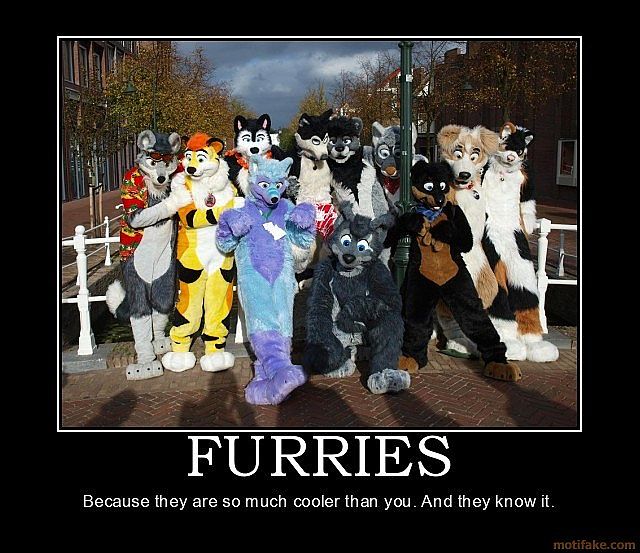
Furries revisited.

furriesposter

I read my stats every day, and by far my most popular article was “My son is furry–got a problem with that?” I have a few theories as to why this is so.

1. It tells a story that promises to be a bit unusual and maybe controversial (a mom who actually approves of her son’s furriness).
2. Furry is controversial in and of itself — lots of people hate them or misunderstand what they’re about.
3. Furry is trendy and cool, especially among young people.
4. The title, I must admit, is great–it’s one of my best titles ever. It’s grabby and sassy and promises to be a little controversial and a little personal and maybe even a little juicy; and there’s also an implied challenge there too for those who dislike furries (got a problem with that?)
5. It includes a video and a cool original photo.
6. Furries are adorkable. (I love ’em).
7. The article is neither too short nor too long.

Now, all that being said, there’s another reason why that article got so many hits. I have a Twitter account which I use primarily to talk to my son, who spends a lot of time there. My son has close to 2000 followers, and most of them are furries, so when I posted the link to Twitter (I link all my articles to Twitter) a ton of his fur-riends wanted to see what I had to say about their friend and also what his mom thinks of him being a fur. It’s a built in audience. If you look at the Twitter button under the article you can see it was linked to Twitter again about 28 times by an army of furries clicking on the Twitter link so it has a huge presence there. It was also linked to various Facebook accounts a number of times too. My son is a little embarrassed by this endlessly circulating article but also seems tickled pink that he’s getting so much attention and has achieved a level of Twitter “fame,” at least among other furries. It gives him a presence in the fandom, and his dance comp video has received many more views now too.

Outside of that, my most popular articles are the ones about narcissists and psychopaths. That’s understandable, given that’s the focus of my blog, and most of my followers are people coming out of abusive relationships with narcs and psychopaths, or just people interested in the ugly and soulless side of human behavior.

But the only other article that received anywhere near the amount of attention my furry article did was my “I’m Frustrated” noobie manifesto which OM was kind enough to reblog and as a result I was so busy with likes, new followers, and comments that day I could barely find time to go to the bathroom! Things have died down a bit, but due to his kindness I never again have logged on in the morning after posting a new article only to find nothing but crickets and tumbleweeds.

Third in popularity was my rant, “Don’t judge me because I’m poor.” Now, I’ll be honest–I didn’t expect that to be a popular article. It’s a depressing topic and I used a sad picture. But I guess a lot of bloggers can relate and poverty, like narcissism and furries, is a hot topic these days I guess. And it has a sassy title that contains a challenge.

The biggest lesson from all this I’ve learned is that titles do matter. A title that is short, a little sassy, a little controversial, and promises a personal confession of some sort seem to get the most hits and likes.
It helps if the article lives up to its grabby title too.

I also have to admit I’m hoping the reference here to furries gives me another little Twitter boost.

How writing every day has changed me

journaling

Before I started to blog, I was stuck in a quagmire of self pity and resentment. Most of you know I’m a survivor of abuse and hence suffer from depression and PTSD as a result of my abusers’ mental and emotional shenanigans and mindgames.

Even though I disconnected from my abusive ex-husband almost a year ago, my negative thinking patterns remained. Every day was the same as the one before; I was bored with my life and bored with myself, and felt like there was nothing else to look forward to, ever. I felt like I had lost my writing ability, creative vision and intelligence. I tried praying and it wasn’t helping very much–because the faith in myself and my future wasn’t there. It just seemed like a waste of time.

For a long time I had wanted to blog, but several things were stopping me: first, I was terrified to find out I may have forgotten how to write (since I hadn’t written anything besides a forum post in years). Second, blogging seemed like something you had to have computer or technical savvy to do. People told me WordPress and Blogger were hard to use, and I assumed they were right and that I was too stupid to learn (because I really truly believed I lost my ability to learn anything new). Finally, I couldn’t seem to get motivated. I was stuck in a rut and wanted out of it badly, yet couldn’t seem to pull myself out of the murky quicksand of my own ennui.

I really thought there was no place for me in this world and that I was simply too old, too tired, too dumb, and too boring to make any sort of meaningful impact on the world or even on just a few people. Actually it turned out I wasn’t any of those things–people with depression and PTSD often feel this way about themselves.

I thought about suicide because the prospect of just getting up every morning, going to my boring, low paying job, coming home, spending a couple of hours on other people’s websites before turning into bed, then having to repeat the same thing the next day and the next day and every day for the rest of my life until the pain of illness and old age finally took over was something I just didn’t want to face. But as depressed as I’ve been, I’ve never seriously entertained the idea of suicide because, well, I’m just too scared of it. Death scares the shit out of me. Not so much the state of death itself, but the process of dying.

But guess what? I was already dying. I was walking around like a dead person, spiritually and emotionally numb.

But writing has changed all that.

One day about a month ago, some spark of motivation came out of nowhere and momentarily penetrated the stagnant murk inside my brain. I don’t know if it was God, or the better part of myself doing it but it doesn’t matter because there it was like the beam from a lighthouse first seen in a stormy sea. Rather than ignore it or tell myself I’d act on it later, I didn’t even think about it, I just obeyed it. I opened up my laptop, found WordPress, and immediately set up my blog. It was much easier than I’d been led to believe, and by my third article I felt like I knew what I was doing.

There’s been no turning back, and I feel so much more alive and optimistic about my future and what I can contribute to the world. Blogging is certainly helping me, but maybe I can even help others too. For the first time in a long time, I feel like I have a purpose, a place in this world, and that I’m here for a better reason than just marking time until death and have more to offer than just providing an example to others of how not to live their lives (which is something I used to really believe).

But writing is a discipline, and sometimes I have to talk myself into it. It was hard at first to commit to writing one post a day. But for the most part I’ve not only managed to write a post a day, but sometimes two or three a day. I find that rather than being a chore(as I had feared), the more I write the more I want to write, and the ideas just keep coming. I thought I had no ideas. I was so wrong.

The spectrums of autism and narcissism

einsteintedbundy
Einstein is known to have been autistic, and Ted Bundy was a malignant narcissist of the worst kind.

Most people today are aware that autism runs on a spectrum, but many people do not know that narcissism (psychopathy) also can be found on a spectrum, running from mild to the most severe just like autism.

In autism, the spectrum looks like this:

Severe autism: The patient seems profoundly retarded–may not even be able to dress themselves, eat, or go to the bathroom without assistance–but may have a special ability, such as having a photographic memory of dates, or baseball scores, or a talent for art or music. Here you will find the “idiot savant” phenomenon, which I think is really just that the autistic person has focused ALL their intelligence into one or two narrow interests. As is true of all people with autism, they do not “connect” with caregivers the way neurotypicals do, and avoid physical touch or interpersonal contact, even from infancy.

Moderate autism: The patient can function and may be attracted to repetitive tasks and routines, and becomes easily upset if their routine is disrupted. They may engage in repetitive actions such as headbanging or echolalia, but is able to learn if given special instruction to suit their unique learning needs and can possibly be mainstreamed into regular education later. They may focus all their energy and intelligence on the things that interest them to the expense of anything else, but they can be very knowledgeable about the things they like. Keep in mind, people with moderate or severe autism are NOT retarded, but for whatever reason have shut themselves off from the world and from social interaction.

Mild (high functioning) autism; sometimes known as Aspergers Syndrome: Aspies function more or less normally in most things, and don’t usually need to be placed in special education programs, but they are likely to be very awkward socially. This can range from completely avoiding contact with others, to odd behaviors like one-sided conversation where there is no awareness the other person may have lost interest, interrupting the other person, or just having an odd, formal or pedantic way of speaking. The reason for this is Aspies cannot read social cues the way neurotypicals can, and as a result are likely to be shunned by their peers and bullied. Most Aspies however, are very intelligent, and many of not most “nerds” are actually high functioning autistics. They can be successful if they are encouraged to develop skills and knowledge in whatever interests them and can find a career that doesn’t require a lot of social contact. Cognitive behavioral therapy can help them improve their social skills even though being able to read social cues will always elude them. Albert Einstein was an extremely high functioning person with autism, but he didn’t learn to speak until he was three years old and his teachers and parents thought he was retarded.

In Narcissism, the spectrum looks like this:

Mild narcissism: People who are mildly narcissistic should probably not be considered psychopaths. They may not even fit the criteria for NPD. Many people with Cluster B personality disorders such as Borderline personality disorder, can be quite narcissistic but because they have the capacity to feel some remorse and empathy, they’re not true Narcissists, but they have enough N traits to belong on the low end of the spectrum. In some cases, however, they can become psychopathic.

Moderate narcissism (NPD): People with moderate NPD can be psychopathic. They are dangerous lovers, friends, and family members who care very little about others, although there may be occasional times they can feel remorse (usually this “remorse” is more because they got in trouble, not true concern about the person they have hurt). Unlike those with Antisocial Personality Disorder (sociopathy), Narcissists are unlikely to engage in criminal behavior, or at least not the sort of heinous crimes that will land them in prison. However, they are immoral and their actions may border on the illegal or they may commit a crime if they think they can get away with it. But because they want to maintain a squeaky clean image and gain others’ trust, they may avoid committing crimes altogether.

Malignant Narcissism (psychopathy): These are the true psychopaths, who think nothing of using, abusing, and hurting those close to them. They are expert liars and manipulators, and not only do not feel shame and remorse, they may also have sadistic impulses and actually enjoy watching their victims suffer (moderate narcissists just don’t care). These are extremely dangerous people but because they are also attractive and charming (at first) they are good at getting others to do their bidding before completely destroying them. Victims of the MN can suffer all sorts of severe mental disorders such as major depression, C-PTSD and may even attempt or commit suicide. My ex-husband falls into this category.

Psychopath or Sociopath?
There is some confusion (and it confused me for awhile too) as to what the difference between a sociopath and a psychopath is. They are very similar, but a sociopath is basically someone with Antisocial Personality Disorder rather than narcissism. APDs can be very narcissistic, and they are similar to Narcs in other ways too, especially in their lack of a conscience. Like narcissists, they show little to no remorse.

The person with APD is much more impulsive and not as skilled or savvy in planning out their actions. They do not think before they act. Hence they are far more likely to break the law and be in prison than a person with NPD.
You will find NPDs in the top echelons of business, government, and religious organizations and they all too often weild great power, which further boosts their already inflated self-image. APDs will rarely if ever reach the top of these “respectable” professions because they are too impulsive and lack the self-discipline to attain those levels. Many if not most people with APD are in prison or have at least had some trouble with the law. There has been some speculation that while the person with NPD knows the difference between right and wrong but just doesn’t care, the person with APD may have trouble distinguishing right from wrong. Does that mean if they could learn the difference, they would become narcissists instead?

Serial Killers.
Serial killers may be either sociopathic (APD) or psychopathic (Malignant Narcissists). Narcissistic killers are far less likely to be caught than sociopathic killers.

Ted Bundy presented a very good impression to his victims (even working in a rape crisis center) and was good looking and well educated. He had a law degree and a charming, trustworthy demeanor. He also planned his crimes in a manner where it was difficult for him to be caught for a long time, and even after he was caught and sentenced, passed himself off as an expert in serial murder, and before his death, his theories were actually used by police and forensic specialists to help identify and profile other killers of this type. Ted Bundy was a narcissist and a psychopath.

Ed Gein was a sicko who didn’t take care of his appearance, didn’t make a good impression, lived in a filthy hovel filled with body parts, and did not plan his crimes in a very organized manner. He basically acted on impulse. When he was overwhelmed by the urge to kill and cannibalize again, he would just go out and do it. Of course, like Bundy, he didn’t feel remorse and even took pleasure from the torment and horror he caused in his victims, but his actions were impulsive and strictly done to fulfill an immediate need. Ed Gein was a sociopath who probably had APD.

Mid-century modern houses > McMansions and other neo-eclectic monstrosities

fall

I clean houses part time for a living so obviously I have seen many different types of homes, and it can be kind of interesting. It’s one of the few perks of this job (besides getting to play with awesome pets and sometimes meeting friendly customers who actually tip). The job has given me a crash course on various architectural styles and periods. Some homes are fascinating and have a lot of character (usually older homes), but by far, the most common type of house I encounter are the infamous McMansions and other ugly and cheaply made homes of the “neo-eclectic” style (if you can call it a style) that became popular from the late 1970s to the 2000s.

I don’t like new houses. Most mass-produced homes built since 1980 use exceedingly cheap materials, including hollow doors, plaster or plastic crown molding, and one-piece window mullions made of PLASTIC that regularly come loose, vinyl siding, few to no windows on the sides of the homes, and the homes have very thin or hollow walls. There are other things wrong with them too, which I’ll get to shortly. Builders since 1980 or so try to get the most out of their dollar, and this means a lot of shortcuts are made, and cheap materials are used, even in the more “upscale” homes in some gated communities (another trend that make me want to scream).

Cheap materials and shoddy construction has been a complaint since the first mass produced ranches and split levels were built in the 1950s-1960s, but I have found that those old ranches and split levels far surpass the newer homes in quality of materials and labor (even though they don’t quite measure up to the solidness and uniqueness of prewar homes). Yes, their rooms may have been small and the hallways narrow and cramped, and the kitchens in the originals were unpleasantly separated from the rest of the house (keeping the housewife in the kitchen away from the family and guests).

But at least they used real materials–real hardwood (not laminate), real ceramic tiles (instead of that cheap plastic sheeting used in modern bathrooms), real wooden shingles (though many have been replaced with vinyl siding), and I actually like the layout, especially in the split levels, with their innovative way of separating various areas of the home within limited space while still keeping a kind of open plan. It worked well for families. The houses also fit well into the landscape without overwhelming it. Indeed, recently there have been several websites praising the humble mid-century ranch/split level/raised ranch and even a few historical preservation societies are popping up to protect and promote “mid century domestic architecture.”

What is happening is what happens to anything that becomes “old”–what was once dismissed as tacky or gauche during its time takes on the charm and character of anything old or vintage. Since those mid-century houses are fewer in number now (many have been razed to make way for McMansions and newer homes in gated communities) and also now sport old growth trees and mature landscaping, and no longer all look alike (because in any older development, these houses have had changes and additions, and so are as distinct from each other as even older houses in prewar neighborhoods. These formerly “ticky tacky” houses are showing signs of becoming an older style that possesses charm, simplicity, unpretentiousness and convenience–taking its place alongside older but respected modern styles like the Craftsman and Prairie style homes of the early 20th century.

The ranch house, in fact, is a mass produced style that was inspired by designs by Frank Lloyd Wright, the architect who first created the Prairie style of home (the forerunner of the ranch) back in the 1920s and 1930s, of which “Fallingwater” is probably his most famous undertaking. Prairie style homes (developed by a group of Chicago architects inspired by Wright) had low pitched roofs, overhanging eaves, “ribbon” style banks of windows, and sometimes several levels separated by short flights of stairs (forerunning the split level), built-in garages, and were designed to fit into the surrounding landscape without overpowering it. Most of these houses can be found in the Midwest.

Typical Prairie style house.
prairie

The standard ranch house has its origins in California dating back to the 1930s, but they didn’t really take off until the late 1940s and 1950s as returning war veterans needed cheap houses to start new families in. The split level style evolved from the ranch house and also was inspired by the Prairie style. It became popular for two reasons: it separated living areas (public rooms from private bedroom areas) without separating them TOO much (as more formal houses with long flights of stairs do). The split level was a innovative way to fit a ranch home (which is better suited for a flat landscape) into a more hilly or uneven landscape.

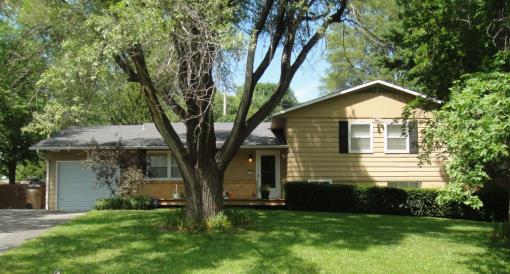
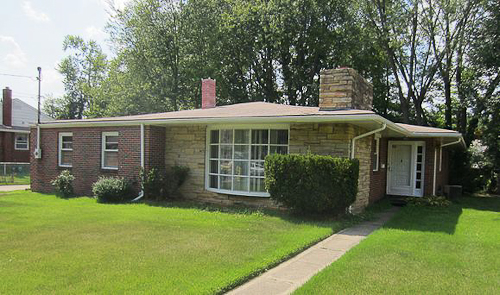
ranchhouse splitlevel1 splitlevel2 ranchhouse2

These mid-century houses in their original state definitely had their disadvantages (lack of light, walled-off and smallish kitchens, small bathrooms, etc.), but here is what I like about them:

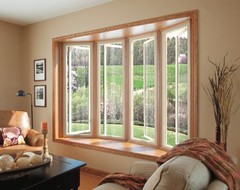
— They have a certain acquired midcentury charm with their overhanging eaves, casement windows, and low pitched roofs, and their picture windows (later these windows were of the bow-style–curved glass with many panes or sometimes just vertical panels).
bowwindow bowwindow2
I don’t think these beautiful windows are made anymore (especially the type on the left), but if not they should be.
— The houses were large enough for a medium sized family but allowed some measure of privacy without closing everyone off from each other.
— Recreation rooms in finished basements, sometimes with sliding glass doors that stepped onto a patio.
— built in garages, that unlike newer neo-eclectic homes built after the late 1970s, did not overpower the house or stick out like an ugly tongue in the front.
— they used real materials like wood, stone and ceramic instead of plastic and laminate
— They take extremely well to renovations, additions and modernization
— They are humble but attractive homes that don’t overwhelm the surrounding landscape
— They lack the ridiculous pretentions and ostentatiousness of newer homes from the late 20th century.
— They don’t have a ton of steep stairs to deal with every day, so work better for the handicapped and older folks who can’t take climbing steep flights of stairs.

It may come as a surprise, but most popular styles of houses were considered ugly or tacky back when they were new. Craftsman homes (aka California bungalows), one of the first modern styles, is a style everyone seems to want these days, were once a mass produced style built from a kit you could order from the Sears catalogue! At the height of their popularity back in the early 20th century, they were considered cheap homes for people who couldn’t afford anything else–now everyone wants one!

Small vintage Craftsman home.
craftsman-style-home

The same thing is true of the beautiful and ornate Victorian homes we admire so much today. When they were new, they were considered pretentious and tacky monstrosities that overwhelmed the neighborhood. Now many people love these old houses.

Fifty or sixty years after the first mass produced ranches were raised in the infamous Levittowns, these houses are finally acquiring desirability, especially since they are rarer now (many have been torn down or replaced). Older people–Baby Boomers in particular–have always dismissed this style because of its associations with the lock-step conformity of the 1950s (and that’s the generation most likely to be attracted to the pretentious and ugly McMansions), but younger people, particularly Millennials, don’t have a memory of any negative associations, and are buying these mid-century homes. They appreciate their convenience, lack of pretentiousness, and simple charm. And because these older homes take well to renovations and additions, many of the updated specimens are absolutely beautiful–retaining the midcentury overall style, but now sporting skylights, vaulted ceilings, larger windows that let in more light than the originals, updated, bigger kitchens that have been opened to the dining and living rooms, and renovated bathrooms with modern fixtures. Some developers have recently been building updated versions of ranches and split levels. An example is shown in this drawing:

newsplitlevel

I don’t care for the oversized Hummer garage that sticks out like Jimmy Durante’s schnozz, but other than that, the architecture remains true to the midcentury modern style, with an updated look.

To contrast, let me take a minute to rant about McMansions and other neo-eclectic styles of the past three decades. I’ll just list everything I hate about them.
— As already stated, except for the exceedingly expensive “custom designed” homes, they are built shoddily, with cheap or fake materials, not much better than what you would find in the average trailer.
— Most of them are a mishmosh of various past style, combining Colonial features with Craftsman with Greek Revival with God knows what else. They are schizophrenic looking, not seeming to know what style they should be. It’s as if the builders couldn’t decide on one style, so they tried to use elements of every known style, and the effect is ugly and migraine inducing. Granted, some expensive custom designed homes try to stay true to whatever original style they are emulating, but those houses are in the minority.
— many of these monstrosities are in “gated communities,” which to my way of thinking is just a symptom of the class stratification, inequality and one-upmanship that is so pervasive in America today.
— They are pretentious–with their ridiculously complicated, overly steep “mansard” roofs, fake dormers (that sometimes don’t even look out from any room in the house), unnecessary multiple gables, 30 foot high ceilings in the “great rooms” with windows that can’t be washed except by professionals, ugly and oversized “Palladian” windows, lofts with catwalks that are dangerous for children who could climb over and fall over the railings, steep staircases, “his and hers” master bathrooms, and master suite bathroom/spas larger than the average living room (and who the hell needs a tub the size of a swimming pool and glass shower enclosures that look like crap once hard water stains get on them and who wants to be viewed when they’re taking a shower anyway? I sure don’t). The only thing I like about the new houses is the kitchens–those are pretty cool looking and if I had one I’d spend all day there cooking and baking. But these updated kitchens can be easily incorporated into older houses, and have been, so I don’t need a fucking McMansion to have an awesome kitchen.
–They are tall and overwhelm the landscape as well as smaller houses in the neighborhood, and because they are so new, many are without trees or lanscaping of any kind. They look like boxes sitting where they don’t belong.
— They also are usually out of scale with the small lots they sit in
— Most of them lack any windows on the sides (or have just one or two), making them look like some sort of movie set. And they’re not built much better than a movie set either.
— The 12 foot high ceilings in the smaller rooms (such as bathrooms) make them seem cold and uninviting.
— Everything freaking ECHOS in these houses. Everything freaking ECHOS in these houses.
— They are inefficient due to their huge size and require enormous outlays of cash to keep them sufficiently heated and cooled. That means they also make a huge environmental footprint. Any one who is concerned about the earth will stay far away from these environmental vampires.
— Most of them sport HUGE garages–sometimes that fit as many as 3 SUVs or Hummers–that overwhelm the home. The “snout houses” that have garages like this look like homes for cars, not people. (Most midcentury homes, in contrast, either tuck their built in garages on the side of the house, or if in the front, are one- or at most two car garages).

Let’s take a moment to appreciate the beauty and simple charm of the wonderful neo-eclectic house in all its glory.

mcmansion1 mcmansion2 snouthouse uglymcmansion

My eyes! They burn!

A match made in hell: Narcissists and HSPs

bullies

Two of the hottest psychological topics on the Internet right now address two personality types that are virtually on opposite ends of the behavioral spectrum: narcissism/psychopathy (or more specifically, NPD), and HSPs (highly sensitive people). I think there’s some significance to this. For reasons no one seems to understand, Highly Sensitive People seem to be thrown together with Narcissists more than you would expect by chance alone.

Neither personality type is especially common: people with Malignant Narcissism (NPD) comprise approximately 4% of the population in the United States; HSPs comprise about 20% making them somewhat more common–though they may seem less common than they really are because they’re often hiding in the shadows and rarely call attention to themselves. Many HSP persons have learned to stuff their sensitivity and emotions because (besides having been shamed for it), high sensitivity doesn’t work very well in the narcissistic and materialistic society we are currently living in–a society where qualities like aggression, social gregariousness, bluntness, impatience, and indifference to the suffering of others are far more valued than qualities like civility, deference, intuition, shyness, and empathy. Aggression and gregariousness are especially valued in the worlds of business and politics. Face it, you’re not going to find a great job (or any job at all) if you call attention to the second group of qualities and may well be regarded as weak and ineffective. Politicians who appear too empathetic, tolerant, gentle, or soft spoken rarely win elections. That’s why liberals keep losing elections. It’s my observation that those with more liberal ideologies are usually better educated, but also by nature are more empathetic and care more about the plight of the less fortunate. Let’s face it: narcissism wins elections, and that’s why the country’s in such a huge mess.

But this isn’t about politics, and I don’t care what your ideology is. I don’t want to stereotype political ideologies based on personality, because there are conservatives who are also sensitive, and liberals who are anything but. I’m referring more to the people in powerful political positions, not the people who vote for them.

Highly Sensitive People have a number of characteristics that make them vulnerable, especially to people with NPD, and all too often HSPs find themselves either being raised by psychopaths, or married or otherwise in serious relationships or friendships with them.

You may be an HSP if…

1. You were bullied in school; the bullying may have become a pattern throughout your entire schooling. Maybe even as an adult, people like to “mess with you” to see if they can get a rise out of you.
2. You had imaginary friends or spent a lot of time in “imaginary worlds” of your own making, or you were often accused of daydreaming by your teachers.
3. As a child and perhaps later into life you cried easily and often. You may have been a “difficult” or sickly baby or toddler. HSPs do seem more prone to serious allergies and childhood illnesses more than other people.
4. You never were “popular” but prefer to have deep friendships with one or two like-minded people who may also be HSPs.
5. You dislike crowds and may not really like parties or other large social gatherings.
6. You’re a deep thinker and enjoy reading and studying about whatever interests you
7. You may prefer to spend time alone over social activities
8. Family is important to you, insofar as you have a workable relationship with your family.
9. You are very easily hurt and sometimes can’t let a cruel joke or comment roll off your back the way others can
10. You dislike negative or chaotic environments because you feel like you can pick up on the negative emotions of others around you.
11. Your own family may not understand you, thinking of you as a black sheep or a failure. They may even reject or bully you if there are Narcs in your family who have chosen you as the family scapegoat.
12. You feel overwhelmed easily when you’re forced to deal with others, especially negative people.
13. You may feel you relate better to animals than to people and that they even understand you better than most people.
14. If bullied or scapegoated by Narcs, you may approach life with a hypervigilance that may border on paranoia.
15. Because of your giving, empathetic nature, you find yourself attracted to those who abuse you or use you.
16. You put the needs of others before your own, and may sabotage your own happiness or success in the process.
17. You get very upset when you hear or read news stories about children, animals or adults who have been abused or killed.
18. You may have decided to stay away from reading or listening to the news because so much of it is negative and upsets you.
19. You may have reached the point where you feel no one can be trusted (but it’s in your nature to still want to trust others and give them the benefit of the doubt).
20. You are prone to deep depressions and feelings of despair (sometimes this manifests as irritability and grouchiness), sometimes these depressions are not explainable by any personal situation; you also have the ability to feel the heights of pure joy when you feel in balance with the world around you or with those who truly care for you and love you unconditionally.
21. You may be attracted to the performing or visual arts, or to poetry or creative writing.You may well have a talent in these endeavors. You also may have a strong interest in spiritual and metaphysical matters.
22. You may have an intuition so strong it borders on psychic ability–you may be able to “read” the emotions of people you have never even met before, or even deduce what type of situation they are facing in their lives.
23. You may feel you can detect the presence of the supernatural
24. You may feel strongly you do not fit in the world very well and that you have poor survival instincts.
25. Most importantly, when dealing with a narcissist, you may have the ability to hone in on their true nature, and see how horrifying it really is, both to the Narc and to others.

I want to extrapolate more on #25, because it’s at the core of why Narcissists (the natural bullies of the world) are so attracted to HSPs (the natural empaths) and why they so often wind up in their unholy psychological death dance together.

It’s a Love/Hate dichotomy.

Narcissists have a love/hate relationship with the HSP. What the narcissist sees in the HSP is a person who wants to trust, is easily manipulated (because they always like to give the benefit of the doubt), easily taken advantage of, and shows their hurt when wronged. They see a person who has insight into why other people tick, and are self-aware and introspective. More than other people, they can easily be coerced into blaming themselves if things go wrong because they can be shamed or embarrassed so easily. They are unlikely to attack the narcissist (at least at first) and they crave love and acceptance.

What the HSP sees in the Narcissist is a person who seems strong and in control of things; at first this may make the HSP feel safe and validated when the Narcissist is love bombing them to woo them into a relationship. Since Narcissists are usually quite aggressive when trying to rope in the HSP into commitment, making all sort of promises to the HSP that sound wonderful at the time. Soon, the HSP falls in love with the Narc and the match from hell is conceived.

The dynamics in a family with an HSP child raised by a narcissistic parent are different, because no love-bombing phase is required (except when the child is an adult and threatens to leave or go No Contact with the Narc parent). Shortly after a HSP child is born, the Narc parent quickly realizes this child is vulnerable and can be used as their narcissistic supply to boost themselves up at the expense of that child. Often, the Narc parent will coerce other family members (often siblings of the HSP) to act as “flying monkeys” in the bullying of that child. Unfortunately, such children are so sensitive they are often bullied at school as well, and the child may feel there is no safe place of their own. As a result, they may turn inward, creating imaginary friends or worlds in which they can escape. My mother hated it when I went inside my head into my imaginary worlds, and punished me for acting “spooky.” I couldn’t help it though: it was the only “place” where she could not get to me.

Narcissists live in terror of being exposed.

Narcs hone in on high sensitivity and are both attracted to it and despise it. The vulnerability of an HSP and the Narc’s ability to bully them temporarily makes them feel better about themselves (the only way they can feel good about themselves is by putting others down because they know they have no “true self”–more on this later), but they also hate it and envy it, because it’s this very quality of high sensitivity and empathy they know they do not possess, and worse yet, they know it’s possible the HSP could one day use that quality to expose the narcissist. Narcissists do not feel anxiety the way most people do, but the prospect of being “outed” one day for the monsters they actually are behind their mask of normality and sanity is incredibly terrifying to them.

But why is the psychopathic narcissist living in such terror of being exposed? After all, they think they’re better than everyone else, so why would it bother them?

The answer is horrifying. If they are exposed or “outed,” they are forced to look into the mirror–and what looks back at them in that mirror is not a monster, not an ideal self, not a demon, but something worse: a black, endless void of nothingness. There is nothing there, under the mask they wear. In effect, the masks they wear are what they have become, because inside they don’t exist. And yes they are evil. Evil isn’t badness; it isn’t the opposite of good. Evil is the opposite of somethingness; evil is pure black nothingness. In their desperate attempts to fill the void, they take on superficial behaviors and attitudes they think they “should” show the world–but they are fake. There is no real self there. Ergo, everything they think they are and everything they say is a lie. They are the People of the lie.

Are Narcissists born that way, were they made that way, or did they choose their path?

I don’t believe psychopathic narcissists were born this way. I don’t believe in “bad seeds,” like the demon child Damien in “The Omen.” In fact, I think all children start out as blank slates with the potential to become good (or bad). I think Narcs often have abusive or neglectful parents who fail to mirror the child in a positive way when they are very young, and as a result, not being able to mirror the parent in return, they don’t develop a true self and spend their lives trying to mirror the people they come in contact with and HSPs make this mirroring easier for them. Unfortunately by this point it’s far too late for them to internalize the mirroring of the other person, and so it never infiltrates beyond the surface. This explains why the Narc will act like they are the most understanding and caring person in the world when the HSP first meets them, but since they never internalized the behavior, it’s not really part of them and they quickly move on to abusing the HSP because deep inside they envy and hate the same behaviors they have so recently “mirrored.” Narcs cannot be helped in traditional therapy because in order to reach them, there has to be a self there to be reached, but Narcs have lost their true self, or it’s become so deeply buried it can never be accessed in any normal way, if ever.

There’s another way a person can become a psychopath. Some people cross a line at some point in life, a line where they seriously violate some inner (but maybe not fully developed) moral code. For example, in “People of the Lie,” Dr. Peck talks about a man who almost became evil. The man, who was by all accounts a good man, a devoted husband and father, suffered terrible panic attacks when crossing certain bridges as a requirement of his job. To help alleviate his anxiety attacks, the man made a deal with the Devil: he told the Devil if he could make it across the bridge without a panic attack, then he’d give the Devil permission to allow something terrible to happen to his son. The man said he didn’t really believe in the Devil, so he knew nothing would actually happen and therefore really wasn’t that bad a thing. But it’s still a deal with the devil, and Peck was horrified. The fact the man felt remorse and shame (and confessed his “sin” to Dr. Peck) saved him from crossing the line into becoming evil himself.

We have all heard stories of group violence, situations where people who otherwise would never partake in violent crime by themselves, enthusiastically take part in looting, mass violence and killing when part of a large group. In a way these people have also sold out to evil and have crossed a moral line. Soldiers in wars are obliged to kill innocent victims, sometimes women and children, and the deep guilt and shame they feel after doing something so alien to their own moral code could be a big reason why so many of them become mentally ill or suffer from the more severe forms of PTSD.

As an HSP (and also Aspie) child raised by a Narcissist mother, I was at a huge disadvantage. I suffered the whole gamut of psychic insults visited on the hypersensitive: bullied in school, bullied at home (and sometimes filled the role of the Golden Child too, since I was an “only”), and bullied by most of my serious boyfriends and finally my ex-husband.

Into the void.

blackhole

I could see “through” my mother at an early age, and knew her occasional professions of “love” were utter bullshit. When I was about 6, I remember a very vivid dream that she came into my room, and instead of a loving face, all I could see was solid black eyes–the kind of demon eyes seen in horror movies, coupled with a sneer so full of hate that I felt like I turned to ice inside. Even after I awoke, I couldn’t shake the feeling that my mother was evil, and I acted especially “spooky” that day, something my mother hated and punished me for, because she knew my “spooky” moods meant she knew that I knew what she really was, and it scared her to death.
I had the same experience with my husband years later–same sneer, same opaque black eyes.

It sounds crazy I know, but I have no doubt I actually saw this–and know that what I saw was what they really were. The blackness in their eyes was not a manifestation of a demon inside them–it was a mirror that reflected back the nothingness inside. An endless, black hole where nothing can enter, nothing can be reflected back, and nothing can escape, not even the light of truth. Around a narcissist, just as around a real black hole, all reality becomes distorted and eventually sucked into its depths to become something…else.

If psychopathic narcissists were ever confronted with what they really are–a fake “person” without a true self–I believe it would drive them insane or even to suicide. They would not be able to face the horror of knowing in a sense they really are dead. They are vampires who must stay alive by sucking the lifeblood from the living. HSPs, by feeling everything as deeply as they do, and having the ability to tap into the life force and zero in on the inexplicable like a psychic laser beam, are extremely “alive” and thereby more powerful than the narcissist. The malignant narcissist hates that. He wants those abilities and powers for himself–so badly he is willing to destroy those qualities in those who have them, even slowly killing people they observe possess these coveted qualities they both envy and know may expose and destroy them.

It’s also why narcissists in positions of power (and they are all too often in positions of great power) denigrate, hate, and fear scientific research, critical thinking, the arts, and spirituality (as opposed to dogmatic religion). These are things that, just like the HSP’s intuitive powers, can hone in on Truth and expose the lies narcissists like to tell to keep their subjects under their control.

Can Narcissists ever be cured?

Probably not, because they either no longer possess a true self (and in a real sense are really soulless) or it’s so deeply buried and obscured it can never be accessed and brought to light. If there is a self there, I suspect it’s greatly diminished or nearly destroyed. It may sound woowoo, but I believe in the chakra system–those 7 points of concentrated energy that run down the spine and that correspond closely with the physical endocrine system. Most if not all of us suffer from imbalanced chakras or chakras that are weak (or too strong), but I think in the psychopath, while their chakras exist (if they didn’t they would be dead), they are almost nonfunctional and disconnected from each other instead of working together the way they should. I also think if you could see the aura of a psychopath it would be thin and dark, probably almost black.

But even the most evil psychopath is not entirely hopeless. We are all children of God or a Higher Power (or however you choose to understand him), and as long as their is life, there is hope. I believe even the most psychopathic, narcissistic soul-murderer has rare moments of truth and clarity, where they become aware of what they really are, and feel great shame and horror when they do. Unfortunately these moments of clarity are so frightening and painful for them that they almost always escape back into their narcissistic ways and deny the truth. If they are to ever be helped, it must be during these rare moments of clarity, and only God can help them, and only if they are willing to submit to His power. We can pray for the psychopaths, but we can never change them. They must make the decision to change on their own, and unfortunately that isn’t something we can count on happening very often.

The psychopathic narcissist is really a pretty weak and pathetic character, and as easy as it is for us to hate them, we can also pity them for the lost souls they really are.

ETA: Please see my latest article, “My Son’s Father Turned from a Loving Dad into a Monster” for the story of how my highly sensitive son became his malignant narcissist’s father’s scapegoat once his father realized my son could “see through” his mask.
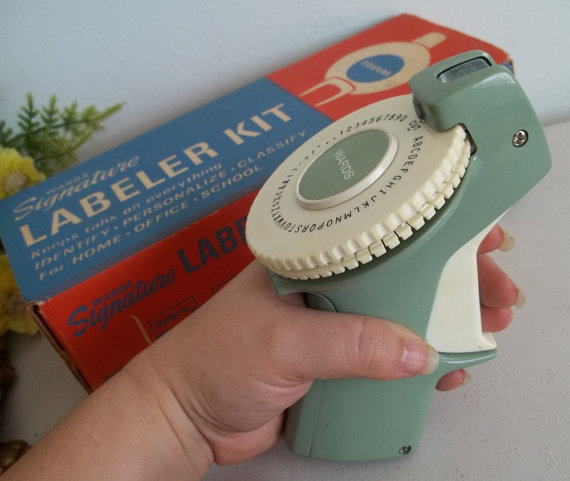
Survivor hypervigilance and the danger of false labeling

labelkit

Earlier today I wrote that I thought my daughter may have NPD because she had taken my phone when she lost hers, and seemed uncaring that I had no way of contacting her or anyone else. About an hour ago, she returned with my phone, and seemed very apologetic and remorseful.

Granted, my daughter does have some narcissistic traits, but she is also Borderline, and most Borderlines do have some narcissistic behaviors–after all, they’re still in the Cluster B group of personality disorders (Cluster B disorders are those characterized by excessive dramatic behavior and/or lack empathy). But she’s not a Narcissist. She does have a conscience and can show empathy, and she’s also self-critical, something true Narcs are not.

My point here is this. I think we survivors have a problem with lack of trust. Having been hurt too often by those with malevolent character, sometimes even by our own parents, we tend to be hypervigilant and quick to label people as NPD if they show even the slightest self-centered behaviors. Since we all can be self-centered and narcissistic at times, then we can falsely pin the NPD label on almost anyone.

Hypervigilance and paranoia is a huge problem for survivors. We have learned not to trust anyone, or even trust our own instincts (since all too often we seem to be attracted to those who are narcissists). Many if not most of us suffer from C-PTSD (PTSD resulting from having been the victim in an abusive relationship). We are quick to jump to conclusions and overreact to behaviors that trigger us, even if no malevolent intent is involved, and even imagining narcissistic behavior where none actually exists. This can cause misunderstandings and result in an inability to become close to anyone and sometimes even make it impossible for us to allow anyone to be our friend. We don’t believe anyone has our best interests at heart.

Here I am going to attempt to describe some behaviors that really are narcissistic, and also differentiate other disorders that may be mistaken for NPD. This list is not exhaustive; there are many other symptoms of NPD I may have neglected to list, but here are the ones I am most familiar with from my own relationships with narcissists. For convenience, I am using the masculine pronoun, but of course all of these could apply to females as well.

How to Spot a Narcissist.

1. Does he come on strong in the beginning, love-bombing you with gifts and words, giving you his undivided attention, but does he also try to rush the relationship toward commitment? If he does, he wants the “courtship” phase over with quickly, because once he knows you’re his, he can revert to his true narcissistic self and you become his narcissistic supply. A huge red flag is if he talks about past relationships in a way where he paints himself as blameless and the ex as a blackhearted villain.

2. Is his “teasing” sadistic and cruel? Does he keep doing it after you’ve told him to stop, and even after you’re no longer laughing?

3. Does he like to put you down in front of others, and then call you “too sensitive” or “lacking a sense of humor” if you rightfully object?

4. Does he play mind games? These can include any of the following: gaslighting (trying to make you believe you are crazy or are losing your memory by denying actual incidents you have called to his attention); triangulating (creating drama between two other people by telling each person lies about the other one–example: he tells a friend of yours you were saying bad things about them even though you were not, and then tells you your friend said they really don’t like you). This is crazymaking stuff.

5. Does he lie even when there’s no reason to lie? Does he deny any wrongdoing even when the evidence is in his face?

6. If he cannot deny the wrongdoing, does he make excuses as to why it wasn’t wrong? True narcissists can never apologize.

7. Does he have one or more “flying monkeys” (people he has won over to his side in his campaign against you)? If he can get other people to side with him (sometimes other family members) and ALL of them are saying YOU’RE the crazy one, that’s the cruelest form of bullying and gaslighting imaginable. RUN! Narcs are very glib and have a lot of charm, and it’s easy for them to make others believe YOU are the one with the problem, and they are just blameless victims. If they’ve read up on narcissism, they may even say YOU are the narcissist.

8. He has a black and white view of the world. If you’re the least bit critical, he concludes you’re against him. If you’re not 100% in agreement, that’s reason to attack.

9. Is he condescending, sarcastic, talks down to you, or otherwise make you feel belittled and diminished, especially when others are present?

10. Does he bring up your most personal matters in front of others, in an effort to embarrass you?

11. Does he trash you behind your back, and then deny he ever said anything (perhaps “gaslighting”–telling you you are imagining things?)

12. Does he steal from you, and then deny it?

13. Does he make you engage in behaviors that are illegal or go against your morals?

14. Does he seem to never have anything nice to say about anything or anyone? Narcissists are excessively negative, unless they are in the “love bombing” phase (when they’re trying to woo you, or when they feel there’s a threat you may leave and they may be deprived of their “narcissistic supply”)

15. Not all, but many narcissists have co-existing addictions to alcohol, drugs, or gambling. This can be a red flag, but not all Narcs have substance abuse problems (and certainly not all those with addictions are Narcs).

16. Does he act entitled, expecting to be given things and treated in a special way, without doing anything to deserve the special treatment, and never giving anything back in return?

17. Does he lack empathy or become upset or enraged of he believes someone else is getting more (attention, material goods, love, etc.) than he is?

18. Does he seem to be nice to everyone but you? Narcs are chamelions who can change masks at the drop of a hat.

19. Do you ever get the odd feeling there is “nothing there” or even get a sense of evil from the person? I saw this black void in both my mother and my ex husband, and it scared the daylights out of me both times. If you get this sense, or see the solid black eyes, RUN as fast as you can. People who are HSPs or empaths are more likely to “see through” a psychopath this way, and HSPs are also most at danger of becoming their victims, not just because of their vulnerability, but also because the narcissist envies and hates the quality of high sensitivity because of the potential it has to “out” them for what they really are, and that terrifies them.*

20. Does he blame-shift, that is, projecting things that go wrong onto you? For example, if he loses his wallet, he finds a way to blame you for it. If your kid becomes sick, it’s because you were “careless” in allowing them to be exposed to others who were sick.

21. Does he project his own character flaws onto you? For example, telling you (and anyone else he wants on his side) that YOU are selfish and lack empathy? My ex actually did this to me, making ME the narcissist. It’s enough to make you batshit crazy.

22. They overreact and are hypersensitive to insults. The poor things are so easily hurt *bring out the tiny violins* Actually, for them it’s just hurt pride. Insult their pride and they’re likely to fly into a narcissistic rage.

23. They have no respect for boundaries. They’ll rummage through your personal belongings, invade your space, blast their music (and get mad at YOU if you ask them to turn it down), talk loudly when you are trying to sleep, and generally just be in your face all the time.

24. Finally, is your psychopath attracted to “dark” or “evil” things? I noticed my NPD ex-husband liked a lot of things that gave me the heebie jeebies: images of demons, zombies, vampires, slasher movies, and he was also attracted to the occult. His taste in music was also very dark: he listened to a lot of death metal. I’m not judgmental about music and can appreciate all genres (even if it’s not something I would listen to), but much of the music he listened to just gave me bad vibes. Granted, some narcissists are “paragons of virtue” and they can often be found in churches, schools, and unfortunately, government. Our current government and the top echelons of large corporations are filled with narcissists, and this is why the United States is in such sorry shape today. Be that as it may, many people with NPD are attracted to the dark underbelly of things.

There are other behaviors typical of NPDs and psychopaths, but the ones I listed are the ones my psychopaths used most frequently in my victimization. After being subjected to these crazymaking behaviors for so long, it’s not surprising survivors can become hypervigilant and automatically label any triggering behavior from anyone as being psychopathic. We have to be careful not to jump to conclusions.

Look for Patterns.

It helps to look for a pattern–if the behavior happens over and over again, and is combined with other narcissistic behaviors I have listed, that’s a red flag. If it’s an isolated incident, and it isn’t part of a regular pattern, chances are that person is not narcissistic. It’s hard for a survivor of abuse to give anyone the benefit of the doubt, but observation before judging is important to avoid the problem of false labeling and possibly rejecting a person who may actually be good for us.

Other disorders that can mimic Narcissism and Psychopathy.

Antisocial Personality Disorder (sociopathy): This is similar to NPD/psychopathy, except the person with APD is far more likely to engage in criminal behavior (narcissists like to maintain their blameless image, although they may break the law too in more subtle ways), and although they too show no remorse or empathy, their behavior tends to be more impulsive and there is some evidence that people with APD have difficulty telling the difference between right and wrong.

Borderline Personality Disorder: These are people whose personalities have never “come together.” Like the narcissist they can be very charming and attractive at first, but they tend to be emotionally intense and overreact to everything, especially slights. Borderlines are the true “drama queens.” Their relationships are unstable and stormy, and they are high-maintenance and very demanding. Many people with BPD have issues with addiction. They are likely to have narcissistic traits, but unlike someone with NPD, they are capable of empathy and remorse. They act impulsively, think later.

Obsessive Compulsive Disorder (OCD): Some people with OCD are very controlling and get very upset if their routines or rituals are disrupted. People with severe OCD can seem unempathic and self centered, but they act the way they do because of the overwhelming anxiety that underlies their control freak appearance.

Schizoid Personality Disorder: People with this disorder are not narcissistic or psychopathic, but are asocial and live very much inside their own heads. Their behavior may be odd or eccentric. They seem to lack empathy, but are really just not very aware of what other people may be feeling or how their odd or aloof behavior may upset those close to them.

Aspergers/autism: People on the autism spectrum, like the schizoid personity type, are likely to be asocial and keep to themselves–or when forced to socialize, their behavior can seem awkward. Because they cannot read social cues, they may say or do hurtful or inappropriate things, which can make them seem narcissistic. But if their hurtful behavior is called out to them, most of these people do feel shame and remorse.

* My next article will be about HSPs and why they’re so often targeted and bullied by psychopaths,

Important announcement to my readers

To my readers:

Here’s an update. I am losing my Internet access either tonight or tomorrow. If I’m lucky I *might* have access through the weekend. I’m testing WiFi at Bojangles–it seems to be working. I have to find another internet provider that costs less–but it seems there is some sort of law if you were a previous Charter customer, then other companies cannot work with you, which I find really strange.

What really sucks balls is my daughter went off last night God only knows where and took my phone–which other than this Bojangles internet access, is my only contact with the outside world, and now she cannot be reached anywhere, nor do I have any idea where she is, or where my phone is. No one has been able to track her down or contact her. It’s times like this I think she might be a Narc–she had lost her phone so she thought it perfectly fine to take mine, even though all my contacts are on it and I need the phone for work. If there’s an emergency, I don’t even have a means to dial 911. I cannot afford a new phone at the moment.

But that’s not anyone’s problem. Of course donations are accepted and will be more than appreciated if anyone can help. Until I figure out what to do about Internet access, I will be using the WiFi at Bojangles which means I will have to write from my car at the restaurant and won’t have as much time to post or read. At least there’s that and it’s better than nothing. I won’t just disappear. Hey, I NEED this!

I was going to post something tonight about how to distinguish someone with NPD from other people, but I’m just so tired, angry and upset all I want to do is go to bed.

If anyone can make a donation to help me procure a new phone and/or help me pay for Internet access so I can continue my blog from the comfort of my home, please click on the “Donate” button in the green bar above and follow the instructions. Thanks so much my fellow Bloggers! I appreciate all my readers and all the encouraging and supportive comments I have received. 🙂

I’m just pretty bummed out right now, so I’m signing off for the evening. I’ll probably just go to sleep soon.

This is not a nice post.

steam

I committed to complete honesty in my blog, even when it means I have to show an ugly side I prefer others not see. This blog is the only place I can be completely honest about everything regarding myself and the Narcs in my life, so I don’t expect everyone to like this post. In fact, some of you may hate it. It’s ugly, and it’s negative, and it’s petty, but it’s also something that’s REALLY bothering me, and since this blog is, first and foremost, self-therapy, sometimes ugly stuff is going to come up. What I’m going to write about may even make some of you suspect I’m the narcissist, but read further if you want to understand. I really wish I didn’t feel this way and didn’t have to write this ugly post.

I’m going to keep this short because I don’t want to dwell on it. In fact, I’d really just like to forget about it and move on. But I’m obsessing, so maybe writing about it in my blog will help me to let it go. I can’t talk about this with anyone I know IRL.

For those of you who have read my entire story (click the “My Story” link in the green header), you already know I spent many years supporting a man I was no longer married to, allowing him to freeload, trash my house, take over my home, abuse me and my family, and suck me dry financially, spiritually and emotionally for 7 years after we were no longer married to each other.

In 2010 or 2011, Michael applied for disability. I won’t say he isn’t disabled, because in a relative sense he is. I do think his “mental problems” are largely fabricated. The guy is a Narc–that’s his primary mental problem. I don’t believe he is actually Bipolar and he certainly isn’t suffering from PTSD. I don’t think Narcs can suffer from PTSD (can they?) although perhaps they can be bipolar. But I know him, and I know 99% of it is an act, so that he could appear “crazy” enough to get the treatment required by SSI so he would qualify–and also be able to stay in a psyciatric ward during the time when he would have otherwise been homeless.

Keep in mind that Michael didn’t have a second thought about ousting me from MY home (AND taking my kids away from me) back in 2003 when he was working in cahoots with his flying monkey Rachel who had taken over my home. He never apologized for this either. Yet he hates me because I “made him homeless” because after waiting on him hand and foot for 7 years and getting (and asking) nothing in return other than some help with the bills (which because he refused to work he couldn’t provide) I finally tossed him out when I reached my breaking point when he gave my daughter a black eye. I told him way back in 2007 when he first moved back in with me I would not tolerate violence. Well, he broke that promise. If he hadn’t done that, chances are I would still be putting up with him today.

During the time he was waiting for disability, he did so by my charity. If it hadn’t been for me providing him a place to live–and otherwise supporting him, he would probably have died on the streets since no one else would put up with him (and everyone else had kicked him out). He would never have gotten his SSI because no one would have sacrificed their happiness, given over their home, or put up with his intolerable, exploitative behavior for that long.

One day recently I sat down and calculated how much he had cost me over the 7 years he lived with me and the 5 he lived as a human leech and did not contribute one penny to the household expenses. I spent at least $20K on him, including turning over at least a third of my tax returns to him for at least 4 of those years. And this after he whined countless times, “But I don’t cost you anything!” Yeah, right.

Today he got his SSI check–not the regular monthly check, but the back pay going back to the time he stopped working in about 2008. The check he got is for well over $30K. So this useless, narcissistic, evil, hateful, exploitative, pathetic excuse for a human being is being rewarded–on the backs of the two people (me and my daughter) who made it all possible for him (not to mention the taxpayers). And yet….he told my daughter I will not get a dime of this money. Even though he saw how much I struggle financially, even though I work my ass off, even though I do all this with a smile on my face…not once during the time he lived with me did he show one iota of empathy or even offer to help around the house. Even after working all day, I came home and did all the housework–which meant cleaning up after him because he sat here getting high and trashed the house every day.

moneybags

If I was going to make him accountable for what I had to spend on him, I would ask him for $20K. But I will not do that. I feel $3500 is fair. Of course he is not legally obligated to pay me this sum, nor do I have any legal rights to it. I don’t have a case in the eyes of the law. I don’t expect to get a dime from him, in fact, knowing his history with money, I expect he will spent most of it on drugs and gambling, maybe buy himself a nice new car (while my transmission on my 2001 Taurus is almost shot) and find a place to rent. The rest he’ll spend on whims–because that’s the way he operates. He sees something and has to have it right now. Like most narcs, he’s stuck at the emotional level of a very young child. The money he has will probably be gone in six months.
But it still doesn’t make me feel any better. I feel like I’ve been had. Used and used up.

I’m still dirt poor and now the asshat’s got a shitload of money for doing absolutely nothing except use me to freeload off of while he waited to get that money, and the unfairness of it is astounding and infuriating and makes me want to break a lot of things.

bang-head-here

I understand if this sounds incredibly self indulgent, childish, and petty, and I apologize for that. I’m not too proud of it either. But I just don’t understand why Narcs ALWAYS seem to come out ahead, leaving a trail of destruction and misery behind them. I hope there’s a such thing as karma.

The Serenity Prayer comes in handy in times like this.

God grant me the Serenity to accept the things I cannot change.
The Courage to change the things I can
And the Wisdom to know the difference.

It’s the only thing I can do.