My stupid ego stands in the way of empathy.

pride_humility

There’s been something on my mind that’s been bothering me a lot, but I’ve hesitated posting about it because it makes me sound like a terrible person.  But I’ve always aimed to be honest on this blog, so I’m not going to make an exception this time.

A few weeks ago, I made a new online friend.  She’s in a severe depression right now due to receiving some bad news. She was so grief-stricken she had to go into the hospital and get treated for her depression.   Since then she’s been confiding in me by email, because she’s too shy to publicly comment about her situation.   For about a week or two, we corresponded almost daily.   Our emails to each other were long and deeply personal, and they proved therapeutic for me as well as for her.

I’m no therapist, but I’m always willing to correspond via email and try to direct people to the proper resources or actually help them directly if I can.   I felt like I could relate to this woman; I identified with a lot of her issues. She said she felt the same way about me.  I began to think of her as a friend, someone I cared deeply about, even though we never met and we’d only been corresponding for such a short time.   I felt a great deal of empathy for her situation.  These empathic feelings are  something rather new for me, because only recently I was too busy working on my own issues and trying to recover from my own trauma that I didn’t have the time or inclination or even the ability to really be able to empathize with anyone else.   Lately though, I’ve been rediscovering the empathy I possessed so much of as a child, and it’s a beautiful and wonderful thing.  I want it to keep growing because it makes it easier for me to connect with people and makes it possible for me to be authentic and help someone else in need, which is what I’ve been aiming to do more of.

My new friend told me that writing to me helped her a lot, and I was extremely touched by this.  I told her she was helping me too, which is true.   I began to look forward to her emails, because, well, the things she told me made me feel good.   I felt my ego puffing up with pride like a loaf of baking bread.   I began checking my inbox several times a day to see if there were any new emails.  I was getting a little obsessed, to be honest.  I was jonesing for that feeling of being needed, of feeling like I was important to someone, of knowing that someone I liked and cared for valued me that much.

I haven’t heard back from her in a few days.  Now I’m becoming insecure and hypervigilant and wondering if I said something wrong or overstepped her boundaries or if she just got tired of writing to me.    I kept reading over our emails trying to find anything, any hint at all, that I might have said something offputting that ran her off or made her want to stop emailing me.   I found nothing but obsessively, I kept looking.

After 3 days of no correspondence, I finally emailed her again.  I was extra careful not to sound too needy, and because she’s so fragile right now and came to me for help (and not the other way around), I tried extra hard to not to project my own “stuff” into my email to her.  I read it over several times and it sounded alright to me, but I still worry she may be able to pick up on my neediness.

I realized with horror that my worry about her possibly abandoning me was more powerful than my concern that she might have had to go back into the hospital (or just couldn’t get online, or was busy, or whatever).    My insecurity made my email sound more stilted and less natural than usual.  I no longer feel like I can be as open and honest, because of my own stupid fears of being offensive or overbearing and making her think badly of me.  It isn’t her fault I feel like this–it’s my own ego getting in the way of the real empathy I have for this person.

This happens to me all the time, and is one of the reasons I’ve sometimes thought I’m actually a narcissist.  Everything is always about me, my ego, what other people are thinking about me, am I being validated, am I still valued by them, are they going to leave me, do they secretly hate me?  Even when all the evidence is to the contrary, I still look for the microscopic speck of dirt in my bowl of ice cream–and always find it even though it isn’t really there.

Yes, I do have empathy–and a lot more of it has been freed to me lately–but when there’s any uncertainty or insecurity and I begin to feel hypervigilant and paranoid.  I start fretting that maybe I’m being deliberately ignored or God forbid, abandoned, and all that wonderful, healing empathy I’m learning how to use goes flying out the window and everything becomes all about me and my stupid ego again.

I still care about this individual and want to help her, but I want my empathy to flow naturally and my ego to stay out of it, because all that does is fuck everything up.  I’ve been praying for this to change, because how can I ever really be of help to anyone else if I’m always worried about what other people are thinking about me?   This isn’t about me; it’s about her and trying to help her heal, not getting some sort of ego boost for myself.

I’m not going to email her again.   I’ll just wait now, and if I never hear from her again, I can live with that.   Maybe she got what she needed from me–the encouragement she needed–and that should be enough.   I hope she is okay.

If nothing else, then I have learned a hard lesson about pride and ego: pride comes before the fall.  True empathy requires humility and the ability to set your own ego outside the door.

Am I am empath?

sad_angel

I’m a little scared to post this, but I’m going to anyway. I’ve never regretted posting anything I’ve felt shy about posting.

Until very recently, I always thought people who say they’re empaths sounded a bit grandiose or even a little narcissistic. I never thought I was an empath, but as some of the toxic thinking patterns I was so trapped in begin to fall away (this is a very slow process!), I find that I’m better able to “see” things I couldn’t see since I was a small child. The “things” I see are what lies behind the facade all of us have to some degree or another, a facade which narcissists have become so effective at building that their real selves are all but obliterated (but they’re not really).

I was very emotional as a child and felt everything around me intensely. My sensitivity made me not only prone to being a target for bullies, but also physically vulnerable: I spent a lot of time sick and I had many allergies.   I had terrible ear infections that left me nearly deaf in my left ear.  The doctors said I was healthy and couldn’t figure out why I was always so sick.

Abused by my narcissistic family and the bullies at school, I gradually learned that it was too dangerous to fully feel my emotions or to connect with people on an emotional, meaningful level. I was made fun of or punished in some way. So I shut myself off from feeling anything but the most banal or self defeating emotions, only those that concerned myself or ensured my survival: fear, anger, jealousy, frustration, boredom, sexual desire, and a pseudo-love known as limerence.  Rarely could I feel true sadness, joy, love, contentment, friendship, connection with God or nature, or caring deeply for another.  I felt like I couldn’t connect with other people meaningfully but was still always quick to take offense to insults. This manifested in unpleasant ways like “going off” on people or losing control.   I often scared people with the intensity of my rages and low frustration tolerance.   Fear–a survival emotion–remained dominant.   My programming told me I needed that fear to survive, but it sure hasn’t made for a pleasant time of things, and made me afraid to take any risks at all.

Worst of all, my heart became closed.  I stopped being able to laugh or cry with abandon or with another person.  I loved the idea of getting close to others and having meaningful relationships, but the reality was just too scary and the relationships I did have were either meaningless and shallow or unhealthy and toxic.   I learned to isolate myself from others and avoid other people because other people meant pain.  I isolated myself not only physically, but by making it difficult for people to be around me.   I couldn’t stick with anything.  I couldn’t finish anything.  I couldn’t achieve anything.     I was afraid to fail because failure meant certain rejection.  This is what my narcissistic family taught me.  This comprises the genesis of my BPD (which I think is finally beginning to fall away).

Five things have led to my ability to begin to let go and to reconnect with the self I lost as a child and young adult, listed in order of their importance to me.

1. My relationship with God
2. Therapy
3. Blogging and writing (self-reflection)
4. Music — it’s incredible how powerful it is!
5. Time spent in nature, including time with animals (they teach us so much)

I won’t describe the means by which these five things are working for me, since I have done that elsewhere and it would turn this post into a book. But what’s beginning to happen is I’m realizing I genuinely care about others. I never thought I did. It wasn’t that I didn’t care before, it was because I was so protective of myself I couldn’t let those feelings of caring be consciously felt. Now when I hear a fellow victim talk about a lifetime of abuse or scapegoating, I feel true empathy for them because I’m more able to allow myself to experience my own pain and process it and that makes it easier to relate to the pain of someone who went through similar trauma. So I can no longer say I’m really empathy challenged. I always had it in me.

Something even more amazing is starting to happen. I’m becoming somehow able to see the lost child in the people I talk to on both my blogs. I may have always had this ability. From the time I was a young child, I could pick up the emotions of others around me. When I picked up my mother’s emotions, she told me to stop “acting spooky.” I think my X-ray vision scared her.

But I couldn’t just throw up a false self and become a narc.  I lacked the right temperament.  It was always so hard for me to hide the way I felt. So I went into hiding instead–emotionally and sometimes physically–becoming a near hermit. I stopped being able to have any deep relationships, even real life friendships. I stopped being able to feel the higher emotions that bring us joy and deep connection with others.  These are symptoms of Avoidant Personality Disorder, which I had/have along with BPD and C-PTSD.

My life became drained of any joy or color. But now, I can see the hurt inner child in others, which is ironic since I still have so much trouble connecting with my own hurt child. This ability to see the real selves in the people who come to my blogs (or post on other blogs) even extends to people with narcissistic personality disorder. When I look at a narc now, I don’t see someone to hate or be terrified of, I see someone who didn’t get enough love and has no idea who they are.  I think of my parents and feel so sad that they spent their lives spiritually asleep instead of awakening to the authentic people they could have been.  But I don’t think they chose narcisissm–no child ever makes such a choice, at least not consciously.

I believe in No Contact. I don’t think any lay person can fix a narcissist and it’s always best to get away for your survival and sanity. But that doesn’t mean things are hopeless for a narcissist, should they sincerely want to connect with their real emotions.  More therapists are needed who have the courage to work with these difficult and often infuriating people. Therapists who can help them realize the potential to love and feel the real emotions they were born with, who can help them break down the strong fortress they have built around themselves to keep everyone out.   This must be done by professionals, and it can take a long time and it won’t be an easy road. I think there must also be a spiritual component, an acceptance that there is something–if not God, then some Intelligence or Presence–that is greater than all of us and is always healing and benevolent. I think the stigma is so bad that therapists either won’t treat them or give up when the going gets rough. Yes, some narcissists will leave. But some won’t, if the therapist is empathic and skilled enough and the narcissist wants change bad enough.

Both narcissism and C-PTSD and other problems caused by abuse all have their roots in childhood trauma. Why only focus on healing for the victims? Narcissistic abuse is a terrible thing. But it will continue as long as there are narcissists walking around allowed to get away with turning people into victims. If we can get to the root of the problem and help the narcissists themselves, then narcissistic abuse will end and there will be no more victims either. It’s analogous to alleviating crime in a city by addressing the problem of poverty that led to it. As long as you ignore poverty, crime will continue and there will always be crime victims.

I seem to have an uncanny ability to see the real, lost self behind a narcissist’s facade. This surprises me, because it seems like a quality an empath would have and I never thought I was one–just a run of the mill HSP.   But through therapy, prayer, being in the natural world, music, and writing, I feel like my heart has opened and with that, a kind of X-ray vision. I’ve actually had self aware and some diagnosed narcissists come to me (mostly on Down The Rabbit Hole) telling me the blog has helped them and they are learning from it, or admitting they want help.  A few have emailed me because they’re too ashamed of their narcissism to post on a public blog.  Right now, all I can do is try to offer encouragement and direct them to other resources. I feel empathy for them, just as I feel empathy for the abuse victims on Lucky Otter’s Haven and here too.   I wish I could help them more than I can right now.

robert_frost_quote

I think I’m being called to something–working with people with NPD (as well as other trauma victims)–that’s going to take a lot of strength and courage and could even be emotionally and spiritually dangerous if I’m not very careful or don’t know exactly what I’m doing. It’s going to take a lot of training, and right now there are a lot of logistical problems (lack of money or time to go back to school; getting older; not liking confrontation and being socially awkward in general). But I feel like God has a plan and some doors will begin to open. I can work on my awkwardness and fear of confrontation in therapy (and these things are a result of low self esteem, not an “introverted” temperament). Working with people with NPD is something very few people dare venture into.  It’s also something a lot of narc-abuse survivors have trouble understanding.  A few even think it’s wrong.   I don’t believe it is.   I’m not ready to do it yet. But I feel like this is the shape my life is taking and the reason why everything happened the way it did. It was the reason for all my suffering.

Born an empath to narcissistic parents, they could not handle my ability to absorb the feelings of those around me and “see through” facades. They worked day and night to disable my gift because they were so afraid of it. But in spite of everything, I still have the gift and I want to use it to help people like my parents, even if my parents rejected the illumination of truth that gift had the power to reveal.

Why my therapist rocks.

cantfakeawesome

How awesome is my therapist?  Let me count the ways.

Actually, I won’t do that.   I’ve already described in many other posts why he totally rocks.   I don’t think I’m idealizing how great he is.  Well, maybe just a little, but I think it’s pretty normal.

I’m just going to describe one of the many reasons why he’s so awesome, because this is something that happened last night.

He’s not afraid to show his vulnerability.  He’s not afraid to show me he has emotions.   This helps me, because it makes it safer for me to express my own buried emotions.  I never had a therapist who did that before, and I think that’s why my other therapists could never get through to me and I’d eventually quit.

So what happened was this.   He came out of his office as usual to greet me, but he did something a little different than usual.  Normally, he just smiles at me and tells me he’s glad to see me (and I know he really is), then leads me into the room, and pulls up his chair so he’s facing me about three feet away.  He has never laid a hand on me, but puts the least amount of distance between us I will allow.

Last night, he smiled but his smile looked sad.   He looked tired and a little pale.  He sighed and sat down in the chair on the other side of the end table in his waiting room.  He said, “You don’t mind if I decompress for a minute, do you?”

“No, of course not,” I said, surprised.   I didn’t really know what else to say.   I stared at him, waiting, and somewhat intrigued.   He was resting his head in his hands, elbows on knees.  I wanted to give him a hug, but I didn’t.

He looked at me sheepishly.  “Difficult session,” he said.  Then he got up from the chair and said “Alright, I’m okay now.”   I followed him inside.

That might sound weird or even unethical.   After all, some people think a therapist should not share their emotions with a client, especially if those emotions involved another client. But I never see the client that comes in ahead of me.  They go out a different door than I come in.   I don’t even know the client’s gender.

My therapist has shown vulnerability at other times too.  Once or twice, he got teary-eyed.  Not crying or actual tears rolling down his face (that would be awkward and I might be tempted to run), but I could tell what I was saying made him a little emotional.   He also tells me he looks forward to our visits. I don’t think there are any romantic or sexual feelings, though I could be wrong.   I just think he’s more open than most therapists about the way he feels, and I think that’s what makes him so good at what he does.

My therapists’s willingness to show vulnerability has a few benefits for me:

—  It makes me trust him and hence, be more willing to show my own vulnerability.   I simply can’t let my emotions loose if I’m dealing with a block of wood who does nothing but stare wordlessly at me and writes things on pad of paper.

—  He shows empathy for me, which helps me feel empathy for my true self (inner child), and this self-empathy then expands toward others, so I become a more empathic person.

— I feel like sometimes he models emotion for me.   For example, if I’m angry but am dissociated from that anger and can’t really feel it, he picks up on it and models anger.  Not at me, but toward whatever it is he thinks is making me angry.    Like, one time I was talking about the time my dad stole the little picture booklets I had drawn when I was about 7 or 8; these little journals were meant for no eyes but my own.  I felt violated by that, but wasn’t able to feel the anger. I kept making excuses for my dad and saying it shouldn’t have bothered me.  My therapist actually looked angry and said, “I don’t care if you’re mad at him or not, I’m mad at him for violating your boundaries like that.”   After that I was able to experience the anger I felt and work through that.

Whether what he’s doing is intentional or not doesn’t matter.  What he’s doing is working with me. He’s an empath who holds the key to the buried parts of my mind that no one could even come close to unlocking.


HSPs and empaths, take heed! You cannot heal a narcissist!

sad_angel

In my readings and observations of people in the narc-abuse community, I’ve become aware that Highly Sensitive People (HSPs), empaths in particular, are highly attracted to narcissists. The reverse is also true–narcissists see an empath and smell blood.  As an HSP myself (though not an empath), I have always been drawn to narcissists as friends and romantic partners.   This has gotten me into a world of trouble and almost destroyed me until I finally learned to resist their “charms” and go No Contact whenever possible.

Why Empaths are so attracted to Narcissists.

empaths_narcs

It’s a psychological truism that we tend to be attracted to people similar to the people who raised us.  For those of us who were the most sensitive child in the family and as a result, became the family scapegoat, developed codependent personalities, or even developed a form of Stockholm Syndrome toward our abusers, we continue to carry our legacy or “people pleasing” into adult life and find ourselves drawn toward other narcissistic people, who are very good at promising us the world and vowing to solve all our problems.   But getting involved with a narcissist is the ultimate bait and switch–they make a lot of empty promises to love you unconditionally and never betray or hurt you, but they don’t deliver.  Not even close.  All they care about is feeding off of your love and generosity in order to keep their false self inflated like a balloon toy.

Not only are we fooled into believing the narcissist will be the answer to all our woes and fill our own inner emptiness, HSPs and empaths are also drawn to the “hurt inner child” inside every narcissist.  Most people can’t see the emotional void and deep unhappiness at the core of an NPD; they just see the narcissist as either a likeable charmer or a huge A-hole (depending on their role to the narcissist or stage of the relationship), but empaths see beyond the “false self” to what really lies beneath the carefully constructed facade.    This is why empaths and HSPs were so often scapegoated as children–because they were children who could see the ugly truth and sometimes even blew the whistle on the narcissistic parent–and nothing terrifies a narcissist more than being exposed as living a complete lie.

I’ve talked to quite a few empaths who actually seek out narcissists to love, in spite of having been educated about narcissistic abuse and the very real dangers they pose both spiritually and emotionally.  Empaths who choose to love a narcissist and think “this one is different” really ought to know better.   They look at a narcissist and don’t see a predatory, toxic individual who only seeks to use and abuse for their own gain; instead they see only the “hurt inner child” living in darkness beneath the bright, cheerful facade.

Their observations and feelings are actually not wrong.   Because empaths can see the truth about people, the damaged person they take so much empathy on is real.  Narcissists are indeed hurt, damaged, deeply unhappy people, although some abuse victims prefer to think of them as inhuman devils without souls at all.   Narcissists are definitely human, but they are dangerous, and especially deadly to an empath, because of how much such a person tends to give of themselves and how codependent they can become.

Like moths drawn into the flame.

moth-to-the-flame-3

Narcissists are drawn to empaths because (even though an empath can see beyond the false self, which scares narcissists), they give them everything they want.   Deep inside, what every narcissist really wants is someone to love them unconditionally, and empaths are more than capable of doing that.  They are also deeply envious of the empath’s ability to feel with no shame, even if they deny and hide their own feelings.   Empaths are compassionate, patient, self-denying, always willing to listen without judging, and generous with their time, money, possessions, emotions, and everything else they have to give, both tangible and intangible.  An empath’s love for a narcissist will cause them to stick by them no matter how much abuse gets dumped on them in return.   Empaths are perfect candidates for Stockholm Syndrome.   They will keep giving and giving, while the narcissist gives nothing in return except heartache and pain.

Some empaths may seem masochistic because everyone else can see that the narcissist is sucking the empath’s lifeblood away, turning them into a dried up husk of the whole person they once were, but the empath, like a moth driven to a flame, continues to give and give and give until they have nothing left to give.   It’s not masochism that drives an empath to stay with the narcissist and allow this abuse, though–it’s the deep belief empaths have that their unconditional love alone can heal the narcissist and make them whole again.

It’s a beautiful idea, that unconditional love can heal a narcissist and transform them into loving, authentic human beings.  It would be nice if things really worked that way, but only in fairy tales and movies do such things happen.   The Beast is won over by Beauty’s love and is transformed into a loving prince;  the miserly Scrooge is transformed into a generous and compassionate philanthropist;  The Grinch grows a huge heart out of the hard little stone in his chest when he hears the Whos singing down in Whoville in spite of having all their Christmas presents stolen;  Jerry McGuire changes overnight from a selfish, materialistic jerk into a nice guy.  Usually it’s the love of someone else–often a woman or child–who is the catalyst in getting the narcissist to change their evil ways.  These movies and stories touch our hearts and bring tears to our eyes because we wish life were really that way.

grinch_heart grinch_heart2

It’s tempting, if you’re an empathic type of person, to want to reach that hurt inner child inside your narcissist and through your unconditional love alone, give them the courage to jettison their false self and let that inner child out, and finally learn how to love.   But what’s far more likely to happen is that in spite of your best efforts, the narcissist will not change and will resist or even attack your efforts to transform them.   They will just keep taking from you, for they have no idea how to give of themselves or how to love.  You become drawn deeper into their web of misery and darkness, and eventually have nothing left to give and finally, your soul is destroyed beyond repair.

The only way to help a narcissist.

You cannot help a narcissist by giving them your love.  The best way to help a narcissist is to stop giving them narcissistic supply–in other words, going No Contact.   Only then is there a small chance that without that fuel, they will be forced to confront their own emptiness and pain, which could lead to them seeking professional help.   But don’t count on it.  Most likely, they will just move on to a new source of supply or try to hoover you back in.

I’ve stated many times that I don’t think most narcissists are beyond hope.  I’m one of the few narc-abuse bloggers that holds to that view, and sees narcissists as a different, more dangerous type of abuse victim.   It’s not a very popular view, but it’s mine and I’m not likely to change it.  A few weeks ago, I wrote about Apostle Paul, a malignant narcissist if there ever was one, who was changed by the Holy Spirit into a righteous (if still slightly arrogant) devoted follower of Christ.    I know of NPDs who are in therapy or treatment, or were in therapy and have actually been deemed NPD-free or are at least working hard to change their ways and become more authentic, loving people.  NPDs  are sad people who know their lives are empty and shallow and essentially meaningless, even if they never admit it.  Some even become consciously aware of how exhausting and essentially unfulfilling their dependence on others to feel good about themselves (and what they feel good about isn’t even who they really are) really is.

I’ve always believed that with both self-awareness (knowing one is a narcissist) and willingness to change (disliking what one has become), that healing becomes possible.  But change isn’t something that can magically happen through an empath’s unconditional love.   If it’s going to happen at all, it takes years and years of difficult and grueling therapy by a trained professional who knows exactly what works for this disorder (and what doesn’t)–and because they are trained in this, are not going to get pulled down into oblivion by allowing the narcissist to feed on their heart like a predatory animal.   Healing can also come through an act of God, as it did with Paul.    We can love a narcissist (but from a safe distance!), and we can ask God to help him or her–and maybe that will turn out to be God’s will too.  You never know.  God may have a special mission for them and decide to remove the scales from their eyes.   But please, empaths and HSPs, never try to cure a narcissist yourself through your unconditional love.   It won’t work.  You don’t know how to do it.  Leave it to the professionals and God.

Original Sin or Original Self-Centeredness?

This is a wonderful post about the origins of narcissism and its antidote, empathy, written by one of my new favorite bloggers.

Comments are disabled; please comment on the original post.

jesuswithoutbaggage's avatarJesus Without Baggage

Many Christians believe humanity is so broken, and nature so violent, because of Adam’s disobedience in the garden. They say the world was originally perfect but Adam ruined everything. Furthermore, all Adam’s descendants are born with ‘original sin’ and alienated from God because of Adam.

Other believers cannot accept this explanation of our brokenness. Yes, the world is very imperfect and often harsh. Yes, we are subject to the human condition of pain, suffering, conflict, alienation, and death, but none of this is caused by Adam’s alleged sin.

Recently, I shared that the story of Eden is not an historical account but a marvelous reflection on our human condition. In the following article I determined that ‘original sin’ does not exist.

But if our problems are not caused by original sin from Adam, then how can we account for them?

What Do We Mean by Sin?

First, I think…

View original post 1,248 more words

Self-pity and self-compassion: there’s a huge difference!

self-compassion

I read a post yesterday on another blog that I agreed with, except there was one thing that didn’t quite sit right with me. The post said that self-pity is an important part of healing from Complex PTSD.

In his book (which I’m still reading), Complex PTSD: From Surviving to Thriving, Pete Walker says that self-compassion is an important part of healing, and I think this is what the blogger actually meant. But self-compassion isn’t the same thing as self-pity, an activity which I don’t find at all healing and in fact seems to make my problems worse. Of course we have the right to engage in self pity from time to time (and probably can’t help doing so), and no one should deny us the right to do so. But for me, it just doesn’t work. It’s an unpleasant, soul-sucking experience that seems to drive my negative programming even deeper than it already is.

The way I see it, the difference between self pity and self compassion is analogous to the difference between pity and empathy. I think this makes the distinction clearer.

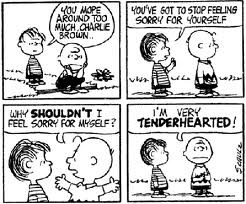
Pity has an element of condescension or even contempt. You pity someone you dislike or look down on. It’s kind of like sympathy but it’s contaminated with judgment and scorn. You feel like you’re “better” than a person you pity. A wealthy banker may “feel sorry” for a homeless person without feeling a shred of empathy. The banker is glad they’re not homeless, and feels as if they’re above that anyway. If someone says “I feel so sorry for you,” or “I pity you,” you’re likely to feel offended and judged, not comforted. I hate being pitied so much I might be tempted to punch you if you do.

Superficially, empathy, compassion, or sympathy may seem like the same thing as pity, but they’re not the same at all. Sympathy means to feel sorry for someone without judgment or condescension, but it’s not quite the same as empathy, because it lacks the sharing of a feeling. It’s a shallower emotion, but it’s still better than pity. Compassion and empathy are interchangeable and both imply feeling “with” another person, or sharing an emotion with them. It’s giving your friend a heartfelt hug after a breakup, or laughing or crying with them when they’re happy or sad. It’s giving a homeless person your own sweater because you hate to see them shivering in the cold. There’s no condescension or judgment. When someone empathizes with you, they say, “I understand” or “that really must have hurt.” Doesn’t that feel a whole lot different than someone telling you, “I feel sorry for you.”

charlie_brown_tenderhearted

Self-pity is part of our toxic programming. It’s driven by shame. Self pity is when you sit around and think about how much your life sucks and how much YOU suck. There’s no self-nurturing or comfort in self pity, no self love, only self-hatred and shame. Self-pity enforces the terrible things we’ve already come to believe about ourselves. If we’ve been told time and again how stupid, bad, clumsy, ugly, or what a loser we are by our narcissists, eventually those voices become internalized and we develop a toxic inner voice called an Inner Critic. When you’re stuck in self pity, that’s your Inner Critic demeaning you and repeating to you the same lies about yourself your narcissists already drummed into you. You learn to abuse yourself, and self-pity is just self-abuse. When you say, “I suck” or “I’m a loser” or “nothing ever goes right for me,” you’re reinforcing the toxic programming and acting as a flying monkey against yourself.

Unfortunately, for those of us who suffered from narcissistic abuse, it’s common to wallow in self pity. It’s an all too familiar state of mind, but it isn’t the real you. The things we tell ourselves when we’re stuck in self pity are lies. When I get stuck in self pity, I feel just horrible. I just want to die. I usually wind up feeling resentful and angry at the world, but also ashamed of myself for being such a helpless victim and pathetic loser. I’m consumed with shame and guilt, which leads to depression. I also can’t release the negative emotion when I’m in self pity mode. I get stuck there and it drags me down and saps from me any energy or joy. I’ve had hangovers that felt more pleasant than a bout of toxic self-pity.

self-pity

You can replace self pity with something much better that also feels a heck of a lot nicer: self-compassion. Self-compassion means acknowledging that you are a human being worthy of love, happiness and the good things in life, while empathizing with your inner child’s hurt over not having gotten those things. You give your inner child permission to feel sad or to grieve and agree with them how unfair it is that she/he got cheated or was abused. This may seem like self pity, but it’s not, because the element of judgment and shame isn’t there. You’re not beating yourself up over how terrible you think you are; you’re telling yourself you’re good and deserve better and allowing yourself to grieve. Instead of covering up your inner child with a paper bag, you’re offering her a hug.

It helps me to actually visualize my inner child. I have her talk to me and tell me what she needs and wants. I don’t judge her or try to shut her up; I just listen. If she feels sad, I tell her those feelings are valid and let her feel sad. If she feels mad, I let her express the anger (but at the same time reassure her she won’t be able to hurt anyone or anything because I won’t let her). I find that by non-judgmentally listening to what she wants and needs or how she feels, I’m eventually able to release any negative emotions and I don’t get stuck. By giving myself permission to feel without self-judgment or self-shaming, sometimes I wind up being able to cry, and as weird as it sounds, that always comes as such a relief. When I’m stuck in self pity, these healing tears never come, because the shame that’s been programmed into me won’t allow me to release them. My programming tells me the massive lie that crying is shameful and weak, when in actuality it’s sometimes the most healing thing you can do. Your Inner Critic is a narcissist who doesn’t want you to heal and that’s where all that awful self pity comes from.

Empathy begins at home.

happy_childhood

I know that for a very long time I’ve had issues empathizing with others on a one to one basis (with a few rare exceptions like my children). It’s not that I like seeing others in pain or want to hurt them (I don’t, at all), more that I have had so much trouble connecting to my emotions, especially tender or vulnerable feelings, that this avoidance extends to everyone else. I’ve always felt empathy when it’s “safe” though–therefore I can cry for a character in a movie or novel, or even a TV commercial. I can get quite upset reading a news story about someone who’s been abused, especially if it’s an animal or a child.

But when it comes to real life people, I just can’t allow myself to get that close. I hold everyone at arm’s length. It’s too dangerous to let them in, because they might stir up emotions I haven’t wanted to feel. Of course this means emotional (as opposed to cognitive) empathy goes out the window too. You can’t feel an emotion for someone else if you can’t even access it for yourself.

It’s a common belief that all people who lack empathy are narcissists or psychopaths (or have some kind of schizoid disorder or psychosis, or autism). But a lack of empathy is also a common symptom in people with complex PTSD. Shutting off emotions–including empathy–is a defense mechanism that protects you from further harm. The problem is, this protection also “protects” you from feeling much joy or being able to really love anyone else.

Recently I’ve been feeling a kind of tender regard for my child-self/true self. Right now she’s not integrated and feels far away sometimes, but I can feel her sadness and pain. I can also feel that she’s a good person, a gentle sensitive spirit with so much love to give. I feel a tender protectiveness now where before I felt only shame and wanted to hide her away, just as she had been hidden away by the narcissists who “raised” her. So how was I any different from them, by keeping her hidden, projecting badness and shame onto her, refusing to see her strengths? Sometimes I just want to hold her like my own child. It’s not self-pity; it’s closer to empathy and even love.

Is this where empathy begins? Does it begin with loving yourself–your true self? If you hate your real self, you cannot learn to expand empathy onto others, since you can’t even empathize with yourself. If all you feel is shame, that is going to be projected onto others. That would apply to narcissists and the personality-disordered as well as people suffering from C-PTSD.   The problem for the disordered is it may be too late for some of them.  They are so thoroughly shielded by a false self they cannot even access their real selves or only with a great deal of difficulty that could take years.  There are much stronger defenses to break through.  They may be so shut off they can’t even see the lie they are living and think it’s everyone else–not them–with the problem.

The root of attachment and trauma disorders is is rejection of the self internalized from the people who were supposed to love you and mirror you; to heal, you must be able to develop empathy for your true self. That’s what my therapist has been helping me do.

4 awesome reasons to cry.

awesome

One of the things my therapist and I have been working on is getting me to cry in session.   I’ve talked before about how hard it is for me to cry, except in private, and even then it isn’t always easy.   As a child I cried all the time.  Because I was usually shamed for my tears, sometime during my teens or early 20s, I pretty much stopped being able to cry and outbursts of anger, seething resentment, or “freaking out” seemed to replace the tears.  Rage and anger, while they have their place, is often destructive to others and yourself, and if used as an outlet where tears would be more appropriate, isn’t really very healing.  Freaking out is never adaptive because it just makes you appear crazy.   Before I learned mindfulness in DBT, I’d act out against others or freak out without thinking about the consequences, and usually feel regret, embarrassment, and shame later, much more so than if I had just cried instead.

Sure, tears can be manipulative.  Narcissists cry to get attention or to manipulate others into pitying them or giving them what they want.   Babies and young children do this too.  That’s the kind of crying that has given tears such a bad reputation.     But if a child is crying for other reasons–because they are hurt, because they are sad or overwhelmed with any other emotion (ANY strong emotion, not just sadness, can cause tears)–parents should never tell them “big boys (or girls) don’t cry” because that just teaches them to stifle their emotions, and stifling emotions is bad for you and can even affect your physical health.  If a child is shamed out of crying often enough, they may learn to turn off the tears and become unable to cry as adults.  This is especially common for boys in a culture that has traditionally frowned on men and boys crying because it’s a sissy or “weak” thing to do.  But this no-crying policy applies to women as well, especially in the business and professional world, where showing softer emotions is a big no-no.

People cry for many reasons, but I think there are four basic reasons for genuine emotional (not manipulative) tears: (1) need for help or care; (2) connection, empathy and love;  (3) awe, gratitude and joy; and (4) stress relief.   I’ll go through each of these and explain why each one is awesome.

1. Need for help or care.

babycrying

When a baby cries, it’s usually because they need something.   They may be wet, in pain, hungry, tired, or just lonely.    A baby’s cry brings mom running to give the baby what it needs, after which the baby stops crying.   We are born into the world crying; tears are a pre-verbal language and the first language we ever learn. When we are born, we cry to communicate our distress or other needs, and get what we need to survive.   If healthy attachment is achieved, a baby learns more sophisticated ways to get their needs fulfilled later on, but there are still times when needy tears are appropriate and NOT manipulative, even for grownups.

It’s always healthy and appropriate to grieve after a devastating loss, such as the death of a friend, family member or beloved pet.  It’s appropriate to cry when hearing very bad news or when in great emotional or physical pain.     There are survival reasons for this.  A crying person usually draws people near them and attracts sympathy.  If we have normal levels of empathy, we have an instinctive urge to touch or physically comfort a crying person.     A person who has just found out their best friend has cancer or Fluffy died needs the comfort of others.  They need to be held and hugged and have their back stroked and their hand held.   They need physical contact.  They need to be able to pour their story out to another person.   It would be cruel to deny someone in great physical or emotional  pain that kind of succor.  Some societies understand this need, and that is why there are public rituals such sacramental wailing in some cultures, or sitting shiva in the Jewish faith after a loved one dies.  Only when it becomes excessive or is done to attract attention to yourself does this type of crying become annoying to others.

2.  Attachment, empathy, and love.

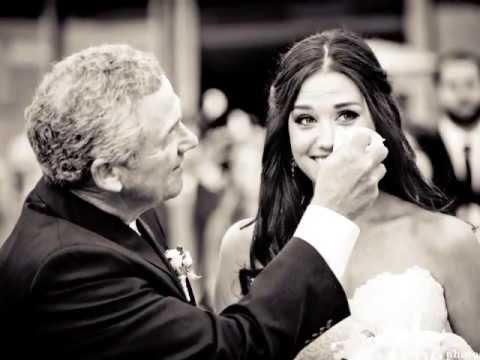
crying_bride

This is closely related to the above, but a bit different because the tears shed aren’t intended to draw help or comfort, but to connect with others or with the world.   Many new mothers find that they become very emotional during pregnancy and for a few months after their babies are born.   Even though as an adult I’ve always found crying difficult, an exception was made when I was pregnant or lactating.  My emotions went into overdrive!   I remember when I nursed my babies, sometimes I became overwhelmed with pure emotion I couldn’t name or explain, and silent tears began to run.  It wasn’t unpleasant at all.  It just felt natural and real.  I think those tears connected me more deeply with my children.   Tears are words an infant can understand instinctively, and when a young infant sees his or her mother’s tears, they understand this means attachment and love with her has been achieved, and a good mother responds to and feels her baby’s emotions too.

Grownups, even men, sometimes just feel overwhelmed with emotion, sometimes very positive emotion.  People who are deeply in love sometimes find as they gaze into their lover’s eyes, their own well up.  It can happen at any moment when the love they feel seems bigger than they are.   This is why sudden tears are common in lovemaking that isn’t merely for sexual release, but to more deeply connect with the lover.

Tears of attachment and connection indicate high levels of empathy.   A person who is able to feel the emotions of a friend who is sad can sometimes actually cry with their friend, and this serves to connect them on a deeper level.  A world in which we can’t share the emotions of those around us–either negative or positive–is a world where no one cares and everyone is out for themselves.    Any society that regards empathy as a weakness is a sick and dangerous one.  If the human race is doomed to self destruction, I’m pretty sure the growing lack of empathy and care for others we see around us today would be the primary culprit.

3. Awe, joy, and gratitude.

KellyClarkson
Kelly Clarkson learns she won American Idol, 2002.

Tears of awe are the kind you shed when you are blown away by an incredible sunset or magnificent landscape.   Some people get very emotional in church or when hearing a certain piece of music or reading a certain poem.   I think these are the kind of tears we shed when moved by something we perceive as being greater than ourselves.  They are humbling and remind us of our insignificance, but not in a bad way, because at those times, though we feel humbled, we also feel more connected to the universe or to God.  Tears of awe connect us with the divine.

People shed tears of joy when something wonderful happens to them, usually a great surprise.  Winning the lottery, winning a contest, your team winning the Superbowl, walking into your house to a surprise birthday party, hearing your baby’s cry for the first time…all these things make people cry.    They’re anything but sad or manipulative!   Tears of joy may also be a form of stress relief, as in some cases, there’s often an element of relief, which I’ll explain more in the next section about stress relief. For example, contestants in singing or dance competition shows or in pageants almost always cry when they win.   For many months, they’ve been under enormous stress.   The moment of winning not only validates all the hard work they’ve done, it’s also a sudden release of months of the built up stress of heavy competition.   It’s okay to let go!

Related to tears of joy are tears of laughter–those times we laugh so hard we begin to cry.  Crying and laughter are physiologically very similar and serve a similar purpose of relieving stress, so it’s not too surprising that sometimes our bodies get laughter confused with tears!

Finally, there are tears of gratitude.  Sometimes we are taken by surprise when someone does something nice for us.   Especially when it’s unexpected, kind words or deeds can bring on tears.   Colloquially, this is known as being touched, which differs from being moved because it’s more human and less spiritual/humbling than being moved.     Tears of gratitude connect us with each other.

4.  Stress relief.

cry_in_shower

Some unpleasant emotions aren’t normally expressed through tears.  For example, people don’t usually cry when they’re afraid or anxious or angry.   To do so wouldn’t be in our best interests survival-wise.  When we’re in danger or there’s some kind of threat facing us, showing vulnerability might get us killed.   So when we’re angry, we want to attack.  When we’re afraid, it’s fight-or-flight.   When we’re worried, we want to remove the source of worry or solve the problem.   But once the danger or stressor has passed, and we feel a measure of relief, it’s common for people to break down in tears.   A child who has become lost doesn’t usually cry while they’re looking for their caregiver, because that’s too dangerous.   They cry the minute they see Mom or Dad’s arms reaching out to them (and very often Mom or Dad cries right along with them!)

Sometimes people cry even when the danger hasn’t passed, when they just feel overwhelmed and have given up trying to fight or escape or trying to solve their problem.   In those cases, crying is a last-ditch effort to solve the problem.   If all else has failed, then crying may bring help or comfort from others.   It’s not necessarily manipulative if everything else has been tried first and nothing has worked.

Sometimes even when the threat is gone or the issue resolved, or the horrible outcome we expected didn’t come to pass, we still cry, because it’s finally safe to do so. The tears shed at those times are really tears of relief because they help release all the emotion that was pent up while we were in danger.  When thought of this way, it makes no sense to tell someone not to cry, because it doesn’t mean they’re upset, it means they’re relieved and finally feel safe enough to release all that bottled-up stress through tears.

And then there are those times when you just need to have a good cry, and you don’t even know why. After a few minutes or hours of sobbing, pouring out snot and tears, you come away feeling like a million dollars. So if you want to cry, go ahead and let it out. It’s good for your body, mind and soul.

Feeling like a heel.

How are you supposed to feel when you had to go no contact with someone because they invaded your boundaries and then you find out they are in a lot of pain because of your rejection?   I know it was the right thing for me and I had no other choice, but it still makes me feel like a damn heel.

I don’t expect answers; it’s a rhetorical question.  I am not going to change my mind.

I guess this means I have a sufficient level of empathy, so there’s that.

Borderline Personality traits linked to lowered Empathy

A new study found that people with BPD may have lowered or limited empathy, and that it may be biochemical. I sometimes think I’m a bit empathy challenged, though not in a general sense. For example, I feel just awful when I see or read about someone’s suffering (especially if it’s an animal or a child) but it’s hard to me to empathize on an interpersonal, emotional level with another person (which could be due to my introversion and social awkwardness, and also my complex PTSD).  I do have cognitive empathy (KNOWING how another feels), even if its sometimes hard for me to feel WITH someone else. This is something I want to change and am working on in therapy.

I’ve known other Borderlines who seem to almost have too much empathy, and are very profoundly affected by the moods of those around them. The problem for BPDs, whether they have too much or too little empathy, is that we get so caught up in our own problems we can seem to be oblivious to what others are feeling. Usually when we’re called out on our selfishness though, we feel pretty badly about it and try to make up for it.

I think a lot more research needs to be done on this matter before any blanket judgments are made. Unlike people with NPD or Antisocial Personality Disorder, I don’t think lack of empathy is a defining characteristic for Borderlines.