The chatterbox and the hermit.

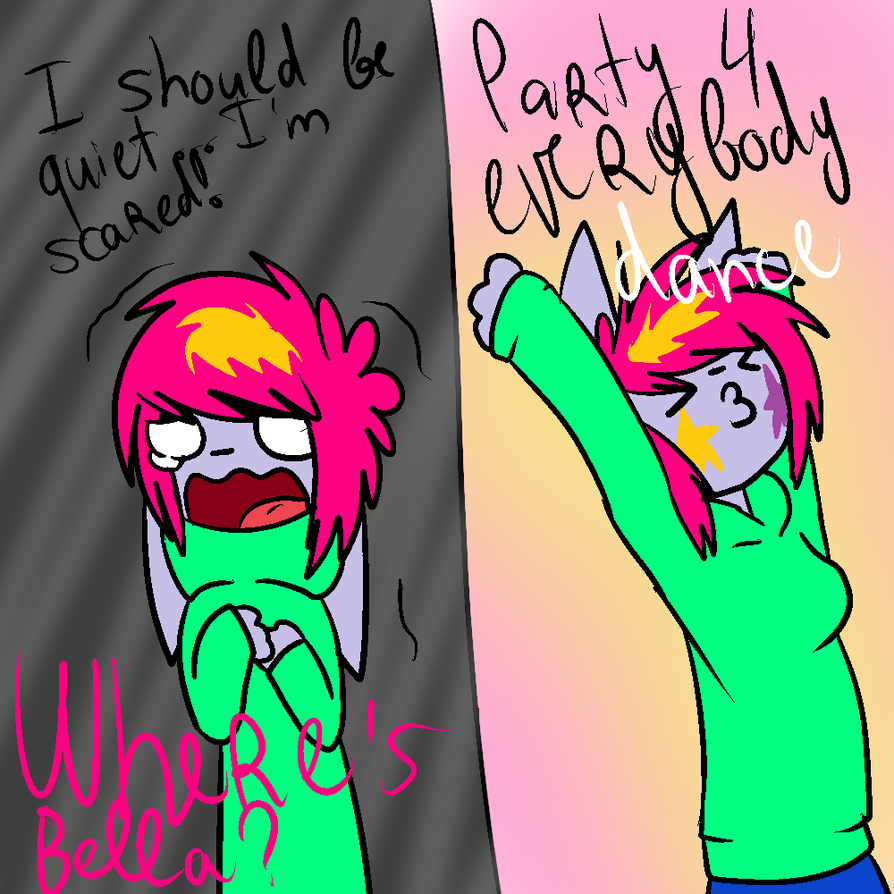
shy_and_outgoing__by_cammy_senpai-d6ejdec
“Shy and Outgoing” by Cammy Senpai, Deviantart

I’m two different people.

Most of you already know what I’m like online. I made a vow to be completely honest and hold back nothing (within reason) and so I am doing. This has been a wonderful thing for me because it has given me courage (and takes courage!)

But I’ve always been outgoing online. I talk about the things that concern me, my feelings about them, my relationships, my mostly painful and sordid past. I tell you if I’m happy, sad or mad and I tell you why. I actively seek out friendships and post on other people’s blogs (when I can find the time since I’m always on this blog). I’ve become active on social media too, something I never thought I’d be. If anything, I’m probably a little too confessional!
On the web, I’m comfortable being completely myself and do not suffer from the shyness, shame or self-consciousness that plagues me IRL.

In the real world (which I prefer to call the physical world, because online life is every bit as real as any other form of interaction), I’m the opposite of the above. I suffer from both Aspergers (which I was most likely born with) and Avoidant Personality Disorder, brought on by abuse and always feeling off balance because of my MN mother and my enabling, alcoholic father, not to mention being a frequent target for school bullies.

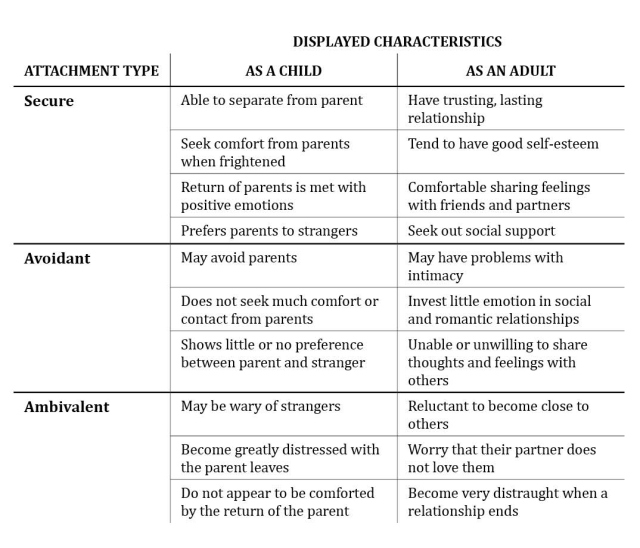
attachment-types
From “What’s In It For Me?” on Zombie Shuffle’s blog.

In the physical world, I’m a very different person than the one you know online. Although I have the same emotions (which I talk about here), I don’t discuss them openly or even at all. I have few friends, am not close with anyone in my family other than my children, and prefer the company of myself, my books, or my pets to that of other people. Lots of noise and large groups of chattering people are very triggering to me, and I find myself tensing up and retreating if possible.

Most people know very little about me. I don’t say much, I rarely initiate conversation, and am very shy. Some people think I am cold and aloof; others think I am just stupid. I’m neither, but my avoidant personality makes me seem unfriendly or insecure. My Aspergers makes me seem awkward which exacerbates my problems relating to people.

I am terrified of intimacy and romantic relationships. After a long, abusive marriage and 7 more years of hell living with him after we divorced, I think I’ve had enough. I don’t trust men enough or trust my own judgment enough to dare take the plunge again into a new relationship. I also feel like my age is a problem, even though I look far younger than I am. I haven’t had sex in 9 years and really, that’s not a problem for me. I like the idea of having a relationship again (who really wants to die alone?), but I don’t know if I could cope with the reality of one. That doesn’t mean it won’t ever happen though. It just scares the living daylights out of me.

I can’t stand talking on the phone and a ringing phone is very triggering for me: I always expect to hear bad news. I know it’s just my hypervigilance, but I can’t help my reaction whenever the phone rings. As far as talking on the phone, it’s just awkward because I can’t pick up nuances in speech (due to my Aspergers) which is made worse by the fact I can’t see their facial expressions or body language. I try to end phone conversations as quickly as possible, which makes people think I’m unfriendly or don’t want to talk to them.

I don’t connect well IRL with most people, although I do get along with most. I’m not hard to get along with, just hard to get to know.

Blogging has enabled me to open up and be the self I want to be. It’s enhanced my self esteem and my creativity. Being courageous enough to post the sort of things I post gives me even more courage. Journaling online to complete strangers has helped me understand a lot of things I never used to understand and it’s even helping me develop more empathy.

But this isn’t the Matrix and I can’t live inside my online world all the time. I do think, however, that my increased self esteem and self awareness will soon translate into my relations with the real world. In fact, I’ve been told I seem more relaxed, happier, and more confident than I used to be, even though my extreme reservedness remains. I smile and laugh more. Most people do seem to like me, even though they can’t get to know me well. They have no idea the shy, mysterious, taciturn woman who tends to clam up in social situations or avoid them altogether actually runs a blog where she talks about the most personal issues it’s possible to talk about.

Forever alone.

?????????????????????????????????????????????????????????????????????????????????????????????????????

I have always been attracted to narcissistic men. And them to me. I spent 28 years (7 of those AFTER we divorced) living with a malignant narcissist substance abuser and raising children with him. Before Michael, I had three serious boyfriends, and only one was not a narcissist (but was severely bipolar).

When I was in my twenties, all I wanted to do was marry and have babies–this wasn’t considered cool or forward thinking at the time (the 1980s). I wasn’t really focused on having a career like most young women my age.

I think my oddly timed longing for normal family life was because more than anything in the world, I longed to be part of a family that would not be like the one I came from, a close, functional family whose members truly loved and cared for one another. I had grand fantasies of Perfect Family Life–3-4 perfect, normal kids; a perfect, normal husband with no serious mental disorders or drug or alcohol issues; and a beautiful home with plenty of old school charm in a safe neighborhood. My Perfect Mate would be an honest, loyal husband and father who loved animals and long walks and would care deeply about all of us. Of course there would be pets too, probably a large friendly dog like a Golden Retriever. I wanted the damned Brady Bunch.

I know, you’re probably ready to vomit all over your keyboard. Chill. I’m stopping right here. I cringe when I think about how naive and clueless I was.

Does anyone remember this commercial from about 2007-09? If you’re a nausea-prone ACON you may want to take some Pepto first.

Well, this was the family I wanted to make, back in the 1980s.

30 odd years later: I hate that damned commercial with its perky, perfect, cute-but-not-beautiful soccer mom–a woman who undoubtedly had loving parents who raised her with consistency and lots of hugs and support, a woman who has extended family members like cousins or aunts or an uncle she is close to, and also has lots of friends. She also has an advanced degree in something like sociology or art history. She was popular at school, not Mean Girl/cheerleader-popular, but the next tier down from that–she was one of the honor roll kids where the girls all played volleyball or were in the Drama Club, and the guys all looked like Ferris Bueller and were Theater Nerds. But these second-tier, almost-popular kids were actually nice to everyone (unlike the top tier of popular kids who really weren’t so much popular as they were feared and respected–because they consisted largely of narcs and their sycophants) and you wanted to hate them but you couldn’t because they were always so darned nice.

Instead of pursuing her career in art history or writing a book about The Sociology of Art History, this perky redhaired 30-something has chosen to stay home with her growing brood of ginger kids, each one more red haired than the last. Her infuriating announcements of big moves (to MEMPHIS!), promotions at work, home enlargements, weeks-long family vacations, learning how to speak French, and especially…ESPECIALLY!..the group shot at the end showing the whole family focusing on Perky Soccer Mom bouncing the the new baby on her hip at the end–not just any baby, but a gorgeous fat healthy good natured baby girl with an adorable grin who probably sports fire engine red hair under that white cap–made me want to throw a brick at my TV screen.

I know this is just a commercial and those people are actors, but…I ACTUALLY KNOW FAMILIES LIKE THIS. Of course I don’t know what goes on behind closed doors (and everyone has their dark secrets), but because the members of these families always seem happy and relaxed and everyone seems to love everyone else, with not a molecule of narcissism anywhere to be seen, the skeletons in their closets don’t come out to haunt them all that much. They are probably covered with dust from disuse.

I’m assuming here that the reason this thoroughly obnoxious commercial was so popular (it ran for almost 3 years), is not because it depicts the idealized family everyone strives to create, but rather, because many people can actually relate to this smugly contented woman and her tall, dark and handsome husband, their perfect dog, their big colonial house, and their large brood of gingers.

I longed for this family because having this family would vindicate my dysfunctional and narcissistic family of origin. It was the family that would bring me Justice.

I never got that family, because I fell in love with a malignant narcissist, who in every imaginable way at the beginning, convinced me he was the Perfect Boyfriend, and later the Perfect Fiance. We made two highly intelligent but troubled kids (well, one is a lot less so but lives almost 700 miles away).
And now I am Forever Alone.

foreveralone

But I’m alright with that. More than alright.

In my past relationships, I never saw any of the red flags. I knew nothing of red flags back then other than the physical kind that signal physical danger. The most useful psychological advice about men and relationships I got in the early-mid 1980s was from articles and fluff quizzes (such as “What Does his Lovemaking Say About his Character?”) in magazines like Cosmopolitan and Glamour.

I was never attracted to “bad boys.” I chose men who had good jobs, prospects and didn’t stink or break the law. But sometimes these “perfect” guys can be anything but perfect, and because they put on such a convincing and impressive mask of normality, you don’t suspect their true motives until it’s too late. I always seemed to gravitate to the devils dressed in white.

I’m not going to recount the downward spiral that led to the dissolution of our marriage, drug addiction, troubled kids, and all the rest because I’ve done that already ad nauseam (if you must know my story of being married to a malignant narc, click on the links under “My Story”).

So I’ve done a 180 from the naive, romantic starry eyed girl I was in the 1980s–the girl who was uncool enough at the time to want a family and babies and a normal life with people who were not psychopathic or addicted to drugs or alcohol (today that would make me Taylor Swift–how times have changed). I no longer want a relationship. I relish my solitude.

I still get crushes, and plenty of them (I have one now), and just as in my teens and twenties, they still tend to be intense. My crushes are pleasurable to me but they are mine alone to enjoy, not something to be shared with the object of my infatuation. I know, I’m weird. I have an excuse to be weird and avoidant though, because I’m Aspie with Avoidant Personality Disorder. I enjoy my dreams and fantasies far more than my reality, and why ruin a good fantasy by trying to make it real?

crush

That’s why I think my mind makes sure my crushes are never on people I know personally or have to see all the time, and instead chooses men who are inaccessible for one reason or another. Famous people are the safest of all, because I do not ever not have to meet them and either (a) face rejection; or (b) worse: not be rejected but gradually find out they are really just another sick malignantly narcissistic tool who will fly me to the moon and feed me fresh blackberries dipped in cognac, and then ever so insidiously proceed to turn my life into one resembling incarceration in a Turkish prison before I know what even hit me.

I’ve been there, done that. I am no longer of childbearing age, and though I look far younger and fitter than my 55 years, I realize I’m not going to look this good too much longer. At my age, there’s a feeling that you just don’t have what it takes to attract a man anymore, even when it’s not true. Because I look better now than I have since my mid-late 30s. Sure, maybe a woman of a certain age can’t attract the 20-somethings anymore, but what middle aged woman in her right mind really wants a 20-something for anything but a quick fling, anyway? In my case my wariness and self consciousness is due to the low self esteem that’s lived with me my entire life like some parasitic twin I’ve grown so used to I sometimes forget it’s there. Hating yourself is a tough habit to break.

But the real problem isn’t my fear of losing my sexual desirability (which is already well on its way over the other side of the mountain), it’s the simple fact that I don’t trust men (or anyone) enough to become intimate with one. As an Aspie, I have trouble reading social cues, which means I often miss the important red flags and warning signs of a narcissist who is love bombing me and wooing me into his black den of misery. And more than that–I want to believe them. I want to give them the benefit of the doubt. I never learned from my past mistakes.

So no longer is “love” my passion in life or my goal. I figure I will die single and alone, but very possibly, happy. Hopefully by the time I die, I will have written a book or two that helped others, gave others joy, and brings me a nice income so I can buy my own small, quaint, quirky home near my son in Florida, somewhere near the beach.

oldwoman

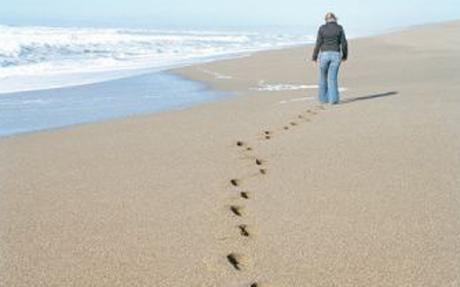
Twenty or thirty years from now: I see myself–an old spinster (I love the strength that word conveys–we need to bring it back!) wearing a long brightly patterned madras-cotton dress or jeans and a slouchy, comfy sweater in cooler weather, walking barefoot along the Gulf Coast at sunset, feeling wet sand squeeze between my pale toes, waves lapping at my feet, the salt air breeze making me smile and my eyes water. I’m tossing small pebbles into the golden waves, a large dog with a cool name like Hector skipping along by my side, occasionally running ahead of me when he sees a seagull land on the darkening sand. I’ll be thinking about my grown son and daughter, and their families and satisfying lives, and my only worry would be the two-month deadline my publisher has given to finish writing a groundbreaking new book about something that matters. I’ll be Forever Alone. And like it.

All this being said, if an attractive, genuinely nice man comes along when I’m not looking, and maybe I’m feeling more strong and confident, I might venture into the ocean again, or at least get my feet wet. So sure, it could happen, but right now I’m just trying to get to know myself.

People treat me like I’m stupid

stupid

I wonder if it’s common for people with Aspergers or high functioning autism to come across to others as lacking basic intelligence.

I get that from people all the time and I hate it. In social situations, such as at work, where I have to interact with neurotypicals (NTs) who I don’t know too well, I’ve noticed people patronize me, they repeat things to me as if I didn’t understand them the first time, or just respond to me in a condescending way, as if they’re talking to a two year old. I am paranoid but I don’t think it’s my paranoia because they don’t act that way to everyone

I think people’s behavior toward me is because as an Aspie, it’s so difficult for me to process the things people tell me in a normal way, especially when I’m forced to deal with people in a group setting. I am also almost silent due to my shyness and unwillingness to get involved in social conversation. That probably makes me seem a little dim too.

I don’t hear that well either (I have only 20% hearing in my left ear due to having severe ear infections as a child), so that makes it even harder for me to understand what people say. I often have to ask them to repeat what they just said, which irritates both me and others. I’ve told people I have bad hearing, because being asked to repeat something annoys people less if they know there is something wrong with my hearing.

I find social chatter and small talk overwhelming and it’s not fun for me at all. It’s a lot of work for me to process all that. Of course there are some people who just intimidate me anyway (probably narcs) and I totally clam up around them and act really stupid and inappropriate when I’m forced to talk to them or ask them a question. Socializing is just so difficult! NT’s love it. I don’t.

It makes me so angry that I’m treated as if I’m a mental lightweight by people who know very little about me. I so want to say this to people who talk down to me or ask me the infuriating, “Did you get that?” :

“Look, you don’t have to act so condescending toward me. I’m not an idiot. I understand what you say. I understand a lot. I may look stupid to you because I have Aspergers, and that makes it almost impossible for me to process verbal communication and body language very well or deal with people in a group, or know how to act when you’re yammering at me. I also have Avoidant Personality Disorder, which exacerbates my discomfort in social situations. I get very anxious. But I want you to know I’m actually very smart, probably smarter than you. My IQ is above 150 but I know you probably think I’m lying. If you could see the way I write, you would be shocked at how intelligent and insightful I am. I see a lot of what goes on, I notice everything, I know a lot about a lot of things. I just don’t know how to communicate that well except in writing, or react appropriately when you tell me something. So please stop thinking I’m borderline retarded, because I am not.”

Of course I’ll never say this. But I wish I could!

Having Aspergers and Avoidant personality disorder combined with only partial hearing really is a handicap to dealing with the NT (neurotypical) world.

People who love me and know me well, and people who read what I write know I am not stupid.

Besides, Einstein had Aspergers too, and all his teachers thought he was retarded! 😀

Targets and Victims

victim

I found another blog today written by a survivor of a sick family of psychopaths and sociopaths (I’ve added the site to my list of resources under the “Info and Support” tab in the green bar in the header. I know I’ve written about this before, but this is one of the best lists of the traits of potential targets and victims of psychopaths I have seen yet. I have just about every single one of these traits, unfortunately. From an early age, I was trained to be a doormat. I learned that lesson too well.

BEFORE: TRAITS of a Potential TARGET

Below are the traits most commonly attributed to a sociopath’s target. Every person is inherently different, and that includes each target and the traits that are most pronounced in the individual. An individual would definitely not need any of these traits to be preyed upon.

This is not an attempt to diagnose anyone.

Shyness
Difficulty communicating
A lack of self confidence
Wanting to please
A belief that if you love enough the person will change
A belief that if you love enough the relationship will succeed
Difficulty establishing and maintaining boundaries
Not being able to say no
Being easily influenced by others
Wanting to be rescued from your life situation
Wanting to rescue others from their distress
Being over nurturing particularly when not asked
Feelings of shame and self doubt
Low self-esteem
A lack of memories about childhood or periods of adulthood
A lack of motivation from within and being motivated by others

AFTER: SYMPTOMS of a Relentlessly Abused VICTIM

This is a very accurate list of symptoms experienced by someone who has had their psyche brutally victimized by a sociopath. With that said, this list is not all-inclusive, nor is it intended to be part of any diagnostic function, whatsoever. These symptoms can also be triggered by many other conditions or events.

The source of this data is from ongoing research, but the majority of the data is derived and confirmed from personal experience … the key word being “majority” There are some symptoms listed here that I have not experienced at all, though they have been mentioned enough for me to accept them as potentially common.

If you, or someone you know, has experienced even a few of these symptoms, seek professional help. Keep in mind, though, that not all “help” is equal. If the professional you choose does not seem to relate to your needs as you would expect or desire, keep looking.

Emotional paralysis
PTSD (Post-Traumatic Stress Disorder)
Suicidal thoughts or actions (indirect homicide)
Loss of interest in life
Loss of energy
Insomnia
Anxiety
Depression or Severe Depression
Numbing of feelings
Disinterest in having a relationship
Panic attacks
Irritability
Increased anxiety from being alone
Increased anxiety from being in crowds
Mood swings
Source: sociopathicstyle.com [confirmed by personal experience (50+ years)]

Don’t judge me because I’m poor.

impoverished
The topic that’s on my mind right now is potentially volatile and can open a huge, rotten, festering can of political worms, so that’s why I’ve been hesitant to write this. But heck, it’s on my mind, and I promised myself and my readers I would hide NOTHING, and I NEED to rant about it because it hits so close to home, so here goes.

Recently, there’s been an increasing number of conservatives (the loudest and most extreme are in the Republican Party) who have abandoned all pretense of caring about those who have less than they do–in fact, they are openly (even proudly) hostile toward the poor, blame-shifting the lousy economy, lack of jobs, and basically all of America’s problems onto the most vulnerable people in our society. American society in particular has become narcissistic, worshiping and rewarding those who have the most money and the most toys, while punishing those who have nothing more than ever before, rubbing salt into their wounds. Their contempt used to be limited to the poor who didn’t work (and those who were milking the system and might have deserved their wrath), but lately it’s extended even to the working poor–men and women who hold up to 2 or 3 jobs and work full-time (and many supporting young children), but due to the low wages they earn that haven’t kept up with an economy rife with inflation and where good jobs are scarce, still can’t lift themselves out of poverty. Empathy is seen as a liability rather than a virtue, and those who have empathy for others are seen as weak. Ayn Rand’s “Atlas Shrugged” has become the bible of the greedy and self-centered, and no one bats an eyelash, even though Rand herself was a narcissist whose role model was a serial killer.
The verdict is, if you don’t have money, you don’t deserve to live. There are no extenuating circumstances. If you’re poor, it’s your own fault.

Hatred of the poor isn’t anything new (and has been going on throughout human history, but enjoys spurts of popularity from time to time), but lately there hasn’t even been any effort to mask the hatred–it’s in your face constantly. Just watch FOX News, which I don’t. There’s no civility any more, and even less empathy.

It’s really a form of prejudice, no different really than a person of color ostracized and shamed because of the color of their skin. As a person who is currently under severe financial stress and trying to survive on an income barely above minimum wage (and having no outside help or assistance) as well as being a Highly Sensitive Person, I feel these insults keenly and feel diminished and enraged every time I read another article or watch another news show where some self-righteous cretin blathers on about how “the poor choose to be poor,” or that we are lazy, entitled, “welfare queens” with no morals and even less intelligence–and worse yet, dare to hide their ugly and mean-spirited self-righteousness under a cloak of piousness: many (not all) of these small-minded people call themselves Christians. I actually remember hearing some politician (I can’t remember who) who said Jesus wouldn’t give handouts to the poor, and cutting Food Stamps would be the most Christian thing one could do. What I’d like to know is, what God does he worship and what Bible is he reading? How dare he presume to put words like that into Jesus’ mouth, when Jesus himself was all about acceptance and love of the downtrodden and oppressed of his society.

The reason why this open hostility toward the poor is such a huge trigger for me is because that attitude assumes something about me that isn’t true. People who embrace the “you chose to be poor” mindset haven’t walked in my shoes, and they don’t know me or what led to my circumstances. They are presuming something about me based on an ugly stereotype. How is saying all poor people are lazy, stupid and entitled any different from saying all blacks are criminals, or all Jews are dishonest and greedy, or all Italians are dirty and don’t bathe? Now I’m not saying I didn’t make some bad choices because I have. I’m not saying I bear no responsibility for my own circumstances, because I do. I’m not saying it’s my government’s responsibility to lift me into the middle class, because it is not.

But you don’t know me. You have no idea who I am or why I am poor. You can’t, since you probably either never were poor, or if you had to “pull yourself up by your bootstraps,” you probably didn’t really–you probably had a grandpa, a mom and dad, or a long-lost uncle who helped you through college and graduate school, or helped you get the job you have today, or a loving mother who gave you a place to stay when you were down on your luck. Don’t tell me this does not apply to you. Hillary Clinton said “it takes a village” to raise a child, and she was right: it’s a fact that kids who were not given the opportunities–either in the form of college tuition or some other type of tangible or even just emotional support, are far less likely to become successful.

As an only child of narcissist parents (mostly my mother, but my father was an enabler and N-apologist), I had no financial, physical, or emotional support once I reached the age of 18. I had to pay for my own college education with student loans, while working full time. When I hit rough spots later in life, I never had the option to return home while I got back on my feet. On top of this I was suffering from depression, PTSD, autism, and avoidant personality disorder–and every one of these disorders causes people to become withdrawn, isolated and introverted. I think it’s a legacy a lot of us children of narcissists have been saddled with–there does seem to be some sort of correlation between narcissistic parents and autism (as well as the obvious PTSD and avoidant personality). Back in the 1960s and 1970s, it was believed autism was caused by “refrigerator mothers” but this theory was later rejected–however I do think there is something to it and should be studied further. Autistic adults (and non-autistics who have nevertheless turned inward due to their abuse) have a real handicap in today’s fast paced, competitive society where aggression, brashness and great social skills are a huge plus. Those of us who are intelligent but who don’t do well in a social setting are likely to become lost in the world because we lack the ability to connect and make friends with successful people who could help us. If an autistic adult (or just a painfully shy adult) doesn’t have family support and also lacks a specialized degree or talent (that may or may not be “discovered”), it’s not likely they’ll get very far in life, regardless of their native intelligence. It has nothing to do with how hard they work: I’ve worked my butt off most of my life, at times holding 2-3 jobs AND attending college, so I don’t think my poverty is due to my being “lazy and entitled.” I do not get any “welfare” or even food stamps. Everything I have, I pay from my own pocket, so shut the hell up.

So that’s why I hate it when people make assumptions about why I’m poor, and tell me what I’m doing wrong when they know diddly squat about what makes me tick or what motivates me. I don’t think poverty is a lifestyle “choice”–no one in their right mind would choose a life of struggle, want and heartache. For most of us, it was foisted upon us. And the more you have to worry about basic things like food and shelter, the less energy and time you have to “improve yourself.” But I don’t expect outside assistance or a “government handout” and haven’t asked for any. I try to take the steps necessary to pull myself out of the mire, but I REALLY resent being blamed for my situation when I lacked the advantages most other kids had, then had to somehow find my place in an unempathic, narcissistic, materialistic society where people who are introverted or highly sensitive or who live inside their heads are considered weak, stupid and incompetent because we don’t “schmooze” well with others.

Raised by a narcissist: my story of psychopathic abuse (childhood and adolescence)

lonelygirl

Welp, I’ve been putting this off (and frankly sort of dreading it), but decided to dive right in and start writing my story about how I came to be the kind of person I am and the way I came upon my present circumstances.

Over the past month or so, I’ve been reading everything I can get my hands on about malignant narcissism and psychopathy, and realized that rather than me being at fault for my “bad choices,” as both my parents love to remind me (and had convinced me was the truth), I’m not really the one with the personality issue that got me into so much trouble throughout my adult life (not that I don’t have personality flaws because I certainly do–as do we all). I realized I entered adulthood without the tool kit most people are given during childhood and I also realized that this was intentional on their part (especially my mother) and I was never a loved child–in fact, my mother, being the psychopathic narcissist she is, hated me and still does. It’s been really hard to face this fact — no one wants to believe their own mother didn’t love them and it’s all too easy to listen to people who say, “oh, she must have loved you in her own way” but I now know that’s bullshit. Strangely, being able to face this has given me a sense of freedom and lessens some of the guilt I had over not being a “good enough” daughter. Her dislike of me is not my fault!

So let me get started. My conception itself wasn’t under ideal circumstances. I was “wanted,” but for all the wrong reasons. Two years prior to my entry into this world, my father had lost his 3 year old son he’d had with his first wife. He had been hit by a train. The car stalled on the tracks as the train was coming and his mother desperately hustled the baby and 6 year old daughter out of the car to safety first. Billy, strapped into his seat, had to wait for her to come back to get him after removing the first two children, but it was too late and the little boy died immediately.

My father (let’s call him Harry), in his vulnerable, grieving state (I don’t think he is a MN, although he definitely has always colluded with and been attracted to narcissistic women and has some narcissistic tendencies himself–more on that later) was never the same. Almost immediately he took to heavy drinking, and he and his wife grew further apart as he tried to drown his grief in booze. This was the late 1950s and divorce wasn’t acceptable especially when young children were involved, but she could no longer put up with his drinking and filed for divorce.

Before the divorce was granted, my father (who was a Navy academy teacher at the time) met a beautiful redhaired woman named Ginny at a dance at the naval academy in Annapolis. It was love at first sight. Ginny listened to him talk about his lost son, and cried with him and held him as he talked and grieved. She seemed sympathetic in a way his first wife never was (and probably couldn’t have been as she was grieving in her own way). Ginny was married to a minister, and had two young daughters, but that didn’t stop her from seeing my father romantically, and for no reason other than infatuation (her husband treated her and the girls well from what I understand), she divorced him and left her daughters to be raised by their father so that she could marry my father. Remember, this was the late 1950s and a mother leaving her own children just wasn’t done. But she did it without a second thought. Her oldest daughter (age 7 at the time) was greatly damaged by the abandonment, and to this day has issues related to that and has been in therapy her entire adult life (today she’s one of my mother’s flying monkeys but more on that later). The younger daughter (age 2) was too young to remember anything but I’m sure she was damaged too. Their father remarried a lovely woman who loved the two girls as if they were her own. They were raised with two other children and went on to have a normal childhood with parents who loved them and supported them. They got lucky. It was actually a very good thing that my two half sisters got out of having to be raised by Ginny. I was not that lucky.

So Harry and Ginny married, and almost immediately she became pregnant with me. The pregnancy was a wanted one, though why a woman who abandoned her own two children a year before to have another baby with another man is kind of beyond my comprehension (but she’s a narcissist so it’s not too surprising). She smoked during the pregnancy, though at the time, doctors actually recommended pregnant women smoke to keep their weight down, and my mother was always obsessed with her weight. She always brags how she never gained any weight during her pregnancy with me (or her other two children). Miraculously, I was born healthy if a little on the small side.

From the get go, I was a difficult baby, or at least that’s what I’ve been told. I cried all the time, and had health problems–I suffered from horrific ear infections that left me 80% deaf in my left ear. I was allergic to many foods and to just about everything else. By the time I was a toddler it was apparent I was an incredibly sensitive child, one who reacted to everything in a very emotional way. I was high strung, threw a lot of tantrums, and was easily hurt. From reading about other people’s experiences, especially this one by a wonderful survivor whose story is remarkably similar to mine, it seems that very sensitive children (empaths) are often born to and raised by narcissists and psychopaths, and that’s just about the worst parent/child combo possible. Whether they become overly sensitive due to their treatment, or whether the sensitivity is innate and just a cosmic joke that these kind of kids and parents wind up together so often is something I can’t explain, but unfortunately it all too often seems to be the case.

As I grew a little older, I’d go into these sort of trances where I’d tune out the environment and enter my dream world. I had an active imagination and imaginary friends, and this was my form of escape from the tension in my home. When I was about 3-4 I also engaged in banging my head against the wall. I don’t know why I did this, but at the time it felt good to me. Go figure. Today I believe I actually have high functioning autism (Aspergers) even though I’m self diagnosed (confirmed by a psychiatrist later). I seem to fit all the criteria for it, as well as for C-PTSD and Avoidant personality disorder, but more on that later. My mother hated it when I went inside myself, and always used to chide me for acting “spooky” and would tell me to snap out of it. I couldn’t. I didn’t know how. But if I continued to act “spooky” I’d be punished, usually with a beating or slap in the face.

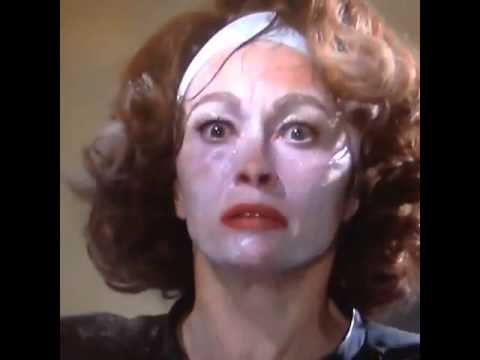
I used to have terrible nightmares. Some were about Ginny, and I remember one where I dreamed she was standing over me, and I realized her eyes were nothing but black holes, like the demonic people you see in movies whose eyes are completely black. And she was wearing that self-satisfied sneer. I woke up screaming, but the nightmare continued in waking life as she rushed into the room demanding why I was screaming and then laughed at me for getting so upset about a “little dream.” But to this day I think what I saw was actually who she was inside. I think she hated me because she knew that I had the ability to see what she really was.
mommiedearest

Both my parents were big on corporal punishment and a yardstick was kept in the kitchen hanging next to the refrigerator as a constant reminded to me that punishment was always close at hand. I was never allowed to express my opinions on anything and God forbid, never, EVER show any anger. Showing my emotions was a huge no no, although my mother was allowed to rant, scream and cry whenever she felt like it. My father usually colluded with her on these punishments, and dinner was always eaten at the table in near silence. Occasionally though the attention would be focused on me, usually to make fun of me in some way. Both parents used to laugh about how “literal” I was. When I was 6 and starting first grade, they found it hilarious when they asked me if I was looking forward to school, and I became frustrated because I couldn’t “see the school.” They weren’t laughing with me, but at me. Of course I was taking things literally. I was just 6 and not capable of abstract thinking yet, and it’s also a fact that autistics think literally, especially as children.

My parents never had another child, and my mother began to chafe at her role as housewife/mother. She was bored and would leave for long periods of time to see her friends, shop or just to get away from me and my father, and left me with a lot of babysitters. When she was home, more and more of her criticism of me focused on my weight and appearance. She treated me like a doll she could dress up and she loved to play with my baby fine hair to the point it tangled and hurt, and I would scream in pain and she would get mad and slam the brush down. She was also obsessed with my bowel functions and if I went a day without a BM, she would give me an adult sized enema. This was pretty traumatic. She also used to sit and watch me go to the bathroom to make sure I produced something. Naturally this led to me having even worse constipation as a result to “hold it in.”

As such a sensitive child, I was bullied in school. I didn’t know how to joke back, how to roll with the punches, how to appear invulnerable like the other kids. I always felt different. It was always difficult for me to make friends, though I usually managed to make one or two. Third grade was the worst, as I not only was targeted by a group of bullies who used to follow me home from school and fed on my reaction (I always cried) but was targeted by my psychopathic teacher as well. Mrs. Morse scared the daylights out of me. She was an overweight woman in her 50s whose upper arm always shook like Jello when she wrote on the board. She regularly liked to call me up to the front of the class to answer a question (and she ALWAYS called on me because I was always daydreaming) and when I couldn’t answer the question (which was often the case as I went into freeze mode at these times and couldn’t think straight) she’d demand why I couldn’t until I cried. At this point she’d call out the crying to the entire class, and all of them would have a good laugh at my expense as I stood there wanting to sink through the floor in shame.

Oddly, I was always told how pretty and intelligent I was (especially by my father, who I think really did love me in his flawed way). But the compliments stopped there. Any praise was almost always limited to innate qualities rather than my achievements or things I could do well. I was also was told constantly I was “too sensitive.” (This is another thing psychopaths like to say to keep their marks in their place). I WAS too sensitive, but this was always used against me and used to embarrass me. When company came over, my mother loved to “brag” to her friends and relatives about how sensitive I was and how everything made me cry. I became very self conscious as a result and started to hide my emotions more so it wouldn’t be called out to shame me. Of course she just found other things to use against me and undermine any little self confidence I had.

Ironically, though they hated my sensitivity, both my parents almost seemed to encourage it. They always wanted me to look frail and helpless and as I entered my teens; Ginny in particular became critical if I looked or acted too “tough”– a demeanor I sometimes used as a way to protect myself and hide my vulnerabilities (though it didn’t usually work too well). All teenagers are sarcastic (and most parents don’t really care for it), but when I used sarcasm or humor to protect myself, she’d tell me I was acting “low class.” Oh, and that’s another thing. Ginny was obsessed with social class and always described us as “upper middle class,” never the more humble “middle class,” even though in actuality that’s what we were. She always put on airs as if she was of higher social status than she actually was and to this day, has a very affected and fake way of speaking, not to mention extremely condescending.

Ginny never let me do anything on my own when I was a child. I remember wanting to help her wash the dishes one night after dinner, and she said I wouldn’t be able to do it because I might break something. When I was 11 and wanted to join the swim team at the pool and tennis club we belonged to, she didn’t say no, but pointed out that maybe I shouldn’t because “you don’t like competition–you’re too sensitive and you’ll get bullied.” I joined anyway and had no problems with my sensitivity or bullying even though I usually finished in third place and never first and rarely second.

I was a good student expected to make straight A’s (and was beaten with the yardstick if a failed to make an A) but always had problems with math. I had a low frustration tolerance for it and was lucky if I got a B. This was never acceptable to my parents, but I was doing the best I could.

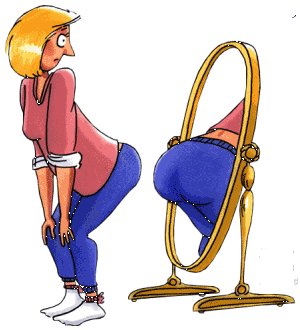
When I was about 12, Ginny’s focus on my weight became an obsession. She was always a thin and vain woman herself, and expected me to be her mini-me, even far into adolescence. Even though I was far from overweight (in fact I was a little on the thin side) she liked to point out how big my ass was, and used to do this when other people were present, embarrassing me so much I wanted to die. Probably as a form of rebellion, I actually tried to gain weight and developed a love of junk food. Anytime I wanted dessert, or seconds at dinner, she’d remind me how “overweight” I was and that I needed to watch my calories. She even threatened to send me away to weight loss camp. With all this obsession over my non-existent weight issue, it’s a miracle I didn’t develop an eating disorder.
weight-loss

My half sister came to live with us when I was 12 for a short time, and we got along great. Debbie was far more self confident than I was, very outdoorsy and adventurous, and took me around to meet her friends and do things with them. They all seemed to like me. For the first time I felt liked and was developing a little confidence in my social skills, which were never that good (I’m painfully shy even to this day). After a couple of months of this, my parents decided to send Debbie back to her father and stepmother (even though this was her own daughter!) because she was having a “bad influence” on me. I was heartbroken.

My parents divorced when I was 13. My father’s drinking had become much worse, and both parents were having affairs (this was the 1970s). It was around this time my mother decided she was a feminist, and started spending more and more time away from home, and landed a job public relations. After my father moved out, my mother and I moved to New York City to a one bedroom apartment. At first, I hated the city, but I was never asked my opinion about the move, or given any sympathy that I’d be leaving all my old friends behind. My mother’s new PR career became her primary focus (what a perfect job for someone so image-conscious: public relations is ALL about image!) and she always talked about how much more rewarding this was than being a mother. She left me alone overnight often so I learned how to fend for myself and cook my own dinners. I actually didn’t mind this because it meant time away from her (by this time I decided I couldn’t stand her) But this was New York City in the 1970s (the city was rampant with violent crime then) and I was just 14 and 15 years old.

Ginny began to drink a lot and bring her boyfriends home. To leave my bedroom for any reason, I’d have to walk through the living room where more often than not, they were in bed together or even having sex. I never said anything about it but it really bothered me. She had a string of boyfriends, most who she’d recruit as her flying monkeys to join her in her belittlement of me and constant gaslighting.

One night we had a huge argument (I don’t remember what it was about–I was drunk myself but she was so wasted she didn’t even notice) and in a drunken, narcissistic rage she started throwing bags and all my belongings out the door and told me to go live with my dad (who was already living with the woman who would become his third wife) who really didn’t want me around much. I told her he didn’t want me and didn’t have room for me in his apartment and she told me she didn’t care. At that point I grabbed a kitchen knife and started to come at her with it. I wasn’t actually intending to use it, but I was very emotional and wanted to scare her. I guess it worked because she got on the phone and begged Harry to come pick me up, telling him I was “disturbed” and “insane.” So he did, and I spent three months living in his studio apartment where I was pretty much ignored (they were never home).

Within a few months, I was placed in a girls’ residence in Queens, New York, and was bullied by the girls there too. I didn’t seem to fit in anywhere in the world. I felt so alone.

High school was a nightmare. I was attending a Catholic all girls high school, and I was completely out of my element. I was bullied by the popular girls, and even the not so popular ones ganged up against me. I became the school pariah. I had no friends at all. I regularly went to visit the guidance counselor in tears. She seemed the only person in the entire school who took any sympathy on me but soon she disappeared and I was informed she found another job. My grades suffered, and one day my mother received a letter from the school that “perhaps Suzanne would be happier in another school.” My mother went ballistic and raged on about how much the school was costing my father (who she usually berated and trashed) and what an ungrateful little shit I was.

I finished high school at the local public school, with its mostly black and Hispanic student population. I found out I got along well with the blacks in particular, and felt more accepted by them than I had by the snobby white girls in the Catholic school. I made a few friends, mostly black. The school didn’t have high standards, and I’d get A’s just by showing up in class, so I didn’t learn much. In my spare time I’d bury myself in books and writing–this was the adolescent version of my childhood daydreams and “trances”–but got criticized by Betty for “reading too much” and not being social enough.

depressedteen

As I entered my late teens, I became a little boy crazy. My first serious boyfriend at age 18 was a narcissist and an abuser. This set the pattern for what was to come.

The next part of my story will be about my early adulthood years culminating in meeting my narcissitic ex husband.