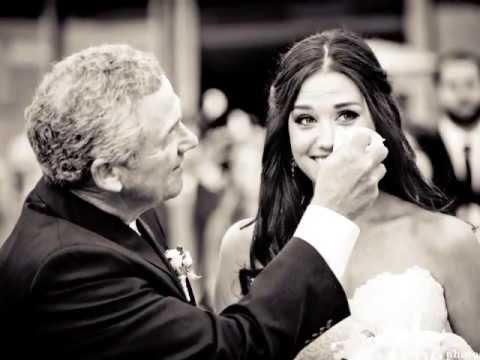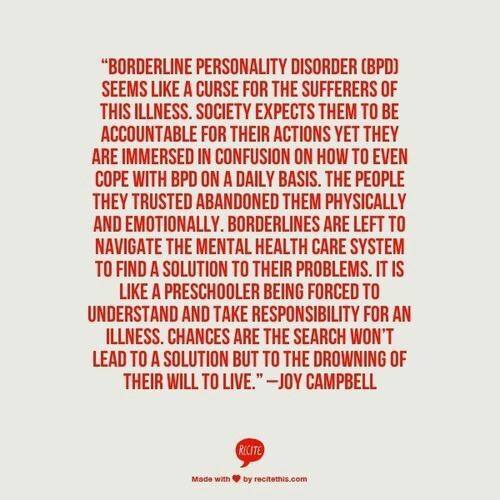
One of the things my therapist and I have been working on is getting me to cry in session. I’ve talked before about how hard it is for me to cry, except in private, and even then it isn’t always easy. As a child I cried all the time. Because I was usually shamed for my tears, sometime during my teens or early 20s, I pretty much stopped being able to cry and outbursts of anger, seething resentment, or “freaking out” seemed to replace the tears. Rage and anger, while they have their place, is often destructive to others and yourself, and if used as an outlet where tears would be more appropriate, isn’t really very healing. Freaking out is never adaptive because it just makes you appear crazy. Before I learned mindfulness in DBT, I’d act out against others or freak out without thinking about the consequences, and usually feel regret, embarrassment, and shame later, much more so than if I had just cried instead.
Sure, tears can be manipulative. Narcissists cry to get attention or to manipulate others into pitying them or giving them what they want. Babies and young children do this too. That’s the kind of crying that has given tears such a bad reputation. But if a child is crying for other reasons–because they are hurt, because they are sad or overwhelmed with any other emotion (ANY strong emotion, not just sadness, can cause tears)–parents should never tell them “big boys (or girls) don’t cry” because that just teaches them to stifle their emotions, and stifling emotions is bad for you and can even affect your physical health. If a child is shamed out of crying often enough, they may learn to turn off the tears and become unable to cry as adults. This is especially common for boys in a culture that has traditionally frowned on men and boys crying because it’s a sissy or “weak” thing to do. But this no-crying policy applies to women as well, especially in the business and professional world, where showing softer emotions is a big no-no.
People cry for many reasons, but I think there are four basic reasons for genuine emotional (not manipulative) tears: (1) need for help or care; (2) connection, empathy and love; (3) awe, gratitude and joy; and (4) stress relief. I’ll go through each of these and explain why each one is awesome.
1. Need for help or care.

When a baby cries, it’s usually because they need something. They may be wet, in pain, hungry, tired, or just lonely. A baby’s cry brings mom running to give the baby what it needs, after which the baby stops crying. We are born into the world crying; tears are a pre-verbal language and the first language we ever learn. When we are born, we cry to communicate our distress or other needs, and get what we need to survive. If healthy attachment is achieved, a baby learns more sophisticated ways to get their needs fulfilled later on, but there are still times when needy tears are appropriate and NOT manipulative, even for grownups.
It’s always healthy and appropriate to grieve after a devastating loss, such as the death of a friend, family member or beloved pet. It’s appropriate to cry when hearing very bad news or when in great emotional or physical pain. There are survival reasons for this. A crying person usually draws people near them and attracts sympathy. If we have normal levels of empathy, we have an instinctive urge to touch or physically comfort a crying person. A person who has just found out their best friend has cancer or Fluffy died needs the comfort of others. They need to be held and hugged and have their back stroked and their hand held. They need physical contact. They need to be able to pour their story out to another person. It would be cruel to deny someone in great physical or emotional pain that kind of succor. Some societies understand this need, and that is why there are public rituals such sacramental wailing in some cultures, or sitting shiva in the Jewish faith after a loved one dies. Only when it becomes excessive or is done to attract attention to yourself does this type of crying become annoying to others.
2. Attachment, empathy, and love.

This is closely related to the above, but a bit different because the tears shed aren’t intended to draw help or comfort, but to connect with others or with the world. Many new mothers find that they become very emotional during pregnancy and for a few months after their babies are born. Even though as an adult I’ve always found crying difficult, an exception was made when I was pregnant or lactating. My emotions went into overdrive! I remember when I nursed my babies, sometimes I became overwhelmed with pure emotion I couldn’t name or explain, and silent tears began to run. It wasn’t unpleasant at all. It just felt natural and real. I think those tears connected me more deeply with my children. Tears are words an infant can understand instinctively, and when a young infant sees his or her mother’s tears, they understand this means attachment and love with her has been achieved, and a good mother responds to and feels her baby’s emotions too.
Grownups, even men, sometimes just feel overwhelmed with emotion, sometimes very positive emotion. People who are deeply in love sometimes find as they gaze into their lover’s eyes, their own well up. It can happen at any moment when the love they feel seems bigger than they are. This is why sudden tears are common in lovemaking that isn’t merely for sexual release, but to more deeply connect with the lover.
Tears of attachment and connection indicate high levels of empathy. A person who is able to feel the emotions of a friend who is sad can sometimes actually cry with their friend, and this serves to connect them on a deeper level. A world in which we can’t share the emotions of those around us–either negative or positive–is a world where no one cares and everyone is out for themselves. Any society that regards empathy as a weakness is a sick and dangerous one. If the human race is doomed to self destruction, I’m pretty sure the growing lack of empathy and care for others we see around us today would be the primary culprit.
3. Awe, joy, and gratitude.

Kelly Clarkson learns she won American Idol, 2002.
Tears of awe are the kind you shed when you are blown away by an incredible sunset or magnificent landscape. Some people get very emotional in church or when hearing a certain piece of music or reading a certain poem. I think these are the kind of tears we shed when moved by something we perceive as being greater than ourselves. They are humbling and remind us of our insignificance, but not in a bad way, because at those times, though we feel humbled, we also feel more connected to the universe or to God. Tears of awe connect us with the divine.
People shed tears of joy when something wonderful happens to them, usually a great surprise. Winning the lottery, winning a contest, your team winning the Superbowl, walking into your house to a surprise birthday party, hearing your baby’s cry for the first time…all these things make people cry. They’re anything but sad or manipulative! Tears of joy may also be a form of stress relief, as in some cases, there’s often an element of relief, which I’ll explain more in the next section about stress relief. For example, contestants in singing or dance competition shows or in pageants almost always cry when they win. For many months, they’ve been under enormous stress. The moment of winning not only validates all the hard work they’ve done, it’s also a sudden release of months of the built up stress of heavy competition. It’s okay to let go!
Related to tears of joy are tears of laughter–those times we laugh so hard we begin to cry. Crying and laughter are physiologically very similar and serve a similar purpose of relieving stress, so it’s not too surprising that sometimes our bodies get laughter confused with tears!
Finally, there are tears of gratitude. Sometimes we are taken by surprise when someone does something nice for us. Especially when it’s unexpected, kind words or deeds can bring on tears. Colloquially, this is known as being touched, which differs from being moved because it’s more human and less spiritual/humbling than being moved. Tears of gratitude connect us with each other.
4. Stress relief.

Some unpleasant emotions aren’t normally expressed through tears. For example, people don’t usually cry when they’re afraid or anxious or angry. To do so wouldn’t be in our best interests survival-wise. When we’re in danger or there’s some kind of threat facing us, showing vulnerability might get us killed. So when we’re angry, we want to attack. When we’re afraid, it’s fight-or-flight. When we’re worried, we want to remove the source of worry or solve the problem. But once the danger or stressor has passed, and we feel a measure of relief, it’s common for people to break down in tears. A child who has become lost doesn’t usually cry while they’re looking for their caregiver, because that’s too dangerous. They cry the minute they see Mom or Dad’s arms reaching out to them (and very often Mom or Dad cries right along with them!)
Sometimes people cry even when the danger hasn’t passed, when they just feel overwhelmed and have given up trying to fight or escape or trying to solve their problem. In those cases, crying is a last-ditch effort to solve the problem. If all else has failed, then crying may bring help or comfort from others. It’s not necessarily manipulative if everything else has been tried first and nothing has worked.
Sometimes even when the threat is gone or the issue resolved, or the horrible outcome we expected didn’t come to pass, we still cry, because it’s finally safe to do so. The tears shed at those times are really tears of relief because they help release all the emotion that was pent up while we were in danger. When thought of this way, it makes no sense to tell someone not to cry, because it doesn’t mean they’re upset, it means they’re relieved and finally feel safe enough to release all that bottled-up stress through tears.
And then there are those times when you just need to have a good cry, and you don’t even know why. After a few minutes or hours of sobbing, pouring out snot and tears, you come away feeling like a million dollars. So if you want to cry, go ahead and let it out. It’s good for your body, mind and soul.




 Decisions. The average person now makes more decisions in a day than most did in weeks, months, even years. Decisions can engulf us. Haunt us. Overwhelm us. Interrupt us. Even stalk us in our dreams, ummm, a Nightmare on Choice Street? Choices are great, but too many can make it difficult, or almost impossible to make and trust decisions. Then comes the morning after, littered with “Did I make the right choice?”, “What did I do?”, “Can I return this?”, “What was I thinking?”.