HSPs and codependency.

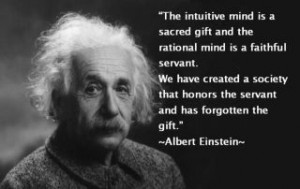
einstein_quote

There’s a lot of discussion on the web about codependency as well as empathy, especially in the narcissistic abuse community. While it’s true people who are codependent to a narcissist also tend to be high in empathy and very sensitive, there seems to be a lot of confusion–people who aren’t too familiar with either term tend to believe empathic people are also always codependent. While codependent people are almost always highly sensitive (which is the quality that attracts their abuser to them and keeps them trapped in a toxic relationship because they believe they can “fix” their narcissist), the reverse is not always the case.

A healthy HSP (highly sensitive person) is simply an emotionally healthy person. They are confident and secure enough with themselves that they can resist the “charms” of an abuser. If a healthy person with high empathy does find themselves being drawn into an abusive relationship with a narcissist, they have the courage and presence of mind to pull themselves out of it and even go No Contact before they fall under the thrall of the abuser and before any damage is done. In fact, having high empathy makes it more likely a person will be able to “see” the red flags before anyone else, giving them a chance to escape and/or avoid the person.

A healthy HSP does not waste time trying to “fix” a narcissist. They know the chance of that happening is about the same as the likelihood they will sprout wings and fly to the moon. If a narcissist is going to change (I’m not one of those people who believes it’s not possible), it must be the desire of the narcissist and they have to work very hard at it, but no one else can “save” them except themselves, and it’s going to be a long, hard road if they decide that’s what they want. A healthy HSP will not allow themselves to fall into a love-bombing trap or be “hoovered” by a narc. Once they realize what they are dealing with, they will cut off any further communication. They know they can’t be nice about it, but must be firm. They may care, but they know they are not going to be the ones doing the fixing, and will be able to move on to a healthier relationship with someone they can actually grow with and who will be able to return their love.

codependency_love

Our society today is also quick to judge those who have high levels of empathy and want to give back to others as being “enablers.” This happens even in the public realm, with the massive cuts in spending to programs that help the most vulnerable people of society and the blanket dismissal by the Powers That Be of those who want to help as “suckers” who are “enabling” the most vulnerable people. I don’t wish to get on a political soapbox but there’s something very wrong with any society that only values how “powerful” you are or how much money you earn. There’s something sick about a society that dismisses its most vulnerable members as “lazy and stupid” or “deserving” of their sad lot. Empathy is a virtue that has become increasingly dismissed as a weakness, but is actually the one thing–maybe the only thing–that could rescue modern society from completely self-destructing. Empathy isn’t a weakness at all–it’s a strength. If you’re a HSP you have this quality and should be proud of it and use it, not hide it away like a shameful thing. The narcissists who run things in the world would like us all to think it’s a shameful thing, but that’s just another lie they tell. It’s needed now more than ever. So, you are not an “enabler” if you want to help others; just be careful who you are helping!

Unfortunately, HSPs have often been abused themselves or have other disorders such as complex PTSD, and they often find themselves targeted by narcissists for abuse. Narcissists are usually attracted to people with high empathy because they know they can get the “understanding” and love they crave and will proceed to feed on the HSP’s emotions much like a vampire feeds on blood. They know it’s hard for such a person to say “no” because they can’t stand to hurt anyone’s feelings, so an HSP person is more likely to stick around and tolerate abuse than someone who is less sensitive.

If you are such a person; if you are very sensitive, cut your losses now! Staying around a narcissist who is actively abusing you is just not worth it, and there’s also a very real danger of being drawn so far into the narcissist’s web of deception and abuse that you could develop Stockholm Syndrome and begin to identify with your abuser. Once this happens, you could even find yourself taking on traits of narcissism yourself and colluding with your abuser. It’s an insidious process but it can and does happen; and it happened to me. Be careful. Your soul is a precious thing and you should not give it freely to anyone until you know that person can be trusted with it. That doesn’t mean you have to become hypervigilant and start seeing demons around every corner, but if your intuition is throwing up a lot of red flags about a particular individual, don’t dismiss them. They could save your life.

Global Followers

As a blogger, knowing that a thought that’s known to no one but me can, within seconds, be read by someone in some far flung country on the other side of the globe, is pretty incredible.

Tony Burgess's avatarThe Tony Burgess Blog

I appreciate all my fellow bloggers who are following me here from around the globe. One thing I love about this thing called blogging is how we can be connected in a very unique way. We can discover more about ourselves by seeing the lives of people from different places from Australia to Zimbabwe and inbetween. My world view has been expanded by some great bloggers who have shown me the places they call home and in their communities. I wish you peace and grace my friends from far away. I hope and pray for peace and that we will have the freedom to keep on blogging no matter where we are.

View original post

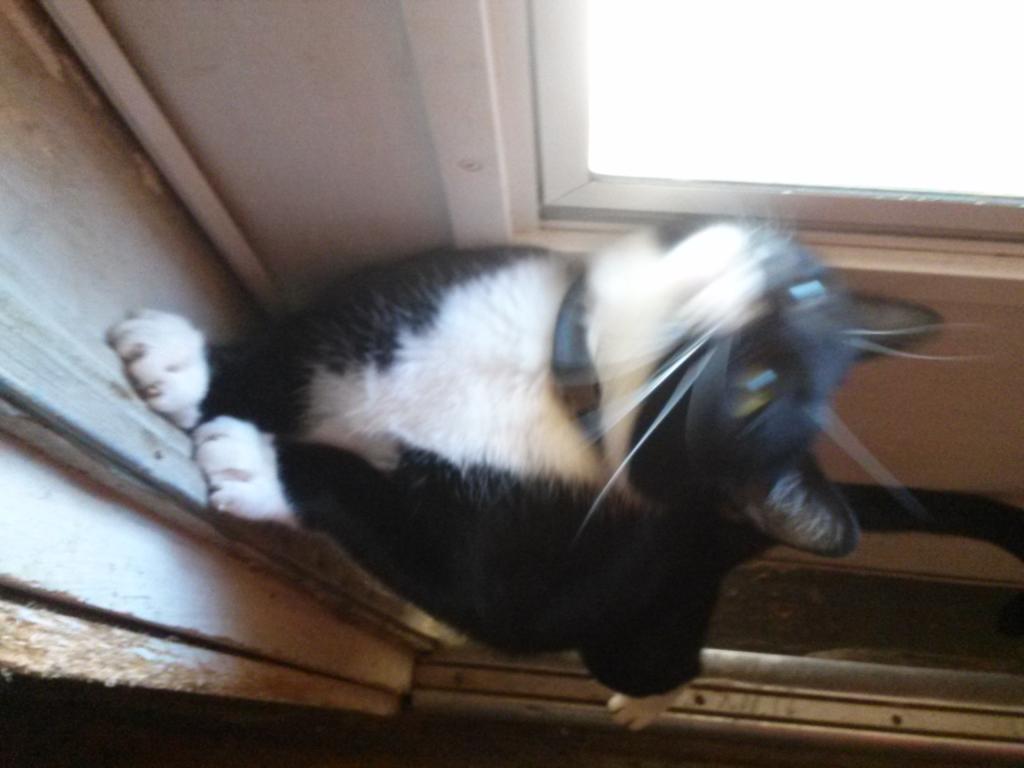
My cat is missing. :(

sheldon1
Not a good picture, but the best one of him I could find. He’s always moving, so it’s hard to get a good shot.

In the past 4 months, the number of cats living with me has gone from 5 (plus one dog) to just 2. In July, Chunks passed away suddenly, and then Mr. Biggles, Babycat, and Dexter (the dog) all went to live with my daughter and her fiance. My housemate, Stacey, took her cat Isaiah to Florida with her last month (and by the way, I’m still looking for another housemate–the guy who was here moved to the upstairs apartment).

Now Sheldon, my tuxedo cat, has been gone for two days. Stacey actually trained him to come when he’s called and since she left, whenever I call him in for the night, he comes running. So I know something’s wrong because he didn’t come home last night, and wasn’t here in this morning and still isn’t back. 😦 I’ve called and called him, and looked everywhere and he’s nowhere to be seen. I’m starting to get really worried. Sheldon has lived with me for 4 years, going on 5, and while it’s not the first time he’s been gone this long, it’s the first time since Stacey was here.
So everyone, please keep Sheldon in your prayers that he returns safely.

ETA: About two hours after I posted this, Sheldon showed up wanting dinner! Now I’m gonna kill him.
Thanks, everyone! 🙂

Why so many “Russians” are moving to North Carolina

russian_sign
An increasingly common sight in Buncombe County, NC

Actually, most of them aren’t true Russians, they are Slavic people from Eastern Europe, especially The Ukraine, which was once under Soviet rule, so that probably explains some of the confusion.

Eastern Europeans began to flood Buncombe County during the 1990s, with Asheville being at the center of the immigration activity. In the past decade or so, Slavs have become such a large chunk of the demographic here that signs in most of the downtown public buildings, such as the courthouse and the health department, are in English, Spanish, and Russian (or Ukrainian, which I think is similar to Russian and uses the same Cyrillic alphabet–I can’t tell the difference!).

Some long-time residents of this area complain about the huge influx of the “Russians,” as they do about the large Mexican population already established here. Personally I find both groups add a lot to the culture, and don’t cause any problems at all. In the case of the Ukrainians (to my understanding, the largest group of Slavs moving to Asheville and Buncombe County), they are escaping from an intolerable situation in their own country, where Ukrainians, in spite of declaring their independence from the Soviet Union in 1991, are facing religious abuse and their country is being torn apart by opposing political forces which are outside the interests of freedom. Here is an article (about a year old) from the Asheville Citizen-Times that goes into more detail about the discord going on in the Ukraine.

nyet
Sadly, this attitude is pretty common. The new immigrants aren’t even technically Russian.

Why have so many Eastern Europeans chosen the Asheville area as their destination? I’m not sure, but I think it could have something to do with the similar climate and terrain in the Southern Appalachians (the entire Appalachian range runs from Georgia through Maine) to parts of Eastern Europe (even though their climate is somewhat more continental and less humid–and has colder winters). The Southern Appalachians have been compared by many people to the Carpathians which run through the Ukraine, Romania, Slovakia, and Serbia, and one of the counties next to Buncombe County is even called Transylvania County due to it’s appearance. The 2003 movie “Cold Mountain,” a civil war epic about people living in western North Carolina during the mid 19th century and later, was actually filmed in Romania (it was cheaper to film it there, and the Carpathians are less untouched by modernity than the Smoky and Blue Ridge Mountains). I’ve seen photos of the Carpathians, and it’s almost spooky how similar they look to this part of the US!

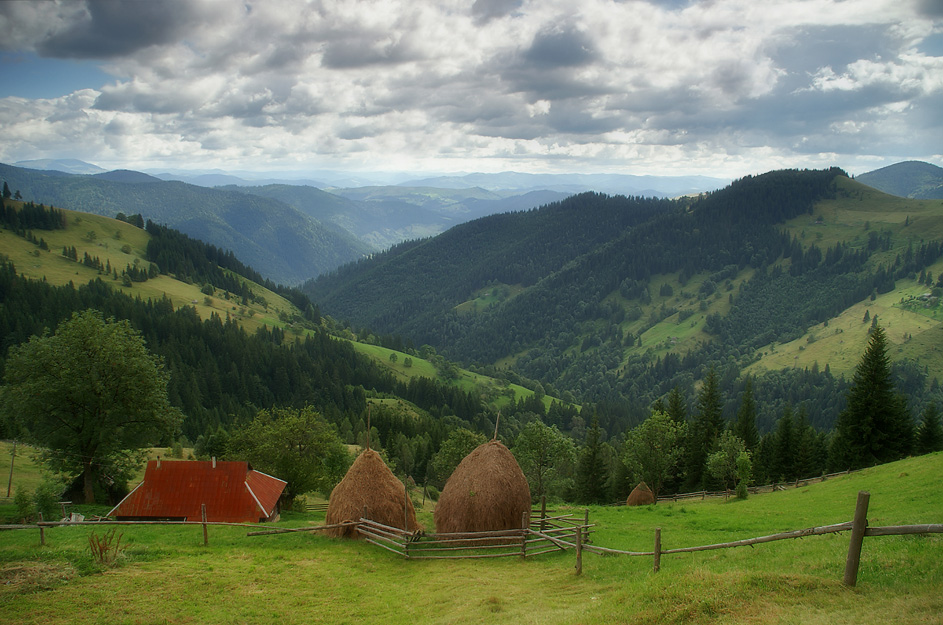
carpathia blue_ridge
Which one is the Blue Ridge Mountains? (Click on the photos and the picture titles will tell you which is which).

The culture of the mountain people in both areas also have similarities. There’s an organization called the Carpathian-Appalachian Conference which holds meetings and sponsors educational and other events that seek to understand the similarities and differences between the two cultures.

A lifetime of writing (part one).

Selectric_II

Writing, as opposed to the spoken word, has always been my preferred mode of communication. While it’s true I’ve never published a book or made a real career of it, I have a deep love of words and the rhythms and drama of the English language. Writing is where I feel the most at home in myself, and when I’m at my happiest and feel the most productive. Starting this blog, in spite of some painful incidents arising from it in this past year, has been the best decision I ever made.

This blog began as one for victims of narcissistic abuse and of course, as a ranting platform for myself, but recently I’ve been moving away from that subject for several reasons, the most obvious one being that I simply can’t think of anything new to say about narcissism that hasn’t already been said. There are other reasons too. I haven’t decided what this blog’s new focus should be, or if it should have one at all. But I love to write about writing, so that seems like as good a topic as any, at least for today, so I thought I’d share what my lifelong on-again, off-again love affair with the written word has been like.

Childhood.

little_girl_writing

English was always my favorite subject in school, and my best one too. Once I learned how to form letters and put them together, I found that I loved written assignments and always did well in them. As a child I also loved to draw and often wrote little illustrated stories at home for fun. Not too long ago I wrote the sad story about the little blank books my father brought me home from a business trip, and how I used to fill them with little stories and pictures (usually drawn in marker because I liked the sharp edges of a marker or pen over crayons and you could fit in more detail). Unfortunately, that ended one day when I found out some of my creations had been stolen. After that I was hesitant to write for myself anymore, and pretty much stopped drawing at all.

But my love of writing didn’t die, and as I grew older, my stories became more detailed and longer. I also liked writing papers for school about topics that interested me and enjoyed everything that went with putting together an awesome looking project–choosing what color construction paper to use for the covers (which I liked to slide into a clear plastic cover with a color-coordinated plastic spine to hold it all together), what to draw on the cover (if anything), how to design the letters spelling out the title, organizing the pages, etc. I almost always made A’s on these projects.

Once I learned to read fluently, I couldn’t get enough books. I remember in third grade, I read voraciously. For some reason, I was particularly enamored of the Mrs. Piggle Wiggle books. I also really liked anything by Beverly Cleary. But I’d read just about anything I could get my hands on. At about age 10, I received “Harriet the Spy” as a gift, and she became my hero. I must have read that book about 10 times, and I read Louise Fitzhugh’s other books as well (too bad she didn’t write more books). To me, Harriet was the coolest girl ever, and she loved writing as much as I did. If I couldn’t be one of the popular girls, then I wanted to be Harriet. She was relatable, but so much cooler than I was. For awhile I even carried around a notebook (a black and white cardboard speckled one just like hers) and wrote down random observations about people. I think Harriet is still relevant. I know Fitzhugh’s books are still popular because so many children who are “different” or feel out of place can relate to Harriet. I wish I still had some samples of my early writing, but unfortunately these were lost a long time ago.

harriet_the_spy
Harriet was my idol when I was about 10.

I was often the target of bullies, especially in 3rd-5th grades, and often would escape to the school library for solace. We had a very sympathetic school librarian. I loved everything about libraries, especially the smell of books. It was very comforting to me, and the only place I felt really at home. Books really were my friends. One of my favorite places to go on the weekends was (drum roll, please!) the public library. I think it’s terrible that government funds for public libraries have been cut in the past decade. I think they’re so important. The Internet is great, but nothing beats a library for nurturing your mind.

Adolescence.

girl_reading

During my teen years, writing became a back-burner activity, something I did when there was nothing else to do. I did continue to read voraciously, but was a lot less inspired to create anything of my own. What I did write tended to be what one of my teachers called “thunder and lightning” poetry–typical adolescent angst poetry about darkness, depression, despair, neverending rain, crashing storm-generated waves, and death imagery. I was Goth before there was such a thing (and liked to dress in black or dark clothes too). I also wrote long, angry screeds about my mother, who I’d decided (rightfully) was the shallowest, most un-maternal person on earth.

I also kept a diary. It was thick sky-blue leather hardcovered book with a golden lock and key. Unfortunately I couldn’t fit much in the spaces for entries, because it was a five-year diary so I only had a 5th of a page to write anything, and the lines were tiny (and my handwriting tended toward the large and florid). I finally quit writing in it after about 2 1/2 years. Like most other things from my growing-up years, I have no idea what happened to it.

Term papers became more of a chore, because now I was required to use and cite sources, etc. but once I got motivated, I did enjoy it and always got high grades. Sometimes, though, I’d wait until the night before it was due (after fretting for weeks) and stay up all night working frantically to finish the project. My teachers could never tell the difference, but I certainly don’t recommend waiting until the last minute to start a school project, if for nothing else other than the enormous stress that causes.

Early Adulthood.

term_paper

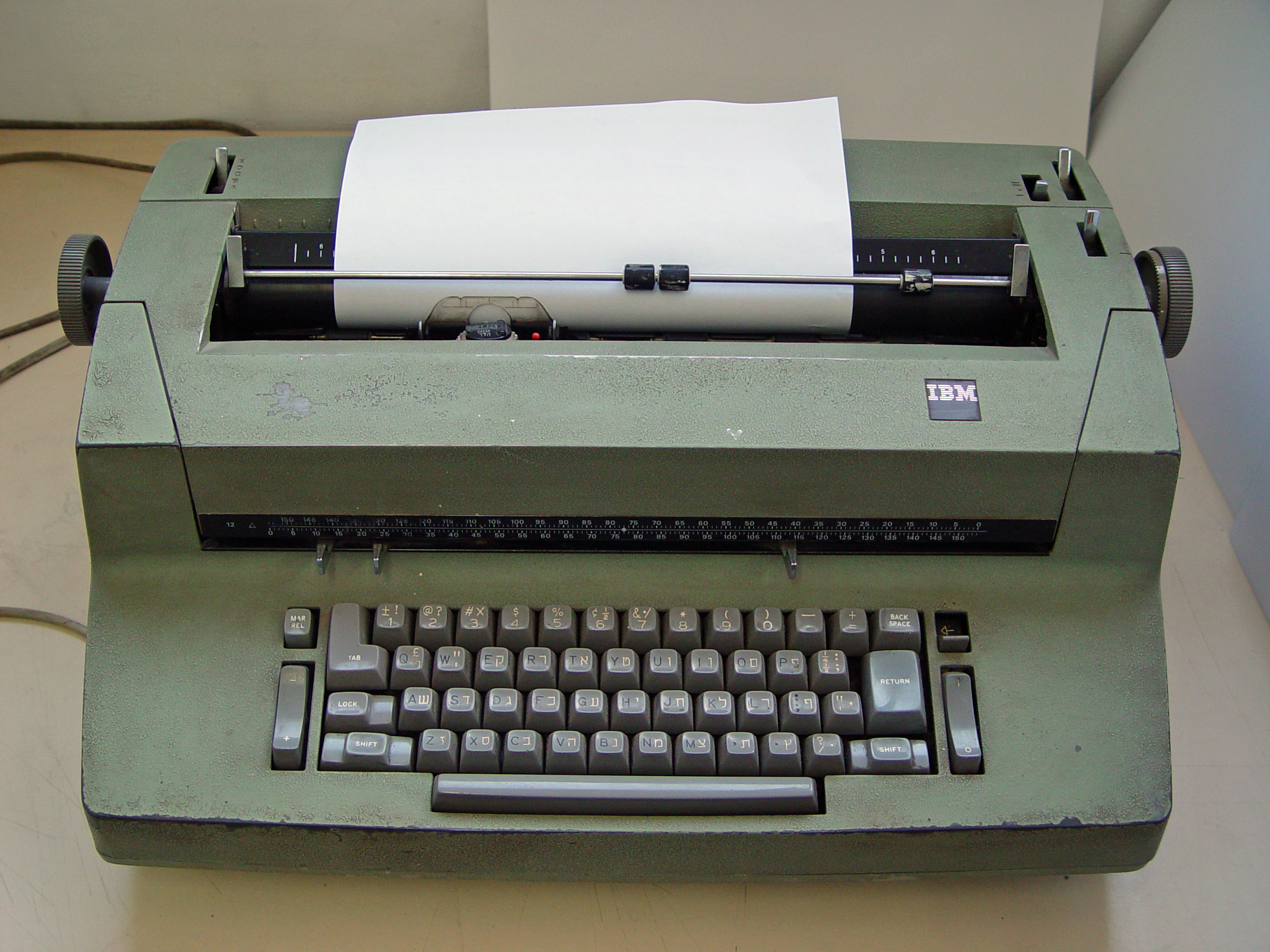
College was basically a continuation of high school as far as my engagement with writing was concerned and was limited mostly to term papers and school projects. Of course, the topics I had to write about were more in keeping with my interests (psychology and art). They were also required to be typewritten and I had recently learned how to type and really liked the “professional looking” fonts available on the school’s IBM Selectric and the futuristic looking font-balls you could snap in and out of the machine (I had a typewriter, but it was a basic Royal ribbon typewriter with standard typeface). In those days before the Internet, access to fonts that didn’t look like “typeface” was considered very cool. I also liked the fact I could backspace and actually erase mistakes, instead of having to use White-Out or erasing strips which only covered them and always looked messy. I still have a few of my psychology papers; sometime soon I’ll dig them up and read over them again.

The only project I ever did badly on in college was a verbal assignment on Narcissistic Personality Disorder (oh, the irony!) for my Abnormal Psychology class, but it wasn’t because I hadn’t done my homework or prepared for it; it was because we had to present it in verbal form, in front of the classroom, and I clammed up terribly and my mind went completely blank. I got a D in that assignment, and it took me a very long time to get over that. In written assignments though, I always got A’s or high B’s.

My love affair with electronic typewriters like the Selectric ended when I started my first office job as a receptionist and had to spend entire days typing up invoices and memos. I remember our first word processor and how cool that seemed. I even took classes in Wang, but once again, it wasn’t too long before that seemed humdrum too.

I only completed three years of college because I got engaged and had to work full time, and something had to go. If I had to do it over again, I would have waited to marry and gotten a degree in journalism or gone for a Masters. While married, I didn’t write anything more ambitious than shopping lists. I wouldn’t dabble in creative writing (for myself) again until my early 40s, although I did take jobs as a technical writer, medical editor and part-time book reviewer during my late 20s and thirties.

(To be continued in Part 2.)

I like this look.

chair

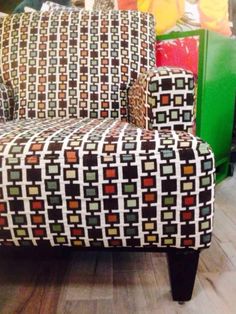
I can already see that the 2010’s have a distinctive “look,” much like the decades from the 1960s – 1980s had a visual “personality” that forever will identify the decade it came from.

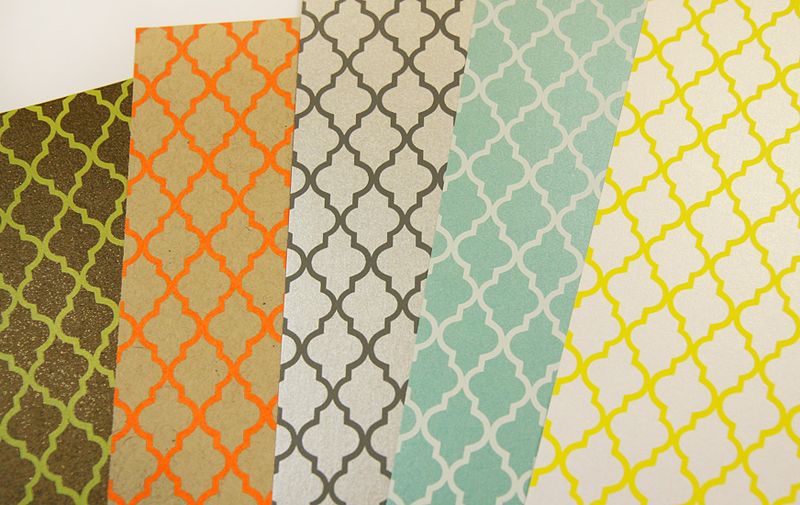
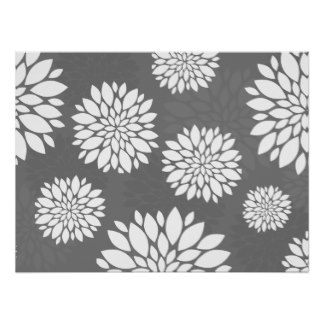
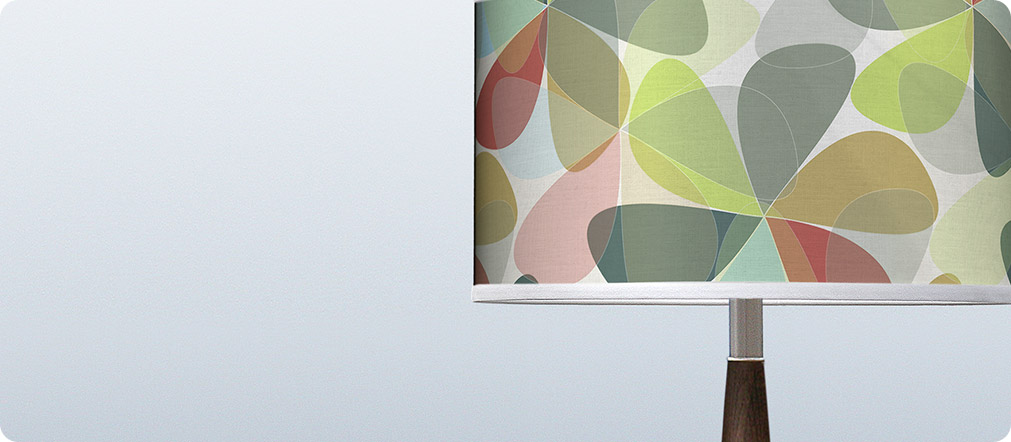
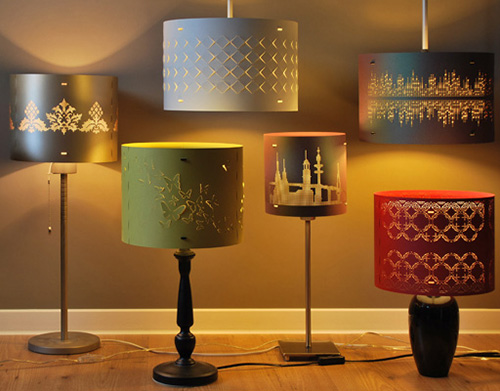
The look I’m talking about can be seen on everything from lampshades to throw pillows to clothing. Modern fabrics come in large, bold geometrical or stylized floral patterns. Big, stylized lattices seem to be especially popular. In home decor, I’m seeing lots and lots of white, with a lot of accent accessories, furniture, and sometimes entire walls printed in these brightly colored patterns or sometimes solids.

I don’t know why, but I associate this look with Target. I’m not sure if they started it though. Maybe HGTV did. I don’t remember seeing these patterns much before 2010 and possibly later, so it does seem these will become associated with this decade, much as boomerang and chevron patterns in pastels are associated with the 1950s, psychedelic patterns and paisley became associated with the 1960s, and dark earth tones and lots of wood paneling became associated with the 1970s. I don’t know why, but the 1990s and 2000s don’t seem to have an easily identifiable “look.”

I really like this look, especially in home decor, so here’s some photographs of what I’m talking about. I’m sure everyone’s seen it, but probably hasn’t given it much thought.

pattern2
Stylized lattices.

pattern3
A different type of lattice.

pattern4
Modern zig zag pattern.

pattern5
Stylized floral pattern.

pattern6
Modern chair.

pattern7
Checkered pillow.

pattern8
Flip flops.

pattern9
Whimsical lampshade (looks like a ’60s throwback to me).

pattern10
A bunch o’lampshades.

pattern11
Pillow and light fixture.

bunchachairs
Bunch o’chairs.

Thirty or forty years from now, the babies of today will be rolling their eyes at great Grandma’s kelly-green and white lattice-pattern curtains, saying “That’s SO 2015.”

Bad advice.

I am SO familiar with this…Don’t do it!

dont_do_this

Therapy update!

I just received an email back from my chosen therapist (I wrote him a very long description of my problems and what my goals are in treatment) and he sounds very understanding and empathic. He thanked me for giving him a lot of information to work with ahead of time and said 2x a week for deep insight therapy isn’t out of the question, but finances might limit me to just one session a week for now. He offered me some open slots to choose from, so I have my first appointment (which will run into 75 minutes or so) in 2 days! Why do I feel like I’m going on a date or something? (No I do not find him attractive lol!)

I’m kind of surprised my telling him I have a BPD diagnosis didn’t scare him off due to the stigma. I remember one therapist who I felt I connected with on our intake session calling me a few days later after looking over my psychiatric records and saying, “sorry, I don’t work with borderlines.” I don’t act out anymore though, so I don’t think there should be any problems.

Mental health madness.

doctor_lucy

Good mental health treatment is becoming increasingly a thing of the past. Many times, it simply isn’t available to those who aren’t wealthy. Most company-sponsored health insurance plans don’t even cover mental health anymore, unless it’s short term or if your problem directly affects your job. Most of the time, they’ll just fire your ass.

Mental health for the poor is even worse. If it’s even available in your community, it could take weeks or months of waiting after an entire day spent filling out forms before you even get your foot in the door for your “intake session.” Once you do get in the system (if you do), you’re sent to a bored psychiatrist who wants to pump you full of drugs instead of send you for long term psychodynamic therapy. Then you have to check in weekly with some condescending nurse-practitioner who asks you a litany of prefabricated questions (one size fits all!), takes your temperature and weighs you (why?), and asks you about your drug use.

That’s right. Drug use. It seems like psychotherapy programs for the poor try to siphon you off into a “drug treatment program” if you admit to even sipping a glass of wine a few times a year or having a few tokes of weed on occasion. Where I live, the only free “mental health” program is a drug-treatment program in disguise. Having little money, I went there not too long ago to get therapy for my depression and anxiety and had to fill out about 10 pages asking me about my “drug abuse history.” I walked out.

That’s why I’m currently paying out of pocket for a real psychodynamic therapist who focuses on digging into your childhood and stuff (eg, the kind of therapist rich people pay for) even though I’m poor as fuck.

Empathy and conscience are not the same thing.

Empathy-definition

I recently saw this little gem on another website.

If you feel upset, worried, and guilty that you don’t care about others enough, then you don’t lack empathy. That right there shows you you have a conscience. Also guilt is a sign of empathy. If there’s guilt, there’s empathy. There can be no guilt without empathy. No empathy, no guilt because they are part of each other.

I’d like to take issue with this paragraph. The author is stating that feeling guilty or having a conscience means you have empathy. I beg to differ.

Empathy is the ability to feel an emotion with another, to be able to “put yourself in another person’s shoes.” It has nothing to do, really, with having a sense of right and wrong, which is what both guilt and conscience are based on. It’s entirely possible to be a self-righteous, stiff-necked prick and not have an ounce of caring for the way others feel. Think of that teacher you hated. Chances are, that teacher had a very strong conscience and a clear idea of what was right and wrong (and held themselves to the same tough standards they expected you to meet), but thought nothing of making you feel like a wad of old gum on her sensible orthopedic shoes when you violated their lofty standards. It’s also possible to feel guilty over things that aren’t even your fault but be completely oblivious to the feelings of others. Think of the worst covert narcissist you know. Chances are, that person is constantly saying “I’m sorry” and flagellating themselves until they draw blood, but their over the top guilt stems from a need to prove they’re really a good person, not because they really care that they just put your feelings through a cheese-shredder. They aren’t going to feel your pain with you–they just want to redeem themselves and have you forgive them.

Empathy and conscience do often go together though–they’re like the peanut butter and chocolate of the world of emotions–and I don’t think it’s possible to be a high empathy person and at the same time have no conscience or the inability to feel guilt or shame. But to assume that a strong conscience or the ability to feel guilt automatically indicates high empathy just makes an ass of u and me. All having a strong conscience or sense of guilt means is you’re not a sociopath.