What gives, Ms. Spidey?

giantspider
She’s waiting!

The weather here is still pretty warm, and to my dismay, about a week ago I noticed yet another wasps’ nest being constructed in a corner of the porch roof, against the house, and not far away from the front door.

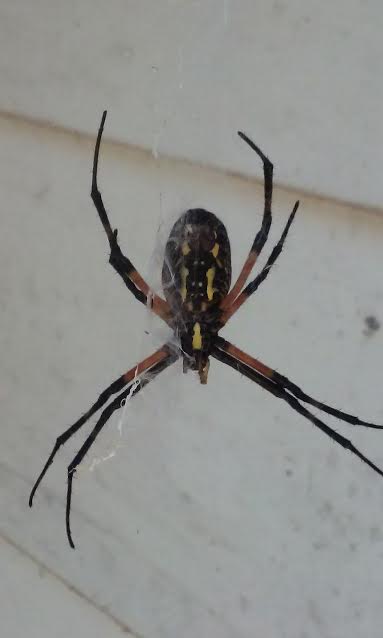
At the same time, I noticed that, directly under the wasps’ nest, a very large and beautiful black and yellow spider was artfully spinning a gorgeous web.    During the next few days, the web grew larger. It’s so large now it’s about 2 feet across and stretches from the overhang of the roof near the next, to a pillar about 3 feet away.  The web is also angled perfectly to catch those annoying and useless bee-wannabees; I wondered how much intelligence actually went into the spiders’ building of that web, since it’s so perfectly situated to be a perfect trap for any who try to leave the immediate vicinity.

Last week, I  bought a can of wasp and hornet killer, which can be aimed from about 20 feet away and will kill the wasps and destroy their nest, but my daughter begged me not to do that, because the fallout from the blast would also destroy the spider’s intricate creation, which is really quite lovely.  I also realized that the way the spider built it was perfect for trapping the wasps.  So we decided to wait and see what happens.

The spider has been waiting patiently in her web for over a week now, but the wasps haven’t gone near her web at all!    There aren’t any other insects caught in the web either, which makes me wonder how Ms. Spidey is managing to get food! But still she sits quietly and waits.  Even Job would not have been as patient.    I’m sure she’s waiting for one of the wasps to make one dumb move, but I’m beginning to doubt that’s going to happen. They might have outsmarted her.

I’m going to give it another few days. If by this weekend, she still hasn’t caught any wasps,  I’m going to Raid that nest and its unpleasant stinging residents, regardless of what effect that might have on Spidey.    I hate to kill her, but I don’t know how much longer I can tolerate those wasps either.  She’s not doing her job well enough. Either that, or the wasps are too smart for her.

Angels among us.

earthangels

God sometimes comes through in small, unexpected ways when we appeal to him for help.  I think he appoints certain people to serve as angels right here on earth.    A dear friend of mine, active for a long time on this blog, empathized with my problems coping with Seasonal Affective Disorder, and offered to purchase me a light therapy lamp, knowing I could not afford one. (They aren’t cheap).   I burst into tears of gratitude when she told me she was buying me one.  She didn’t want me to pay her back either.

Yesterday I got my package from Amazon.  At first I couldn’t imagine why I was getting a package, since I haven’t ordered anything recently.  I had forgotten about the light therapy lamp.   But then I remembered, and excitedly opened the package.

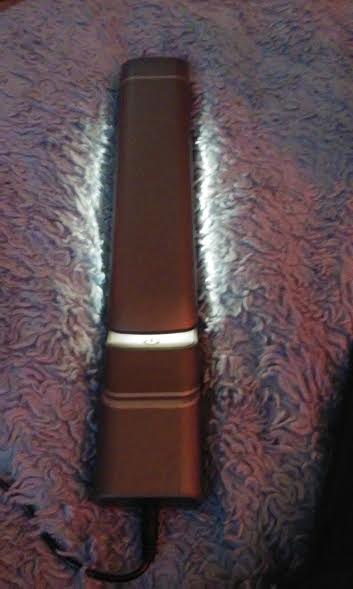
It’s a handsome streamlined model, portable, perfect for propping up next to me while I write on my blog.  It also makes a terrific reading light.

There really are angels among us.   You just never know how God will come through.   I’m also taking Melatonin (which regulates the sleep cycle) and St. Johns Wart (a natural herbal antidepressant).  Two new front tires on my car so I don’t have to worry about sliding all over the roads when the ice and snow starts, and I’m good to go.

I’ll let you all know how this regimen works on my SAD.

Here are two photos of my new light (closed and open).

light_therapy1 light_therapy2

How does malignant narcissism differ from NPD?

demonic

There’s a lot of talk about the narcissistic spectrum — the idea that narcissism runs on a spectrum from “normal” narcissism (healthy self esteem) all the way through malignant narcissism at the top. Somewhere in the middle, “normal” or “healthy” narcissism shades into Narcissistic Personality Disorder (NPD).

While I do think narcissism runs on a spectrum, I don’t think “healthy” narcissism has much, if anything, to do with pathological narcissism. Healthy narcissism is what makes us stand up for ourselves when we are being attacked. Healthy narcissism is what makes us feel proud of ourselves when we’ve accomplished something good. Healthy narcissism is what makes us want to look our best when we’re going on a date.

People who are narcissists, on the other hand, have little to no self-esteem. They either hate who they really are, or they don’t know who they really are, so they develop a false self to stand in for their real one. The false self can only survive by feeding off the reactions of others (narcissistic supply). That’s why narcissists can be so manipulative and dangerous. Since they are usually in their “false self,” and can’t risk exposure of their vulnerable real one, they will go to extreme measures to keep their false self intact, which includes projecting any bad traits onto others, denial, lying, gaslighting, and other tactics meant to deflect attention away from any flaws and transfer them onto others.

To a narcissist, you are not a real person, since a false self can’t acknowledge your humanity, only your usefulness to them. Like an infant who hasn’t yet realized they are a separate entity from their mother, your only purpose is to serve them and keep them alive. Narcissists, like babies, are emotionally unable to recognize that you are a human being who has needs and desires of your own.

You can be a pathological narcissist without being a malignant one, though. Malignant narcissism isn’t a person with NPD who is “more” narcissistic; it’s a person who has both Narcissistic and Antisocial Personality Disorder (ASPD)or an NPD with ASPD or sociopathic/psychopathic traits. Malignant narcissists are very dangerous because they combine the traits of narcissism with the traits of a sociopath or psychopath.

From Wikipedia:

The APA’s Diagnostic and Statistical Manual of Mental Disorders, fourth edition, text revision (DSM IV-TR), defines antisocial personality disorder (Cluster B):[19]

A) A pervasive pattern of disregard for and violation of the rights of others, occurring since age 15 years, as indicated by three or more of the following:
–failure to conform to social norms with respect to lawful behaviors as indicated by repeatedly performing acts that are grounds for arrest;
–deception, as indicated by repeatedly lying, use of aliases, or conning others for personal profit or pleasure;
–impulsivity or failure to plan ahead;
–irritability and aggressiveness, as indicated by repeated physical fights or assaults;
–reckless disregard for safety of self or others;
–consistent irresponsibility, as indicated by repeated failure to sustain consistent work behavior or honor financial obligations;
–lack of remorse, as indicated by being indifferent to or rationalizing having hurt, mistreated, or stolen from another.
C) There is evidence of conduct disorder with onset before age 15 years.
D) The occurrence of antisocial behavior is not exclusively during the course of schizophrenia or a manic episode.
Antisocial Personality Disorder (ASPD) falls under the dramatic/erratic cluster of personality disorders, the so-called “Cluster B.”

I probably don’t need to define NPD here, since so much of this blog is about that.  While several of the traits of NPD and ASPD overlap (lack of empathy, aggression, and dishonesty), there are some differences too.   Conscience isn’t entirely lacking in a narcissist (though empathy, which is different from conscience, probably is).  In fact, some narcissists are overly concerned with “right” and “wrong” (of course, they’re always right) and never do anything remotely illegal and may seem concerned about “morals.”   That’s why so many of them are so judgmental and they can so commonly be found in churches and the helping professions.   Narcissists are also over-sensitive to criticism and care very much what others think of them, since the mask they wear requires the approval or at least attention of others.   People with ASPD and psychopaths (the latter are merely people who were probably born without a conscience or the ability to feel empathy) have no need for narcissistic supply from others since they aren’t wearing a mask.     They just want to do what they want to do and don’t care what you think of them.   They are not what anyone would call “sensitive” but most narcissists are incredibly sensitive (about themselves).   Unlike narcissists, who have strong emotions which are hidden due to shame, people with ASPD seem to not have any emotions, or their emotions seem limited to anger or boredom.    People with ASPD are also much more impulsive than narcissists, and don’t plan their actions ahead of time.  They act on whim, according to whatever strikes their fancy at the time.   They are also much more likely than people with NPD to break the law and be incarcerated (so there are a lot more narcissists walking around than antisocial people, which makes them more dangerous).

Malignant narcissists are a deadly combination of antisocial and narcissistic traits.   Because they are still narcissists, they are oversensitive to criticism, but unlike garden-variety narcissists, they have no conscience or sense of right from wrong.  Or if they do, they don’t care.  They are sadistic and enjoy the suffering they cause others.   They go out of their way to hurt others, because hurting others makes them feel good.    If you cause a malignant narcissist to suffer narcissistic injury, they will react in very antisocial ways.  They are spiteful and seek revenge when they are hurt.  They also tend to be extremely paranoid and act out against others pre-emptively to prevent injury.  A garden variety narcissist, when injured, may annoy you to death, demand reassurance, project, gaslight, or disappear, but won’t deliberately seek revenge just to hurt you.   They are broken people desperately trying to keep their false self intact but are almost always unaware of this.  They may be paranoid, but not to the point of pre-emptive attacks to avoid narcissistic injury.   Malignant narcissists also like to create chaos and tend to thrive in chaotic environments, where other people (including non-malignant NPDs) would just fall apart.  They may not be criminals or do anything against the law, but they like to cause upheaval, chaos and suffering.

Non-malignant narcissists are manipulative and dangerous too, but they don’t go out of their way to hurt others.   They are probably unaware of the pain they cause other people, and just think they are always right and that others are just extensions of themselves.   They may truly believe they are doing the right thing, truly believe you are at fault, or truly believe the person they are victimizing is really victimizing them.   Some non-malignant narcissists, if they ever become aware of the harm they cause to others, suffer from feelings of guilt and shame and even remorse.    Not so with malignant narcissists, who are usually fully aware of the pain they cause to others and derive sadistic pleasure from it.

Malignant narcissists, outside of an act of God, probably can never get any better.  They will never voluntarily enter therapy because they don’t think they have a problem; it’s everyone else who has the problem and deserves their wrath.   If there are evil people in the world, people with malignant narcissism would fit the bill better than anyone else.  Non-malignant narcissists may be extremely disordered, but they aren’t evil.  They may have moments of humanity and even emotional empathy.  They may be very difficult to cure (NPD is probably the most difficult personality disorder to cure outside of ASPD) but sometimes they voluntarily enter therapy, especially after a great loss.  A malignant narcissist would never be caught dead in a therapist’s office.

Maybe we should stop trying so hard to be happy.

fake-smile2

We live in a society that demands we always be happy and smiling.    “Negative” emotions are generally unacceptable, and we are told over and over again via pop psychologists and the mass media that constant happiness is not only our birthright, but our responsibility!    People are encouraged to stuff their feelings and wear a smile, no matter how they are really feeling.

Some people are more naturally given to cheerfulness than others, regardless of their circumstances.  We are all different; and those of us who aren’t naturally inclined to be upbeat and perky all the time are made to feel like we are somehow defective and our darker emotions aren’t okay.

So we seek out therapists, read self-help books, recite affirmations, pin up positive-thinking posters, and beat ourselves up if we don’t or can’t conform to the pervasive “don’t worry, be happy” ethos.

But what if not always being happy is actually saner than always being cheerful?  After all, there are a lot of things in the world to get depressed, upset, or angry about.    Acknowledging that bad things happen isn’t being negative; it’s being realistic.   For example, being afraid can sometimes save your life!

positive_thinking_cartoon

As long as you aren’t so depressed you feel like killing yourself or drowning yourself in alcohol or other substances, or can never see the bright side of anything, maybe embracing and accepting dark moods is a more authentic way to live.

Maybe if modern society acknowledged that dark emotions are a normal, non-pathological reaction to many things in life and accepted these emotions as easily as they  accept a perky smile and an “everything’s great!,” those of us who worry that we aren’t “happy enough” would actually begin to feel happier.    Maybe we need to stop trying to force ourselves into a box that doesn’t fit, and learn to embrace our painful feelings instead, and stop comparing ourselves to some ideal that we think we should be.

The world is not perfect and it never will be.  Why should we go through life, then, pretending everything’s perfect or beating ourselves up (and making ourselves more miserable) when we don’t measure up to some “happiness standard”?   It’s fake and it’s only going to make us feel like we’re defective.    Maybe we should just accept ALL our emotions as authentic and stop trying to always hide them away like something shameful.   If you’re happy, by all means, show it, but the emotional spectrum is like the color spectrum–there are many shades and hues, and a world with only one color is the most depressing kind of world I can think of, even if that one color is “happiness.”

Being truly happy isn’t a performance to impress everyone with how “positive” we are; it’s a feeling of genuine well-being brought about by accepting ourselves–ALL of ourselves–as we really are.     If you’re feeling sad or angry or upset, instead of berating yourself for it, accept your feelings as an authentic part of life.

Meet and Greet: 10/1/16

15 ways to write an unforgettable blog post.

Originally posted on 6/8/15

In my two plus years of blogging, I think I’ve learned a few things about how to write interesting (and sometimes controversial) posts people want to read. Sure, I’ve posted weak articles no one seems to want to read–we’re entitled to have those days sometimes–but I think my track record on the whole has been pretty good. I don’t consider myself any sort of blogging guru or anything, and there’s still a lot I’m learning, but I think I have learned enough to be able to share what I know with other bloggers and people who want to start a blog.

1. The title is everything.

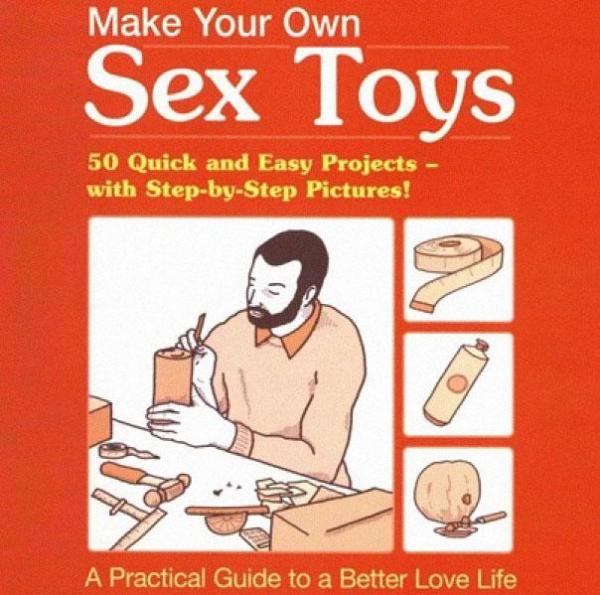
sex_toys
Never mind the subject matter, this is a great title. Did it grab your attention? That’s the only important thing.

Keep your titles “grabby.” Make them stand out. Make them a little controversial (“Don’t Judge Me Because I’m Poor”), a little true-confessional (“People Think I’m Stupid” or “All My Narcissistic Lovers”), a little cheeky (“Why Are Some Things So Annoying?”), or even pose a challenge to the reader (“My Son is Furry–Have a problem with that?”) Don’t try to make them too “nice”–because that will make them boring.

When all else fails, just keep them short and to the point. “I Have Issues” is a better title than “I Don’t Know Why I’m So Depressed, Nervous, Bitter and Angry all the Time.”

Keep your titles as short as possible. Never, ever write a title that sounds like a Ph.D thesis, such as: “Preternaturally narcissistic and sociopathic actions within the social media milieu: a paradigm of the interglobal loss of interpersonal altruism.” WUT?

Never, EVER use the word “paradigm” in a title. If you do that, I will personally come to your house and splash water all over your keyboard. That’s a promise. The same goes for “milieu.” Don’t use that word. Ever. No one knows how to spell it anyway.

paradigm

2. Keep your subject matter on topic as much as you can.

Blogging (1)

It’s alright to veer off topic to tell an anecdote or provide an example to flesh out your article and add human interest to it–in fact doing this can make your post seem more personal and that’s almost always a good thing. But try not to veer off the topic too much. It’s hard to do sometimes, but if you do, always somehow bring the article back to your original topic, and it will look like you intended for it to veer off topic a little to make a point.

3. Break up your text!

wall_o__text-blog-full

Even if you write like Shakespeare or Hemingway, readers will bypass your well-written post if it’s just a long wall of text. While a photo, graphic, drawing or cartoon isn’t required for a very short post, it can make your post stand out more and look more appealing. Walls of text for long posts hurt people’s eyes.

If your post is very long, break it up. Use photos or pictures or quotes at appropriate intervals that illustrate the point of your story or article. It’s easy to Google images you want to use–just type the subject matter into the browser and click on Google Images, and I can guarantee you’ll fine the perfect image to illustrate your article. Your own photos or pictures are fine to use too, when appropriate.

But be careful with this too. If you use too many pictures and graphics (as I tend to do), your post could wind up looking like the cover of a supermarket tabloid, and that will turn off readers too. Make sure your post looks clean and uncluttered, especially if you also run ads on your site.

Quotes and block quotes also work well at breaking up walls of text, and never be afraid to use humorous quotes or captions, even in a serious post (as long as it’s still in context). You can also use subheadings within the article and that will make it easier to digest too.

Beyond that, break up your paragraphs into smaller, easier to chew pieces. Readers are not cavemen gnawing an entire flank of beef all at once. They are civilized humans who like their steak cut into small pieces that can be picked up and savored one at a time. The same advice goes for paragraphs. Keep them bite size and they will be much more readable and taste better too.

4. Use the share buttons!

sharing

Even if you hate social media, make sure each blog post contains all the social media share buttons available, which can be found in the dashboard. Even if YOU don’t want to link your post to them, OTHER people will use them. If they’re not there under your post, people probably won’t bother sharing your post. Share buttons are a lazy way of getting your post seen by many people, only you’re letting your readers do the dirty work for you. That’s nothing to feel guilty about.

5. Use links in your posts.

chain_links

Linking to other blogs within your post creates a pingback: the writer of that blog will see that you quoted them, and more than likely will come and check out your blog. They might even follow you back. Creating a blogroll (in Widgets) or somewhere in your header will help too. It shows you read other blogs as well as your own, and the other bloggers will appreciate your support, and may even recommend your blog to others.

And of course, if you quote someone else’s material, make sure you link to their post or at least credit them.

Link to your own articles too. Doing this not only adds depth and background to your article, but it also encourages readers to not stop with the article they’re reading–they might click on your links and read your other articles too!

6. Don’t ignore your comments!
comments

If you ignore your comments, people will lose interest in your blog. People like it when their thoughts are acknowledged and validated. No one wants to feel ignored. Replying to comments may seem like a time consuming chore, but if you fail to do this, it’s insulting to the reader who wrote the comment or asked the question, and it will seem like you don’t care. If you don’t want comments on your blog, you can always disable them. Personally, outside of writing for yourself only, I never understood why anyone would do that. All popular blogs are dynamic, interactive blogs, where people can comment and lively conversations and debates can get started. It’s helpful to comment on other people’s blogs as well.

Replying to comments keeps your readers around and makes it seem like you care about them. It also creates a sense of community that keeps people coming back for more.

You do not have to reply to every comment, but at least “like” it if you don’t have time to reply. If your blog is very active, it may be hard to reply to every single comment or give long well-thought out replies, but a “like” or a few words such as “thank you for your kind remarks” should be sufficient.

If you have the time (unfortunately I don’t much anymore), comment on or at least “like” posts by other bloggers. Follow as many other bloggers as you can, too. Most people are polite so most likely they’ll follow you back.

7. Write frequently.

read_and_write

You should challenge yourself and try to write at least one new post a day. If you can think of nothing to write about (we all have those days), post a funny, cute or attractive photo or a quote you like. Cartoons work well too (I use them all the time). And don’t forget about cats. Cats online are like sex in the movies–they will “sell” your blog post. You can also reblog someone else’s article, but make sure you give credit. If it’s a WordPress blogger, that is automatically done for you.

If you don’t post frequently, people will stop visiting your blog. Sometimes I write 3-5 posts a day. You don’t have to go that crazy, but at least one post a day will keep your blog from stagnating like unmoving pond water. There’s nothing that will kill a blog faster than abandoning it. If you don’t appear to care, your readers won’t either and will go somewhere else.

8. Write as if you’re speaking.

writeasyouspeak

You don’t have to be a Shakespeare or a Poe or have great writing ability to write a good blog post. If you know how to string together a few sentences and have halfway decent grammar (grammar and spell check will help), you can still write a post people want to read. The key is to make it conversational and personal. Don’t overload the reader with too many facts or overly pedantic language. And always, ALWAYS be honest. People can tell when you’re lying or leaving out pertinent information. They will finish reading your article feeling like you’re hiding something. They will feel cheated and may never return.\

If possible, write your post in a conversational, personal tone. If it’s a scholarly article, of course you cannot do this, but for most blog posts, writing in simple, casual language and using personal examples to illustrate a point makes your article seem more personal, as if you are talking to the reader. Be a story teller.

9. Surprise your readers.

lucy_ricardo

If your blog focuses on one or two subjects as this one does, it’s okay to add in an occasional article or post about something unrelated or even totally random. In fact, I think doing this (as long as you don’t overdo it) makes your blog fresher and more interesting. Another benefit of posting off-topic material is that you will attract readers who may not otherwise be reading your blog. I have had a number of foodies and furries reading this blog (and even following it) because of articles I wrote about those subjects. It helps to be versatile, but be careful not to lose your original focus or you will just look like you aren’t that interested in your theme topic.

It’s okay to have a general interest blog though. Many blogs aren’t about any topic in particular, just whatever the writer wants to write about that day, and that’s fine too. In fact, some of the most interesting blogs out there are general interest blogs without a focus.

10. Don’t dwell in negativity.

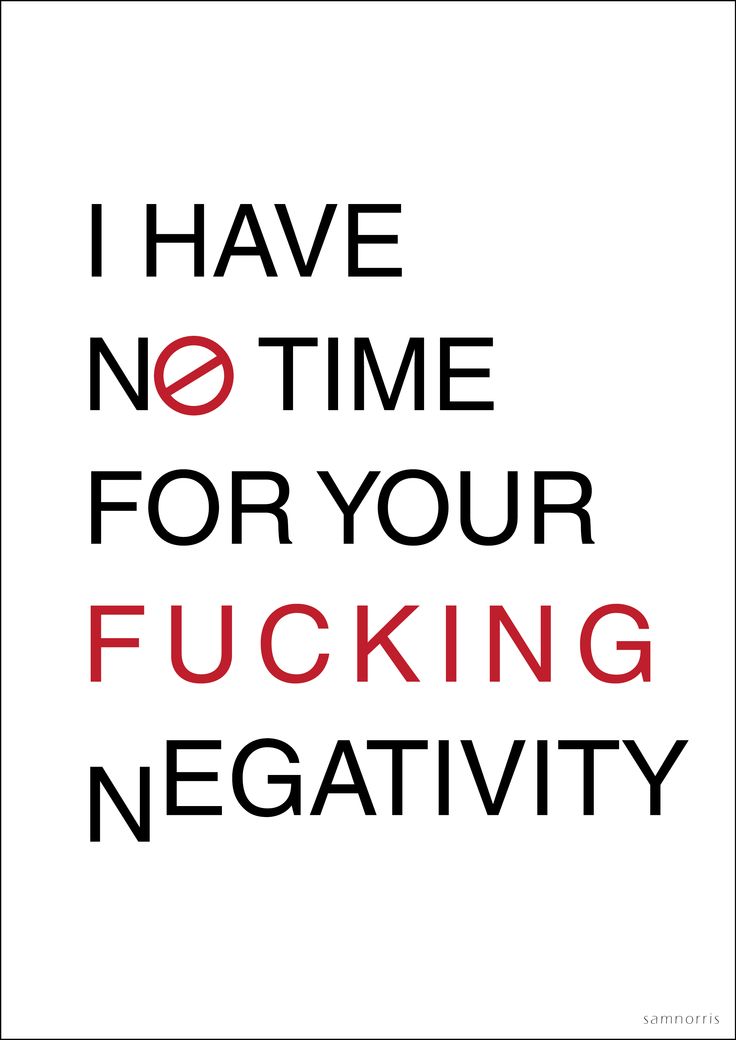
fucking_negativity

If your blog is about a serious or dark subject (as mine is), watch your pessimism and negativity. People won’t feel inspired or come away feeling like they’ve learned something of value if all you do is bitch and moan and talk about how the glass is always half empty. While emotional honesty in a post is great, people also want to feel like you’re giving them some hope for their hopeless situation too. That’s why I include inspirational memes and quotes, happy or cute photographs, cartoons, jokes, and lots of music. (Music has been an important factor in my recovery, second only to writing). Sometimes I find that if I post something positive even when I’m feeling like I want to jump out a 16th floor window (it happens more often than you think!), it actually improves my mood. Don’t lie in your posts and pretend to be happy when you’re not (which can come off as insincere and obnoxious), but don’t suck people into your vortex of darkness with you either.

11. Don’t require people to sign in.

red-brick-wall

Unless you are in a situation where you have a potentially dangerous stalker or group of people harassing or stalking you online, never, EVER require people to sign in to read your blog. I know if I see a blog that requires me to sign in or use a password to read posts, I’ll bypass that blog, even if it’s about a topic I’m jumping out of my skin to read about. I just don’t have the patience or time to fill out all that garbage if I want to read your blog.

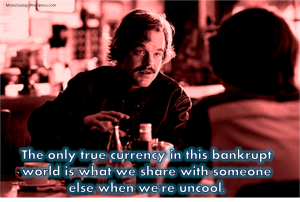
12. Don’t write about something because you think it’s cool.
almost_famous

Never write about something just because it’s popular or trendy, if it doesn’t interest you. People will be able to tell your heart isn’t in what you’re writing about, and you’ll come off as a wannabe or a hack, and certainly less than honest. Nothing will drive a reader away faster than if they sense a lack of passion or honesty in a blog post. It’s okay to be uncool and embracing your uncoolness in fact makes you cool.

13. Run naked in public sometimes.

naked

If you have been keeping an article set to “private” because you think it’s too personal and feel shy about sharing it with the world, take a deep breath and make it public! In my experience, whenever I’ve been afraid to post something due to its personal nature, I have NEVER regretted taking the plunge. It will set you free.

14. Controversial articles get more views.

jackass-whisperer

It’s a fact. I’ve posted several articles that proved to be extremely polarizing. People either loved them or wanted me to die a prolonged and painful death. Yes, posting something controversial or “un-PC’ WILL get you more haters, trolls and you may even have to face bullies, but guess what? My stats SOARED! That article TRIPLED my usual number of views for that week. Sure, most of them were probably clicking it on to see what all the fuss was about, but along the way, I got a ton of new followers too, and while my views have gone back down, my overall visibility has increased. And the trolls and bullies have moved onto other things. (To handle trolls and bullies, please check my articles under the “Handling Online Trolls and Bullies” tab.) I find it’s best to ignore them, but sometimes even a hater post can make great fodder for a new article, but be careful about identifying anyone by name because that could get you in trouble.

15. Check your grammar and spelling.

abckat3

This should be a no-brainer, but it’s surprising how many blog posts I see that are full of unecessary spelling and grammar errors. If you can’t write a proper English sentence, you probably should take up another hobby besides blogging. Theirs nothing mor disstractng & anoying than a sentenzes who no can read becuase your writting in bad grammer & falty speling.

A few other things to remember.

If you’re a new blogger, don’t panic if things go slowly at first. Don’t get discouraged, frustrated or give up because at first it will seem like no one is reading your blog. It takes time. Becoming visible and getting lots of views and follows takes some people longer than others. Dedication, patience and honesty will reap great rewards in time. Of course, if you write about a “hot” topic, like I do, that will help your growth too. But it isn’t necessary to write about something trendy. I don’t think the growth of this blog is because it’s “better” than any other–but because I’ve put so much time and effort into creating it.

Finally, you can’t “make” a post go viral. Unfortunately there’s no way to tell ahead of time which of your posts will grow legs and spread all over the web like wildfire. It could be a post you think is “boring” but somehow resonates with many people, or one you posted a long time ago. Maybe the “right” person sees it and helps get it out there for you. But when it happens to you, it’s an amazing feeling and makes you feel validated as a writer.
Bloggers’ block.

writers-block

Every once in a while, writer’s block strikes us bloggers.    Sometimes even the most prolific writers just run out of new ideas. If you blog, how do you handle this form of writers’ block? Do you make yourself write something anyway, post memes or pictures as a substitute, reblog your old posts (or other people’s posts), or just wait until an idea pops into your head?   How long would you allow yourself to let your blog sit idle without adding anything new?   Share your thoughts here!

Why Trotting Out the Tropes Makes Us Feel Hollow

A friend called me the other day frustrated about a situation that happened at work.  She was upset and angry, and as she told the story, she asked me, “Don’t you hate it when people sa…

Source: Why Trotting Out the Tropes Makes Us Feel Hollow

Proof that no one cares if you’re actually working.

Image

dead_at_desk

This is actually really sad. Not only because the guy died, but because it took five days for anyone to even notice. But still…it’s funny. I couldn’t help laughing.

“Did I get it right?”

Thursday silliness!

ceramictiger

Photo courtesy of You Had One Job @_youhadonejob1 (Twitter.com)