My next step.

next_step

I’ve always wanted to write a book.   I actually did write a novel, back in 2003, but it sucked and was rejected by several publishers.    It didn’t take me too long to give up trying to get it published.

Today that novel sits in a cardboard box in the back of a closet.  It’s been sitting in that box for 13 years, its 300+ pages becoming brittle with age and the corners of the box  it dwells in now bent and taped together.  A few years ago I pulled out the typewritten pages and re-read the novel.   I cringed with embarrassment over how bad it was.  Not just bad, but atrocious.   It was shallow, self-indulgent, had no flow; was full of cliches, stilted dialogue,  and purple prose; and populated with unlikable, annoying characters.  It will probably never see the light of day again and most certainly will never be published.  But I still can’t bring myself to toss it out with the recycling.  If nothing else, it’s a reminder that I can finish something that I started.

I’ve done a lot of writing in my life, but that one shitty novel was my only attempt to write an actual book.   Although I’ve always wanted to write a book, it just seems so daunting.  I always find excuses:  it would take too long, I don’t have time, it wouldn’t be any good, I’m not really that good a writer, no one would read it, I’m bad with opening paragraphs, I’m bad with endings, I don’t have the money, I don’t have good ideas.

But excuses are just lies you tell yourself.   None of the aforementioned items have any truth to back them up.  I have a blog and a following, these days you can self-publish an eBook on Kindle at little to no cost (a print version can always come later), and after a year and a half of blogging, my writing has vastly improved.   Some days I have so many ideas for new posts that it makes my head spin.  I spend most of my free time writing anyway, so why am I not writing a book?  I really can’t think of any good reasons not to.

So I know what my next step must be.   I  haven’t yet decided whether I’ll do a compilation of my best or most popular posts, or write something from scratch.   I have a feeling I’ll go with the latter, but might incorporate a few of my blog posts into it.   I haven’t decided what my book will be about yet either, even though I do know it will be connected to this blog’s content in some way.

One thing that’s stopped me before is the thought of having to write hundreds of pages of prose.  But with an eBook or even if I self-publish a print version (which I think costs money but I’m not sure), I don’t have to write something that long.  I’ve read or reviewed a few books that were self published by bloggers, and few exceed 100 pages.

Another thing that makes writing a book seem like a chore is the lack of immediacy.   When you write a blog post, you get instant feedback.  Likes, comments, and views start coming almost from the minute you hit Publish.   You can monitor your stats after a very short time.   With writing a book, no one sees it until it’s published, and that could take a long time.   I’m not a patient person, and I hate having to wait for feedback.  But that doesn’t seem like a valid reason not to write one.

So all I have to do is make the choice to sit down and instead of opening up WordPress to write a new blog post, open up Kindle instead and write the first paragraph of my book.  I never thought I’d start a blog either, and one day I just decided to do it.   I think that’s how writing a book is going to work too.

When I do start to write, I will probably not be able to write new blog posts as often and might even have to take a break from it to concentrate on the book, but I’ll let everyone know when that happens.

15 ways to write an unforgettable blog post.

Originally posted on 6/8/15

In my two plus years of blogging, I think I’ve learned a few things about how to write interesting (and sometimes controversial) posts people want to read. Sure, I’ve posted weak articles no one seems to want to read–we’re entitled to have those days sometimes–but I think my track record on the whole has been pretty good. I don’t consider myself any sort of blogging guru or anything, and there’s still a lot I’m learning, but I think I have learned enough to be able to share what I know with other bloggers and people who want to start a blog.

1. The title is everything.

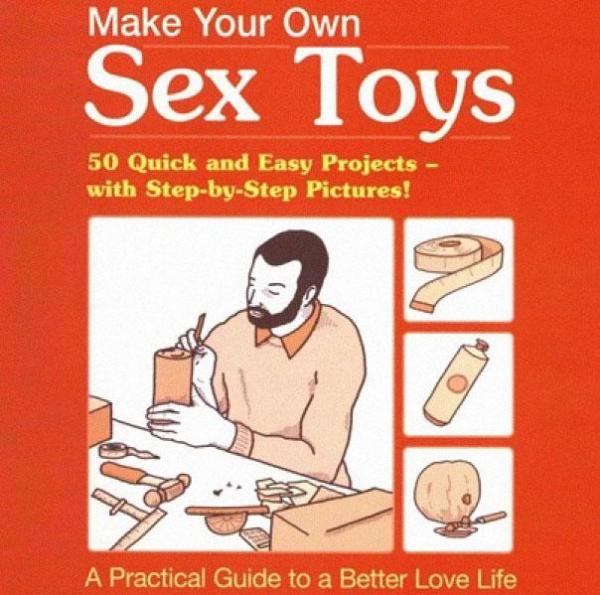
sex_toys
Never mind the subject matter, this is a great title. Did it grab your attention? That’s the only important thing.

Keep your titles “grabby.” Make them stand out. Make them a little controversial (“Don’t Judge Me Because I’m Poor”), a little true-confessional (“People Think I’m Stupid” or “All My Narcissistic Lovers”), a little cheeky (“Why Are Some Things So Annoying?”), or even pose a challenge to the reader (“My Son is Furry–Have a problem with that?”) Don’t try to make them too “nice”–because that will make them boring.

When all else fails, just keep them short and to the point. “I Have Issues” is a better title than “I Don’t Know Why I’m So Depressed, Nervous, Bitter and Angry all the Time.”

Keep your titles as short as possible. Never, ever write a title that sounds like a Ph.D thesis, such as: “Preternaturally narcissistic and sociopathic actions within the social media milieu: a paradigm of the interglobal loss of interpersonal altruism.” WUT?

Never, EVER use the word “paradigm” in a title. If you do that, I will personally come to your house and splash water all over your keyboard. That’s a promise. The same goes for “milieu.” Don’t use that word. Ever. No one knows how to spell it anyway.

paradigm

2. Keep your subject matter on topic as much as you can.

Blogging (1)

It’s alright to veer off topic to tell an anecdote or provide an example to flesh out your article and add human interest to it–in fact doing this can make your post seem more personal and that’s almost always a good thing. But try not to veer off the topic too much. It’s hard to do sometimes, but if you do, always somehow bring the article back to your original topic, and it will look like you intended for it to veer off topic a little to make a point.

3. Break up your text!

wall_o__text-blog-full

Even if you write like Shakespeare or Hemingway, readers will bypass your well-written post if it’s just a long wall of text. While a photo, graphic, drawing or cartoon isn’t required for a very short post, it can make your post stand out more and look more appealing. Walls of text for long posts hurt people’s eyes.

If your post is very long, break it up. Use photos or pictures or quotes at appropriate intervals that illustrate the point of your story or article. It’s easy to Google images you want to use–just type the subject matter into the browser and click on Google Images, and I can guarantee you’ll fine the perfect image to illustrate your article. Your own photos or pictures are fine to use too, when appropriate.

But be careful with this too. If you use too many pictures and graphics (as I tend to do), your post could wind up looking like the cover of a supermarket tabloid, and that will turn off readers too. Make sure your post looks clean and uncluttered, especially if you also run ads on your site.

Quotes and block quotes also work well at breaking up walls of text, and never be afraid to use humorous quotes or captions, even in a serious post (as long as it’s still in context). You can also use subheadings within the article and that will make it easier to digest too.

Beyond that, break up your paragraphs into smaller, easier to chew pieces. Readers are not cavemen gnawing an entire flank of beef all at once. They are civilized humans who like their steak cut into small pieces that can be picked up and savored one at a time. The same advice goes for paragraphs. Keep them bite size and they will be much more readable and taste better too.

4. Use the share buttons!

sharing

Even if you hate social media, make sure each blog post contains all the social media share buttons available, which can be found in the dashboard. Even if YOU don’t want to link your post to them, OTHER people will use them. If they’re not there under your post, people probably won’t bother sharing your post. Share buttons are a lazy way of getting your post seen by many people, only you’re letting your readers do the dirty work for you. That’s nothing to feel guilty about.

5. Use links in your posts.

chain_links

Linking to other blogs within your post creates a pingback: the writer of that blog will see that you quoted them, and more than likely will come and check out your blog. They might even follow you back. Creating a blogroll (in Widgets) or somewhere in your header will help too. It shows you read other blogs as well as your own, and the other bloggers will appreciate your support, and may even recommend your blog to others.

And of course, if you quote someone else’s material, make sure you link to their post or at least credit them.

Link to your own articles too. Doing this not only adds depth and background to your article, but it also encourages readers to not stop with the article they’re reading–they might click on your links and read your other articles too!

6. Don’t ignore your comments!
comments

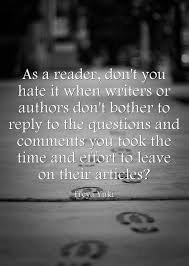
If you ignore your comments, people will lose interest in your blog. People like it when their thoughts are acknowledged and validated. No one wants to feel ignored. Replying to comments may seem like a time consuming chore, but if you fail to do this, it’s insulting to the reader who wrote the comment or asked the question, and it will seem like you don’t care. If you don’t want comments on your blog, you can always disable them. Personally, outside of writing for yourself only, I never understood why anyone would do that. All popular blogs are dynamic, interactive blogs, where people can comment and lively conversations and debates can get started. It’s helpful to comment on other people’s blogs as well.

Replying to comments keeps your readers around and makes it seem like you care about them. It also creates a sense of community that keeps people coming back for more.

You do not have to reply to every comment, but at least “like” it if you don’t have time to reply. If your blog is very active, it may be hard to reply to every single comment or give long well-thought out replies, but a “like” or a few words such as “thank you for your kind remarks” should be sufficient.

If you have the time (unfortunately I don’t much anymore), comment on or at least “like” posts by other bloggers. Follow as many other bloggers as you can, too. Most people are polite so most likely they’ll follow you back.

7. Write frequently.

read_and_write

You should challenge yourself and try to write at least one new post a day. If you can think of nothing to write about (we all have those days), post a funny, cute or attractive photo or a quote you like. Cartoons work well too (I use them all the time). And don’t forget about cats. Cats online are like sex in the movies–they will “sell” your blog post. You can also reblog someone else’s article, but make sure you give credit. If it’s a WordPress blogger, that is automatically done for you.

If you don’t post frequently, people will stop visiting your blog. Sometimes I write 3-5 posts a day. You don’t have to go that crazy, but at least one post a day will keep your blog from stagnating like unmoving pond water. There’s nothing that will kill a blog faster than abandoning it. If you don’t appear to care, your readers won’t either and will go somewhere else.

8. Write as if you’re speaking.

writeasyouspeak

You don’t have to be a Shakespeare or a Poe or have great writing ability to write a good blog post. If you know how to string together a few sentences and have halfway decent grammar (grammar and spell check will help), you can still write a post people want to read. The key is to make it conversational and personal. Don’t overload the reader with too many facts or overly pedantic language. And always, ALWAYS be honest. People can tell when you’re lying or leaving out pertinent information. They will finish reading your article feeling like you’re hiding something. They will feel cheated and may never return.\

If possible, write your post in a conversational, personal tone. If it’s a scholarly article, of course you cannot do this, but for most blog posts, writing in simple, casual language and using personal examples to illustrate a point makes your article seem more personal, as if you are talking to the reader. Be a story teller.

9. Surprise your readers.

lucy_ricardo

If your blog focuses on one or two subjects as this one does, it’s okay to add in an occasional article or post about something unrelated or even totally random. In fact, I think doing this (as long as you don’t overdo it) makes your blog fresher and more interesting. Another benefit of posting off-topic material is that you will attract readers who may not otherwise be reading your blog. I have had a number of foodies and furries reading this blog (and even following it) because of articles I wrote about those subjects. It helps to be versatile, but be careful not to lose your original focus or you will just look like you aren’t that interested in your theme topic.

It’s okay to have a general interest blog though. Many blogs aren’t about any topic in particular, just whatever the writer wants to write about that day, and that’s fine too. In fact, some of the most interesting blogs out there are general interest blogs without a focus.

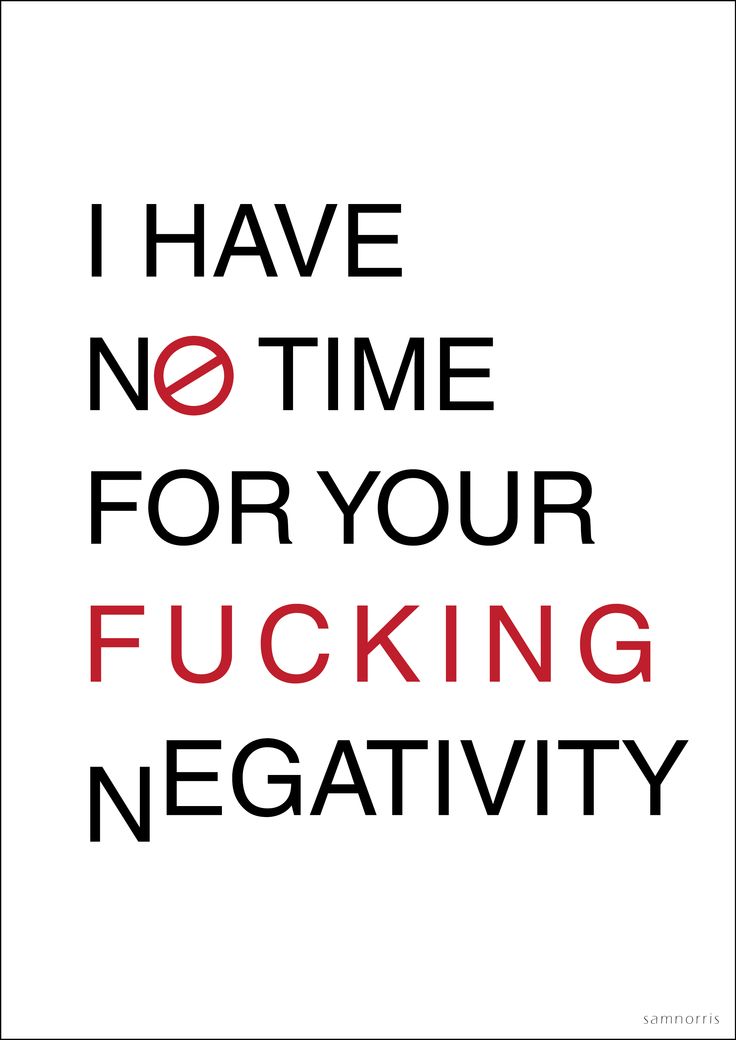
10. Don’t dwell in negativity.

fucking_negativity

If your blog is about a serious or dark subject (as mine is), watch your pessimism and negativity. People won’t feel inspired or come away feeling like they’ve learned something of value if all you do is bitch and moan and talk about how the glass is always half empty. While emotional honesty in a post is great, people also want to feel like you’re giving them some hope for their hopeless situation too. That’s why I include inspirational memes and quotes, happy or cute photographs, cartoons, jokes, and lots of music. (Music has been an important factor in my recovery, second only to writing). Sometimes I find that if I post something positive even when I’m feeling like I want to jump out a 16th floor window (it happens more often than you think!), it actually improves my mood. Don’t lie in your posts and pretend to be happy when you’re not (which can come off as insincere and obnoxious), but don’t suck people into your vortex of darkness with you either.

11. Don’t require people to sign in.

red-brick-wall

Unless you are in a situation where you have a potentially dangerous stalker or group of people harassing or stalking you online, never, EVER require people to sign in to read your blog. I know if I see a blog that requires me to sign in or use a password to read posts, I’ll bypass that blog, even if it’s about a topic I’m jumping out of my skin to read about. I just don’t have the patience or time to fill out all that garbage if I want to read your blog.

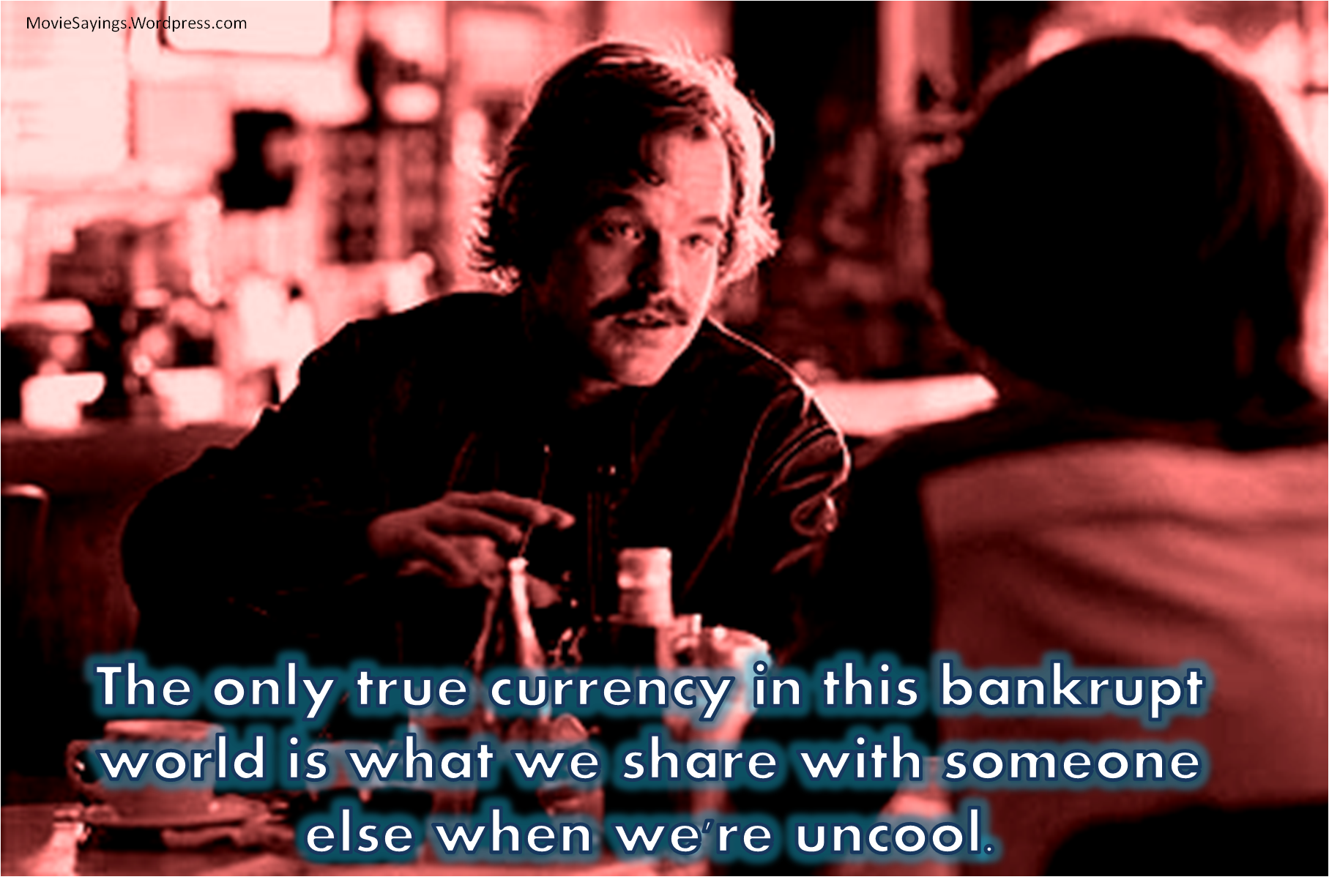
12. Don’t write about something because you think it’s cool.

almost_famous

Never write about something just because it’s popular or trendy, if it doesn’t interest you. People will be able to tell your heart isn’t in what you’re writing about, and you’ll come off as a wannabe or a hack, and certainly less than honest. Nothing will drive a reader away faster than if they sense a lack of passion or honesty in a blog post. It’s okay to be uncool and embracing your uncoolness in fact makes you cool.

13. Run naked in public sometimes.

naked

If you have been keeping an article set to “private” because you think it’s too personal and feel shy about sharing it with the world, take a deep breath and make it public! In my experience, whenever I’ve been afraid to post something due to its personal nature, I have NEVER regretted taking the plunge. It will set you free.

14. Controversial articles get more views.

jackass-whisperer

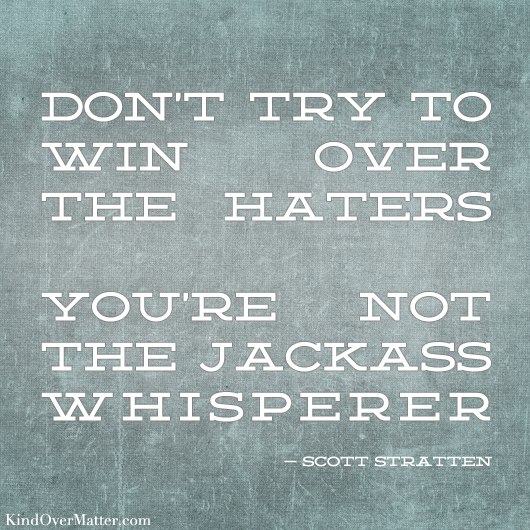
It’s a fact. I’ve posted several articles that proved to be extremely polarizing. People either loved them or wanted me to die a prolonged and painful death. Yes, posting something controversial or “un-PC’ WILL get you more haters, trolls and you may even have to face bullies, but guess what? My stats SOARED! That article TRIPLED my usual number of views for that week. Sure, most of them were probably clicking it on to see what all the fuss was about, but along the way, I got a ton of new followers too, and while my views have gone back down, my overall visibility has increased. And the trolls and bullies have moved onto other things. (To handle trolls and bullies, please check my articles under the “Handling Online Trolls and Bullies” tab.) I find it’s best to ignore them, but sometimes even a hater post can make great fodder for a new article, but be careful about identifying anyone by name because that could get you in trouble.

15. Check your grammar and spelling.

abckat3

This should be a no-brainer, but it’s surprising how many blog posts I see that are full of unecessary spelling and grammar errors. If you can’t write a proper English sentence, you probably should take up another hobby besides blogging. Theirs nothing mor disstractng & anoying than a sentenzes who no can read becuase your writting in bad grammer & falty speling.

A few other things to remember.

If you’re a new blogger, don’t panic if things go slowly at first. Don’t get discouraged, frustrated or give up because at first it will seem like no one is reading your blog. It takes time. Becoming visible and getting lots of views and follows takes some people longer than others. Dedication, patience and honesty will reap great rewards in time. Of course, if you write about a “hot” topic, like I do, that will help your growth too. But it isn’t necessary to write about something trendy. I don’t think the growth of this blog is because it’s “better” than any other–but because I’ve put so much time and effort into creating it.

Finally, you can’t “make” a post go viral. Unfortunately there’s no way to tell ahead of time which of your posts will grow legs and spread all over the web like wildfire. It could be a post you think is “boring” but somehow resonates with many people, or one you posted a long time ago. Maybe the “right” person sees it and helps get it out there for you. But when it happens to you, it’s an amazing feeling and makes you feel validated as a writer.

Bloggers’ block.

writers-block

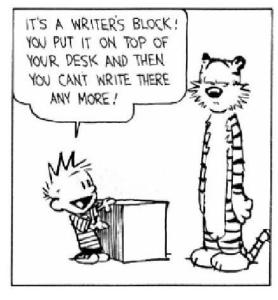
Every once in a while, writer’s block strikes us bloggers.    Sometimes even the most prolific writers just run out of new ideas. If you blog, how do you handle this form of writers’ block? Do you make yourself write something anyway, post memes or pictures as a substitute, reblog your old posts (or other people’s posts), or just wait until an idea pops into your head?   How long would you allow yourself to let your blog sit idle without adding anything new?   Share your thoughts here!

6 ways to turn things that annoy you into hilarious blog posts.

microwave_dinner
This ever happen to you? Yep, it’s beyond annoying. I bet you could write something funny about it.

Let’s face it. Annoying things are funny.   If you can look at the humorous side of the things that drive you crazy,  two things happen:  (1)  it no longer seems as annoying; and (2) you can write a great post that makes your readers laugh.   Some of my most popular posts–such as “12 Reasons Why I Don’t Like Autumn“– have been biting jabs at things I don’t like.

Here are 6 ways you can turn something that makes you want to stick white-hot steel pins in your eyes into something that makes your audience (and you) laugh.

1. First, try to find the funny side of whatever it is that annoys you.

Come on, you don’t have to dig that deep.  Almost everything has a funny side to it.  Most things that are merely annoying (as opposed to, say, tragic, where it might be hard to find a light side) are very funny indeed.   Hate morning radio shows? (I do.)  Make fun of them!  Talk about how idiotic they are or the way they never play any music.  Rant on about the way there’s always a dumb-as-a-bag-of-hammers female sidekick who gets paid to do nothing except laugh idiotically at Bubba and Ed’s lame jokes. Lampoon the way all the jokes are about celebrities and sex.  Or celebrities having sex.  Like anyone cares.

2. Don’t be afraid to use sarcasm.

If you’re good at it, that is. You should know if you are.  I’m one of those people that is not.  Snark and sarcasm don’t come naturally to me.   But if you’re good at it, that’s a plus because it can make your funny posts even funnier.     If, like me,  you’re not good at sarcasm and snark, skip it because you’ll seem like you’re trying too hard, and worse, come off as nasty and mean instead of bitingly funny.

3. Exaggerate!

exaggeration

“That Turbo-sized mug of Pumpkin Spice cappuccino she forced on me against my will smelled like cinnamon-and-clove-scented sewer” is a lot funnier than “that large mug of Pumpkin Spice cappuccino she gave me smelled terrible.”   You’re not lying; you’re embellishing the truth with colorful imagery to enhance its humorous effect. (Oh, and almost everyone  I know is fed up with Pumpkin Spice everything).

4Profanity can be useful, but use it sparingly.

I try not to use too many profanities in my blog posts, not because I’m some prudish church-lady afraid of “salty” language, but because most of the time,  it just makes you sound low class, mean, and uneducated. It’s also lazy.  There are usually better ways to  express frustration, anger, surprise, or whatever strong emotion you’re trying to convey.  That being said, sometimes a well placed expletive gets your point across more effectively than anything else, and you don’t have to worry about Those Words making you sound pretentious, as a euphemism might.   You can usually get away with naughty words if you’re writing something humorous–especially if it’s about something you find f***ing annoying.  It’s the surprise factor of seeing a four letter word there that sometimes sets off the guffaws.  Everyone can relate to the F-bomb (and well-placed,  it does act like a kind of bomb!), even if they don’t admit it.   Only use it once or twice though.  If you overload your post with profanities, you’ll probably just turn off most readers instead of making them laugh.

5. Make a numbered list.

Everyone loves lists–or “listicles,” as they have been recently (and annoyingly) called when they refer to lists on blog posts.   The human love of lists is the reason why back in the 1980s, “The Book of Lists” was a huge bestseller, and spawned a jazillion followup books.  It’s the reason why every article about writing engaging blog posts will tell you to “put it in a list.”    If you’re writing about something that annoys you, you can either write a list of all the different things that annoy you, or focus on one thing and list all the reasons why you hate it.

Lists are also a lot easier to write than regular prose, and easier to read too.

6.  Find funny images to illustrate your post.

I love Google Images, and I can almost always find the perfect image for any post I’m writing.   All you do is type in a few words describing what you’re looking for or what your post is about, and click on Images, and voila!  Then it’s just a matter of choosing the one that “speaks” to you the most.    There are some pretty hilarious ones too, for almost any subject you can think of.   Images, memes, cartoons, and funny photographs can make your funny post even funnier, but don’t overwhelm your readers by posting too many.  After all, you want your  own words to stand out, not have their effect diluted with too many funny pictures.  One at the top of your post, and maybe one or two others sparingly placed should be enough.  If you’re good at writing captions, do it, because sometimes those are the funniest things in a post.   If you love funny captions,  check out those on Cracked.com.  Theirs are the greatest.

*****

You can also turn things that elicit other disagreeable emotions in you (as long as they’re not “serious” emotions like sadness or grief) into comedy gold!   Try writing a funny post about things that disgust, bore, or scare you!    Here’s one I wrote called “25 Things That Gross Me Out.

11 ways blogging has changed my life.

keyboard

Next month will be Lucky Otter’s Haven‘s 2 year anniversary! It’s hard to believe I’ve been blogging that long. I started blogging only 6 months after going No Contact with my ex. It has become a real addiction, but much more than that–it was a game changer for me. My life is not the same as it was two years ago. Here are ten (plus one) ways blogging has changed my life.

1. I’ve become a much better writer. I’m rather embarrassed by how badly written some of my early posts were. I think I’ve honed my writing skills and use a lot less “purple prose” and unnecessary adjectives than than I used to–that has always been a huge weakness of mine when it comes to writing.

2. I’ve become more self confident and less shy. Writing about your thoughts and feelings teaches you a lot about yourself. You become more introspective and in so doing, realize a lot of good things about yourself, and that gives you confidence. You also get validation from others, and that boosts your self esteem. You also find out that most people aren’t going to judge you for things you thought were shameful or embarrassing. It takes a while to work up the courage to write about such personal things, but once you do, you realize that your words may have helped or inspired someone else and they will appreciate you for your honesty. This has translated into my real life to some degree–while I’m still shy and awkward in social situations, I seem to be a bit more outgoing and less awkward now.

3. I’ve made some wonderful friends. Although I haven’t met any of my blogging friends, I feel like we’re a family, and for a few of you, I feel as if I’ve known you all my life. Before blogging, I felt so alone and isolated, but in the blogosphere, I’ve found so many people who have stories similar to my own, have gone through similar kinds of trauma, and we’ve grown to care abut and support each other. We’re like the surrogate family we never had!

4. I’ve become more creative. Writing almost every day forces me to consult my “muse” and the more ideas I think of to write about, it seems the more ideas just come to me, and some of them are pretty wild! I go ahead and write about those crazy ideas too, and sometimes those prove to be my best posts.

Hello world. This is my very first blog. I’m not sure what the hell I’m doing yet or how the heck this thing (WordPress) works. I’m learning so please be patient with me.

–The first sentence of my first blog post, Lucky Otter’s Haven, 9/10/14


5. I’m a better person than I was. Writing about your deepest thoughts and feelings, and exploring painful memories helps purge a lot of the pain that was keeping me from moving forward into real healing. Writing is powerful therapy and I find that today I’m less depressed, less angry, less fearful, have more moments of joy and serenity, and have even become more outgoing. I’ve also developed a lot more empathy, which was almost unavailable to me when I began blogging.

6. A blog is a great record of how you’ve changed over time. It’s always fascinating (and a little horrifying!) to go back and read over old posts and see how much you’ve changed. It gives you perspective and clarity. I can tell by the tone of my early posts that I’m not the same–my early posts were a lot more bitter, angry, whiny, and cynical, and a LOT less spiritual (I was agnostic when I started blogging). I realize a lot of that attitude was because I was only recently out of an abusive relationship and was still in shell shock, but blogging has definitely helped me overcome that.

7. My computer skills are better. Setting up and designing my blogs has given me more confidence in my computer skills. I can do a lot of things on a computer I didn’t used to be able to and thought would be difficult but are really not.

8. Blogging has given me a focus and a goal. All my life, I never had a real goal and never really knew what I wanted to do with my life. Narcissism and narcissistic abuse has always been my primary topic on my blogs, but lately my fascination with this subject is expanding into my wanting to help others heal, whether from abuse or from narcissism itself. I haven’t decided yet whether I will write a book or become a life coach or therapist. Maybe both!

9. My faith in God has grown. God gave me writing ability for a reason, and as I grew as a writer and shared my thoughts and feelings on an increasingly intimate level, I found myself actually listening to what God was trying to tell me, and realizing how much he really does care. I found other bloggers like myself whose faith was also strengthened through the gift of the written word.

10. It’s fun. Blogging is so addictive, and I’ve never had a hobby I’ve been more passionate about. In fact, I never really had any serious hobbies until I started to blog. I always look forward to coming home from work, opening my laptop, and starting to write, or reply to comments, or read other blogs (when I have time). I get so immersed in blogging sometimes I actually forget to eat!

11. I make a little bit of money from blogging. I can’t quit my day job, but I make about $50 a month from ads that run on this blog. It ain’t much, but it pays for my gas for a couple of weeks or a nice dinner out once a month! It’s always a great feeling to get paid to do what you love doing the most–even if you can’t live on it. But I’d blog even if I had to pay to do it. That’s how much I love doing this.

Not ready to run with the big dogs.

big_dog_little_dog

I’m not ready to run with the big dogs in the blogging world yet–nowhere near.   This puppy still requires a lot from me just to stay alive from day to day.  If this blog tried to run with the big dogs now, it would probably get trampled and run home whimpering. Could be I’d even have to dress a few wounds caused by Pup’s overeagerness to join the grownups and alpha dogs.

I assumed my blog had reached a point where I could take a break from it for a few days and Google would do my job for me while I did other things.   After all, there are some popular posts on this blog that continue to get a lot of hits months and even a year or more (!) after they were first posted.     I thought these self-generating popular posts would keep my viewcount up without me having to maintain it in any way. I also thought because my Alexa rankings are fairly good (top 450,000 global; top 80,000 US)  and my view count per day ranges between 1,500 and 2,500 (it can go higher on good days, or when a post goes viral), meant I could be lazy for a few days or a week and just sit and do nothing at all and wait for the hits to come.   (I know, I know, Alexa is sort of lame and not the best measure of a blog’s metrics, but I don’t want to pay for Google analytics).

Wrong!   After ONE DAY of not posting, my stats are WAY down.   It was disheartening to open my blog today and find NO likes, NO new followers, NO comments, and an abysmal view count.   I felt like I did the second week of blogging, when I would open my blog and find…nothing.  All that hard work I put slaving over a post for hours to make it perfect in every way, only to wind up having an audience of one–myself.   Granted, these days some people are reading.  I have regular followers who always check for new posts.  So things aren’t as bad as when I was a newbie.   But it’s still disappointing when the only people visiting your posts are your regulars who always visit anyway.

This can only mean that Lucky Otter’s Haven isn’t quite ready to “work” on its own yet without my help.   It’s not The Huffington Post or Amazon or even Cracked.com, and even those sites require regular maintenance and new articles every day.   LOH still needs regular maintenance and lots of TLC from me, and it needs a stream of new posts every day (or at least one or two).    Out of those new posts, a few catch on and a very few even go viral or remain popular over time.  Not all of them do. In fact most of them don’t.

big_dogs_quote

My other blog, Down The Rabbit Hole (I jokingly refer to it as my “second child”), has very low visibility and has not grown much (if at all) since I started it 11 months ago.  But that’s because DTRH was never intended to be for anyone but myself and any friends who are actually interested in reading about my therapy sessions and learning what goes on inside all those nested boxes stacked inside my mind like a Russian doll or Chinese puzzle.   I have never tried to monetize Rabbit Hole and probably never will.  It wouldn’t qualify for monetization anyway–not enough traffic.    Rabbit Hole has a much more limited audience and I have no desire to make it “popular” because to do so would ruin the far more intimate, personal, introspective feel of that blog, which some readers actually prefer over this one with all its widgets, ads, filler, jokes, pictures, and fluff posts.  So, when I log into DTRH and find I got only 20 views that day and no new Likes or comments,  I don’t worry about it.  I don’t go out of my way to promote that blog either, being that the posts in it are so personal I really don’t like to share too many of them on social media.  It’s really nothing more than a personal journal that I happened to  have made public to anyone who wants to read the minutiae of my therapy sessions and my own healing progress.

Lucky Otter’s Haven is different from The Rabbit Hole–it’s a “I’m-a-victim-of-narcissistic-abuse-and-I-have-mental-problems-and-PTSD-resulting-from-that-abuse” kind of blog but it’s also a general purpose blog, with a little something for everyone.   Like music, all kinds? Check.  Like art and photography?  Check.  Like politics and social issues and want to hear my unasked for opinion on those? Check.  Like movie and book reviews? Check.  Like posts describing all my mundane daily activities, like what I ate for breakfast and how long the line at the DMV was? Check.  Like inspirational memes?  Check.  True confessions?  Check.  A little religion?  You’ll find that here too.  Want to look at photos of my pets? Check.  Care to look at my dilapidated and mismatched furniture and my less than Architectural Digest (or even less than HGTV) quality interior decor in my tragically outdated 1908 half of a farm house which is in dire need of major repairs?  Check.  Have a penchant to read snarky little essays about everyday things?  Check that too.  Curious to see videos of my son’s dance routines? Check.  Itching for a little controversy? Yes, you’ll find that here too.  Haven’t had your daily dose of schadenfreude?  This blog is full of rants and whines and even a little shameless self pity that should fit the bill.   Want to learn how to be a better blogger and while you’re at it, find out how to recognize and handle online trolls, bullies, psychopaths, and narcissists?  Got you covered.

After my narcissism posts, my blogging and writing articles are my second most popular kinds of posts.   I don’t think of LOH  as a “blogging advice blog,” but I suppose for some, it could serve that purpose if they wanted it to.   It’s a versatile blog and I think that’s a good thing.  No one has complained about that yet.

tom_sturridge

LOH didn’t become “general purpose” to get popular; I made it that way because lots of things interest me and there’s always some interesting and random thing going on, if you just are paying attention.   I also am opinionated and have opinions about many things, and this is my platform for spewing those opinions to the world.  I also get burned out sometimes on writing about narcissism and need a break to focus on things that are less dark and deadly-serious.

But I digress.  Those of you who follow this blog know I write about lots of things and from one day to the next, you won’t really know what to expect.   I think that’s a good thing and I think it keeps my regulars around.  But I realized after today that I can’t afford to get lazy and just let this blog float on its own, because chances are good it sink like a leaden rowboat to the bottom of Internet ocean, where algae, seaweed, barnacles, and general rot will take up residence on its rusting carcass.   It’s not famous like the ill fated Titanic (or as big), so no one’s likely in 100 years or so, to dredge it up from its sedimentary place of rest at the bottom of the Cyber-sea to explore its hidden treasures.

It’s only fate would be Just Another Dead Blog.

RIP

So maintaining activity on this blog is still something I have to keep working at.  I can’t take extended “vacations” unless I’m willing to watch my blog capsize and sink into the Underworld of the Dead Blogs.

Moral:  If you’re not a Big Dog yet, you can’t afford to be a lazy blogger.

Blogging is not for pussies.

Whoa! I have another guest post on HarsH ReaLiTy? I’m dreaming, right?

Comments here are disabled; please comment on the original post.

Why I love Twitter.

ilovetwitter

It wasn’t love at first sight.

When Twitter first came out, I didn’t get it.    I hated having to edit my thoughts down to 140 characters.   It seemed stupid and pointless to me.   As an INFJ who tends to like to ramble on and analyze everything down to its molecular structure, keeping my thoughts and feelings so constricted seemed impossible and what’s more, it seemed so shallow.  I had the idea that Twitter was nothing more than celebrities and other notable people with “verified accounts” “tweeting” about the most inane banalities of their glamorous, perfect, exciting  lives–and everyone else just trying to collect as many followers as they could.  What could you say in 140 characters?  Not much, it seemed.  Oh, how wrong I was, but I’ll get to that in a minute.

There might have also been something about its name.  “Twitter” and the term “tweet”  just seemed so childish and dumb.   But after all, a rose by any other name is still a rose.

I gave up on Twitter for awhile out of sheer frustration.  I wanted to be able to pontificate and ramble on as long as I pleased.  Blogging, of course, allowed me to do that.    But when I began to blog, I realized that sharing to Twitter is important in getting more views and exposure.    At first, I used it almost exclusively to share my posts, and rarely “tweeted” anything.  I still don’t really tweet a whole lot but I’m starting to more than ever before.

It helps you slim down “fat” writing.

I’m finally getting the hang how to use Twitter effectively.  It’s a skill you have to learn. I’m actually finding that the art of composing a tweet is a great exercise for writers who tend to write overly descriptive “purple prose,” like I do.   In a tweet, it’s entirely possible to still get a lot of “meat” in those 140 characters, but you have to cut out all the “fat.”   That’s something most writers can benefit from–getting down to the meat and bones of an issue.

Deep thoughts in 140 characters or less.

Some Twitter uses are masters at composing compelling, interesting, hilarious tweets that actually contain a lot more depth than you’d ever think possible.  Some are so good they’ve gone viral.   Some are even profound.   These tweets become quotable.   Sure, Twitter is also a platform for celebrities to blather on mindlessly about their charmed lives and for non-thinking nonfamous Tweeters to comment on the most inane, banal things you can imagine, but for many of us, especially those of us who write,  Twitter forces you to think first about what you have to say and say only what is important.  You learn to streamline your writing and organize your thoughts in a clear and direct manner.  It’s a real skill and it takes time to learn to compose a good tweet.

There’s lots more to love.

There are other things I like about Twitter too.    I can’t speak for others, but for me, I don’t have to worry about family members and people from other areas of my life outside my blogging life seeing my tweets (probably because so few people I know IRL even use Twitter).   Unfortunately on Facebook and LinkedIn I have that problem (the boundaries of different areas of my life merging together in a most unsettling way), so I can’t always share all my posts on either of those platforms.   There also seems to be very little drama on Twitter.   Again, maybe that’s just my own experience though.  My Twitter followers don’t like wasting their 140 characters to troll someone.

I also like the simplicity of Twitter.  It’s a lot easier to use and navigate than Facebook, which has become way too cluttered with apps, digital bells and whistles, ads, invitations for games, too many features, and just way too complicated overall.   Twitter has only what you need and that makes it a lot easier to use.

I also like the real time feel of Twitter.   You get news and relevant information quicker than on any other social media site.  My feed continually supplies me with teasers and links to news stories and articles that are in line with my interests.   If the tweet looks compelling, I can click it on and read the whole story, without having to slog through 1,675 badly written words to get the gist of what someone is trying to say.   It’s all right there in one or two concise lines and I can scan through my feed and choose what to look at right then and there.

I also like Twitter because it seems my posts get the most views and shares there (outside of Facebook, when I do share articles there, which is only about half the time).   I’ve also made more friends on Twitter that share my exact interests more than anywhere else.  People are always retweeting your stuff and most of my Twitter followers have found me and my blog that way.

Twitter isn’t just for twits.

I read recently that Twitter is having problems and its growth has been slowing, mostly because people just don’t “get” it.  Like I did at first, a lot of people have this idea Twitter is for shallow people with shallow interests. Again, it could be that name, which can be offputting.  Facebook continues to grow like a cyber-cancer swallowing up everything in its path, but in my opinion, it’s lost any original attractiveness it may once have had (if it ever had any), and has  become something vaguely unpleasant, like a summer cold or a surprise visit from the Jehovah’s Witnesses.  I try to avoid it when I can, which isn’t easy to do.

As far as other social media, I think there are limitations to their appeal.  I don’t use Pinterest or WhatsApp,  I have a Reddit account but don’t really understand how it works, Tumblr is basically just a blogging site (I do share my posts there too), Instagram is for photos, and  LinkedIn bores me most of the time and is even more confusing to use than Facebook.   Stumble Upon is fun and a great way to share your posts (and they do get views!) and also find articles in line with your interests, but it’s not a social media site in the sense that the others are.   If I could only use one social media site, I’d pick Twitter.  I hope it’s around forever.

On being controversial.

wrong-internet

I don’t write to people-please. I did enough people-pleasing as a scared, awkward child and a codependent wife to a sociopath. Those days, for me, are numbered. I blog to be honest about myself and the way I see the world. Being completely honest isn’t always easy, and there have been many times I haven’t posted something I really wanted to because I was afraid of how people might react. But my track record is pretty good, and usually my desire to post an opinion or viewpoint that may not be “popular” overrides my fear of angering or upsetting someone. Even if I hesitate before posting an unpopular or controversial opinion, more often than not, I’ll eventually post it anyway and worry about the fallout (if any) later.

Most of the time, I’ve been pleasantly surprised. I’ve had people actually thank me for posting a controversial or unpopular opinion, because as it turns out, there are people who feel the same way I do, but haven’t worked up the courage to admit it in public. They are grateful to know they’re not the only person in the world who feels a particular way. Other than those occasional words of gratitude, posting something controversial or unpopular has usually proved to be no more eventful than posting something that’s completely vanilla and inoffensive.

But occasionally, my posting something controversial has been met with anger and even hatred. I have my share of haters, but fortunately they are relatively few. Because I’ve always been a fairly non-confrontational person and also because I have such low self esteem and hate it when people hate me, at first the reality of having haters was hard to take. The first time I got skewered for posting something people strongly disagreed with, I was tempted to close up shop and stop blogging. My self-esteem and motivation to blog took a nosedive for weeks. I was extra careful to keep my posts as vanilla and bland as possible, so as not to offend anyone.

But being vanilla was boring to me. And I think it bored my readers too. My view count diminished, and after awhile of wondering where I went wrong, I realized that I was boring my readers because I was bored. I wanted 75% dark chocolate with chili powder and sea salt, and so did my readers, but I was giving them tapioca pudding because I was afraid of burning any tongues.

I’m not a shit-stirrer. I don’t write controversial things just to be controversial or to get attention. But I often have opinions that don’t go along with what’s popular or politically correct. Writing about these things, if I feel strongly about them, is exciting to me, because I feel like I’m sharing a point of view too often overlooked that I think deserves to be considered. I feel like I’m educating my readers, and sometimes they tell me my viewpoint was one they never considered before. That always makes me feel good. Telling them something nice and PC and popular doesn’t make anyone think. It doesn’t challenge anyone. It doesn’t rock their world. You can go on Google and find 3,654 other posts saying the exact same thing.

If you write honestly, from your heart, and you’re a thinking human being, you are going to have a few opinions that raise a few eyebrows (or even make a few hands curl into fists). And blogging, good blogging, is about honesty, even when it’s un-PC. Frankness and the courage to speak out about how you really feel is what makes a blog popular, even if the opinions stated always aren’t. As a bonus, you’ll get a lot more traffic too. And while you’ll get a few critics and even a few trolls, most of that boost in traffic will be from people who agree with you.

What to do the next time you can’t think of what to blog about.

sleepy_snoopy

Take a nap. It works for me about 90% of the time. Usually I wake up with at least one great idea for a blog post.

When I got home from work tonight, I had no idea what to write about. I was tired so I took a nap and now I have two ideas–this post and the one I’m about to write, which will be a lot longer.

Your brain is like a computer. While you sleep, your brain performs maintenance tasks–the biological equivalents of defragmenting and disc clean-up. More space is allotted in your conscious mind for ideas to bubble up from your unconscious mind that were trapped there before and you couldn’t access.

It always surprises me how often I’ll wake up from a nap with some idea I’m just itching to write about, but before I went to sleep it just wasn’t there.

So next time you can’t think of any ideas to write about, try taking a nap. I bet it will work for you too.