Our pets know how to be happy. They never worry about the past or the future; they always are completely in the moment, which I think is the key to happiness.
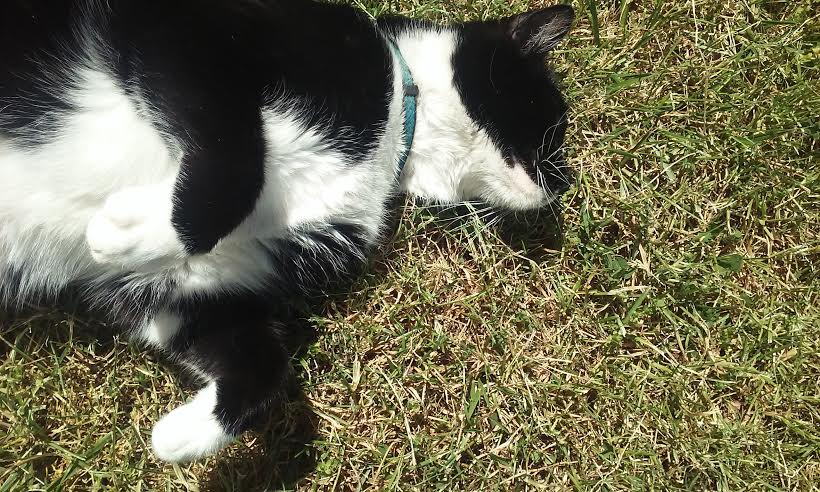
Here’s my tuxedo cat, Sheldon, enjoying the scratchy spring grass. I think if he was physically capable of smiling, he would be doing just that. You can click on the photos to get a closer look at this goofy little guy.
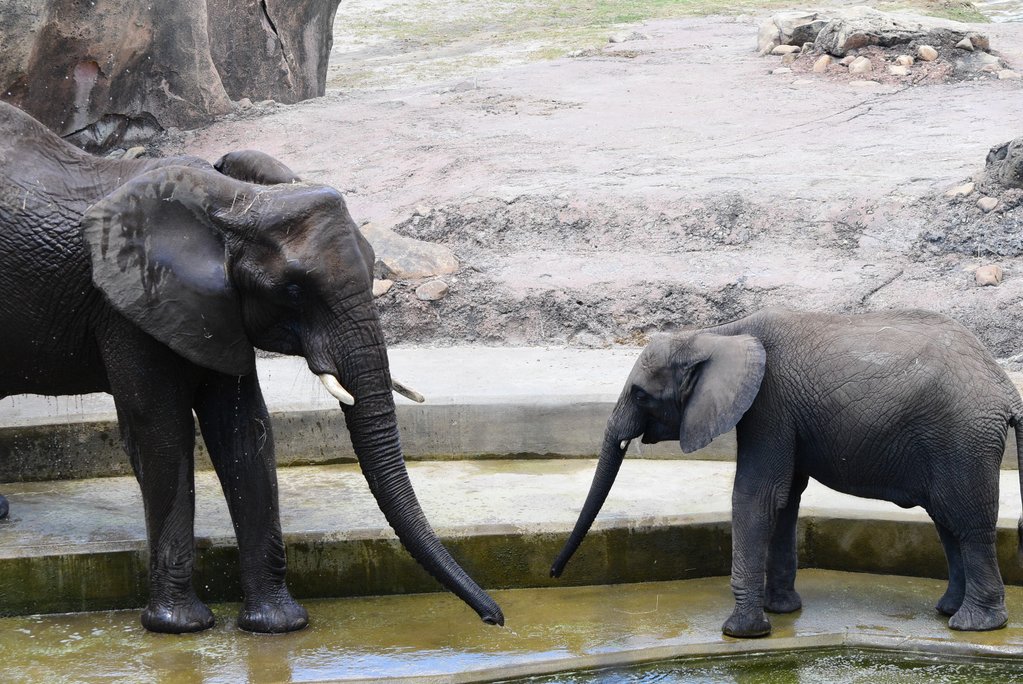
I got off early today and my son, his friend Ryan and my daughter came by to pick me up, and we drove out to the WNC Nature Center in East Asheville (Oteen). Four of us; four cameras popping. The day was a bit cool but otherwise perfect, and the animals had just woken up from their daytime meal and were just beginning to become active (though the cougars still seemed a bit lazy).
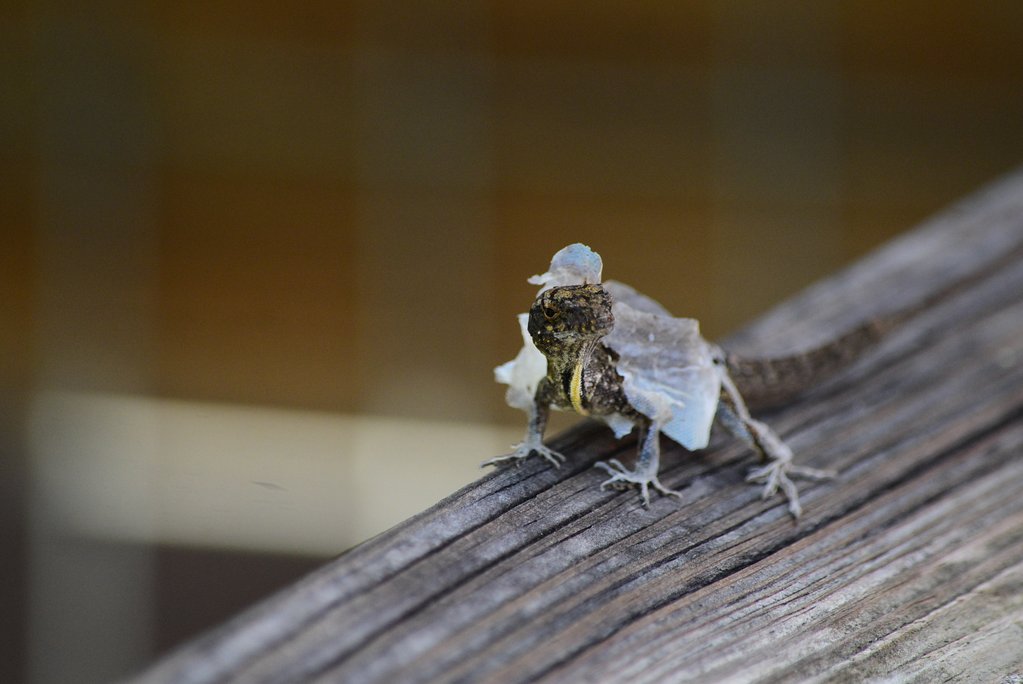
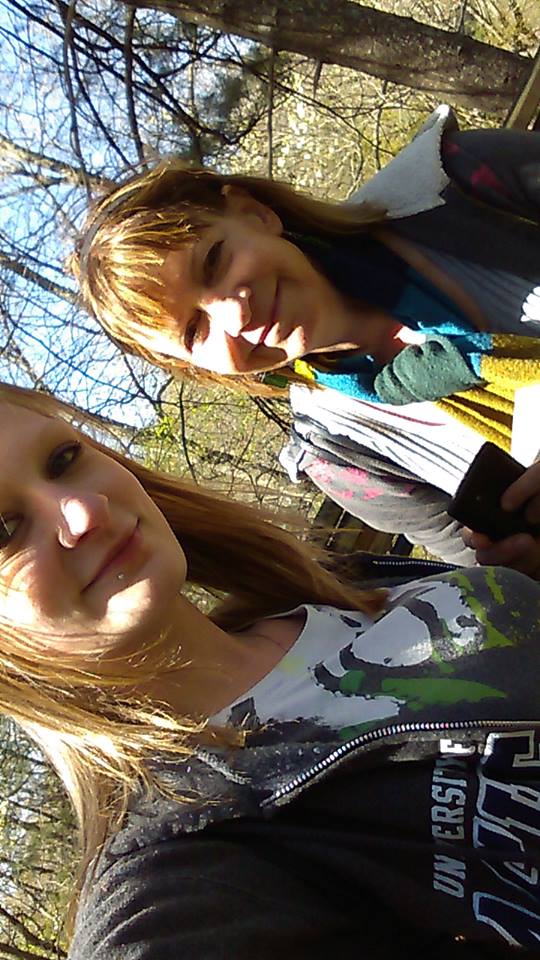
I took a lot of pictures, and they are in no particular order because there are just so many. So I just peppered them throughout this post. I haven’t given them captions either. I also included some photos ofmy daughter, son, myself and Ryan. The “prism” photos of my daughter and me were a total accident–I’m not sure how that happened but they are cool so I’m posting them.
CLICK ON PHOTOS TO SEE FULL SIZE
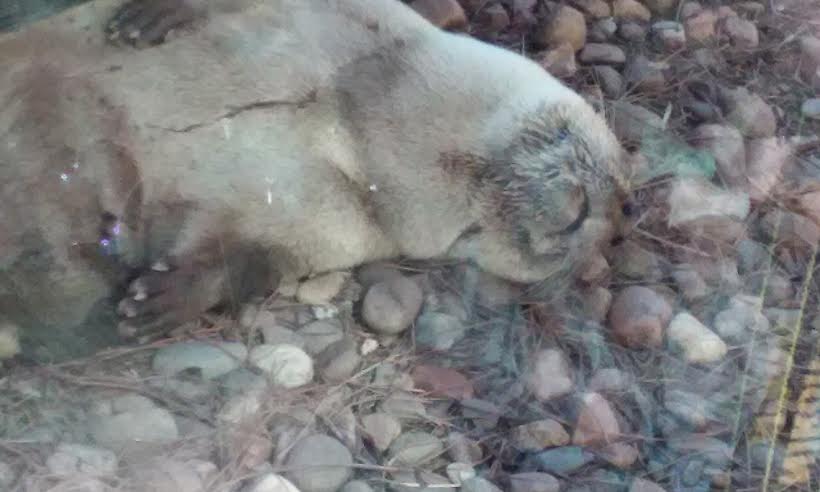
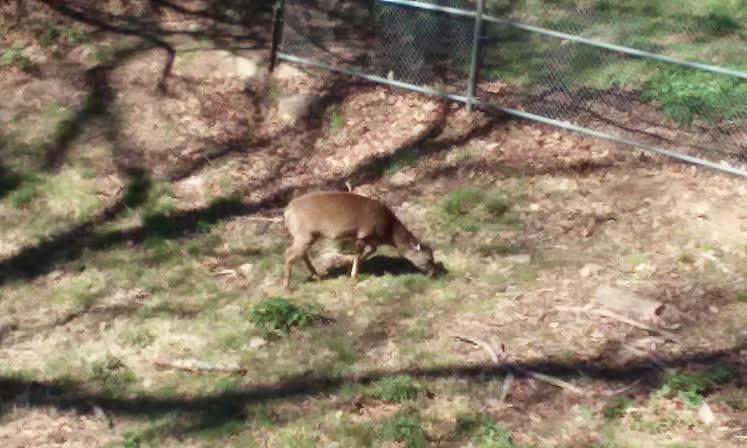
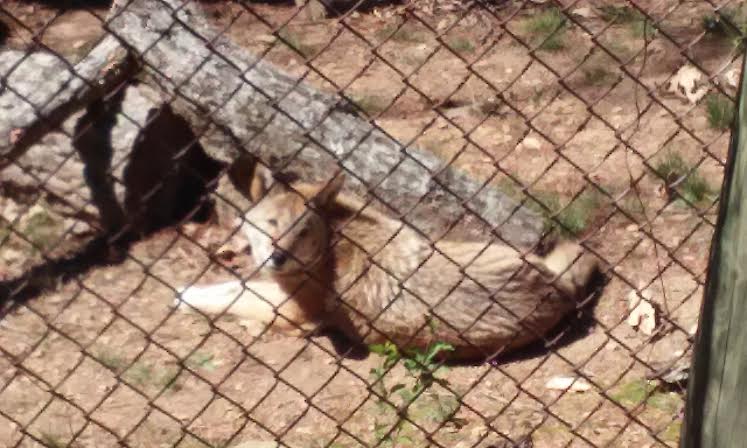
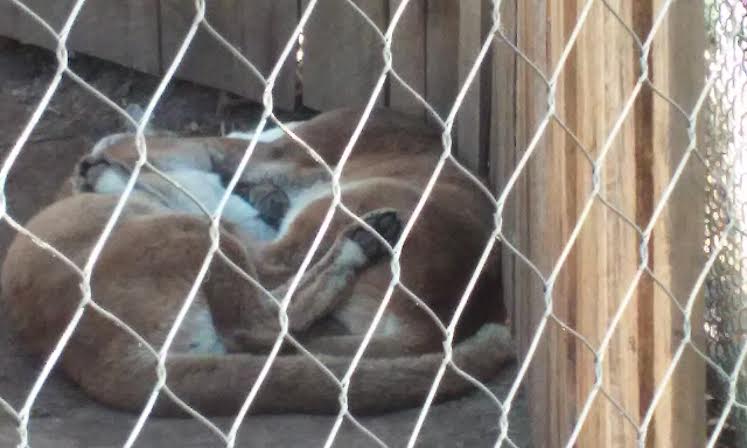
We wanted to see the snake and reptile house too, but they were closed for renovations. We probably spent a good two hours there. We saw all sorts of animals indigenous to this area–otters (pretty much everyone’s favorite), giant turtles, birds of prey (I got photos of the owls), wolves (they were still sleeping and are hard to see because of their camouflage), coyotes (one came right up to the fence), foxes (they were very hard to see and too far away to get good photos), cougars (the adorable male and female pair was cuddled up together), and of course the petting zoo animals (goats and donkeys). We also saw deer and a caterpillar web. I got a pretty good closeup of that. I wanted to see the black bears in action but they seemed to be AWOL today.
We spent about two hours at the Nature Center, and then we all went to eat at O’Charley’s. My son’s friend Casey joined us. I don’t think I’ve ever been so hungry in my life. After our early dinner, we caught the 7 PM showing of Zootopia. I’m finally home, and exhausted, but in a good way. Tomorrow’s his last day here. We haven’t decided what we’re doing yet but it will probably be a less active day.
Emotions are the first language we ever speak. Their expression is a pre-verbal language that is gradually replaced with words as we grow out of infancy. All emotions are really just energy moving through the body (though I think they originate in the soul). This movement is expressed through various physical reactions as the emotion moves out of us–laughter, crying, sighs, various non-verbal sounds, wiggling or jumping up and down with joy, trembling, and various expressions of anger (of course we need to be mindful of this one). This idea of emotions as a language isn’t my own; it’s been suggested by others, but I think I would have come to that conclusion on my own sooner or later.
Babies and animals (especially higher level mammals like dogs or monkeys) don’t have words, but they are very good at communicating their feelings and needs. In fact, they are better at this than adult humans, because there is no pretense and no words to mask or obliterate visceral emotion. With a baby or an animal, what you see is what you get.
We don’t begin to have problems with this until adolescence or sometimes later childhood, when spoken language has become fluent. You don’t see a toddler or a dog presenting a false self or hiding their real feelings. Unless abused early on, there is no shame in their emotional expression. An animal or an infant will not lie to you, manipulate you, or tell you they are happy when they’re anything but. That’s because they don’t have the language behind which it becomes possible to hide.
Babies cry to communicate. We may not like it when they do, but it’s the most important way they communicate. It’s really just a pre-verbal language that helps them get their needs met. Of course they could be crying because they’re uncomfortable or in pain, but they also cry when they need nurturing and just need to feel attached to Mom. Most of us are naturally drawn to comfort a crying baby, but really, they are just telling us about their physical and emotional needs that in a few years might be expressed by, “I’m hungry” or “I’m angry” or “I need a hug” or “I feel lonely.” It’s not always “bad” when a baby cries, although it seems so to us, and we want them to stop. Babies also use their whole bodies when they cry. As the emotion moves through them, their entire body responds. They kick their legs, punch the air, and howl. When an adult expresses strong emotion, such as crying (and sometimes laughing), they tend to hold themselves back to some extent, only letting part or none of their body respond to the emotion. Babies also wiggle when they’re happy. Do you know of any adult who wiggles or jumps up and down with joy? It’s something we outgrow as adult, but is that really necessary? What’s really wrong with wiggling or running around the room with happiness or sobbing with abandon?
When a dog sees its owner, it will bark excitedly and jump up and down with joy. If it has misbehaved, it will show its guilt (and I’m convinced that dogs DO feel guilt and shame). If it’s sad or afraid, it whimpers and its whole body trembles. It doesn’t need to say “I’m sad” or “I’m happy” or “I feel ashamed.” Its body and face says it better than any words ever could. That’s why I think people relate to dogs so well. Dogs represent our own emotional natures, that to a greater or lesser extent, almost all of us keep behind wraps most of the time.
I’ll never forget the time I was helping a friend pet-sit. The owners had a dog and a cat, and while we were there, the owners came home. When the dog heard the key in the lock, he began to bark excitedly and jump wildly at the door, intermittently spinning around in circles, wagging his tail crazily and practically tripping over his own oversized feet in his excitement. When the owners came in, he practically knocked them to the floor, licking both their faces happily. Even the cat went nuts with happiness, rolling around ecstatically on the floor in front of them. He also ran up to the owners, purring loudly and meowing. Do you know any people over the age of 6 or 7 who act like these animals did during a reunion?
Of course we don’t want to become babies or pet dogs and cats, but they have a lot to teach us about authenticity and the courage to be emotionally vulnerable.
I’m in no way trying to imply that language isn’t a good thing. We evolved it for a reason. Language makes it possible for us to use more of our minds and make new discoveries. It’s the reason we can write a symphony, a novel, or make new scientific discoveries. Good language skills are an indicator of high intellectual ability. Words can also be great tools for genuine emotional expression. But when we grow up and start to use language completely in place of bodily emotional reactions to communicate, we throw out the baby with the bathwater. I think schools are responsible for a lot of this. Schools–like work environments–discourage the honest expression of emotions. We begin to hide our true feelings.
Of course, bad parenting that fails to mirror a child’s true feelings does the same thing and is even more damaging because it happens when the child is still pre-verbal. A child whose emotional needs have not been met and who isn’t mirrored when very young becomes ashamed of their emotions and tries to hide their vulnerability. In some cases the damage is so great the person develops complex PTSD or a personality disorder. We need to find ways to be emotionally honest without reverting to a preverbal, infantile state. I think we’d also be not only more emotionally healthy, but also more physically healthy if there weren’t so much shame attached to emotional expression. Numerous studies have shown that chronic illness later in life is linked to repressed emotions. I think what happens is when they’re not allowed to move through the body naturally, they get trapped in the body and can make you sick.
To help us get there, I recommend watching anything by Brene Brown, an author and public speaker who thinks that vulnerability and authenticity are things we modern humans need a lot more of. Her most popular video is “The Power of Vulnerability.” Many people have said it has completely turned their lives around.
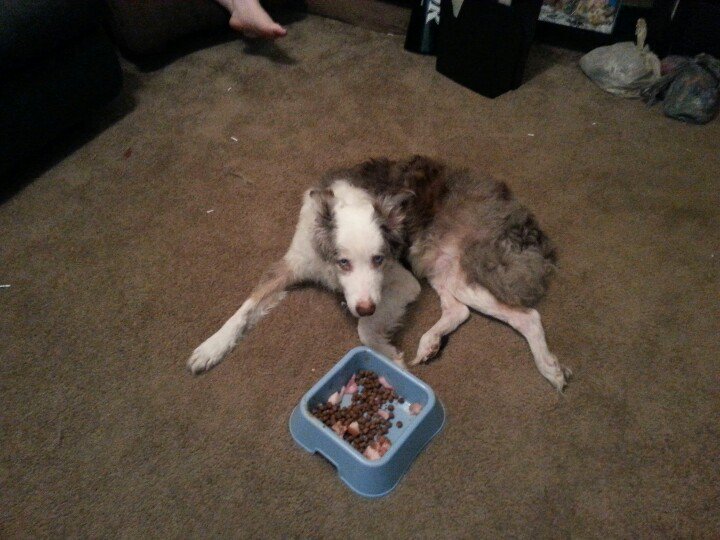
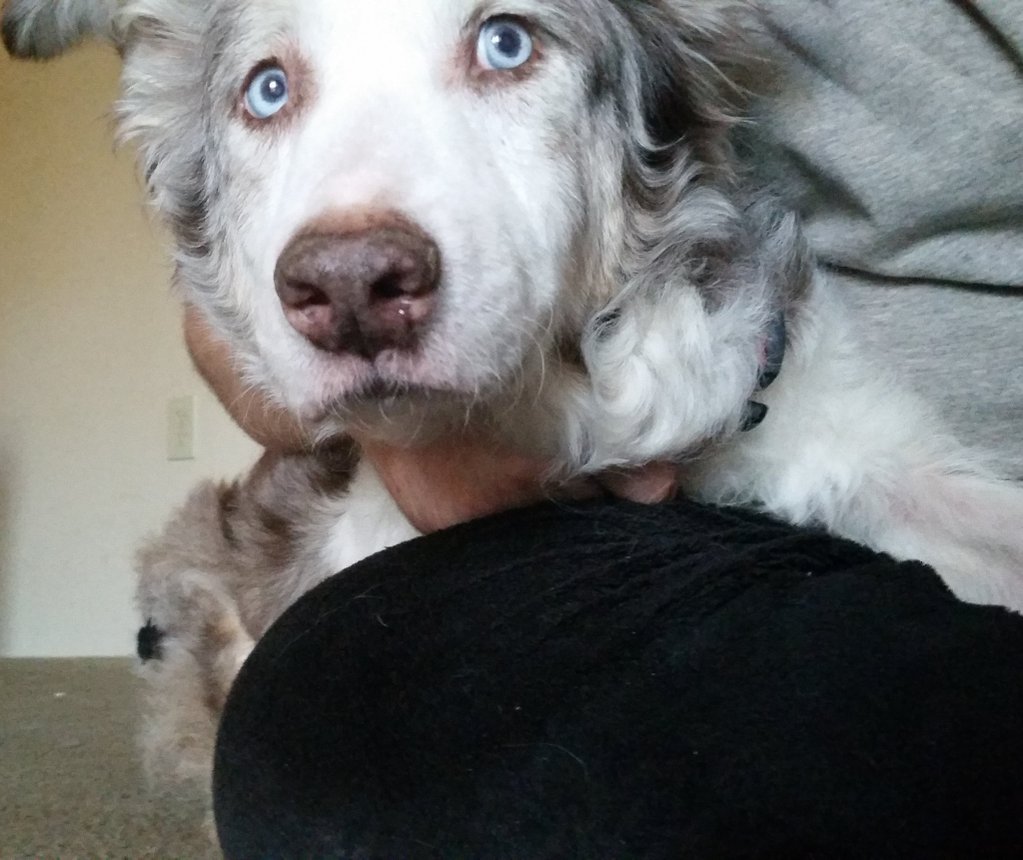
I just found out my son’s 16 year old Australian shepherd, Sammy, was put to sleep today. He said this morning, Sammy couldn’t even get up, wouldn’t eat, and there was a tumor he wasn’t aware of growing on his paw pad. I’m crying for real right now.
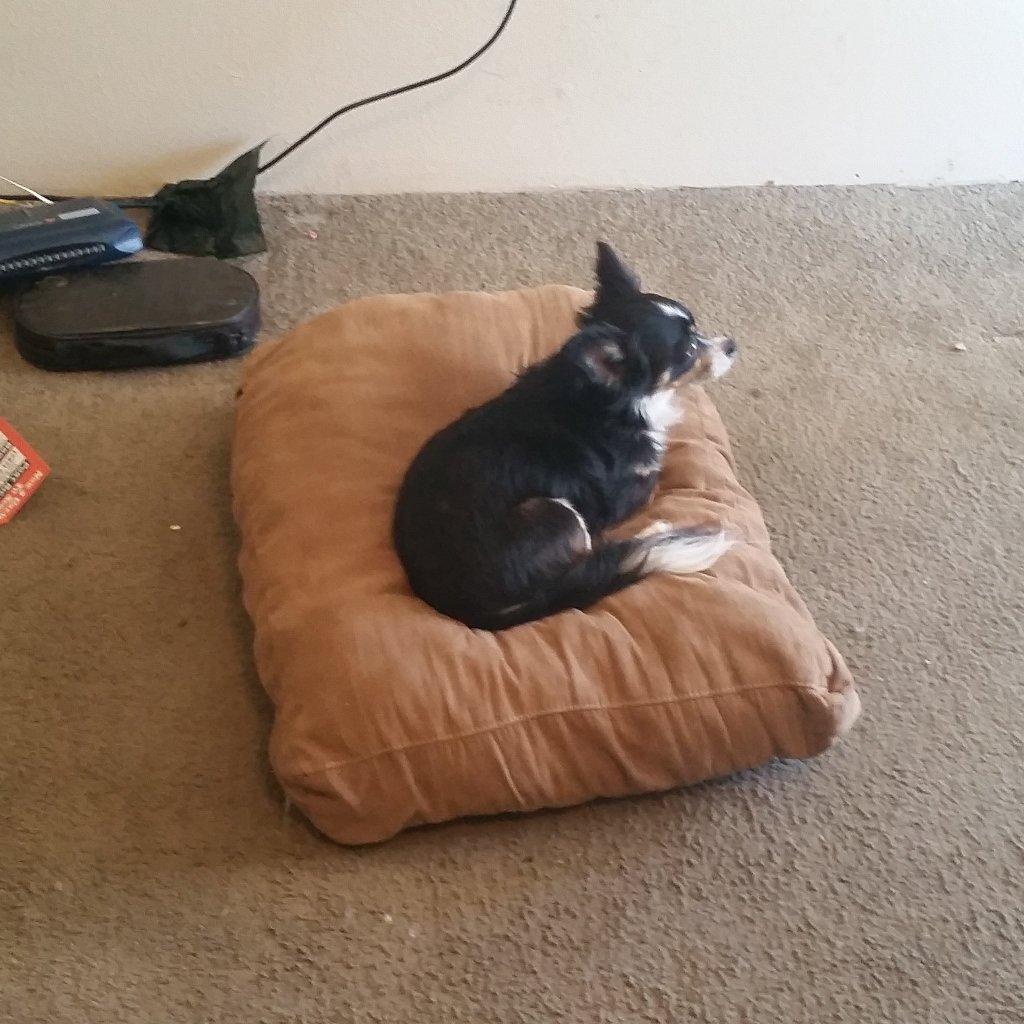
Here are the last pictures of Sammy, both taken today.
RIP Sammy.
I think this day just needs to be put to sleep. I’m probably just going to go to bed early.
My daughter posted this on her Facebook today. That’s her kitten Zelda up there at the top of the tree. Maybe she thinks she’s an angel. NOT! Click to enlarge.
While there aren’t official psychiatric diagnoses for dogs, I think dogs (and other pet animals) can and do develop psychiatric conditions, including the canine equivalent of the personality disorders. As in humans, “personality disorders” in dogs develop when a dog has been abused or neglected, usually in puppyhood. Neglecting a dog is just as bad as abusing it, because they are social creatures who need “mirroring” from their humans and regular social interaction. Without these things, a dog can become aggressive, aloof, or learn to fear everything and everyone. Since disturbed dogs do not make good pets, they are usually euthanized.
Because dogs and other pets aren’t capable of higher level reasoning, there’s no doggie equivalent of a “false self,” gaslighting, triangulation, or splitting, but we do find manipulative, attention-seeking, unpleasant behaviors.
Here’s an article about the behavioral problems dogs can develop. Next to each item, I’ve named the personality disorder that would be the human equivalent for that behavior.
Selfishness and Aggressiveness: Some dogs aggressively guard their food and possessions, and bite any dog or human foolish enough to challenge them. Antisocial Personality Disorder.
Impulsiveness: Some dogs are very impulsive. They impulsively run off chasing after something at the slightest provocation. Often this behavior either gets them lost or run over by a car. Antisocial or Borderline Personality Disorder
Dominance: Some dogs are very dominant and literally control their submissive owners. You will see these dogs pulling their owners around on a leash, or involved in some other power struggle with their owner. Antisocial or Narcissistic Personality Disorder
Fear or Wariness: Some dogs are very fearful and wary of strangers. Some fearful, shy dogs eventually learn to trust their owner. However, other fearful dogs never learn to trust their owner and remain wary, aloof and distant. Schizoid, Avoidant, or Dependent Personality Disorder
Separation Anxiety: Some dogs become hysterical when their owner leaves them. They howl or tear up furniture in a fearful rage. Some dogs bloody themselves trying to paw through walls or smash through glass doors trying to reunite with their owners. Borderline Personality Disorder
Attention-Seeking: Some dogs constantly demand attention from their owner. Yet the more attention the owner gives these dogs, the more excited and attention-seeking they become. The end result is that these demanding dogs are always jumping up on their owners or otherwise pestering their owner for more attention. Borderline, Histrionic, or Narcissistic Personality Disorder
Lack Of Affection: Owners want an affectionate dog that loves them. Unfortunately, some dogs never warm up to their owner and remain aloof and cold. In addition, other dogs never learn to trust their owner, and remain suspicious and isolated. Paranoid,Schizoid or Avoidant Personality Disorder
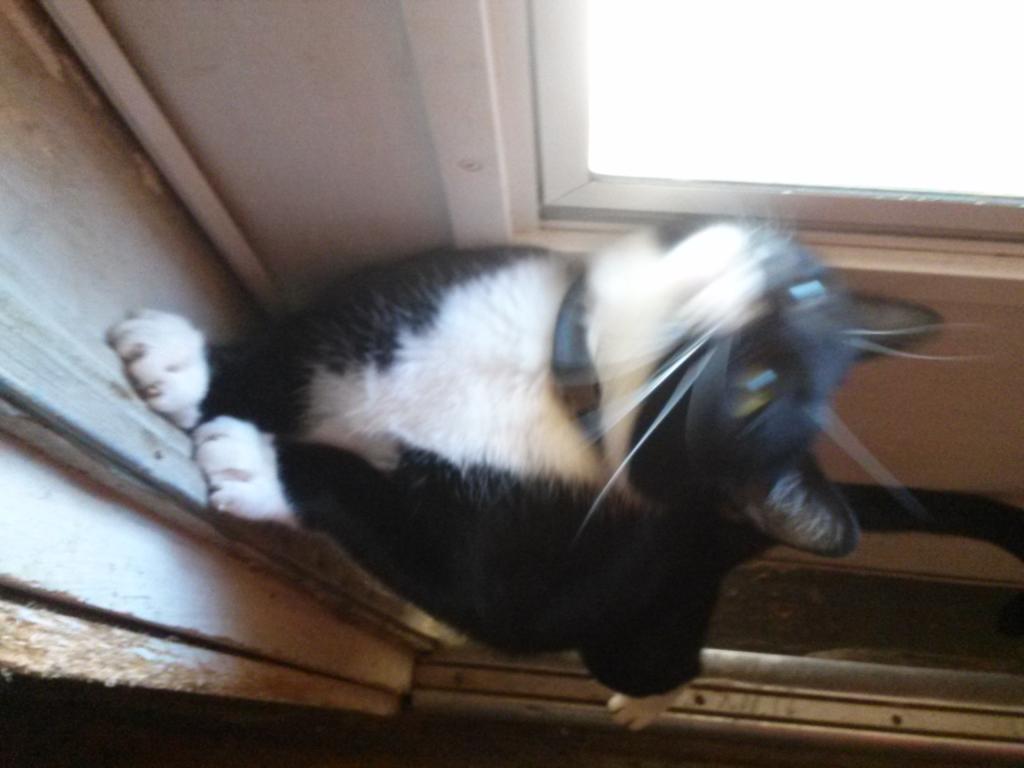
Not a good picture, but the best one of him I could find. He’s always moving, so it’s hard to get a good shot.
In the past 4 months, the number of cats living with me has gone from 5 (plus one dog) to just 2. In July, Chunks passed away suddenly, and then Mr. Biggles, Babycat, and Dexter (the dog) all went to live with my daughter and her fiance. My housemate, Stacey, took her cat Isaiah to Florida with her last month (and by the way, I’m still looking for another housemate–the guy who was here moved to the upstairs apartment).
Now Sheldon, my tuxedo cat, has been gone for two days. Stacey actually trained him to come when he’s called and since she left, whenever I call him in for the night, he comes running. So I know something’s wrong because he didn’t come home last night, and wasn’t here in this morning and still isn’t back. 😦 I’ve called and called him, and looked everywhere and he’s nowhere to be seen. I’m starting to get really worried. Sheldon has lived with me for 4 years, going on 5, and while it’s not the first time he’s been gone this long, it’s the first time since Stacey was here.
So everyone, please keep Sheldon in your prayers that he returns safely.
ETA: About two hours after I posted this, Sheldon showed up wanting dinner! Now I’m gonna kill him.
Thanks, everyone! 🙂
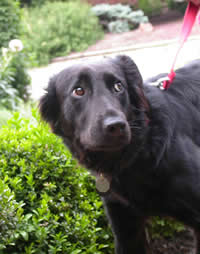
I wish I’d snapped a picture of Khyna while under my care, but this photo of another dog looks very much like her.
Sometimes an animal, in this case a beautiful German Shepherd/Golden Retriever mix, can turn your day around and make you realize what is really important.
All morning a strange golden dog with pointed ears had been nosing around my yard. She sat on my porch whimpering and started to scratch at the door. I looked outside to see what was going on, and I saw her sitting there at the door, looking at me with sad brown eyes. She started to whine a little, and then got up and walked around my porch, looking confused.
I squatted down in front of her. She seemed friendly. Definitely someone’s pet. I noticed she was wearing a collar with some metal tags. Her name and address was embossed on one of the tags: Khyna (pronounced Keena) allowed me to look, and then licked my face! She needed me help her get home. For some reason, she (or God) had chosen me!
I noticed the address was in a new development up the road, not far away at all. I happened to have a retractable leash that we had used for Dexter (who never could learn to walk on a leash properly) and Khyna sat down obediently while I attached it to her collar.
I liked this dog. I decided that if the owners didn’t want her anymore, I would clean her up (she was all muddy from having been out in the nonstop rain) and take her in until other arrangements could be made, or I might just decide to keep her myself.
We walked together in the pouring rain. I didn’t even mind the gloom or getting wet. Khyna stayed right by my side, not pulling on the leash or hanging back. She stayed slightly ahead, as if leading me, even though I knew now where she lived.
We turned into the development and she moved a little faster. I think she recognized we were close to her home. As we approached the cul-de-sac where her owner’s home was, a man pulled up in a Jeep and rolled down the window. He was grinning like he won the Lotto.
“OH MY GOD! You found Khyna! My wife has been worried sick about her. I just bought her flowers to cheer her up but now I can give her the flowers and Khyna back too!”
“She’s a beautiful dog. Very sweet too,” I said.
“That she is,” the man said proudly. I could tell these people loved this dog and she had just gotten lost and come to me for help getting home.
“How long has she been gone?”
“Since last night around 8 PM. She likes to run off sometimes.”
The man pulled into his driveway and I unhooked Khyna from her leash. She bounded off into the open garage as the man opened the side door for her to go in the house.
He turned back to me. “Thank you so much. You have no idea how much this means to us.”
There was no cash reward, but the happiness and look of relief on the man’s face was all the reward I needed. And his wife would be happy too.
I walked home through the rain, feeling like I’d just won a million dollars. The sun might as well have been shining.
Sometimes doing something kind for a stranger can turn depression around.
Especially if it involves an animal.


























 Lucky Otters Haven