A Beachside Affair (guest post).

Here is another guest post by the same writer who contributed “The Narc from Costa Rica.” Again she has asked to remain anonymous, but I think this story does a better job of describing the narcissism of a man who seemed to be extremely romantic. Talk about a whirlwind romance!

It’s common for narcissists (especially somatic ones) to act very romantic in the beginning of relationships. But the problem is, it’s an ACT. They can sweep you off your feet with their charm, declarations of undying love (which are lies), seemingly endless desire to make love to you, and gifts of wine, candy and roses. They also can move in very fast, and it’s not uncommon for one to propose marriage very soon into the relationship. (There are other narcs who are relationship-phobic, usually the cerebral type.). My ex proposed only three months after we met. He was cerebral though, so not all “romantic,” fast-moving narcissists are somatics.

The man in this story, Michael, seems to be a covert or “vulnerable” narcissist. They can seem to have very deep emotions and be quick to express their insecurities and vulnerabilities, but they’re still dishonest and manipulative, and they still have no empathy and will leave you in a heartbeat if a better source of supply comes along. Covert narcissists can be more dangerous than aggressive (classic) narcissists because you never see what’s coming. They can completely fool you because they seem to need you so much.

A Beachside Affair
By Anonymous

summer_love

My whirlwind relationship with Michael lasted for only 3 months. It was a summer love, like something out of the movies. Our affair ended abruptly, leaving me completely gutted emotionally and even physically. It was as if he’d ripped my heart out and taken it with him, leaving me with a huge hole inside my soul.

I met Michael on the beach. We quickly became obsessed with each other. He was like an addiction to me. I went to work during the day and all I could think about was Michael. I’d go home and polish myself from head to toe, making sure I looked and felt as beautiful as possible. Before I met Michael I just didn’t feel good. I was in a failing marriage to another narcissist. My husband ignored me. He never talked to me and I was dying inside. I remember that I’d go home and get drunk on wine, just to blur out the feelings of emptiness I felt from my husband’s coldness, on top of having suffered an empty childhood and adolescence due to having been raised by a narcissistic father and a borderline mother who wasn’t much better.

I knew having an affair was wrong, but at that point I no longer cared. I needed to feel loved and needed. Michael fit the bill perfectly, at first. I remember the day I met Michael. He was beautiful, his tanned muscles shimmering and rippling in the sun. We talked for a little while and before long he started to kiss me and held me for 4 hours straight, as the sun went down over the ocean.

After that heady experience I made a decision to leave my husband because I no longer could stand being with him. There was just no comparison.

I’m not sure why Michael had me under such a powerful spell. I’m not sure if it was inverted or covert narcissism or codependency on my part that made me so attracted to him. I know he mirrored my own narcissism and I think that was part of the attraction. Or (in my thinking at the time) maybe it was just that we were both artists that craved something more and we needed attention and had a burning desire to express our vision of life through our art. All I know is that when the two of us got together we melted together like butter. All the love that I never got, all the love I craved and all my neediness was being filled by Michael and I couldn’t get enough of him. He was everything to me.

beachside_romance

Michael had an apartment in a very famous town in coastal New Jersey that was known for its rock n roll legacy, especially Bruce Springsteen. Famous bands played in a place called The Stone Pony in Asbury Park. Back then, over 30 years ago, the town was run down and almost abandoned. The Stone Pony was the only thing that held the weak fabric of this town together. But I loved it there. This run down seaside town was always beautiful to me because I always felt like this was my home. I still do. I knew that one day I’d play up on the same stage where other famous artists had played. There was fire in my belly. A void that needed to be filled with a whole lot more than a man’s love. If there was an Angel on Ocean Avenue, she was certainly watching over me.

Micheal was an art student who had nude sketches of himself all over his wall. He played the guitar too and we often played music together and I would sing. I use to stay at Michael’s house every night. We went to parties at the homes of mutual friends we had met out on the beach. The bonfires were wonderful and we would all sit around and sing songs. We sang Beatles songs and Bowie songs and I felt like a reincarnated hippie. My favorite song we sang was David Bowie’s “Space Oddity.”

“Tell my wife I love her very much…she knows.
I’m here and I’m floating in my tin can.
Far above the world. Planet earth is blue and there’s nothing I can do.”

beachside_romance2

There was magic and presence and energy and the love in all the people we met at these parties and on the beach. People liked to watch Michael and I, because they were intrigued by our obsession and need for each other. We vicariously fulfilled their need for romance. I felt so validated, loved, sexy and happy. It seemed too good to be true and it was. This couldn’t be real life. It was too perfect.

We were a study in contrasts physically, and I think that’s another reason for the fascination our friends had for us. Michael had beautiful blue eyes and long blonde silky hair, and a great body. I had long black hair and lots of curves. People liked to photograph us together. We use to sit down in front of a long mirror in his room and stare at the contrast. We made each other feel beautiful. And together, we were. At that time it seemed we were good for each other’s self-esteem. At the county college Michael was studying for an Associates degree in graphic arts we were both asked to pose nude for $10 dollars an hour for the students who sketched still lifes in the human anatomy drawing class.

Michael’s background was sad. He told me that he was beaten by his father with a belt consistently during his infancy and his dad was also an alcoholic. Michael was depressed and he had to take psychiatric medication to fight his depression from the abuse he endured as a child. I remember watching him go into this weird state where sometimes seemed almost frozen and off in some other universe (dissociation is a common symptom in people with NPD and BPD). When in these near-catatonic states, he’d punch the floor or the wall over and over again, sometimes lasting for up to 20 minutes. It was sad and very scary. He was not mean or malignant though. He seemed like a gentle, artistic soul who just couldn’t take care of himself. He was never controlling, but seemed very needy for my constant attention and love. I think he was a covert narcissist.

Our affair came to an abrupt end at the end of that summer, because Michael left me for another women who said she was in love with him. She was willing to pay the rent on his apartment. So in the end, he chose money and security over me. I was devastated because the drug of my addiction to him filled me all summer and was suddenly ripped out of my heart in an instant and the devastation and grief was almost too much to bear.

But if I’d known about narcissism, I would have known Idealize and Devalue is all part of their game. They can’t help it. Even covert narcissists are at heart predators out to use you and throw you away when you’re no longer of use to them.

My next phantom lover was a drummer named Karl. I was so needy that I of course fell into the hands of another narcissistic man. And so it goes on…

23 signs you’re secretly a narcissist masquerading as a “sensitive introvert”

covert_narcissism

Ruji posted a link to this article from Scientific American and I thought it was so interesting it deserves a blog post of its own. (It’s also quite funny.)

Ever known anyone like this? Of course you have. He’s the nerdy bookworm you know who always talks (proudly) about what an introvert, INFP, or HSP he is, but always changes the subject when you have a problem you want to talk about or is suddenly “too busy” when you need help moving.

She’s your long-suffering, martyred mother who constantly whines about how much she does for you and how unappreciated she is.

She’s your quiet coworker who cries at the drop of a hat but complains loudly when others are given credit, rewards or praise and she isn’t.

He’s the sensitive songwriting hipster who writes confessional ballads about heartbreak and rejection but treats his girlfriend like a piece of furniture or sometimes a punching bag.

All narcissists are highly sensitive about themselves and cannot tolerate criticism, rejection, or being ignored. They are all very easily hurt and cannot laugh at themselves. But all narcissists–whether covert or grandiose/aggressive (the more traditional type recognized by the DSM)–lack empathy, which means they are highly insensitive to the needs of anyone else. The difference between an grandiose/aggressive (traditional) narcissist and a covert one is a matter of, well, grandiosity and aggressive behavior. An aggressive or grandiose narcissist believes they are special, unique, better than everyone else and demand to be treated as such (and will rage and attack if they are not), while a covert narcissist believes they are beneath contempt and expect everyone to give their problems #1 priority (and are more likely to sulk and whine than overtly attack). But make no mistake–both types of narcissists are emotional vampires because both think they are the most important human beings on the planet and manipulate and abuse others to get what they want, even though one advertises their emotional vulnerability and low self-esteem and the other masks it behind a facade of stoic invulnerability. Covert narcissism has been referred to elsewhere as “vulnerable narcissism.”

Reading this, a question formed in my mind. The items on the test for covert narcissism seem suspiciously similar to many of the characteristics of BPD (except for the introversion, but borderlines can be introverted too). In reading about covert narcissism and BPD in general, there doesn’t seem to be a lot of difference. Covert narcissism is not recognized as a disorder by the DSM but BPD is. Are covert narcissism and BPD the same thing? I seem to have a lot of these traits. Guess I’ll have to take the test at the end of this article.

23 Signs You’re Secretly a Narcissist Masquerading as a Sensitive Introvert.
By Scott Barry Kaufman

If I see one more listicle about introversion, I’m going to cry.

It started out with the fairly reasonable “31 Unmistakable Signs That You’re An Introvert.” Sure, many of the items on the list offered an exaggerated version of introversion, but there were some real gems that had a large grain of truth. Like this one:

covert_narcissist

But then this happened:

22 Signs Your Dog’s An Introvert

“He often wears headphones with no music playing, in the hopes no one will try and talk to him.”

You’d think that’d be enough for a lifetime of listicles. But no… they kept coming, mixing together many different traits under the general umbrella “introversion.” For instance, some lists include shyness-related behaviors, but it’s well documented that shyness is not the same thing as introversion. Shyness is more related to being anxious and neurotic. There are plenty of introverts who prefer alone time but really aren’t anxious or shy when interacting with other people.

Another common misconception perpetuated by these listicles is that introversion and sensory processing sensitivity are the same thing. From “23 Signs You’re Secretly An Introvert”:

“While extroverts tend to get bored easily when they don’t have enough to do, introverts have the opposite problem — they get easily distracted and overwhelmed in environments with an excess of stimulation.”

Actually, sensory processing sensitivity is not the same thing as introversion. There are plenty of socially introverted folks who can deal with loud sounds and bright lights, even though they may get emotionally drained from too many superficial social interactions. Vice versa, there are plenty of socially extroverted individuals who get overstimulated by sensory input. A number of studies support that idea that sensory processing sensitivity is much more strongly linked to anxiety (neuroticism) and openness to experience than introversion.

But when I saw this listicle, I just about flipped my lid:

7 Signs Kanye West Is Secretly An Introvert

Really? Let’s clarify something here: Narcissism is definitely not the same thing as introversion.

Have you ever met someone who constantly tells you how “sensitive” and “introverted” they are, but all you actually see is selfishness and egocentricity? I’m sure you have, because these people exist in spades.

When most people think of narcissism, they think of the public face of narcissism: extroversion, aggression, self-assuredness, grandiosity, vanity, and the need to be admired by others (see “How to Spot a Narcissist”). But as far back as 1938, Harvard psychologist Henry Murray noticed another breed of narcissist among his undergraduates: the covert narcissist. While the “overt” narcissists tended to be aggressive, self-aggrandizing, exploitative, and have extreme delusions of grandeur and a need for attention, “covert” narcissists were more prone to feelings of neglect or belittlement, hypersensitivity, anxiety, and delusions of persecution.

In the 90s, psychologist Paul Wink analyzed a variety of narcissism scales and confirmed that there are indeed two distinct faces of narcissism, which they labeled “Grandiosity-Exhibitonism” and “Vulnerability-Sensitivity”. He found that both shades of narcissism shared a common core of conceit, arrogance, and the tendency to give in to one’s own needs and disregard others. But that’s where the similarities ended.

While Grandiosity-Exhibitionism was associated with extraversion, aggressiveness, self-assuredness, and the need to be admired by others, Vulnerability-Sensitivity was associated with introversion, hypersensitivity, defensiveness, anxiety, and vulnerability. Further research by Jonathan Cheek and Jennifer Odessa Grimes at Wellesley College found a moderate correlation between covert narcissism and the Highly Sensitive Person Scale developed by Elaine Aron.

In other words, while introversion, sensitivity, and narcissism are all partially separate traits, hypersensitive covert narcissists are more likely to report that they are introverted and sensitive.

Are You a Covert Narcissist?

By this point, you’re probably wondering if you’re secretly a hypersensitive covert narcissist masquerading as a sensitive introvert. Without further ado, here are 23 items that will allow you to gain greater insight into your personality. In a recent study conducted on a group of 420 undergraduates, Jonathan Cheek and colleagues found that higher scorers on this “Maladaptive Covert Narcissism Scale” tended to also score higher on tests of entitlement, shame, and neuroticism, and tended to display lower levels of self esteem, extraversion, agreeableness, and conscientiousness. In contrast, maladaptive overt narcissism wasn’t related to shame, self esteem, or neuroticism, even though overt narcissists reported feeling just as entitled as covert narcissists. It seems if you have to be a narcissist, it’s better to be an overt narcissist than a covert narcissist!

So here’s the test. Be honest with yourself!

Take the test and read the rest of the article here:
http://blogs.scientificamerican.com/beautiful-minds/23-signs-youe28099re-secretly-a-narcissist-masquerading-as-a-sensitive-introvert/

The “saintly” narcissist.

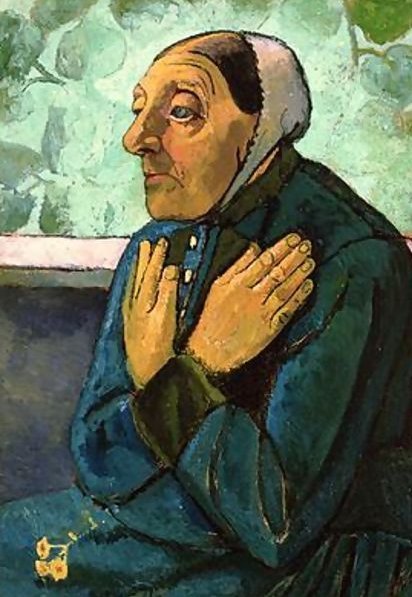
old-peasant-woman-by-paukla-modersohn-becker-1905
Old Peasant Woman by Paula Modersohn-Becker

Not all narcissists are aggressive. Some are covert, and some use their “goodness” as a weapon. This type of narcissist is usually a woman, often a mother. You know the drill: guilt tripping, “look at everything I’ve done for you,” “look what a wonderful person I am” (implying that you are not), ad nauseam.

I found this letter from a narcissistic mother on an NPD forum. It was an email sent by the forum member’s mother just before she went No Contact. If you read between the lines, this “nice” letter is actually very toxic. The names included in the letter (other family members) have been removed. I think ____ is a Golden Child sister. The recipient is the scapegoat.

Dear ___

I have never said that I expect you & _____ to pay my credit card after I’m gone.

Don’t know where you get all the wrong information. I want to make it clear to you that I say nice things about _____ to my friends as I talk about how good she is to me, never rags on me, we have so much fun together, like the same things, she finds time to spend with me, she has a kind heart and I love her very, very much!!!

You are my daughter and I love you too, but I don’t like how you have treated me all these years, you go out of your way to find fault with, always looking for things to be angry with.

Hope my friends tell all the nice things I say about you. How I appreciate how generous you have been. Paying for a 3 day cruise, buying a camera, cell phone and paying for it for 2 years, AND MOST OF ALL PAYING FOR THE ADOPTION of little _____.

These are some of the nice things you have done and I appreciate it very much.

You can’t say that you haven’t talked badly about me to your friends and family. Be honest now – I know for a fact you have said things about me, shame on you.

Why at the end of my life are you causing stress on your 85 year mother. If I had a 85 year Mother still alive, living alone, you can bet I would be caring and loving to my mother, but that’s me, not you.

Guess you will be happy when I am gone. You will get your wish some day.

The answers to my email about being embarrassed is a piece of CAKE!!!

You think you are always right and you are so wrong!! Oh well that’s (recipient’s name) for you.

Mom (the only Mom you will ever have)

old_woman_finger

So what do we have here? A nice letter from a sick, dying mother to her beloved daughter? No. We have several other things going on here though. So I’m going to pick this email apart and show you.

1. I have never said that I expect you & _____ to pay my credit card after I’m gone.

Very possibly gaslighting the recipient–denial that she ever asked her and her sister to pay her credit card.

2. Don’t know where you get all the wrong information.

Invalidation and possible gaslighting.

3. I want to make it clear to you that I say nice things about _____ to my friends as I talk about how good she is to me, never rags on me, we have so much fun together, like the same things, she finds time to spend with me, she has a kind heart and I love her very, very much!!!

Implying that the sibling is a better daughter than the recipient. Guilt-tripping.

4. You are my daughter and I love you too, but I don’t like how you have treated me all these years, you go out of your way to find fault with, always looking for things to be angry with.

Generalizing, gaslighting, probable projection of her own traits onto her daughter.

5. Hope my friends tell all the nice things I say about you. How I appreciate how generous you have been. Paying for a 3 day cruise, buying a camera, cell phone and paying for it for 2 years, AND MOST OF ALL PAYING FOR THE ADOPTION of little _____.
These are some of the nice things you have done and I appreciate it very much.

Now we have a little love-bombing or hoovering going on. This is a common ploy in covert narcissists like this woman to retain their source of supply. She is probably lying about telling her friends “nice things” about her daughter though, and she is also lying about “appreciating it.” Narcissists don’t appreciate anything.

6. You can’t say that you haven’t talked badly about me to your friends and family. Be honest now – I know for a fact you have said things about me, shame on you.

Back to the guilt-tripping and the shaming. The adult recipient is also being infantilized, another type of invalidation.

7. Why at the end of my life are you causing stress on your 85 year mother. If I had a 85 year Mother still alive, living alone, you can bet I would be caring and loving to my mother, but that’s me, not you.

Guess you will be happy when I am gone. You will get your wish some day.

She is basically telling her daughter, if I die it is all your fault. Major guilt tripping, which seems to be this mother’s primary M.O. to get what she wants.

8. The answers to my email about being embarrassed is a piece of CAKE!!!

I’m not sure what this means or what it’s referring to.

9. You think you are always right and you are so wrong!! Oh well that’s (recipient’s name) for you.

Projection and put downs.

10. Mom (the only Mom you will ever have)

Blatant guilt tripping. With a mother like this, thank your lucky stars she’s the only one.

How to recognize a covert narcissist.

covert_narcissism

When most of us think of narcissists, we think of the overt type– arrogant and full of themselves, outwardly aggressive, flying into rages if they don’t get their way or their supply is not cooperating, confrontational, demanding, and high-maintenance. Think of the tyrannical boss everyone’s terrified of; the demanding, high maintenance, conceited friend; the roommate who feels entitled to “borrow” your clothes, car or money without asking; or the abusive and philandering husband–those are examples of overt narcissists. They’re in your face. They’re outwardly obnoxious. They may seem nice when you meet them (otherwise they wouldn’t be able to trap you as prey), but as soon as you’re in their clutches, they begin to show their true colors.

The second type, covert narcissists, seem much more benign, even after they’ve reeled you in as a source of supply. They don’t necessarily drop the nice act. That’s why they’re so dangerous. Because it’s hard to put your finger on what these dolls are actually doing, you may think there’s something wrong with you for feeling wary or nervous around such a “nice” person. They are the true wolves in sheeps clothing. The red flags are much harder to see in a covert narcissist. But make no mistake–they are predators too.

Some examples of covert narcissists include:

— the compassionate and friendly nurse who “accidentally” kills her patients.
— the needy friend who gives you unasked for gifts or does unasked for favors, then complains that you are acting selfishly if you want to spend time doing something besides being with them.
— the spouse who plays “martyr” and puts everyone on a guilt trip because of “everything they’ve done for you.”
— the friend who seems to have a neverending litany of problems, but when you try to help them they never take your advice or give you a long list of reasons why the advice you give them will never work. This friend is an emotional parasite, and will make you feel drained.
— the parasitic spouse who won’t get a job (and doesn’t appear to be trying). They keep giving you “reasonable” excuses as to why they can’t find one or why they haven’t tried to look. Really, they are just trying to live off you.

grovel
Illustration by Mike Reed.

The red flags we normally look for to peg a narc are much more difficult to detect in a covert narcissist, because they can seem so friendly, charming, generous and even altruistic (yes, altruism can be selfish when it comes with strings attached). The website Info Self Development, in their article about covert vs overt narcissists, lists these tell tale signs for recognizing a covert narcissist:

–Emptiness, seems to have something missing that you can’t quite put your finger on
–Stubborn, rarely apologising unless they want something from you (see narcissistic supply)
–Ability to make you feel guilty, even when something is not your fault
–Entirely self centered; they are the center of their own universe
–Expert liars; charming, hypnotic, a master of manipulation
–Projecting their insecurities and defects onto you
–Very sensitive to constructive criticism
–Inability to form intimate relationships
–Inability to feel genuine remorse
–Blaming others for their problems
–Low emotional intelligence
–Highly materialistic
–Extreme lack of empathy
–Superficially charming
–A victim mentality.

I think the last one is important– victim mentality. These are the do-gooders, the “altruists,” the first person to volunteer for the church fundraising drive, the mother who volunteers as the classroom mother, the favor-doing friend. If you fail to “appreciate” their good deeds to their satisfaction or live up to their unrealistically high expectations (for example not volunteering ALL your free time to the church fundraising drive), watch out. That’s when they will work behind the scenes to ruin your reputation through gossip, lies, and triangulation. They are “martyrs” and you are selfish and evil for not sacrificing yourself the way they have “for you.”

talk_to_me

They can also appear in the form of a needy “friend” who monopolizes your time with a seemingly neverending litany of problems or crises (sometimes brought on by themselves). They never seem to learn from their mistakes, and they will eat up your time and patience pleading or begging you to “fix” things for them. They almost seem to take a perverse pride in being victims. But any advice you give them will be dismissed or ignored. They will make excuses as to why the advice you gave them wouldn’t work. In some cases you may even be blamed for giving them the “wrong” advice, thereby making their problems even worse. They are emotional vampires who take and take, but never give anything back in return. If you ever have a problem, fuggaddaboutit. They won’t be there for you.

Covert narcissists may seem nice, but they aren’t. As with any narcissist, the best way to handle them is by avoiding them or cutting off contact with them if you can.

How Do You Know if Someone is a Narcissist or Not?

It was serendipitous I happened on this article this morning because it was exactly what I needed to read to deal with an issue I’m struggling with. I thought I’d pay it forward. 🙂

anupturnedsoul's avatarAn Upturned Soul

Someone recently asked me to assist them with a problem.

They were concerned that a person they knew might be a narcissist, however they were also concerned that perhaps they were the one being narcissistic, and that their narcissism was seeing this person as a narcissist.

They had one of those moments of wondering if perhaps they were the narcissist.

How could they know if they were the narcissist or if this other person was the narcissist?

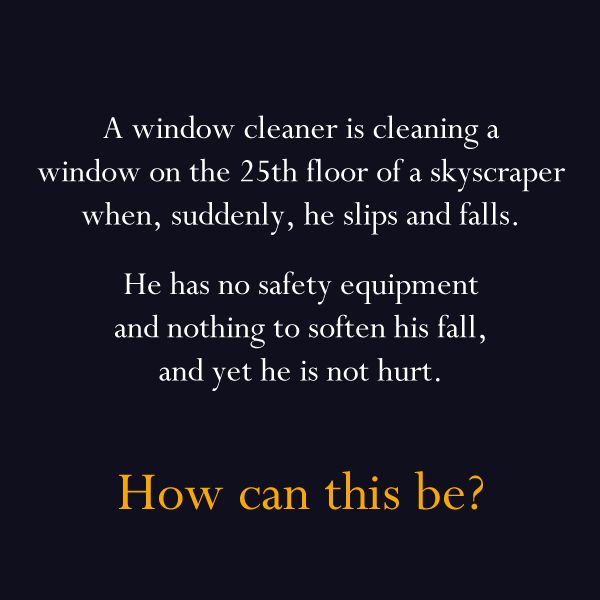
This is a brain teaser along the lines of this:

.

The Window Cleaner problemproblem (and the answer) via PFC

.

Am I the narcissist or are you the narcissist? – can you look something like this up and get the answer to it?

Yes, you can, especially online with so many people weighing in on it – but is it the right answer?

Maybe.

In this kind of scenario right and wrong depend more on…

View original post 2,274 more words

Are narcissists ever abuse victims?

blackwedgeoflove
Black Wedge of Love / rawcandor.com

Here I’m not going to talk about the popular theory that most narcissists were probably neglected or abused as children. In this article, I’m focusing on the question of whether someone who is already a narcissist can become a victim of narcissistic abuse.

Yes, they can–and more often than you might think.

Of course, not all narcissists are abuse victims, and the more malignant they are, the more likely they are to cause suffering rather than suffer themselves. Psychopaths and malignant narcissists wield Svengali-like power over their subjects and are often found in the highest echelons of business, politics, religious organizations, and other positions of great power and influence. They do not allow themselves to be in a position of subservience to someone else, and take great pride in the fact most people fear them. In fact, they would much rather be feared than liked. The smartest ones are cunning enough to be invulnerable to a total loss of narcissistic supply, which would send them crashing into a deep depression (and opens a window to healing, as I’ve discussed in previous posts). They know how to get others to trust them, which is part of their charm and one of the ways they climb to the top and stay there.

But other narcissists (not “benign” narcissists, because they do have a conscience and even some empathy)–those who still have NPD but are not as high on the spectrum as a malignant psychopath, can and do become victims to “stronger” narcissists.

An unholy alliance.
These relationships actually work in their twisted, sick kind of way, with the weaker narcissist falling under the thrall of the stronger, malignant narcissist. Because they are both still narcissists and the weaker one basically identifies with their abuser (known as Stockholm Syndrome, which is also a defense mechanism seen in victimized people with PTSD), they form a symbiotic relationship, with the weaker person willingly taking on a masochistic role and the stronger one the sadistic role. Their sexual relationship may indeed include elements of S&M, but the sadomasochistic relationship isn’t limited to just sex.

The stronger narcissist will treat the weaker one badly and abusively, but because the weaker partner identifies with their abuser, they actually “enjoy” the abuse they get. It validates them and gives them the narcissistic supply they need (and way deep inside, maybe they feel like they deserve punishment).

Unlike normal people, a narcissist prefers negative attention over no attention, and their abuser is seen as their savior–the one person in the world who can give them the attention they so crave. M. Scott Peck, in his book “People of the Lie,” described such a relationship. Harley was a weak man in thrall to his evil, mean wife Sarah, who constantly berated and belittled him and ordered him around, while Harley just whined pitifully about how badly Sarah treated him but seemed to do nothing about it or have any real desire to stop her abuse. He had no intention of leaving her. He told Dr. Peck he “needed” Sarah. Of course he did–Sarah was his sole source of narcissistic supply (because she had made sure he was cut off from anyone else). Dr. Peck speculated that Harley, although complaining incessantly about his wife’s abuse, actually seemed to want it, and he wondered if he might have been a little “evil” himself, which was what might have attracted him to someone like Sarah in the first place.

I see this same situation in my father, who has always been codependent on MN women, and allows these women to make all his decisions for him. He has always been weaker and more codependent than the domineering, controlling women he married.

Needy narcissists.
A friend of mine, a survivor of narcissistic abuse who also has a blog, tells the story of an aunt of hers, living in abject poverty, who was scapegoated and belittled by every other family member, most of them highly malignant narcissists. She was tolerated at family events but outside of that, no one would have anything to do with her. You feel sorry for this impoverished, lonely, maltreated aunt–until you keep reading and find out that she is a malignant narcissist herself–of the “needy” variety.

Businessman begging with cardboard sign

Most people think of narcissists as cagey, cunning, selfish sociopaths who get everything they want by ruthlessly stomping all over others to reach the pinnacles of financial and professional success, even if that involves a life of crime. But there are many narcissists who are not successful, and in fact are dirt poor. These are what I call “needy narcissists”–people who mooch off of others, using others’ goodwill and generosity without ever giving anything back in return. They whine to anyone who will listen about how their sorry circumstances are everyone’s fault but their own. They demand pity and constant attention. They act entitled. They cry and try to elicit your guilt. They might steal from you. They’ll start a smear campaign against you if you don’t give in to their demands. Sometimes they find ways to get government assistance–such as disability–by faking or exaggerating a disorder so they don’t have to take responsibility for themselves.

They are financial and emotional vampires, feeding off others’ altruism until their providers are sucked dry emotionally, spiritually, mentally and sometimes financially. My ex-husband falls into this category. These narcissists are only less dangerous because they lack power and money, but make no mistake: they are just as dangerous on a personal level as materially “successful” narcissists, and they play all the same evil mindgames to get their way. They take pride in how pathetic they are rather than in what a perfect specimen of beauty, intelligence, success, or charm they are. They still think they’re entitled to be treated as if they’re gods.

“Covert” and “inverted” narcissism isn’t narcissism at all.
There is also something I’ve read about called “covert narcissism” or “inverted narcissism,” which actually has been used to describe people with low self esteem, avoidant traits, hypervigilance, and high sensitivity. Which means that according to that definition, I am a narcissist.

I don’t buy it though, because people with these traits are usually very empathic and if anything, their conscience is too well developed for their own good. They not only worry they won’t be liked, they worry that they may have hurt someone or have done something wrong. They struggle with guilt and shame. They may self-sabotage, but they never set out to hurt other people, and when they do they feel terrible. Real narcissists may be hypersensitive (about themselves) and paranoid, but they never worry about hurting others; at best they just don’t care.

Of course an “inverted” or “covert” narcissist is likely to be abused, because they fit all the traits of someone likely to be bullied and victimized. They are us!

The weak narcissist in thrall to an MN is not an “inverted” narcissist–they are true blue narcissists who just lack the cunning, intelligence, charm or Svengali-like traits their abuser possesses. Or they’re just not as evil as the MN. Within the relationship, they are just abuse victims, but outside of it, they treat others as badly as any other narcissist. Just because they’re abuse victims doesn’t mean they’re nice people. (It doesn’t mean they don’t deserve help either). Obviously, the best thing for a narcissist in an abusive relationship to do would be to go No Contact, but due to their craving of (negative) narcissistic supply, they are not likely to ever leave the relationship.

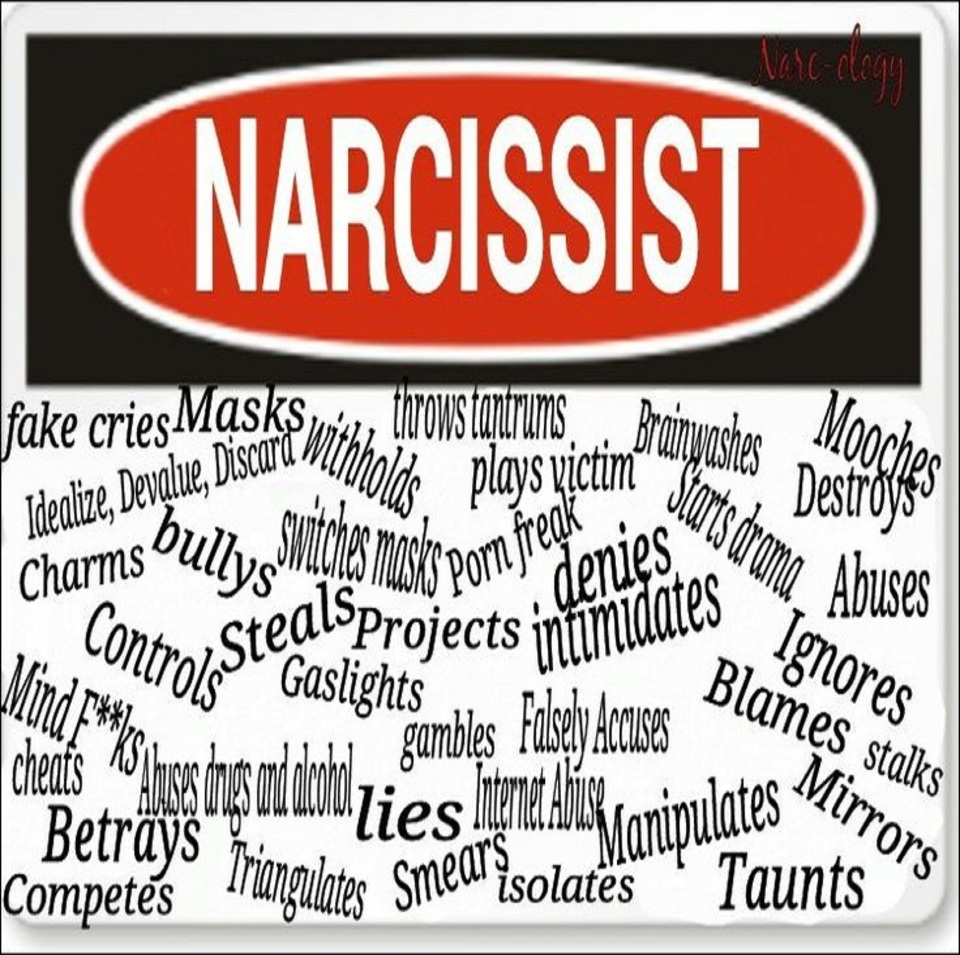
narcissist

Can a malignant narcissist become an abuse victim?
Other than in childhood (before they became narcissists), I would say no. Because two high-spectrum, completely malignant narcissists are likely to hate each other. One MN won’t give up their power to the other and sees another MN as a huge threat.

Think of two predatory animals like wildcats, encountering each other in a forest. Both are alpha males of their own group so neither is a weak animal. Would these two cats become allies? No. They will fix their gaze at each other, never taking their eyes away, and slowly start to circle around each other, sizing up the other animal. At some point, one of the cats will launch a surprise attack, or one will flee before that happens.

knifefight

In a similar manner, two predatory humans in the same room will be very cautious around each other, sizing each other up, but will almost always intensely dislike each other. They may fight, or they may never speak to each other, but they will not become friends. They are of no use to each other whatsoever. A malignant narcissist will always choose a weaker victim he can use and manipulate, and sometimes that victim will be another narcissist who identifies with their abuser but is no match for them.

Yikes! Does this mean I’m a narcissist?

yikes
I just finished reading a Scientific American article that delineates narcissists into two categories: Overt Narcissists and Covert Narcissists:

When most people think of narcissism, they think of the public face of narcissism: extraversion, aggression, self-assuredness, grandiosity, vanity, and the need to be admired by others (see “How to Spot a Narcissist“). But as far back as 1938, Harvard psychologist Henry Murray noticed another breed of narcissist among his undergraduates: the covert narcissist. While the “overt” narcissists tended to be aggressive, self-aggrandizing, exploitative, and have extreme delusions of grandeur and a need for attention, “covert” narcissists were more prone to feelings of neglect or belittlement, hypersensitivity, anxiety, and delusions of persecution [I’ve also seen this referred to as “inverted narcissism,” whatever that means].

Um, I’m prone to feelings of neglect or belittlement, am known to be hypersensitive and anxious, and there are times I believe I’m being persecuted…

But it gets even worse…

In the 90s, psychologist Paul Wink analyzed a variety of narcissism scales and confirmed that there are indeed two distinct faces of narcissism, which they labeled “Grandiosity-Exhibitonism” and “Vulnerability-Sensitivity”. He found that both shades of narcissism shared a common core of conceit, arrogance, and the tendency to give in to one’s own needs and disregard others. But that’s where the similarities ended.

Okaaaaayyy, I admit I can be selfish, but I don’t think I’m arrogant or conceited. But read on…

While Grandiosity-Exhibitionism was associated with extraversion, aggressiveness, self-assuredness, and the need to be admired by others, Vulnerability-Sensitivity was associated with introversion, hypersensitivity, defensiveness, anxiety, and vulnerability. Further research by Jonathan Cheek and Jennifer Odessa Grimes at Wellesley College found a moderate correlation between covert narcissism and the Highly Sensitive Person Scale developed by Elaine Aron.

pugdog

Uh…I’ve frequently mentioned being an HSP and I’m definitely introverted….

In other words, while introversion, sensitivity, and narcissism are all partially separate traits, hypersensitive covert narcissists are more likely to report that they are introverted and sensitive.

hiding

I’m so busted. I’m almost afraid to take the test at the end.

But if I am narcissistic, I think I’m a pretty benign narcissist, as the disorder runs on a continuum from somewhat narcissistic to murderous evil psychopath. I would guess the same is true of all HSPs (who I noticed tend to blog about narcissism a lot)–that we aren’t malignantly narcissistic. I think a lot of HSPs and people who tend toward introversion also tend to feel guilty about everything too and feel bad when we hurt others, so that doesn’t seem to indicate malignant narcissism or psychopathy anyway. I think they missed the mark here, because narcissists don’t feel guilt or care if they hurt others.