Cognitive dissonance and NPD.

I think people who develop NPD do so to correct cognitive dissonance. Unfortunately for them and others, once this “correction” is made, which usually (but not always) happens in early childhood, it’s very difficult, if not impossible, for them to ever be normal again.
This post first appeared on this blog in August, 2015.

luckyotter's avatarLucky Otters Haven

narcissism_childhood

I’ve been thinking a lot about the concept of cognitive dissonance and its role in creating a narcissist or turning a narcissist into a malignant one.

Cognitive dissonance is the mental stress or discomfort experienced by an individual who holds two or more contradictory beliefs, ideas, or values at the same time, or is confronted by new information that conflicts with existing beliefs, ideas, or values.

–Wikipedia

A computer will crash or stop working when given conflicting sets of instructions. Although people are not computers (because we have emotions and a soul), if we receive conflicting sets of “instructions” or information about ourselves, it causes so much mental distress that a personality disorder can develop if the conflict appears very early in life.

A child who is constantly invalidated by narcissistic parents tries to correct the cognitive dissonance by “becoming” what the parents tell them they are. If the parents…

View original post 1,418 more words

The 7 things narcissists are most afraid of.

rejection-attention-affection-perfection

I was actually going to try to post funny search terms again, but alas, they were just not funny, so I nixed that idea.  However, I did find one that inspired me to write this post:

what 6 things are narcissist most scared of

It’s a good question.  Are narcissists afraid of anything? You bet they are, and there are 7 things that scare them silly, not just 6.

1. Abandonment and rejection.

love_me

Narcissists can’t stand being rejected or abandoned.   That’s why they fly into rages and punish and threaten you if you threaten to leave them, and love bomb you if you do manage to get away.  To reject a narcissist means you are rejecting the false self they have so carefully constructed to impress you.  To reject that false self negates their entire reason for existing, since whatever true self they may have left is completely inaccessible to them and the false self cannot survive on its own; it’s completely dependent on the approval and attention of others, who it feeds from like a vampire.  When you reject a narcissist they are forced to confront their own emptiness and nothing scares them more than that.  They will fight tooth and nail to avoid it, even if it means they have to destroy you in the process.

2. Being made fun of.

don__t_make_fun_of_me__by_quackedsquare

Credit: Quacksquared

Narcissists have no sense of humor.  Nada. None. Zero. Zip.  They may laugh cruelly at you when you fall and break your arm, and they may chuckle at the discomfort of someone else (since they have almost no empathy), especially if the discomfort was caused by them (because remember, to them you are not a real person but an object),  but they are completely incapable of ever laughing at themselves.

A few years ago on a forum I posted on, there was a man who became enraged when someone wrote “LOL” at a joke someone else made at his expense (the joke wasn’t very offensive), and from then on he gave both of them the silent treatment.     They take themselves very, very seriously and are very, very sensitive.  But that sensitivity doesn’t extend toward anyone but themselves.   The reason they are so bothered by jokes at their expense and can’t laugh at themselves is because the self they present to the world is a false one that must be propped up and supported at all times by everyone else.   To poke fun at a narcissist is to poke fun at a self that’s as empty inside as a puppet.  It has no substance.     It will fall to pieces and then the narcissist is forced to confront that terrifying emptiness that constantly haunts them.

3. Being disrespected.

demand_respect

No one likes to be treated with disdain or disrespect, but the narcissist is downright phobic about it.   He or she worries about it all the time and imagines slights and personal attacks even where they don’t exist.  Again, it boils down to the false self which he or she must constantly keep propped up.  It’s your job to puff it up and inflate it constantly lest it collapse into a limp pile of flimsy rubber.    Disrespecting a narcissist is like popping a hole in their balloon-self and they feel like they are going to die.    To avoid this, a narcissist uses every defense mechanism they have in their arsenal–gaslighting, rages, silent treatment, lying, projection, denial, fabricating,  and false affection–to keep you inflating their balloon-self so they don’t have to acknowledge the horror of recognizing they have lost their real one.

4. Being ignored.

dont_ignore_me

This is a no-brainer.   Ignoring a narcissist means giving them no supply at all, and without narcissistic supply, the narcissist dies a slow death.   Or believes they will.   That’s why some narcissists would even rather be hated than be ignored.  Negative attention is still attention, and at least it provides acknowledgement that they still exist.   When you ignore a narcissist, it’s as frightening to them as being killed.  They’re no longer confident they exist without your attention.

5. Exposure.

Several colorful arrow street signs with words Not Me - His, Her and Their Fault, symbolizing the twisting of the truth and shifting of blame

If you call out a narcissist on their abusive behavior, they will usually become very angry.  Their anger might be expressed in rage or in more covert means such as the silent treatment or gaslighting you. They don’t like to be held accountable for the things they do to others, because that means they have to admit they are less than perfect.   It also means they have to acknowledge the humanity of someone else, which they aren’t capable of doing.  Narcissists are all too aware of their imperfections, but only at the subconscious level, and the way they handle this is to project their own imperfections onto you.  So a narcissist might tell you that YOU are the narcissistic one, or that YOU are the abuser.  They’re also good at getting others to side against you, and those people become their flying monkeys.    They will accuse you of doing things that they themselves have done and everyone believes them and not you.

You start to feel like you’re living in a hellish world of smoke and mirrors, where you’re no longer sure what’s real and what isn’t.   The narcissist has, unconsciously or consciously, set up this elaborate lie as a massive defense mechanism against being exposed as imperfect and flawed just like everyone else, because being forced to acknowledge their shortcomings is to expose their vulnerabilities, and being vulnerable is incredibly terrifying to them.   They blame so they don’t have to feel shame.

6. Loss of the trappings of youth and success. 

grumpy_old_man

As narcissists age, they often grow even more  abusive (a very few may improve–but they probably weren’t high spectrum to begin with). That’s because aging means a loss of looks, career, health, possibly even a spouse (who provides a narcissist with supply), and in some cases even financial solvency. All these things are proof to a narcissist that they still have value and are still admired and respected.

Somatic narcissists, who are most concerned with their health or physical appearance, have never developed other aspects of themselves that could be fallen back on when those things begin to go; that’s because the false self is a flimsy one-dimensional construct and is incapable of love, true attachment, friendship, and other things that the rest of us can fall back on when we’re old and not in such great physical shape or health anymore.   If someone has spent their entire lives only concerned with their appearance, once that goes, what’s left?

Cerebral narcissists, who are concerned with their intellectual ability or business acumen, may be able to hang onto those assets a bit longer, but eventually, their minds may begin to become less sharp or they may be forced to retire or reduce their hours working.  Having to retire is a huge blow to a narcissist whose entire identity is tied up in his or her career and earning ability.  What is left?

In both cases, a narcissist experiences an almost total loss of supply and to avoid the ensuing depression, they lash out and attack others like angry dogs.  That’s why old narcissists are so often cranky and mean.   They’re also terrified of death, the last thing on the list that terrifies them.


7. Death.

fear_of_death_2

Every narcissist I’ve ever known lives in mortal terror of death.   That’s because death is the ultimate loss of narcissistic supply.  Death means complete annihilation of the ego and there’s nothing more horrifying to a narcissist than that because their ego is all they are.   Personally, I think some also fear hell.  They know on some deep level how badly they’ve treated and exploited others and think they might be held accountable for it in the afterlife.   I’ve seen a lot of narcissists who suddenly become extremely religious in their old age.  I think that’s because they think by being religious, they may be able to ward off any accountability after they die.

Test of the 3 R’s (acquired situational narcissism vs. NPD)

narcrealityshows

I just read an interesting article by Sam Vaknin (author of Malignant Self-Love) describing a condition that afflicts some celebrities and other high-profile people or people who achieved overnight success, called Acquired Situational Narcissism (ASN). It can also occur in codependents of a narcissist (what the ACON community calls “fleas”). ASN can mimic NPD, but tends to diminish over time or if the person’s fortunes change. But a more important difference is that a person with ASN isn’t lacking what he calls “The Three R’s.” These are:

1. Remorse
2. Remediation
3. Restoration

Narcissism is used as a coping strategy but doesn’t necessarily become a life sentence. I’ve done enough editorializing, so here is the article.

The Test of Three R’s
By Sam Vaknin
http://www.selfgrowth.com/articles/the-test-of-three-rs

Acquired Situational Narcissism can be induced in adulthood by celebrity, wealth, and fame. But, it may also occur in a variety of other situations. Codependents, aiming to fend off gnawing abandonment anxiety, can resort to and evolve narcissistic and even psychopathic behaviours and traits in order to cater the whims of their “loved” ones; in anomic societies and depraved cultural or religious settings, people with a conformist bend tend to adopt antisocial modes of conduct and personal style so as to “fit in” and belong.

How can we tell whether one’s narcissism is of the ephemeral, derivative variety – or an integral, immutable, and inalienable feature of his or her personality? By applying the test of “Three Rs”: Remorse, Remediation, and Restoration.

To qualify, remorse has to be expressed repeatedly and must be heartfelt. It should entail a modicum of sacrifice, embarrassment, and inconvenience. Regretting one’s misdeeds in public is more convincing than sending a private missive or whispering “sorry” anonymously. Remediation requires making amends and offering reparations, which are commensurate with the offending acts and bear some symbolic relation to them. Thus, financial abuse can be absolved only with the aid of a monetary compensation that corresponds to the damage done and suffered. Finally, restoration involves affording one’s victims the opportunity for closure, if not forgiveness, so that they can move on with their lives.

True narcissists and psychopaths fail the Three Rs test at every turn: their remorse is feigned and ostentatious; they provide little or no recompense; and they never put themselves at the victim’s disposal to allow her to achieve that she needs most: closure.

Read the rest of Sam’s article here.

Related to this, on February 22, writer/producer Nancy Fulton will be interviewing Sam Vaknin about the portrayal of narcissists in media and entertainment. More info can be found here.

Five types of gaslighting narcissists.

Gaslight-2

I haven’t written an original narcissism article in awhile, and I was thinking about gaslighting today, so I thought I’d write a post about it.

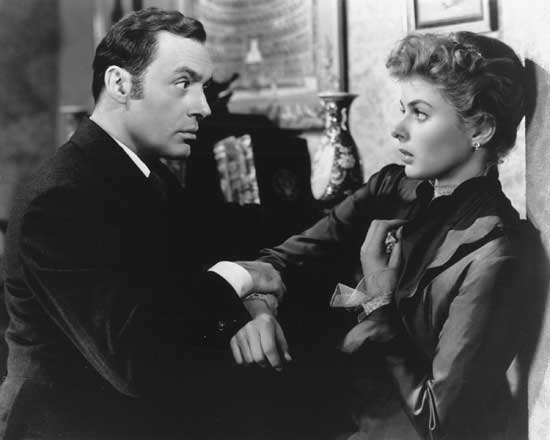
Gaslighting is a defense mechanism commonly used by narcissists in order to diminish their victims and make them doubt and question their own reality.  The term comes from the 1942 movie “Gaslight,” in which a young wife is abused in this manner by her husband, who almost succeeds in driving her insane by telling her she is imagining the gaslights in their house going on and off, even though he has been secretly playing with the gaslights himself to make her think she’s going insane.  Gaslighting is one of the most sinister and crazymaking things a narcissist can do, and over time your self esteem and even your grip on what is real and what isn’t begins to erode.   Dealing with a gaslighting narcissist is like looking into an endless hall of mirrors.  It’s common for victims of such mindf*ckery to develop PTSD or complex PTSD.

Here are five common types of gaslighters, with examples that show what these darlings do to make us feel like we’re going crazy.

1.  The “You’re Insane” gaslighter.

maybe_your_crazy

This type of gaslighter, when confronted with the truth about their disgusting and unacceptable behavior, accuses you of insanity, stupidity, or (in the case of women) your terrible PMS (gaslighting with a little misogyny thrown in for good measure).

You:  I don’t think you should have told all our friends that you think I’m cheating on you, especially because I’m not.

Gaslighter:  You’re imagining things as usual.  Have you taken your meds today?

You:  I hate it when you use that tone of voice.

Gaslighter:  Oh, please, not this again.   You must be on your period.


2. The “I never said that” gaslighter:

never_said_that

This type of narcissist is so far into their lies and denial he/she would sell you down that river in Egypt.

You:  Why did you tell my mother I can’t keep a job?

Gaslighter:   I never said that.  This may be followed by a “you’re insane” elaboration to drive home their case that you’re the deluded one.

You: You promised me I could have some money to buy the kids new school clothes.

Gaslighter:  No, I never agreed to that.  I told you I don’t have the money.  What part of “I don’t have the money” did you not understand?


3.  The “Everyone’s Against You” gaslighter:

nobody_likes_you

This  is an especially mindfucking type of gaslighting, in which the narcissist draws other people into their attack on you, which may in fact not be the case but they can definitely convince you no one is on your side.  If actual flying monkeys are being used, then a different tactic, triangulation, has become part of their arsenal of weapons they use against you.

You:  Why do you always talk to me like you hate me?

Gaslighter:  That’s just your overactive imagination again, but to be honest, I was talking to [names of friends, associates, or family members] the other day, and they all told me they think you’re very difficult to be around [or insane, stupid, etc], so put that in your pipe and smoke it.

This type of abuse can also be very subtle:

You:  You are driving me crazy!

Gaslighter:  Well, I wasn’t going to tell you this, but [name of friend, family member or associate] and I were talking, and we are all very concerned about you (“I’m/we’re concerned” is narc-ese for “I/we think you’re batshit crazy.”)

This next type of gaslighter is probably the most infamous and well known to most narcissistic abuse survivors:

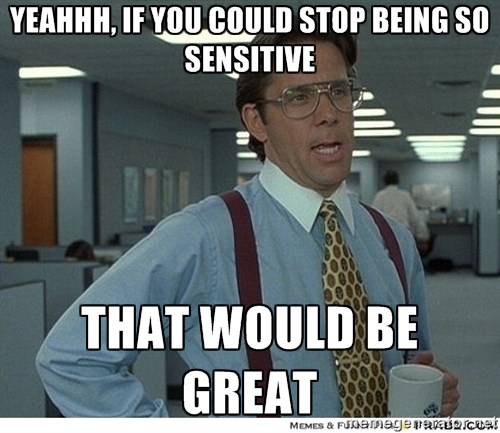
4. The “You’re Too Sensitive” Gaslighter:

your_too_sensitive

Narcissists love to call out the sensitivity of their victims as if it’s a character defect (and if we were raised by narcissists, we have probably learned to hate and be ashamed of our high sensitivity).   It’s true that many abuse victims are highly sensitive, in fact some of us are HSPs.  Narcissists are drawn to sensitive people because of their high empathy and tendency to become codependent and thereby good sources of narcissistic supply.   At the same time they need us, they also hate and envy those qualities they seem to be so attracted to, and don’t miss an opportunity to take hurtful potshots.  Even if they do or say something that would even hurt the feelings of someone as coolheaded as Star Trek’s Mr. Spock, they somehow make it your fault if you’re bothered by it because you’re just too damned sensitive.”  It’s really just a variation of the “you’re crazy” tactic.

You:  I wish you’d talk to me more respectfully when we’re out in public.

Gaslighter (dramatically rolling eyes):   I do talk to you respectfully (lie).  Your oversensitivity is really getting tiresome.


5.  The “I Was Just Joking” Gaslighter.

cant_take_a_joke

Similar to the “You’re Too Sensitive” gaslighter, this one calls your sense of humor (or lack thereof) into question, even when their “joke” is clearly anything but.

Gaslighter: That dress makes you look fat.

You: (looking hurt):  It does? But I’ve been trying to lose weight for you.

Gaslighter:  Jesus, don’t you have any sense of humor?  You can never take a joke.

To rub salt in the wound, they might even toss a little “Everyone’s Against You” into the mix and say something like, “Maybe it’s because you can’t laugh at anything that no one really likes you.”

There’s one more type of gaslighter that’s incredibly dangerous because they manipulate reality itself and then tell you there’s something wrong with you because you noticed.  The abusive husband in “Gaslight” illustrates this well, by manipulating things around the house and then telling his wife she’s unbalanced and imagining things.   This was a favorite technique of my ex, who often deliberately misplaced things I needed, such as my car keys, then when I wasn’t looking, he’d return them to their rightful place and chided me for being “careless.”   He did this for shitz and giggles.

When you’re dealing with a gaslighting narcissist, nothing you do or say is ever right.  They always have to have the upper hand and they always have to make you feel about 3 inches tall, because that’s the only way they know how to keep you weak and in your place so they can continue to prey on you for supply.  They do this because their own egos are so fragile they need to put you down in order to make themselves feel better.    He or she isn’t going to change.   Arguing isn’t going to help, it will only make things worse.  The best way to handle a gaslighting narcissist is to leave and never look back.

Narcissistic Personality and Child Emotional Neglect

People with NPD and CED (Childhood Emotional Neglect) don’t seem to have much in common, but the roots of both disorders are similar. The stories of Marcy and Bill illustrate the similarities and differences. (article is from PsychCentral).

My narcissist mother’s hate-crush on Martha Stewart.

martha-hate

I hesitated about posting this because earlier this year I found out my mother has read this blog and ever since,  I’ve felt inhibited about posting anything bad about her.

But why? What’s she gonna do? Not talk to me? We don’t talk anyway. Say bad things about me behind my back?  She does that too.  Why am I still so worried she might “disapprove?” She’s never approved of me and never will, so fuck it, I’m posting this because it’s funny.

My mother was consumed with Martha Stewart-envy, but would rather have laid on a bed of nails than ever admit it.

She was a woman who perceived herself to be the perfect housewife, perfect corporate hostess, perfect chef, perfect decorator, and perfect party-giver.  She held herself up as a paragon of upper-middle class feminine virtue.    When she was married to my father, she prided herself on her flawless and memorable cocktail parties (no matter that both she and my father spent the entire time drunk and arguing loudly at these events in front of their guests).  She crowed to anyone who would listen that she could whip up a gourmet meal worthy of Julia Child’s praise (to be fair, she actually was a good cook but she wasn’t THAT good).  She also thought of herself as a world-class interior decorator even though the kitchen in the house we lived in was outdated by about 40 years and never had any modernizations or improvements done to it (the fixtures were all white enameled metal, the floor was cracked multicolor-speckled brown linoleum, and counter space was nonexistent), the ancient floral wallpaper in most of the bedrooms was dingy and yellow with age (this was the original wallpaper in our 1920s Dutch colonial revival house), and every room in the public areas were carpeted with the same boring beige wall-to-wall because the hardwood floors looked like shit.

She did, in fact, have a short lived career as an interior decorator, and to be fair, she was probably reasonably skilled, but you’d never know it looking at our house. Our Christmas tree was always boring too–every year the same white lights and red and silver ornaments went on the tree (no other colors allowed) because anything more colorful was deemed “tacky” even though there was a child in the house.

After my parents divorced, my mother went into public relations and bragged constantly about how successful she was in her field and how everyone wanted to be her client because of her flawless skills, sparkling charisma, and her ability to sell ice to an Eskimo. Although she never achieved fame and riches, she liked to live as if she had both, and looked down on people who had “regular jobs.” But one thing my mother never had much of was creativity, although she liked to brag that she did.

Martha Stewart was everything my mother wished she was: a woman who had parlayed her creative homemaking, decorating, and cooking skills into a huge empire; a woman who appeared on TV talk shows, wrote books, published a glossy magazine, and had countless articles written about her in national publications. My mother hated Martha Stewart. She never passed up an opportunity to rail on about Martha’s terrible taste in decor and table presentations, her weight (to my mother, Martha was “fat”), her “tentlike” clothes, her irritating personality, her flat “peasant-like” facial features, her obsession with fattening desserts rather than healthy salads and lean meats, and her overuse of tacky primary colors and insipid pastels (my mother was the Queen of Beige, an evil color if I ever saw one–is it even a color?). For a normal woman with my mother’s range of interests, someone like Martha Stewart could have been an inspiration, but to a narcissist like my mother, she presented a huge threat; she was someone who had the potential to make my mother’s domestic and entertaining skills look uninspired and pedestrian in comparison.

likeigiveafuck

When the story broke on the news that Martha Stewart got arrested for tax fraud, my mother actually rubbed her hands together with glee and her eyes glittered in a Mean Girls sort of way. She literally squealed in delight when Martha was shown being taken off in handcuffs to the minimum security womens’ prison where she would live for the next five months, to be followed by another five months of house arrest. “Common criminal,” my mother sniffed contemptuously. “She had it coming. What’s she going to do? Sew tacky curtains for the barred windows?”

I’ve never been a big fan of Martha Stewart either but I thought her attitude in prison was classy, refreshing, and even touching. She treated her cellmates–mostly women of far lower social class than she was–with respect and dignity, and from everything I heard, all the women there adored her and they all cried when she was released. One of the girls knit Martha a clunky homemade shawl, which Martha proudly wore in front of the cameras as she was escorted away. I thought Martha handled what could have been an incredibly embarrassing situation with class and good humor. I pointed how nice Martha’s attitude was.
“I think it’s so cool the way she treats all those girls like human beings, and makes them feel valued.”
Always the wet blanket, my mother hissed, “well, you don’t know what she’s like when the camera isn’t on her.”*

That’s what narcissists do. They’re wet blankets. Maybe Martha Stewart can do something creative with those too.

***

* Martha Stewart’s daughter reports that her mother was anything but ideal, and was probably a narcissist.  That may be true but I still thought her attitude toward her cellmates was admirable, even if it was only to make a good impression to the public.

Confusing patterns.

confused2

In the almost year and a half since I’ve been blogging, an interesting picture has emerged. I started to blog after I went no contact with my ex (actually very low contact since we have children) as a way to process having been a victim of narcissistic abuse, first by my family of origin, then by my ex. My focus for the first six months or so was primarily on my abusers, and my rage at narcissists in general. Most of my articles were about narcissists and narcissism, and I read everything I could about it too. I became close with other ACON (adult children of narcissists) bloggers. I wasn’t ready yet to take a good long look at myself and what I could do to help myself, other than staying far away from abusive people. But it was a very good start to a journey that proved to be unpredictable and at times very confusing.

Last spring or maybe late last winter, I began to think something was missing. Inexplicably, I began to think more about the point of view of people with NPD and realized they were almost always abuse victims too. I wrote several articles that angered other ACON bloggers because, they felt, I was being too sympathetic toward narcissists and even being a “narc hugger.” The things I was saying were heresy to many in the ACON world (this was the only time there was ever any drama on this blog). I lost some of my followers.

It was time to look inward. I wondered if I was a heretic too, and also wondered why I felt sort of personally insulted by all the vitriol thrown at people with a severe personality disorder who, I felt at the time, simply couldn’t help themselves. I felt torn between two warring factions, and got caught in the crossfire. And that brought me to ask the big question: was I a narcissist myself?

I read up on covert narcissism and in early August, decided I must be one. After all, so much of what was described seemed to fit my personality. It would explain my feelings of ambivalence and my inability to take a firm stand. For a few months I posted on a forum for people with NPD, most of whom had never been diagnosed by anyone other than themselves, and most who believed themselves to be the covert (“fragile”) type of narcissist. I thought to myself, these people aren’t so bad. They all seemed pretty understanding and even empathetic and I felt like I could relate to many of them. Maybe NPD was unfairly stigmatized.

I decided I wanted to heal from my “NPD” and started a second blog about that (which I’ve recently transformed into a therapy blog and have admitted I do not have NPD). I “came out” about my “covert narcissism” on this blog.

whoami

Back on this blog, I lost interest in posting new articles about narcissism, because it made me feel like a huge fraud. If I was a narcissist, I had no desire to be the female Sam Vaknin (a narcissist who writes books and articles about narcissism) and if I wasn’t one, then I was some kind of spineless wimp and even a traitor to ACONs. I chalked up my waning interest in the subject to a matter of not being able to come up with anything new to say about NPD or narcissistic abuse. Been there and done that, I thought.

Rather than take this blog down, I decided to turn it into a “general purpose” blog and just post about anything that was on my mind. I began to write a lot more articles about how I could change myself and become a better, happier person. I read more self-help articles and found myself focusing more on my own spiritual and emotional growth. The focus was now off the narcs, and just on myself. The labels didn’t really matter.

After posting for a few months on the NPD forum, another thought began to play in my mind: maybe these people didn’t really have NPD. Maybe they were just confused, like I was. Maybe they were just suffering from other disorders, like BPD, or complex PTSD, or avoidant personality disorder, or even Aspergers (all of these disorders are often confused with covert NPD, even by professionals). These people were really just abuse victims who, for whatever reason, had labeled themselves as narcissists. Real narcissists would never post on a board like that or suffer so much or want to change themselves. Or would they? Who knew?

I felt too confused there. I didn’t know who these people were and I didn’t know who I was. I was getting more confused by the day. I wasn’t learning anything; I was going around in circles. I lost interest in the forum and started therapy. My therapist assured me I do not have NPD although I may have some of the traits. But most survivors of narcissistic abuse have picked up N traits from their abusers (what the ACON community refers to as “fleas”) and my other disorders (BPD and Avoidant PD) can mimic narcissism anyway. It’s understandable that I would have become confused.

Looking back, I can see that what happened was two things. First, my confusion stemmed from a weak sense of self. Many abuse victims have never been allowed to develop a strong sense of self. Some victims even identify with their abusers (Stockholm Syndrome) and in a worse case scenario, may collude with the abuse. Borderlines in particular are prone to becoming chameleons who identify with their abusers. Even though the abusers were gone from my life, they continued to have an influence over me. But that’s the unhealthy part.

Second, while initially I focused on my abusers (as all ACONs do when they realize they’ve been had), after all that righteous anger was almost purged from my system, I began to shift my focus on understanding rather than rage. Obviously this caused me a lot of confusion and raised the ire of some. My attempt to understand narcissists didn’t mean I condoned their behavior or what they had done to me, nor did it mean I was a traitor or a wimp who couldn’t make up her mind. Rather, the shift in focus enabled me to move on from that early leg of my journey (the righteous anger) and focus more on myself and what I could do to change me.

Things may play out differently for others. Some ACONs remain stuck in rage forever (not healthy, in my opinion); others, who have struggled with letting narcissists violate their boundaries, make the decision to shore up their boundaries and not take any more crap from them, but stop obsessing about them too. Others realize that their codependency has been as much of a problem for them as their narcissists’ abuse, and they begin to work on themselves. I think the path we take as survivors depends on a combination of individual temperament and the particular damage our narcissists have done to us. Whatever works best for us is the path we should be on. In my case, I need more permeable boundaries rather than reinforcements to them. When I was being abused they were too permeable, but after my escape, I shored them up too much. I need to re-learn how to let people in, but able to tell which people should be kept out.

Narcissistic Parents of Adult Children

Just a reminder if you have a narcissistic parent…this is so important to remember.

gentlekindness's avatarGentleKindness

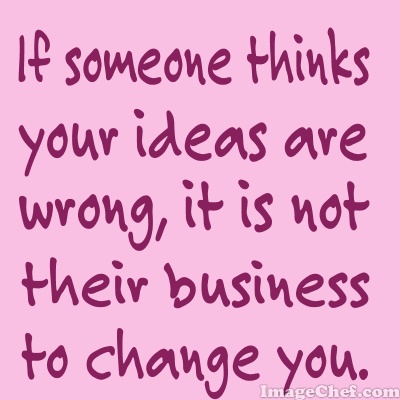
image chef change youIf you have a narcissistic parent, then nothing of your own belongs to you. Not your mind, not your thoughts, not your feelings.

The narcissists feels entitled to control and own all of your things, both physical and mental.

When you have an idea you want to try that is different from theirs, they will put up a fight to make you change to their way of doing things. They have no right to d this. You are an adult with the same rights they have. 

They do not ever see you as an adult, or as an individual with your own rights, gifts and talents.

They feel you are something they own and should control when you need controlling. 

If you do not comply with their wishes, they will try to undermine you in any way they can.

Narcissistic parents have gone so far as to publicly shame…

View original post 260 more words

“Throwaway People”

throway_people

There’s a blog I really like (but don’t read much because its posts tend to make me feel angry and upset) called Ramen Noodle Nation, written by a blogger who struggles every day with poverty and just trying to survive in a increasingly profit-oriented, empathy-deprived, narcissistic society that has no patience for “losers” and “leeches” who are too “stupid, “fat” or “lazy” to get a decent job or “better themselves.” (by attaining an education they cannot afford and that has become unaffordable).

This particular article hit home for me. It’s about the way employers look down their nose at applicants who are “different” in any way. Employment has become a process of weeding out qualified applicants rather than finding people with talent and potential. If you are the wrong size, wrong age, have the wrong body type or facial features, don’t smile enough, don’t wear the right clothes, have a disability of some kind, aren’t outgoing or perky enough, live in the wrong neighborhood, or drive the wrong car, be prepared to be shown the door, even if your talents and abilities would be a perfect fit. Nonconformists need not apply. If you have medical problems, you will be overlooked because with more companies now not even providing health insurance, you are too much of a liability. You’d better be thin, healthy, young, outgoing, always smiling, always fashionable, with perfect hair, perfect skin, and have never broken the law (even a traffic violation or that one pot charge back when you were 22 will haunt you for the rest of your life), and no health problems. In other words, you’d better be a Barbie (or Ken) doll. Your actual knowledge and talent don’t really matter. Image is all that matters. Things never used to be this way and should never be this way. But gaining a foothold in the world has been rendered needlessly difficult or even impossible if you lack “curb appeal”–or aren’t born wealthy.

Ever notice the way those well-heeled yuppies on the home-buying reality shows thumb their noses at perfectly functional bathrooms and kitchens because they lack granite countertops, garden tubs, and stainless steel appliances? “Rip it all out!” they moan. Well, people with good souls and minds but who lack curb appeal are held in no higher regard than the avocado tub and Formica countertop sitting in the Dumpster in the driveway.

BESTPIX  Homelessness Reaches All-Time Record In New York City

Throwaway people used to be a rarity. There was always your family, if the chips were down, who would take you in and support you even when no one else would and you couldn’t take care of yourself. Many people still have that, but more and more people today do not, especially the adult children of those who were encouraged, even as parents, to put their own needs ahead of their kids and throw any child who stood in their way or demanded too much or was too “needy” or didn’t make them look good under the bus. Generation X (1961-1981) has become especially vulnerable to becoming “throwaway” adults, but the problem certainly isn’t confined to this generation. Adult children of narcissists are especially vulnerable to becoming throwaways if they don’t measure up to whatever impossible standard has been set for them by parents who care only about how their adult child reflects on them. And our compassionless, Ayn Rand-worshipping society says that’s perfectly okay! If you’re not a “winner” in life you don’t deserve to live. Pull yourself up by those bootstraps, loser! If you don’t have bootstraps, well too bad, it’s probably because you have a “victim mentality.” 🙄

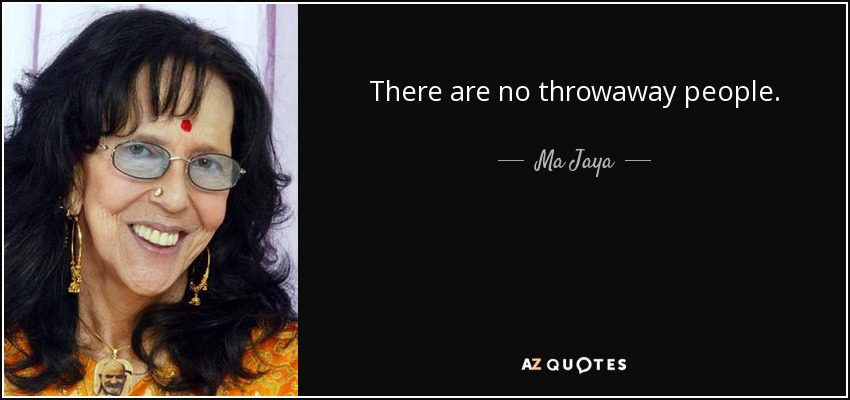
no_throwaway_people

Throwaway People
Ramen Noodle Nation, 6/10/13

We have too many in this society.

What does one do in a society where you are told YOU DO NOT BELONG and ARE NOT ALLOWED TO MAKE A LIVING for the most minute of differences? I faced this when I got sick, said illness denied me high paid enough, sustainable employment which made the health problems worse. I have seen so many talented people set aside via the bean counters. It’s a travesty. Right now we have a growing underclass of all kinds where they know they do not belong.

Read the rest of this article here.

Further Reading:
Everything’s a Competition in America

Forever a Bum to Your Own Family (EXTREMELY triggering because my family is EXACTLY like this!) Finally, someone GETS it.

Empathy in an NPD person: is this possible?

Recently I met a woman who seems to be a narcissist, but who insists she is an empath. She is quite grandiose about her high empathy too, always pointing out how sensitive she is to the moods of others. From my own observations, this woman does actually seem to know how other people are feeling and is upset if the feelings are negative, even if they aren’t directly related to her. At the same time she is very full of herself, arrogant, exaggerates her achievements, and entitled-acting. She’s also someone I wouldn’t want to get very close to because she seems like a manipulator and game-player. Yet the other day when someone talked about their grief over a dying relative, she cried with them. She didn’t appear to be attempting to gain something for herself, though I could be wrong. I wondered about this–is she just a very good actor, or was her behavior sincere? Or is she not really a narcissist at all?

The DSM-V cites that a person must have 5 out of 9 criteria to qualify for the NPD diagnosis. Lack of empathy is one of the most well-known and common of these criteria, but nowhere does it say this trait MUST be present. So the way I understand it, a person can still have five of the 9 criteria but not lack of empathy. But other than this person I described above (who may be faking empathy or not really be a narcissist) I’ve never met a narcissist who has much if any empathy, at least not for other people, although they are usually extremely sensitive when it comes to themselves.

If anyone has experience with this or can shed some light on this question, or has known a high-empathy narc, please speak up.