
If we are survivors of narcissistic abuse, we are all at different stages of our recovery. If we are just coming out of a relationship with a narcissist or in the process of going No Contact (which is the best gift we can give ourselves), it’s natural to feel anger and even hatred toward our abusers. Our anger overrides the fear they instilled in us and makes it possible for us to take the actions necessary to disconnect from them.
When I started this blog, I too was extremely angry at my narcissists, particularly my psychopathic ex. As an ACON, I railed on about my parents too, particularly my MN mother. Early posts of mine on this blog have a much more bitter and angry tone than my more recent posts, some of which attempt to understand why my narcissists did what they did to me and about what makes narcissists tick in general. I don’t regret making those early, angry posts, because that’s where I was at emotionally on this recovery journey. I NEEDED to feel that anger and hate. It served a survival purpose. But anger is a survival emotion and is meant to be temporary, not become a psychological and spiritual forever-home.
I am no longer in a situation where I am in close contact with malignant narcissists, and I was finding that holding onto all that rage was turning me bitter. When a person is filled with rage, the body’s cortisone levels rise and blood pressure rises. These are physiological changes that make “fight or flight” possible. But over prolonged periods of time, being in such a physiological state is bad for you and can lead to physical illness.
Besides being unhealthy for the body, holding onto rage way past its expiration date makes it impossible to move forward to a place of real healing. If you feel rage all the time, you simply cannot move forward. It blocks you from opening your heart to all the good things that life can offer. Frankly, I was just becoming bored with it. There had to be something better beyond it–and there is!
I see this unwillingness or inability to let go of chronic rage and hatred in many survivors of narcissistic abuse, especially ACONs who were raised by narcissistic parents. Of course it’s perfectly understandable to feel an almost overwhelming sense of injustice and betrayal when you realize your own parents didn’t love you and in fact probably hated you and set you up to fail in life. It’s understandable to hate the people who were supposed to nurture you and give you the tools you needed to have a happy life but instead attempted to murder your soul. I get it, I really do. I felt that way about my mother for many years.
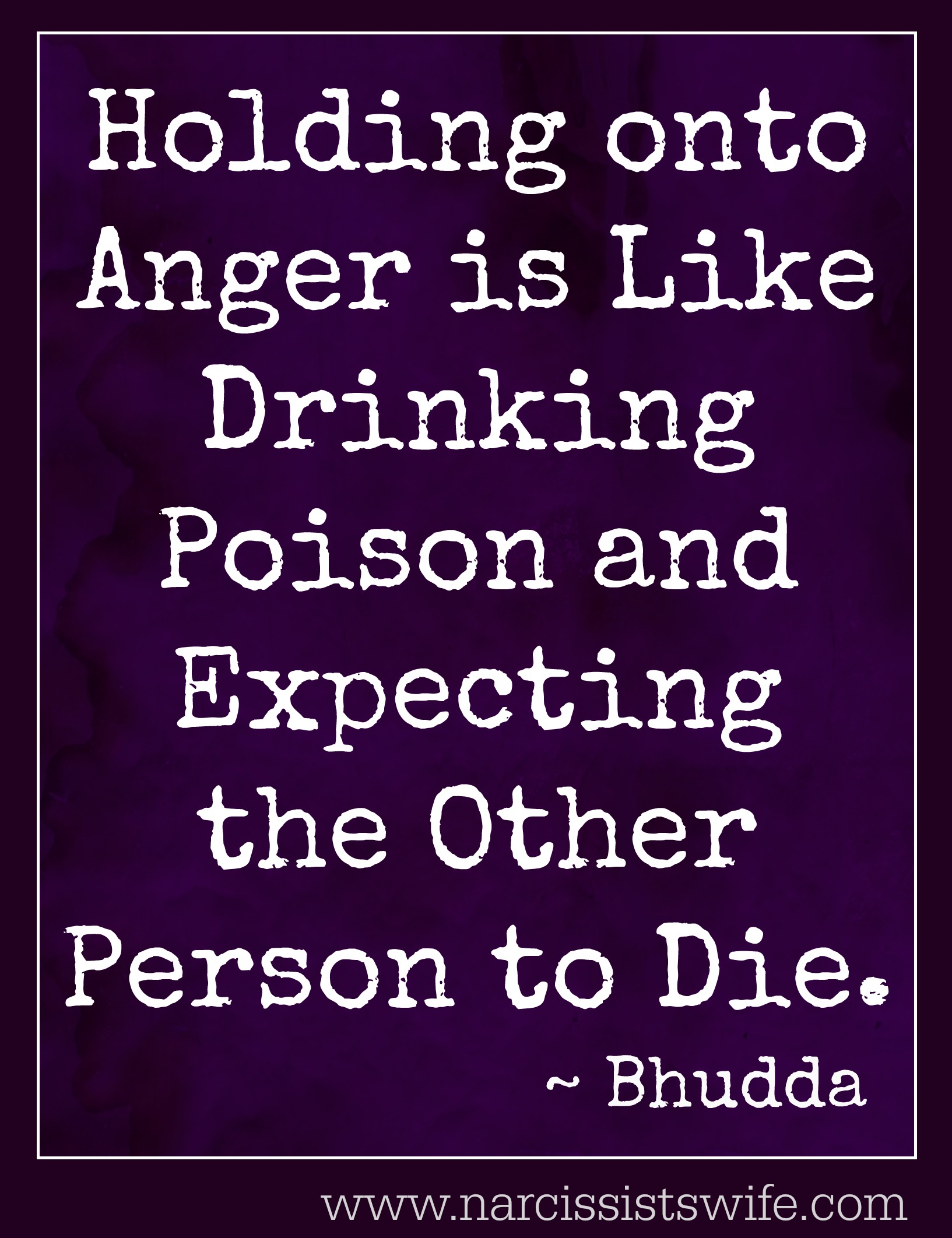
Some of these chronically angry abuse survivors have embraced a mentality of perpetual victimhood, using their rage as a sort of trophy “proving” how abused they were. They can’t or won’t let go of their rage because it makes them feel vindicated. I remember reading a comment from one angry ACON who said if he/she were to let go of their bitterness and hatred, they would have let their abusers “win.” But this person is wrong. Because paradoxically, remaining stuck in misery, rage and hatred is making it impossible for this person to heal and live a happy life, and isn’t being miserable exactly what their narcs want? Holding onto rage and wallowing in all the ways they victimized us vindicates the narcissist, not the victim. If our rage destroys or kills us (because eventually it can), the narcissists will be throwing a party to celebrate.
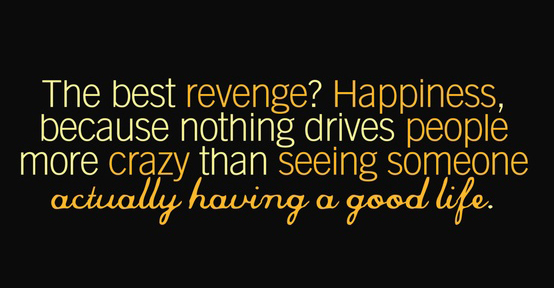
I think the best revenge is to live well. If a victim of abuse moves into a place of peace where healing is possible and can learn to become happy and even successful in life and stop using their victimhood as a kind of trophy, their narcissists will HATE that! Nothing enrages an abuser more than seeing their victims become happy and successful (and not bitter or angry). So how does healing ourselves and letting go of our “trophies” of rage and hate let the narcs win? It doesn’t. In fact, WE win and THEY lose.
But if I were to say this to them (and I have), I would be accused of “victim blaming” and even “narc hugging.” They would say my blog is “dangerous” to abuse survivors (and they have!) They would accuse me of having no empathy for their plight and am in fact taking the side of those who abused them! None of that is true. They just don’t get it. They think that because I’m suggesting they move away from their hatred, this means I’m blaming them for their misery and making excuses for the narcissists who abused them. This is a dangerous and tragic misunderstanding because they can’t even see the way they have been turned against themselves by their own narcissists! They can’t allow themselves to ever feel happy or let go of the bitterness that continues to hold them hostage to their narcissists even after they’ve gone No Contact.
Narcissism is the “gift” that keeps on giving if you let it. You can’t be happy if your default setting is rage. All that rage will eventually destroy your body AND your soul. In fact, living in a state of perpetual rage can turn a person narcissistic themselves. It’s a fact–I have seen it happen and it’s a horrible and scary thing to witness.

I read a post on Constant Supply: The Narcissist’s Wife about the very same thing I’m talking about here, and their post is what inspired me to write this article. I’d been wanting to write about this, but due to the nasty pile-on I experienced from several ACON bloggers a few weeks back due to an article I posted suggesting we stop hating on all narcissists (the message of which was taken WAY out of context–in no way did I EVER suggest we condone what narcs do or engage with them in any way), I’ve been reluctant to post any more articles even touching on this touchy matter.
Reading this blogger’s article gave me the courage to express my feelings about this apparently controversial issue. I’m prepared to be attacked again, but at least I know what to expect now and can arm myself accordingly. While the blogger I mentioned in the previous paragraph does talk about “forgiving” her narcissist, I wouldn’t go that far myself. I don’t ‘forgive’ my narcissists for the way they held me back all my life and nearly destroyed me, but I no longer choose to hate them either. My attitude about them is that they simply do. not. exist. They are no longer an important part of my life and I refuse to give them any more space in my brain than they deserve. Don’t forget that narcissists crave attention–ANY attention–and that includes negative as well as positive attention. To act as if the narcs don’t even exist is what they hate and fear more than anything in the universe.
Living well and healing yourself without reacting to our narcissists either negatively or positively is the sweetest revenge possible. The narcs will hate you for it.
We are all at different points of our recovery journey, and those who seem stuck in the “rage” setting (which is normal and necessary early in recovery) and have thereby not been able to move forward to real healing should not pass judgment on those who may be farther along the road and have reached a place where holding onto all that hatred was becoming burdensome and harmful.
I chose to jettison all that negative baggage to make my progress along the rocky road of recovery easier, and I have seen many others do it too, and actually become happy people. I hope and pray eventually ALL abuse survivors can reach a point when they realize holding onto their baggage is self-destructive and is holding them back from true healing–and is keeping them trapped in their own identity as “victims.”
I’m prepared to be disagreed with for posting this, but frankly I don’t care. If you are one of those who choose to hang onto your chronic rage, that’s your choice, and I respect that choice. I have no right to judge you or condemn you for doing so. But I don’t think it’s helpful or healthy. Hopefully, some people who have this problem might be able to take away something positive from this article and be able to extricate themselves from the quicksand of rage and continue to move along the road to recovery.
Please also see my article, Why Unrelenting, Chronic Rage is So Toxic.
 Lucky Otters Haven