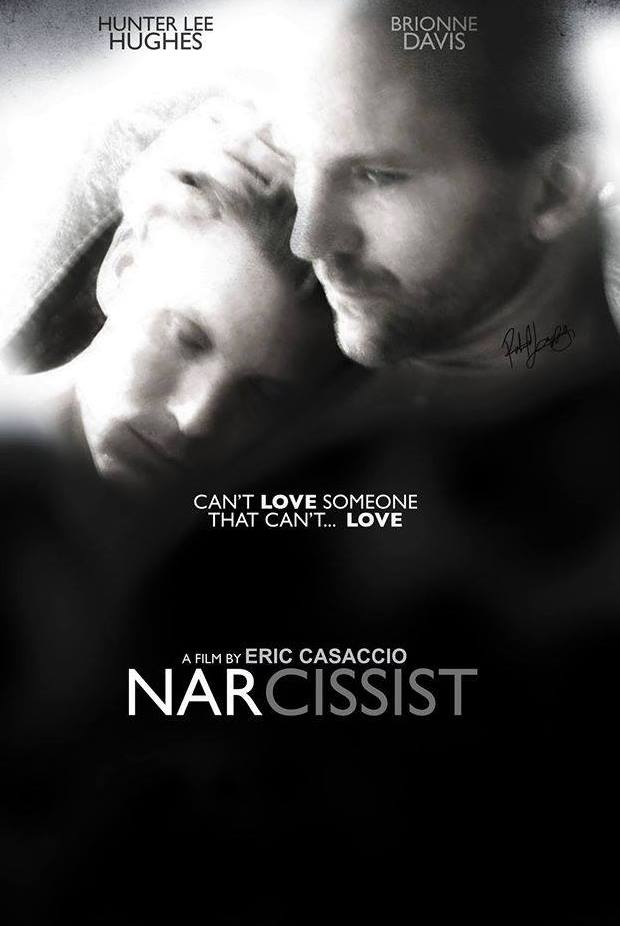
“Narcissist” is a short film about a toxic love relationship between a narcissistic man named Rob (Brionne Davis) and his victim Evan, played by Hunter Lee Hughes.Eric Casaccio is the film’s director.
I found this on Out of the Fog, an excellent resource that covers every personality disorder recognized by the DSM and several other mental disorders as well.
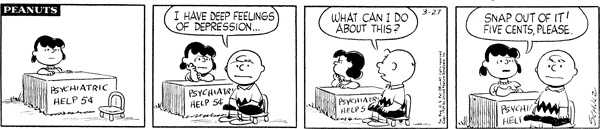
It never occurred to me Lucy from Peanuts is a narcissist but now that I think of it, she displays every trait of NPD, and Charlie Brown is her biggest victim.
Movies Portraying Narcissistic Personality Disorder Traits
A Streetcar Named Desire – A Streetcar Named Desire is a is a 1947 play written by Tennessee Williams, later adapted for film, which tells the story of a woman who displays histrionic and borderline traits, who goes to live with her codependent sister and her narcissistic husband.
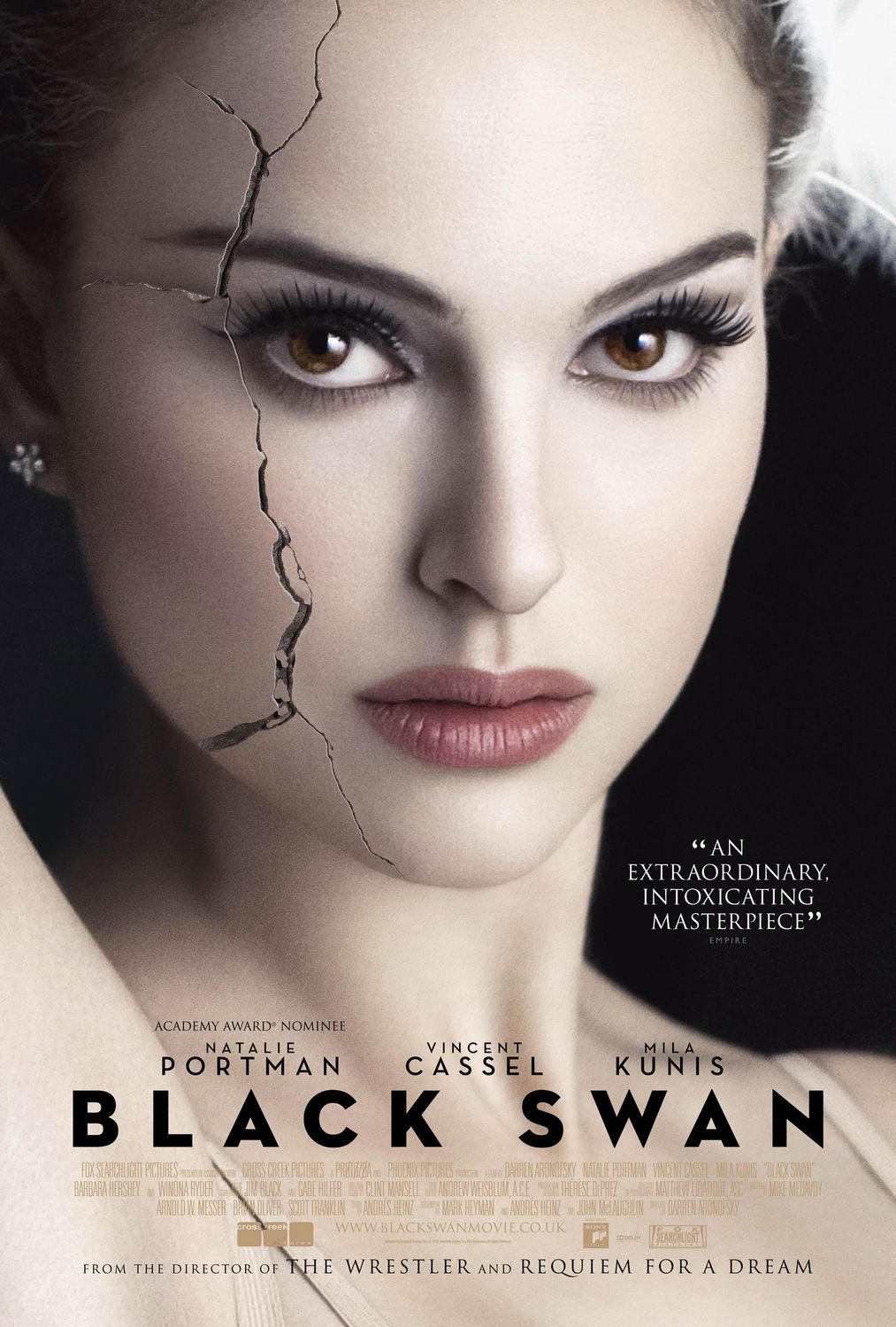
Black Swan – Black Swan is a 2010 psychological thriller about a ballet dancer, played by Natalie Portman, who discovers a dark side to herself as she struggles to please her overbearing narcissitic mother, played by Barbara Hershey.
Charlie Brown – Charlie Brown is the lead character in Charles M. Schulz’s classic “Peanuts” cartoons who is generally portrayed as feeling insecure and seeking acceptance. Charlie Brown’s character contrasts with the somewhat narcissistic character of Lucy and their relationship is sometimes used to illustrate the relationship between personality-disordered and non-personality-disordered people.
Click to enlarge.
Click to enlarge.
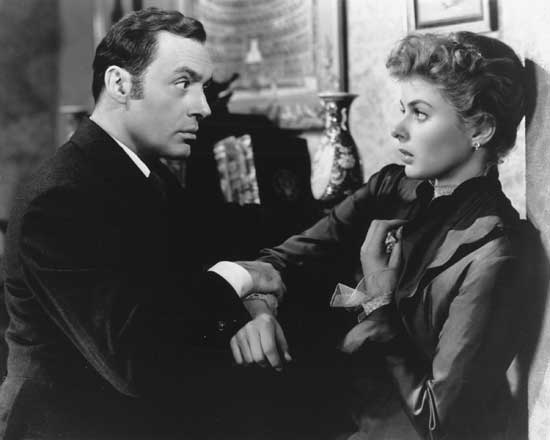
Gaslight – Gaslight is a 1944 MGM suspense thriller set in 19th Century London in which the villain, Gregory Anton (Charles Boyer), in an attempt to cover up his crimes, actively tries to convince his new wife, Paula (Ingrid Bergman) that she is losing her mind. Gaslight gave it’s name to the practice known as Gaslighting.
Mommie Dearest – Mommie Dearest is a 1981 biography of Hollywood Actress Joan Crawford, played by Faye Dunaway, who, according to the account in the movie, exhibited Obsessive Compulsive, Borderline and Narcissistic Traits.
Schindler’s List – Schindler’s List is a 1993 drama which chronicles the suffering of Jews in Nazi-occupied Poland during World War II and Oskar Schindler, a German businessman who rescued over a thousand of them by employing them in his factories. The movie includes a striking portrayal of Amon Göth, a narcissistic SS officer and camp director, played by Ralph Fiennes.
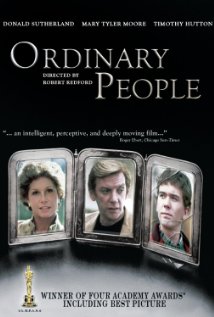
These are just a few examples. There are many others. One that comes immediately to mind is the movie Ordinary Peopleportrays a malignant narcissist in Mary Tyler Moore’s chillingly cold mother, Beth Jarrett. Her son Conrad suffers from severe PTSD and his mother’s coldness and thinly veiled hatred just serves to make things even worse for him.
This morning while poking around on the web, I came across this trailer and promo for a new movie by Eric Casaccio–“Narcissist.” It looks pretty interesting. I would like to see this when it’s released.
Synopsis: “Narcissist” is the story of a kind soul (Evan) who attracts a dark knight (Rob) into his life. It’s almost as it’s meant to be until Rob goes from a charming man to a manipulative individual who suddenly pulls the carpet out from under Evan, smashing his heart into a million pieces.
There is a question I have wondered about for a long time that was brought up on another post.
Narcissists are exquisitely sensitive. They are very easily hurt. But their hypersensitivity is limited to themselves (this is called narcissistic injury). Any insult, no matter how minor, will send them flying into a narcissistic rage or cause the “needy” type to break down like the babies they are.
But as we all know, when it comes to others, they have no empathy. They cannot feel your pain, share your sadness, or rejoice with you. On this level, they are incredibly insensitive.
But there’s something I wonder about. Because narcissists are “fictional people” themselves (what you see is not their true self but a mask), can they feel empathy for fictional people, such as characters in a sad or touching movie? Can they cry when reading a sad book or when they hear a sad song?
I’m leaning toward yes, because my MN mother never could feel pain for anyone but herself (and never expressed even her own narcissistic injury in any manner other than rage), yet I remember she could cry a river of tears when we went to a sad movie or watched a touching love story on TV. Hell, she could even turn on the eye-faucets when a maudlin commercial came on. My N ex used to get all weepy when he watched sad movies too.
For a narcissist, it’s “safe” for them to feel empathy for fictional characters on a movie screen or in a book, because those are not real people. There’s an interesting article written on the blog Let Me Reach by Kim Saeed about this subject, in which the author concludes that narcissists definitely do cry at movies, and it has to do with cognitive dissonance. Read Kim’s article for a more in-depth look at how this works for narcissists, because she explains it much better than I do.
Eva Khatchadourian (played brilliantly by Tilda Swinton) is a former travel writer who’s ambivalent about her first pregnancy, and doesn’t seem to be able to connect with her newborn son Kevin, an infant who cries constantly and squirms away whenever she tries to hold him. Eva also suffers from postpartum depression and lack of sleep, which doesn’t make it any easier to connect with her ornery child. Eva as a new mother has the look of a concentration camp survivor. She is utterly tormented by her son–and her inability to feel maternal love for him.
As Kevin grows older, it’s apparent there’s something not quite right about him. Even as a very young boy of three or four, he has an unnerving, soul-piercing stare and never smiles or laughs. Though obviously very intelligent, Kevin isn’t out of diapers until he is 6 or 7, and refuses to engage with others, especially with Eva. He becomes disruptive at home and at school, and is always in trouble. Besides seeming to do things deliberately to upset Eva, Kevin bullies other kids at school, and encourages one girl, who has a severe skin disorder, to pick at her scabs. He’s sneaky and devious and shows no remorse for his bad behaviors. He seems to have only two facial expressions: sullen, or self-satisfied sneer when he’s gotten away with something.
There’s one poignant scene when Kevin becomes very sick and this is the only time he shows any vulnerability and allows himself to be mothered like a normal child. Here, while Kevin’s defenses are down and his mask of impending psychopathy is temporarily disabled, we can catch a fleeting glimpse of little-boy innocence and neediness and some emotion that may even resemble love. This scene makes you begin to question whether Kevin was born evil, or if his psychopathy may have been caused by Eva’s failure to bond with him as an infant.
The rest of the time, there’s an disturbing lack of innocence in Kevin. There’s an unsettling scene when Kevin, about age 3, is sitting on the floor while Eva rolls a ball to him. Not only does he fail to roll the ball back, but he fixes her with his unnerving hateful stare, a look you wouldn’t believe such a young child could be capable of.
As Kevin grows into adolescence (adolescent Kevin is played with subtle and chilling power by Ezra Miller), his misdeeds become more serious, and start to endanger not only his fellow students and teachers, but other members of his own family. At one point he does something unspeakable to his younger sister, Celia (a child his mother wanted and who is temperamentally Kevin’s polar opposite–a sweet and empathetic child), and then smoothly lies about it without showing a shred of empathy or remorse. The strain of raising this difficult child eventually destroys Eva’s marriage to Kevin’s father, Franklin (played by John C. Reilly), who disagrees with his wife’s belief that Kevin is disturbed and naively continues to insist he is a normal, loving child but that Eva’s attitude toward him is cold and unmotherly. Eva herself is torn–she seems to try her best to do and say the right things to Kevin, but it’s clear nothing is getting through to him and the strain is destroying her.
Things come to a head when Kevin commits a shocking crime at age 15 followed by another that is even more heinous. The entire film is told in flashbacks, in the form of Eva’s letters to her husband Franklin (who has left Eva and whose whereabouts are a mystery until the end of the film) and conversations between Kevin and Eva while he is in prison.
Eva tries to come to term with what has happened, to deal with the aftermath and ostracization by everyone the family knew, and most of all, what part she may have played in her son’s crimes. One question that runs throughout the film: was Eva a bad mother who caused her child to become bad, or was Kevin just born bad?
In the final scenes between Eva and Kevin while he’s in prison, it’s possible to see how sophisticated and subtle Kevin’s manipulations of Eva have become. Theirs is a complicated relationship: while he obviously hates her, it also becomes evident he has more respect for her than for his father, who always showered him with unconditional love and for whom Kevin has nothing but dismissive, snarling contempt.
“We Need to Talk About Kevin” (based on the 2003 book by Lionel Shriver) is one of the most chilling and thought provoking movies about psychopathy I’ve ever seen, and like other great psychological thrillers, it asks more questions about human nature than it answers.






 Lucky Otters Haven